
20 Fort Laramie Strawberry Bare Roots – Everbearing, Cold Hardy Fragaria x ananassa
Original price was: $52.00.$41.60Current price is: $41.60.
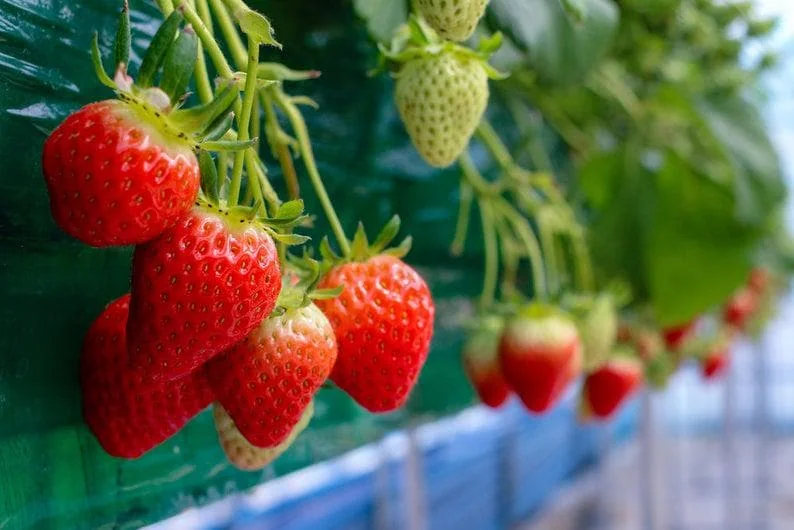
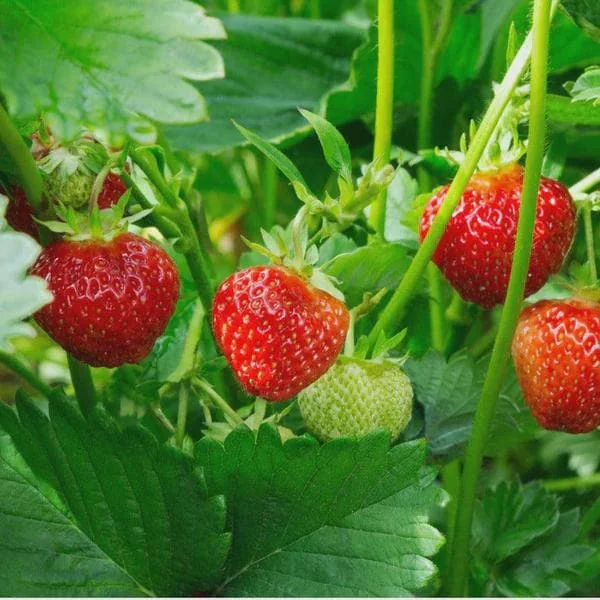
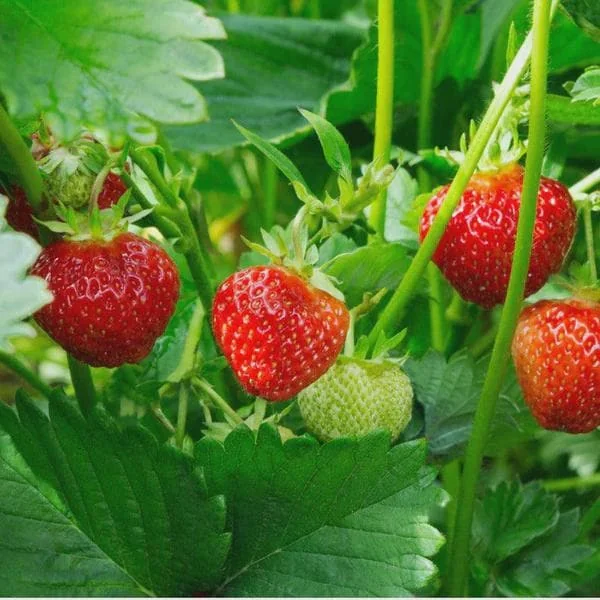
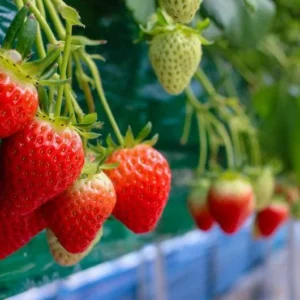
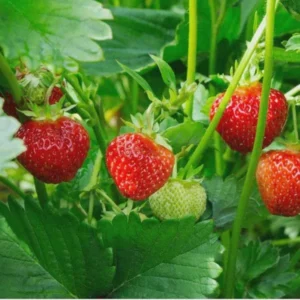
Start your own patch of sweet, juicy strawberries with these 20 Fort Laramie strawberry bare roots. This everbearing strawberry plants variety is renowned for its exceptional cold hardiness, thriving in challenging climates and producing fruit throughout the season. Perfect for northern gardeners seeking a reliable and productive berry.
-
USDA Hardiness Zone
USDA zones 3-9 -
Soil Type
Well-draining, rich in organic matter, slightly acidic to neutral pH -
Sunlight Exposure
Full sun (6-8+ hours daily) -
Expected Planting Period
Early spring or late fall

You can track your order HERE
Mar 03
Mar 08 - Mar 10
Mar 13 - Mar 17
Shipping and return policies: Our Alive & Thrive Guarantee covers issues with your plants within the first 30 days. Reach out to us. Our team will answer your questions and help you find the plants that are truly suitable for your environment, climate, and personal preferences.

Overview
Cultivate your own bountiful harvest with these 20 Fort Laramie strawberry bare roots. The Fort Laramie is a highly acclaimed, everbearing strawberry variety celebrated for its sweet, juicy, and firm fruit. Developed by the USDA Cheyenne Experiment Station in Wyoming, this remarkable strawberry was specifically bred to excel in challenging, cold, and dry climates. This makes it one of the toughest and most resilient varieties available, particularly suited for northern gardens and areas experiencing harsh winters. These bare roots offer an excellent way to establish a productive strawberry patch that will yield delicious berries season after season.
The Fort Laramie (Fragaria x ananassa) is a perennial favorite among gardeners due to its consistent production and ability to withstand adverse conditions. Its robust nature ensures a successful growing experience, even for those new to growing fruit. Enjoy the satisfaction of picking fresh, homegrown strawberries directly from your garden, knowing you’ve chosen a variety built to last.
Key Benefits
Growing Fort Laramie strawberry bare roots in your garden provides numerous advantages, from delicious fruit to ease of cultivation:
- Exceptional Cold Hardiness: This variety is incredibly winter hardy, performing well in USDA zones 3-7 and even up to zone 9 in some areas with proper care. It’s specifically bred to thrive in challenging, cold climates, making it a reliable choice for northern gardeners.
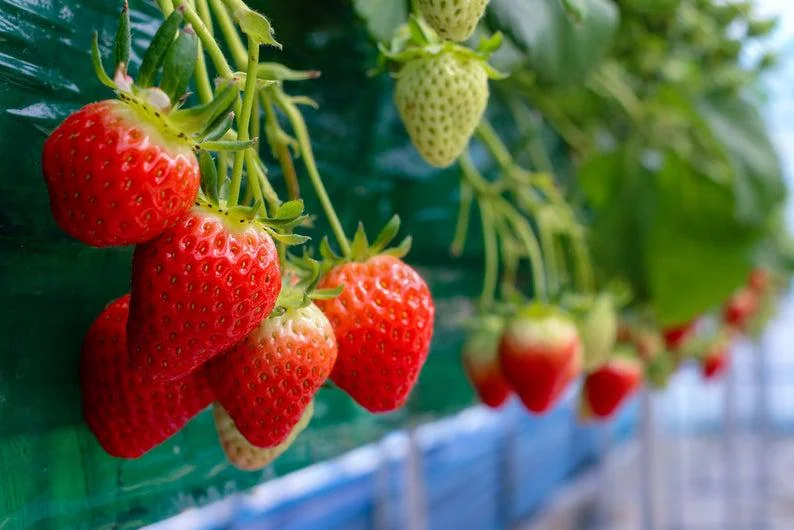
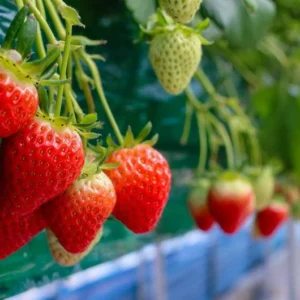
- Everbearing Production: Enjoy a continuous harvest of strawberries from late spring until the first frost. This everbearing strawberry plants characteristic means more fresh fruit for longer periods.
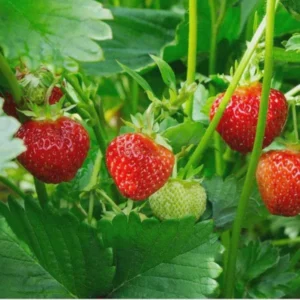
- Sweet & Juicy Fruit: The Fort Laramie produces medium to large-sized berries that are known for their delightful sweetness, juicy texture, and firm consistency, perfect for fresh eating or preserves.
- Disease Resistance: This hardy variety exhibits good resistance to many common strawberry diseases, contributing to a healthier and more productive patch with less effort.
- Adaptable & Resilient: Developed for tough conditions, these cold hardy strawberry plants are highly adaptable to various soil types and climates, making them a forgiving option for many gardeners.
- Easy to Grow from Bare Roots: Fort Laramie strawberry bare roots are simple to plant and establish, offering a cost-effective way to start a large strawberry patch.
- Versatile Use: Ideal for garden beds, raised beds, or even containers, allowing flexibility in how you incorporate these productive plants into your landscape.
Plant Care & Growing Tips
To ensure your Fort Laramie strawberry bare roots flourish, proper care is essential. These resilient plants are relatively easy to maintain, especially given their breeding for tough conditions. When planting, choose a site that receives at least 6-8 hours of direct sunlight daily. Strawberries thrive in full sun, which is crucial for fruit development and sweetness. Prepare your soil by enriching it with organic matter to improve drainage and fertility. A slightly acidic to neutral pH (6.0-6.5) is ideal. Plant bare roots with the crown (where the leaves emerge) at soil level, ensuring the roots are spread out in the planting hole.
Watering is critical, especially during establishment and fruiting periods. Keep the soil consistently moist but never waterlogged. Deep watering encourages stronger root growth. Mulching around your everbearing strawberry plants can help retain soil moisture, suppress weeds, and keep berries clean. Fertilize in early spring with a balanced fertilizer, and again after the first flush of fruit to support continuous production. For optimal growth and fruit size, remove runners in the first year to encourage the mother plant to establish vigorously. This practice helps to strengthen the plant, leading to a more robust harvest in subsequent years. Understanding strawberry plant care is key to a successful harvest.
These cold hardy strawberry plants are incredibly winter hardy, performing well in USDA zones 3-7 and even up to zone 9 in some areas with proper care. In colder zones, a layer of straw mulch applied after the ground freezes can provide extra winter protection. Monitor for common pests like slugs and birds, taking appropriate organic measures if necessary. With proper attention to these growing tips, your Fragaria x ananassa will provide a continuous supply of delicious berries.
Size & Details
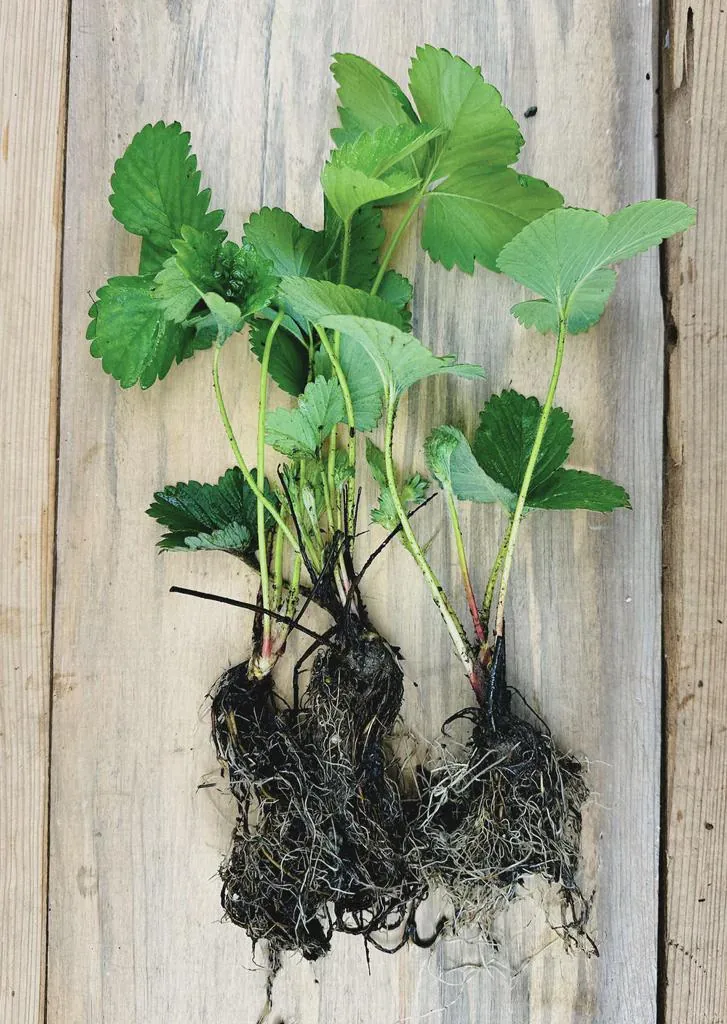
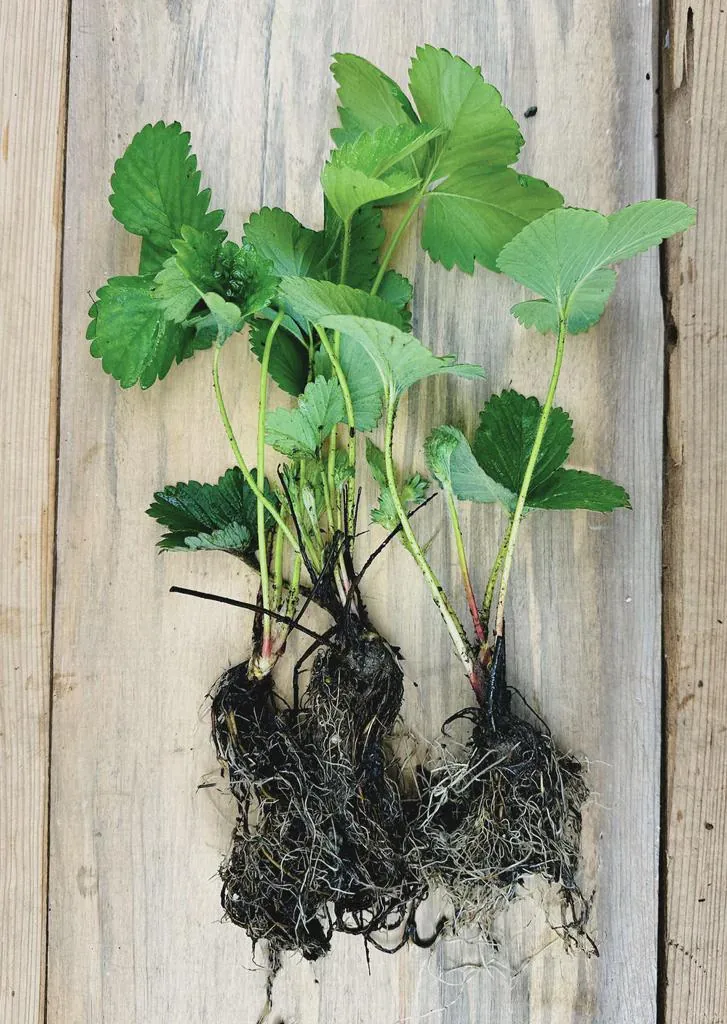
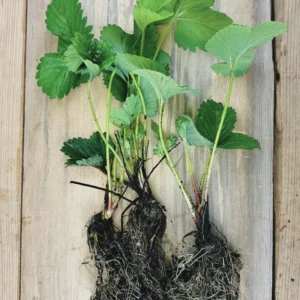
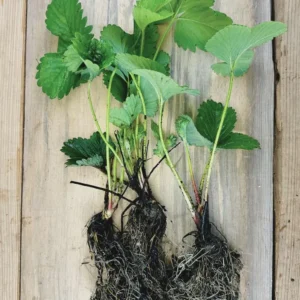
This offering includes 20 Fort Laramie strawberry bare roots, ready for planting upon arrival. Bare roots are dormant plants without soil, making them easy to ship and an economical way to start a large strawberry patch. Each bare root is a young plant, typically 4-6 inches in length, with a healthy root system prepared for transplanting. Once planted, these everbearing varieties will begin to establish quickly, with initial growth appearing within a few weeks, depending on planting conditions and climate.
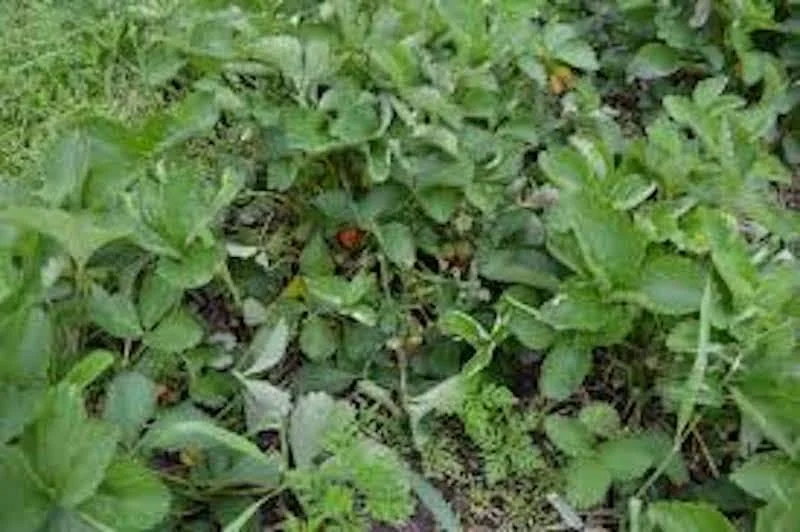
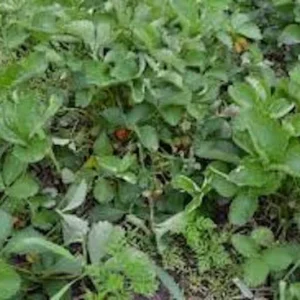
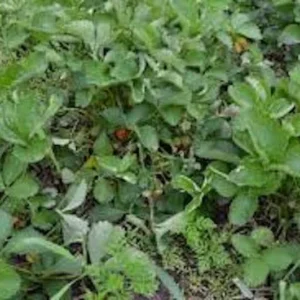
Fort Laramie strawberry bare roots are known for their vigorous growth habit and ability to spread via runners, forming a dense mat over time. Plants typically reach a height of 6-12 inches and spread about 12-18 inches wide. You can expect your first harvest of sweet, juicy strawberries in the first growing season, with peak production occurring in subsequent years. These plants are incredibly resilient and are a fantastic choice for gardeners looking for a reliable, long-term source of fresh berries.
Frequently Asked Questions
- Q: How big do Fort Laramie strawberry plants get? A: Fort Laramie strawberry bare roots will grow into plants that typically reach about 6-12 inches tall and spread 12-18 inches wide. They spread by runners, which can fill in a patch over time.
- Q: Is this an indoor or outdoor plant? A: The Fort Laramie strawberry bare roots are intended for outdoor planting. They are a hardy garden variety designed to thrive in garden beds, raised beds, or large outdoor containers in full sun.
- Q: How much sunlight do these strawberry plants need? A: These everbearing strawberry plants require at least 6-8 hours of direct sunlight per day for optimal growth and fruit production. More sun generally leads to sweeter and more abundant berries.
- Q: Is this plant easy to care for? A: Yes, the Fort Laramie is considered an easy-to-care-for variety, especially for its impressive cold hardiness and disease resistance. It’s a great choice for both beginner and experienced gardeners looking for low-maintenance strawberry plant care.
- Q: What condition will the bare roots arrive in? A: Your 20 Fort Laramie strawberry bare roots will arrive dormant and ready for planting. They will not have soil or leaves, as this is their natural state for successful transplanting.
- Q: When is the best time to plant Fort Laramie bare roots? A: The best time to plant Fragaria x ananassa bare roots is typically in early spring, after the danger of hard frost has passed, or in late fall in milder climates. This allows them to establish before extreme temperatures.
- Q: Will these strawberry plants survive winter in my zone? A: The Fort Laramie is exceptionally cold-hardy, performing well in USDA zones 3-7 and even up to zone 9 in some areas. It is one of the best varieties for a cold hardy strawberry.
- Q: How long until I get fruit from these bare roots? A: You can typically expect your first harvest of strawberries in the first growing season after planting your Fort Laramie strawberry bare roots. Production will increase in subsequent years as the plants mature.
- Q: What kind of soil is best for Fort Laramie strawberries? A: These strawberries prefer well-draining soil rich in organic matter. A slightly acidic to neutral pH (6.0-6.5) is ideal for healthy growth and fruit development.
- Q: Do I need to remove runners from my everbearing strawberry plants? A: For the first year, it’s generally recommended to remove runners to encourage the mother plant to focus energy on root establishment and strong growth. In subsequent years, you can allow some runners to form new plants if you wish to expand your patch.
Be the first to review “20 Fort Laramie Strawberry Bare Roots – Everbearing, Cold Hardy Fragaria x ananassa”
People Also Viewed
Sold 79 products
Original price was: $39.98.$19.99Current price is: $19.99.
Flower Plants
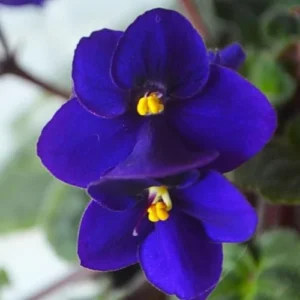
African Violet Live Plant Houseplant – Dark Blue Flower, 4 Inch Pot – Indoor Ready to Grow
Sold 63 products
Original price was: $75.98.$37.99Current price is: $37.99.
Sold 77 products
Original price was: $188.00.$94.00Current price is: $94.00.
Sold 63 products
Original price was: $51.98.$25.99Current price is: $25.99.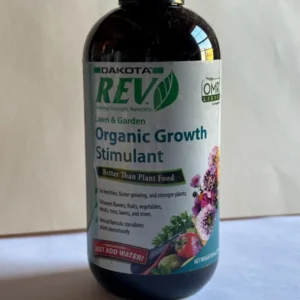
Gardening Supplies
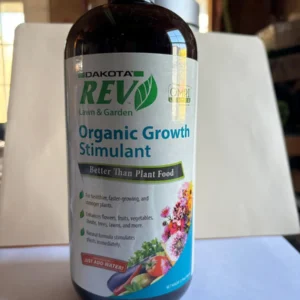
Organic Plant Food 16oz – Liquid Concentrate for Vegetables, Flowers, Trees, Grasses
Sold 72 products
Original price was: $91.80.$45.90Current price is: $45.90.
Sold 59 products
Original price was: $47.96.$23.98Current price is: $23.98.
Sold 80 products
Original price was: $1,596.00.$798.00Current price is: $798.00.
Sold 73 products
Original price was: $440.00.$220.00Current price is: $220.00.
Sold 100 products
Original price was: $89.98.$44.99Current price is: $44.99.
Sold 61 products
$48.38
Sold 71 products
From $20.90
Sold 52 products
Original price was: $100.00.$80.00Current price is: $80.00.
Sold 54 products
$43.98
Sold 65 products
From $16.04
Sold 94 products
Original price was: $39.98.$19.99Current price is: $19.99.
Sold 63 products
Original price was: $36.00.$28.80Current price is: $28.80.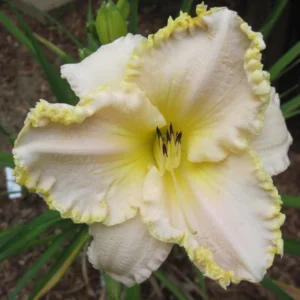
Flower Plants
Marquee Moon Daylily Live Plant – Creamy White Flowers, Gold Edge – 1 Gallon Pot – Outdoor Perennial
Sold 98 products
From $95.80
Sold 72 products
Original price was: $60.00.$48.00Current price is: $48.00.



Reviews
There are no reviews yet.