
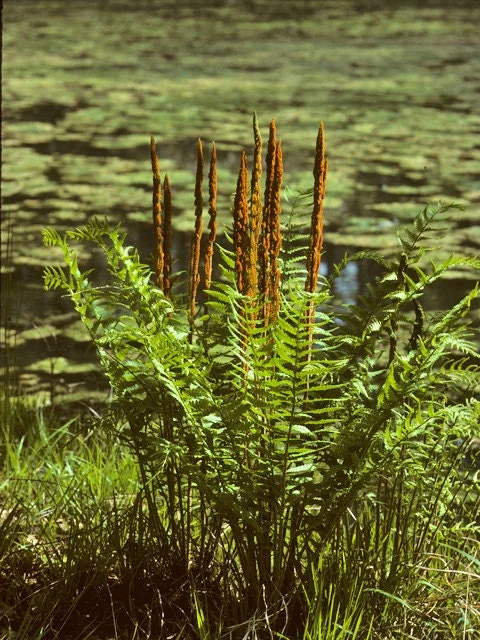
20 Cinnamon Fern Bulbs – Osmundastrum Cinnamomeum – Outdoor Perennial
Original price was: $120.00.$60.00Current price is: $60.00.
Cultivate a distinctive garden with 20 Cinnamon Fern bulbs (Osmundastrum cinnamomeum). These hardy deciduous ferns produce striking cinnamon-colored fertile fronds and lush green sterile foliage, perfect for shaded garden areas, bringing unique texture and seasonal interest. Ideal for gardeners seeking a distinctive perennial.
-
USDA Hardiness Zone
USDA zones 3-9 -
Soil Type
Moist, acidic to neutral, well-draining soil -
Sunlight Exposure
Partial to full shade -
Expected Planting Period
Late fall to early spring

You can track your order HERE
Feb 26
Mar 03 - Mar 05
Mar 08 - Mar 12
Shipping and return policies: Our Alive & Thrive Guarantee covers issues with your plants within the first 30 days. Reach out to us. Our team will answer your questions and help you find the plants that are truly suitable for your environment, climate, and personal preferences.

Overview
Introduce a touch of natural elegance to your landscape with our premium selection of cinnamon fern bulbs. Each order includes 20 robust bulbs of Osmundastrum cinnamomeum, ready to establish and flourish in your garden. The cinnamon fern is a captivating deciduous herbaceous plant renowned for its unique dual frond structure. It produces both sterile, spreading fronds that can reach an impressive 30-150cm tall and 15-20cm broad, and distinctive fertile fronds that emerge first, displaying a striking cinnamon color. This vibrant hue, which gives the species its evocative name, slowly transitions to brown as the season progresses and spores are dispersed. The persistent, spore-bearing stems offer architectural interest even after the sterile fronds succumb to frost, ensuring continuous visual appeal throughout the year. The sterile fronds are deeply lobed, creating a nearly bipinnate appearance that adds lush texture to woodland gardens, shaded borders, or naturalized areas.
The cinnamon fern bulbs are an excellent choice for gardeners looking to create a tranquil, naturalistic setting. These resilient plants are low-maintenance once established and provide significant ecological benefits, offering shelter and beauty to various garden inhabitants. Whether you’re a seasoned gardener or just starting, growing cinnamon ferns from bulbs is a rewarding experience, leading to a mature, stately plant that will be a focal point in your outdoor space for years to come.
Key Benefits
The cinnamon fern plant care is relatively straightforward, making it an ideal addition to many garden types. Beyond its ease of cultivation, this fern offers a multitude of benefits that enhance any landscape:
- Unique Seasonal Interest: The most striking feature is the emergence of its fertile fronds, which are initially green and gradually turn a rich cinnamon color. This distinct coloration provides a captivating visual spectacle from spring through fall, adding dynamic interest to your garden as the seasons change.
- Lush Foliage: The sterile fronds are broad, pinnate, and deeply lobed, creating a dense, vibrant green backdrop. This lush foliage offers a cooling effect and a serene atmosphere, perfect for shaded areas where other plants might struggle.
- Hardy and Resilient: Osmundastrum cinnamomeum is known for its hardiness and ability to thrive in various conditions. Once established, these ferns are quite drought-tolerant and resistant to many common pests and diseases, making them a reliable choice for long-term garden beauty.
- Attracts Wildlife: The dense fronds provide excellent shelter for small birds and other garden creatures, contributing to a healthy and biodiverse ecosystem in your backyard.
- Versatile Landscaping: Ideal for woodland gardens, shaded borders, stream banks, or naturalized areas, the cinnamon fern’s upright habit and textural appeal make it a versatile plant for diverse landscape designs.
- Low Maintenance: After planting, these ferns require minimal intervention. They are self-sufficient and spread gently over time, filling in spaces with their elegant fronds without becoming invasive.
- Erosion Control: Their fibrous root systems help stabilize soil, making them an excellent choice for planting on slopes or along water features to prevent erosion.
Plant Care & Growing Tips
Achieving success with growing cinnamon ferns begins with understanding their preferred environment. These ferns thrive in moist, acidic to neutral soil, rich in organic matter. Good drainage is crucial, even though they prefer consistently moist conditions. When planting your cinnamon fern bulbs, choose a location that receives partial to full shade. While they can tolerate some morning sun, intense afternoon sun can scorch their delicate fronds. Ensure the planting site is well-prepared with compost or other organic amendments to provide a nutrient-rich and moisture-retentive base.
Watering is key, especially during dry spells and in their first growing season. Aim to keep the soil consistently damp but not waterlogged. Once established, the ferns are quite tolerant of varying moisture levels but will perform best with regular hydration. Fertilization is generally not heavily required; an annual application of a balanced, slow-release granular fertilizer in early spring or a layer of compost around the base of the plant will suffice. The deciduous fern nature means the fronds will die back in winter, and new growth will emerge in spring. Hardiness zones typically range from USDA zones 3 to 9, making them suitable for a wide array of climates. Protect young plants from severe frost in their first year if you are at the colder end of their hardiness range. Watch out for slugs and snails, which can occasionally munch on new fronds, though cinnamon ferns are generally pest-resistant.
Size & Details
This package contains 20 Cinnamon Fern bulbs, ready for planting. Each bulb is a robust root system, ensuring a strong start for your plants. Once mature, Osmundastrum cinnamomeum typically reaches a height of 30-150 cm (approximately 1 to 5 feet) with a spread of 15-20 cm (6 to 8 inches) per frond, forming substantial clumps over time. The fronds themselves are pinnate, with individual pinnae measuring 5-10 cm long and 2-2.5 cm broad. These ferns have a moderate growth rate, establishing well in their first year and gradually expanding their footprint to create a lush, natural effect. They are shipped as dormant bulbs, ideal for planting in late fall or early spring. Expect to see initial sterile fronds emerge in spring, followed by the distinctive cinnamon-colored fertile fronds shortly after.
Frequently Asked Questions
- Q: How big do these cinnamon fern plants get? A: Mature cinnamon ferns can reach an impressive height of 30-150 cm (1 to 5 feet) and spread 15-20 cm per frond, forming substantial clumps over several years. Their size makes them excellent for creating a natural, woodland feel in your garden.
- Q: Is this an indoor or outdoor plant? A: The cinnamon fern is primarily an outdoor plant, thriving in garden settings. It prefers shaded, moist environments typical of woodland areas and is not suitable for indoor cultivation.
- Q: How much sunlight does the cinnamon fern need? A: These ferns prefer partial to full shade. While they can tolerate some morning sun, they should be protected from harsh afternoon sun, which can scorch their delicate fronds.
- Q: Is this plant easy to care for? A: Yes, growing cinnamon ferns is relatively easy. Once established, they are low-maintenance, requiring consistent moisture and protection from intense sun. They are a great choice for gardeners looking for a resilient and beautiful shade plant.
- Q: What condition will the cinnamon fern bulbs arrive in? A: Your order of 20 Cinnamon Fern bulbs will arrive as dormant root systems, carefully packaged to ensure their health and viability for planting. Detailed planting instructions will be included.
- Q: When is the best time to plant cinnamon fern bulbs? A: The ideal time to plant your cinnamon fern bulbs is in late fall or early spring, allowing them to establish their root systems before the growing season or winter dormancy.
- Q: What type of soil is best for cinnamon ferns? A: Cinnamon ferns thrive in moist, acidic to neutral soil that is rich in organic matter and well-draining. Incorporating compost can greatly benefit their growth and overall health.
- Q: Will the cinnamon fern survive winter in my zone? A: Yes, the deciduous fern, Osmundastrum cinnamomeum, is very cold hardy, typically thriving in USDA zones 3 through 9. Its fronds will die back in winter, but new growth will emerge vigorously in spring.
- Q: Why is it called a cinnamon fern? A: The plant gets its name from the distinctive cinnamon-colored fertile fronds that emerge in spring. These fronds contain the spores and are a prominent feature, especially when they first appear.
- Q: Do these ferns spread aggressively? A: Cinnamon ferns spread by rhizomes, but they are not considered aggressively invasive. They form dense clumps over time, gradually expanding their presence in a natural and manageable way, making them a well-behaved addition to a shade garden.
Be the first to review “20 Cinnamon Fern Bulbs – Osmundastrum Cinnamomeum – Outdoor Perennial”
People Also Viewed
Sold 50 products
Original price was: $57.98.$28.99Current price is: $28.99.
Sold 77 products
Original price was: $119.74.$71.84Current price is: $71.84.
Sold 76 products
Original price was: $160.00.$128.00Current price is: $128.00.
Sold 57 products
From $14.98
Sold 70 products
Original price was: $37.56.$18.78Current price is: $18.78.
Sold 99 products
Original price was: $79.80.$39.90Current price is: $39.90.
Sold 54 products
Original price was: $98.98.$59.38Current price is: $59.38.
Sold 72 products
$50.00
Sold 92 products
Original price was: $39.99.$34.99Current price is: $34.99.
Sold 80 products
Original price was: $79.96.$39.98Current price is: $39.98.
Sold 75 products
Original price was: $31.96.$15.98Current price is: $15.98.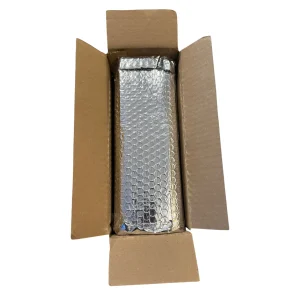
Gardening Supplies
Thermal Insulation Wrap for Live Plants – Winter Heat Protection Packaging
Sold 56 products
Original price was: $31.96.$15.98Current price is: $15.98.
Sold 90 products
$39.58
Sold 87 products
$87.98
Sold 82 products
Original price was: $79.96.$39.98Current price is: $39.98.
Sold 98 products
Original price was: $170.00.$127.50Current price is: $127.50.

Sold 56 products
Original price was: $41.56.$20.78Current price is: $20.78.

Sold 91 products
From $39.99



Reviews
There are no reviews yet.