
2 Spicebush Live Plants (Lindera Benzoin) – 4 inch Containers, Outdoor Shrub
Original price was: $57.60.$28.80Current price is: $28.80.
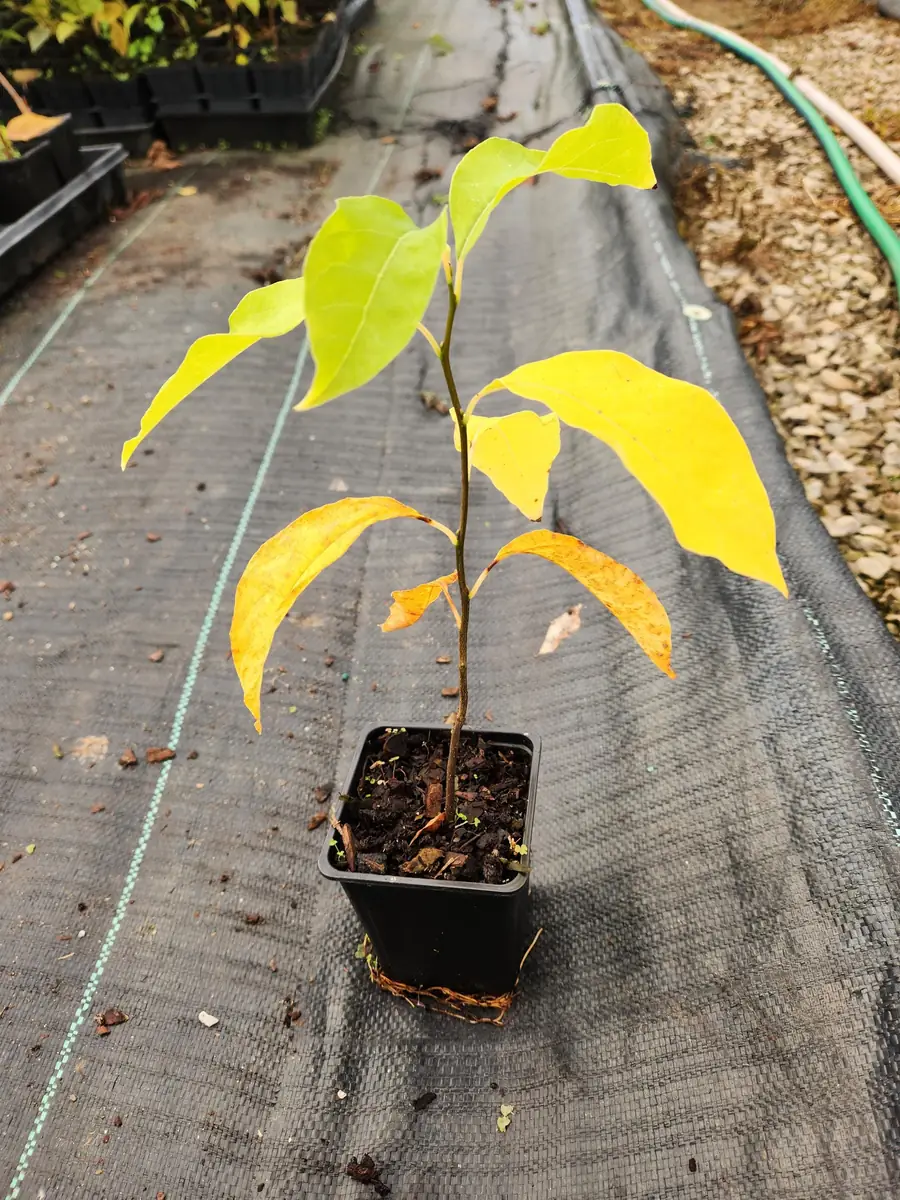
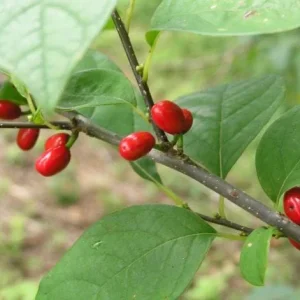
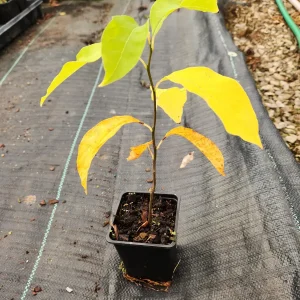
Add natural beauty to your landscape with these spicebush live plant specimens. You’ll receive two healthy Lindera Benzoin shrub plants, each rooted in a 4-inch container, ready for planting. Known for their early spring flowers and vibrant fall foliage, these adaptable shrubs thrive in various conditions, making them a wonderful addition to any garden.
-
USDA Hardiness Zone
USDA Zones 4-9 -
Soil Type
Well-draining, consistently moist soil -
Sunlight Exposure
Partial shade to full sun -
Expected Planting Period
Spring to early fall

You can track your order HERE
Feb 28
Mar 05 - Mar 07
Mar 10 - Mar 14
Shipping and return policies: Our Alive & Thrive Guarantee covers issues with your plants within the first 30 days. Reach out to us. Our team will answer your questions and help you find the plants that are truly suitable for your environment, climate, and personal preferences.

Overview
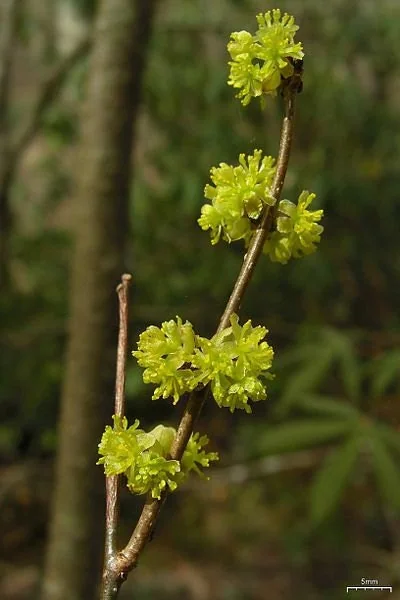
Transform your garden into a vibrant habitat with the addition of a spicebush live plant. This offering includes two robust spicebush live plant specimens, scientifically known as Lindera Benzoin, each cultivated in a 4-inch container. The Spicebush, also commonly referred to as Wild Allspice or Benjamin Bush, is a deciduous shrub native to eastern North America. Renowned for its delicate greenish-yellow flowers that emerge in early to mid-April before the leaves, it serves as a harbinger of spring. These plants are a cornerstone for local ecosystems, providing essential food and habitat for various wildlife, including the Spicebush Swallowtail butterfly, whose caterpillars feed exclusively on its leaves. Perfect for naturalizing or as a border plant, the Lindera Benzoin shrub offers year-round interest and ecological value.
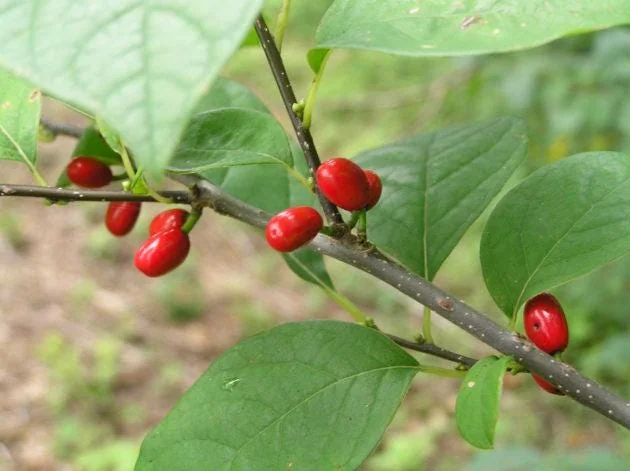
The spicebush live plant is a versatile and resilient shrub, capable of adapting to a range of growing conditions. Its attractive foliage, aromatic twigs, and bright red berries (on female plants) contribute to its aesthetic appeal throughout the seasons. Whether you’re a seasoned gardener or just starting, these 4-inch potted plants provide a convenient and effective way to introduce a significant native species into your outdoor space, promoting biodiversity and enjoying its subtle charm.
Key Benefits
Introducing the spicebush live plant into your garden brings a multitude of environmental and aesthetic advantages. These plants are not only beautiful but also play a crucial role in supporting local wildlife.
- Early Spring Blooms: Enjoy the sight of delicate greenish-yellow flowers in early spring, often before other plants begin to leaf out. These subtle blooms provide a vital early nectar source for pollinators.
- Vibrant Fall Color: Witness a spectacular display of golden-yellow foliage in autumn, adding a warm glow to your landscape as other plants fade. This brilliant fall color makes the Lindera Benzoin shrub a standout.
- Wildlife Attractor: Spicebush is a host plant for the Spicebush Swallowtail butterfly and provides berries for birds, making it an excellent choice for supporting local wildlife and enhancing ecological diversity in your yard.
- Aromatic Foliage and Twigs: The leaves and twigs release a pleasant, spicy fragrance when crushed, adding an aromatic dimension to your garden experience.
- Adaptable and Hardy: This native shrub is known for its resilience, tolerating a variety of soil conditions and light exposures, making spicebush care relatively straightforward.
- Moisture Tolerance: Thrives in moist soil areas, making it suitable for rain gardens or areas with consistent moisture, though it also performs well in average garden soil.
- Naturalizing Potential: Ideal for naturalizing in woodland gardens or creating an informal border, blending seamlessly into native plant landscapes.
Plant Care & Growing Tips
Caring for your spicebush live plant is generally straightforward, as this native shrub is quite resilient once established. For optimal growth, these plants prefer a location with partial shade to full sun. While they can tolerate full sun, especially in cooler climates, they will appreciate some afternoon shade in hotter regions. In full sun, the plant will produce abundant flowers and more vibrant fall color. Ensure the soil is well-draining but consistently moist. They are particularly fond of rich, organic soil, so amending the planting area with compost can be beneficial.
When it comes to watering, young Lindera Benzoin shrub plants require regular moisture to establish a strong root system. Once mature, they are moderately drought-tolerant but will perform best with consistent watering during dry spells, especially if planted in full sun. Avoid waterlogging, as this can lead to root rot. The Spicebush is hardy in USDA zones 4-9, making it suitable for a wide range of climates. Fertilization is typically not required for established plants in good soil; however, a light application of a balanced, slow-release fertilizer in early spring can boost growth for younger plants.
Pruning should be done in late winter or early spring before new growth appears. Remove any dead, damaged, or crossing branches to maintain a healthy structure. You can also prune to shape the plant or control its size, though it naturally maintains an attractive form. Given its native status, native spicebush plants are generally resistant to most pests and diseases, making spicebush care relatively low-maintenance. Keep an eye out for any unusual leaf discoloration or insect activity, but serious problems are rare.
Size & Details
You will receive two healthy spicebush live plant specimens, each carefully rooted in a 4-inch nursery container. At the time of shipping, these plants typically stand around 6 inches in height, providing a robust start for your garden. The Spicebush (Lindera Benzoin) is a slow to medium-growing shrub, eventually reaching a size of 6 to 12 feet in height with a similar spread at maturity. This allows it to form a substantial presence in your landscape, whether as a specimen plant or integrated into a larger native planting scheme.
These plants are shipped as live, potted specimens, ensuring minimal transplant shock and a higher success rate when planting. They are ready to be planted directly into your garden or a larger pot upon arrival. The mature size and growth rate make the outdoor spicebush an excellent choice for creating a natural border, an understory planting in a woodland garden, or as part of a pollinator-friendly landscape. With proper spicebush care, these young plants will establish well and begin to showcase their seasonal beauty within a few growing seasons.
Frequently Asked Questions
- Q: How big do these spicebush plants get? A: Each spicebush live plant typically grows to a mature height of 6-12 feet with a similar spread, forming a substantial shrub over time. Their growth rate is considered slow to medium.
- Q: What size pot do these plants come in? A: You will receive two spicebush plants, each rooted in a 4-inch nursery container, ready for planting in your garden.
- Q: Is this an indoor or outdoor plant? A: The spicebush live plant is an outdoor shrub, best suited for garden beds, borders, or naturalized areas where it can reach its full mature size and thrive in natural conditions.
- Q: How much sunlight does a spicebush need? A: Spicebush performs well in partial shade to full sun. In hotter climates, some afternoon shade is beneficial, while in cooler regions, full sun can lead to more prolific flowering and fall color.
- Q: Is this plant easy to care for? A: Yes, the Lindera Benzoin shrub is generally considered easy to care for, especially once established. It’s a native plant, making spicebush care relatively low-maintenance with proper siting.
- Q: What condition will it arrive in? A: Your spicebush plants will arrive as live, actively growing plants, carefully packaged in their 4-inch containers to ensure they reach you in good health and ready for planting.
- Q: When is the best time to plant spicebush? A: The best time to plant spicebush is in spring or early fall, allowing the plant ample time to establish its root system before extreme weather conditions.
- Q: Will it survive winter in my zone? A: Spicebush is hardy in USDA Zones 4-9, meaning it can tolerate cold winter temperatures within this range. Ensure it is planted in a suitable zone for successful overwintering.
- Q: What are the main benefits of planting an outdoor spicebush? A: Key benefits include beautiful early spring flowers, stunning fall foliage, its role as a host plant for the Spicebush Swallowtail butterfly, and its aromatic qualities.
- Q: What kind of soil does a native spicebush prefer? A: While adaptable, native spicebush plants thrive in rich, well-draining, consistently moist soil. Amending with organic matter can improve soil conditions.
Be the first to review “2 Spicebush Live Plants (Lindera Benzoin) – 4 inch Containers, Outdoor Shrub”
People Also Viewed
Sold 54 products
Original price was: $39.98.$19.99Current price is: $19.99.
Flower Plants
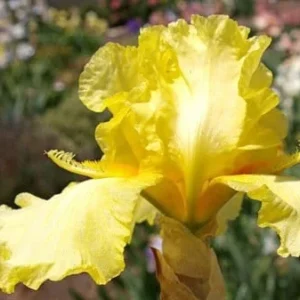
Summer Olympics Bearded Iris – Iris germanica Live Plant, Creamy Yellow, Reblooming, Zone 3-9
Sold 86 products
Original price was: $59.80.$29.90Current price is: $29.90.
Sold 53 products
Original price was: $159.80.$79.90Current price is: $79.90.
Sold 51 products
Original price was: $259.96.$129.98Current price is: $129.98.
Sold 80 products
Original price was: $68.78.$41.26Current price is: $41.26.
Sold 95 products
Original price was: $47.98.$23.99Current price is: $23.99.
Sold 91 products
Original price was: $36.16.$18.08Current price is: $18.08.
Sold 55 products
Original price was: $49.98.$24.99Current price is: $24.99.
Sold 72 products
Original price was: $77.06.$38.53Current price is: $38.53.

Sold 64 products
Original price was: $14.76.$7.38Current price is: $7.38.
Sold 83 products
Original price was: $147.16.$73.58Current price is: $73.58.
Sold 100 products
Original price was: $71.80.$35.90Current price is: $35.90.
Sold 76 products
Original price was: $39.98.$19.99Current price is: $19.99.
Sold 100 products
Original price was: $24.35.$7.74Current price is: $7.74.
Sold 77 products
Original price was: $147.16.$73.58Current price is: $73.58.
Flower Plants
African Violet Live Plant Houseplant – Purple White Flower, 4 Inch Pot, Indoor Growing
Sold 76 products
Original price was: $79.98.$39.99Current price is: $39.99.
Sold 73 products
Original price was: $65.76.$39.46Current price is: $39.46.
Sold 94 products
Original price was: $89.98.$44.99Current price is: $44.99.


Reviews
There are no reviews yet.