
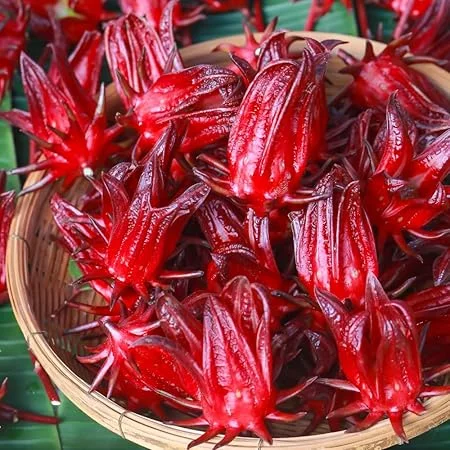
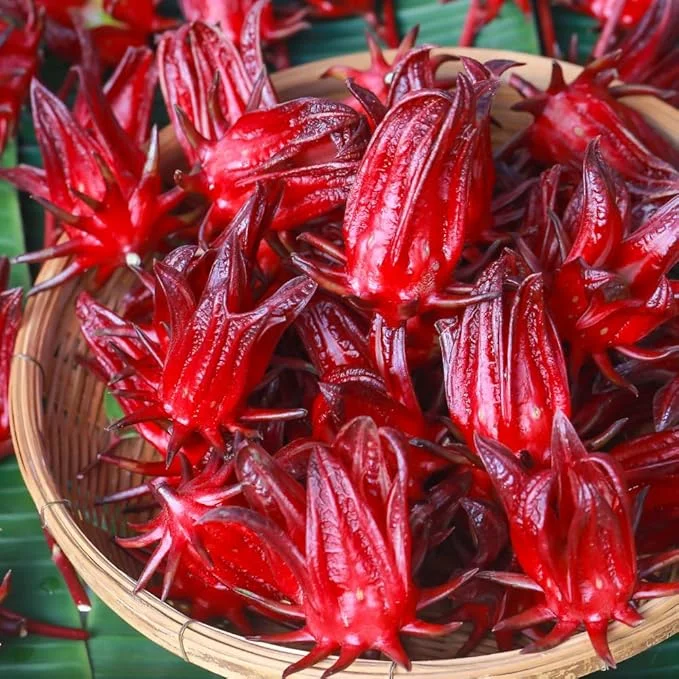
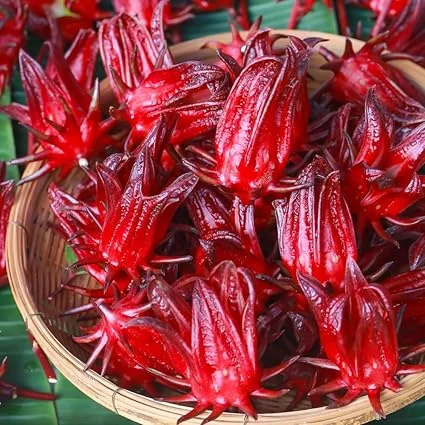
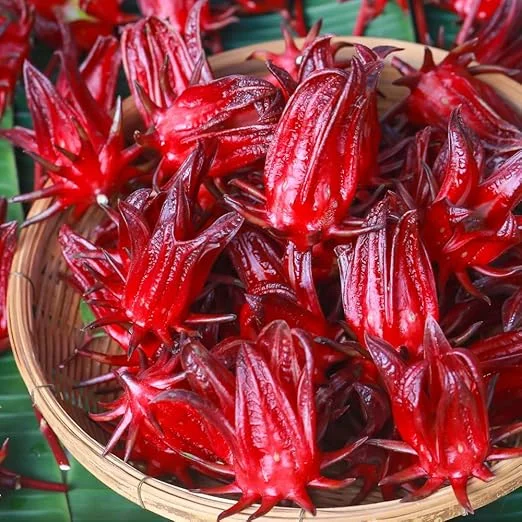
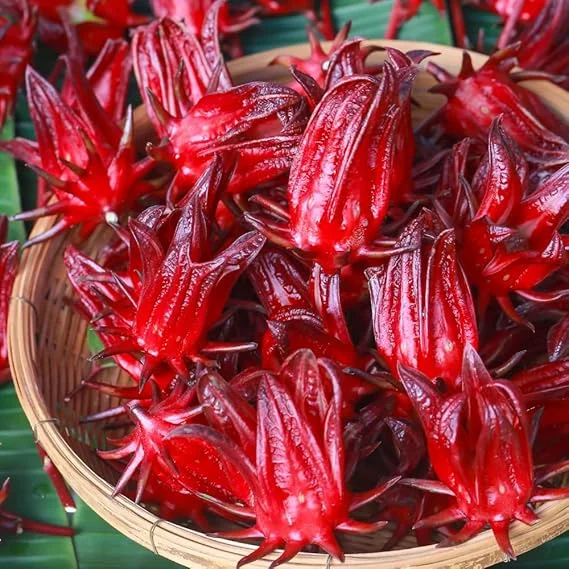
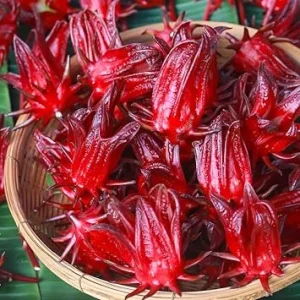
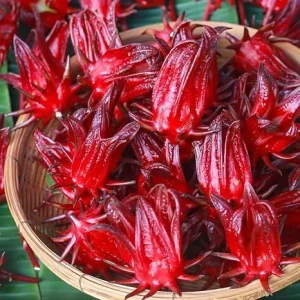
2 Red Roselle Hibiscus Live Plants, Hibiscus sabdariffa, 4-6″ Tall in 4″ Pot, Sorrel Flower
Original price was: $39.98.$19.99Current price is: $19.99.
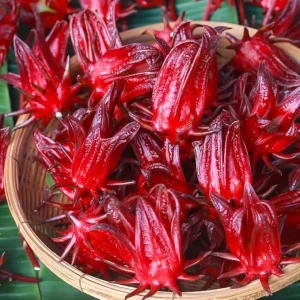
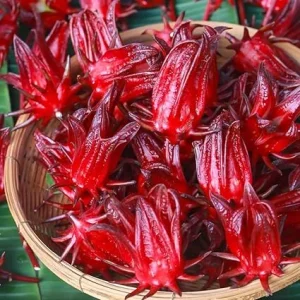
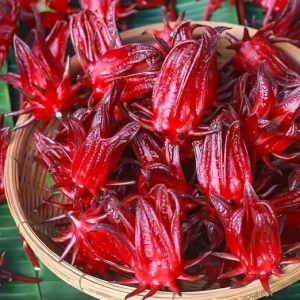
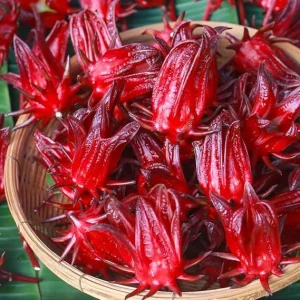
Cultivate your own vibrant garden with this offer of 2 Red Roselle Hibiscus live plants, also known as Hibiscus sabdariffa care. These healthy young plants, 4-6 inches tall in a 4-inch pot, are perfect for creating beautiful landscapes or edible gardens. Enjoy their stunning red flowers and versatile calyces for teas and culinary uses.
-
USDA Hardiness Zone
USDA zones 9-11 (as a tender perennial, otherwise annual) -
Soil Type
Well-draining, fertile soil rich in organic matter -
Sunlight Exposure
Full sun (6-8+ hours direct sunlight daily) -
Expected Planting Period
Spring to early summer (after last frost)

You can track your order HERE
Apr 01
Apr 06 - Apr 08
Apr 11 - Apr 15
Shipping and return policies: Our Alive & Thrive Guarantee covers issues with your plants within the first 30 days. Reach out to us. Our team will answer your questions and help you find the plants that are truly suitable for your environment, climate, and personal preferences.

Overview
Introduce a touch of tropical beauty and culinary versatility to your garden with this offering of roselle hibiscus live plant. You will receive two robust Hibiscus sabdariffa care plants, each standing 4-6 inches tall, nurtured together in a single 4-inch nursery pot. Known by many names including Roselle, Sorrel, and Jamaica Hibiscus, this remarkable plant is celebrated for its stunning red flowers and, more famously, its fleshy, edible calyces. These calyces are widely used to make refreshing teas, jams, and sauces, offering a tart flavor reminiscent of cranberries. Whether you’re an experienced gardener or just starting, growing your own sorrel hibiscus plant is a rewarding experience, providing both ornamental appeal and a bountiful harvest. These well-rooted specimens are ready to establish quickly in your garden or a larger container, promising vibrant blooms and delicious yields.
The red hibiscus plant is a fast-growing annual or tender perennial, thriving in warm climates. Its striking foliage and bright flowers add an exotic flair to any setting. Beyond its aesthetic appeal, the Roselle is a plant of significant cultural importance in various parts of the world, valued for its medicinal properties and culinary uses. This particular variety, Hibiscus sabdariffa care, is known for its ease of cultivation and generous production of calyces, making it a favorite among home gardeners. Prepare to enjoy the unique charm and benefits of this exceptional plant.
Key Benefits
Growing a roselle hibiscus live plant offers a multitude of advantages, from its ornamental beauty to its practical culinary uses. These plants are a fantastic addition to any garden, providing both visual interest and delicious ingredients.
- Vibrant Ornamental Appeal: The Roselle produces striking red flowers and lush green foliage, adding a tropical and colorful touch to your garden, patio, or landscape. Its distinctive appearance makes it a focal point.
- Edible Calyces for Culinary Delights: The most prized feature of the Hibiscus sabdariffa care is its edible calyces, which are the fleshy, bright red sepals that surround the seed pod. These can be harvested to make delicious and healthy teas, juices, jams, jellies, and sauces, offering a tart, cranberry-like flavor.
- Fast Growth and High Yield: Known for its rapid growth, the sorrel hibiscus plant can reach impressive heights of 5-7 feet in a single season in optimal conditions, providing a generous harvest of calyces for all your culinary needs.
- Medicinal Properties: Traditionally, various parts of the Roselle plant have been used in herbal medicine for their potential health benefits, including supporting blood pressure and cholesterol levels, making it a holistic addition to your garden.
- Attracts Pollinators: The beautiful flowers of the red hibiscus plant are a magnet for bees, butterflies, and other beneficial pollinators, contributing to the biodiversity and health of your garden ecosystem.
- Relatively Low Maintenance: Once established, Roselle plants are quite resilient and require moderate care, making them suitable for gardeners of various skill levels. They thrive with consistent warmth and sunlight.
- Versatile Use: Whether you’re looking to create a vibrant border, a container garden, or a dedicated herb and edible plant patch, the jamaica hibiscus growing plant fits beautifully into various garden designs and purposes.
Plant Care & Growing Tips
Caring for your roselle hibiscus live plant is straightforward, especially when provided with the right conditions. These plants thrive in warm, sunny environments, making them ideal for many American gardens. For optimal growth and a bountiful harvest, understanding their specific needs is crucial. The Hibiscus sabdariffa care routine begins with proper siting and soil preparation. Choose a location in your garden that receives at least 6-8 hours of direct sunlight daily. Full sun exposure is paramount for robust growth and prolific flowering and fruiting. If you’re growing in containers, ensure they are placed in the sunniest spot on your patio or balcony. The ideal soil for a sorrel hibiscus plant is well-draining, fertile, and rich in organic matter. A slightly acidic to neutral pH (6.0-7.0) is preferred. Amend heavy clay soils with compost or sand to improve drainage, and sandy soils with compost to enhance water retention and nutrient availability.
Watering is a key aspect of red hibiscus plant care. While established plants can tolerate some drought, consistent moisture is best for vigorous growth and calyx production. Water deeply and regularly, especially during dry spells and hot weather, ensuring the soil remains evenly moist but not waterlogged. Reduce watering slightly as the plant matures and calyces begin to form. Fertilize your roselle hibiscus live plant every 4-6 weeks during the growing season with a balanced, all-purpose fertilizer or one slightly higher in phosphorus to encourage flowering and fruiting. Pests are generally not a major issue, but keep an eye out for aphids or spider mites, treating them with insecticidal soap if necessary. In non-tropical regions, Roselle is typically grown as an annual, but in USDA Zones 9-11, it can be a tender perennial. For those in cooler climates, consider starting seeds indoors or growing in containers that can be brought inside before the first frost, allowing for continued jamaica hibiscus growing.
Size & Details
This offering includes two healthy roselle hibiscus live plant specimens, each measuring approximately 4-6 inches in height from the soil line to the top of the foliage. They are established together in a single 4-inch nursery pot, providing a compact and convenient start for your garden. These young plants are well-rooted and ready for transplanting into a larger pot or directly into your garden bed. The Hibiscus sabdariffa care plants are fast-growing and can reach a mature height of 5-7 feet in a single growing season when provided with optimal conditions. They develop a bushy habit, eventually spreading 3-4 feet wide. Expected time to harvest for the calyces is typically 3-4 months after planting, with continuous production throughout the warm season. These plants are shipped in their nursery pots with soil, ensuring minimal shock during transit and enabling a smooth transition to their new home.
Frequently Asked Questions
- Q: How big do these Roselle Hibiscus plants get? A: These roselle hibiscus live plant specimens are 4-6 inches tall upon arrival. With proper care, they can quickly grow to a mature height of 5-7 feet and spread 3-4 feet wide in a single growing season.
- Q: What size pot does it come in? A: Your two Roselle Hibiscus plants will arrive together in a single 4-inch nursery pot, well-rooted and ready for transplanting.
- Q: Is this an indoor or outdoor plant? A: The Hibiscus sabdariffa care plant thrives outdoors in full sun in warm climates. It can be grown indoors in a very sunny spot, but it typically performs best and produces more calyces when grown outside.
- Q: How much sunlight does it need? A: For vigorous growth and abundant calyx production, the sorrel hibiscus plant requires at least 6-8 hours of direct sunlight per day. Full sun is essential for best results.
- Q: Is this plant easy to care for? A: Yes, Roselle Hibiscus is considered relatively easy to care for. It primarily needs consistent warmth, full sun, and regular watering to thrive, making it suitable for gardeners of various experience levels.
- Q: What condition will it arrive in? A: Your plants will arrive as healthy, well-rooted live specimens, shipped in their nursery pots with soil to ensure they are ready to grow upon arrival.
- Q: Can I use the Roselle in cooking? A: Absolutely! The fleshy red calyces of the red hibiscus plant are highly prized for making teas, juices, jams, and sauces. They offer a tart, cranberry-like flavor.
- Q: How long until it blooms and produces calyces? A: Typically, the jamaica hibiscus growing process will lead to blooms and calyx production about 3-4 months after planting, with harvests continuing through the warm season.
- Q: Will it survive winter in my zone? A: Roselle Hibiscus is generally grown as an annual in most climates. In USDA Zones 9-11, it can survive as a tender perennial. In colder zones, you’ll need to replant annually or bring it indoors before frost.
- Q: What’s the minimum temperature it can tolerate? A: The Roselle Hibiscus prefers warm temperatures and is sensitive to frost. It can tolerate temperatures down to about 40-50°F (4-10°C) but will be damaged or killed by freezing temperatures.
Be the first to review “2 Red Roselle Hibiscus Live Plants, Hibiscus sabdariffa, 4-6″ Tall in 4″ Pot, Sorrel Flower”
People Also Viewed
Sold 50 products
Original price was: $27.98.$13.99Current price is: $13.99.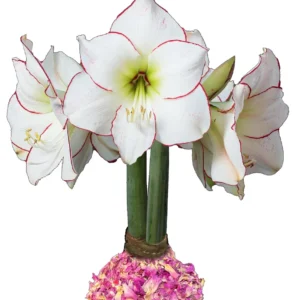
Sold 50 products
Original price was: $143.80.$71.90Current price is: $71.90.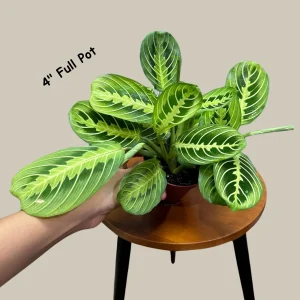
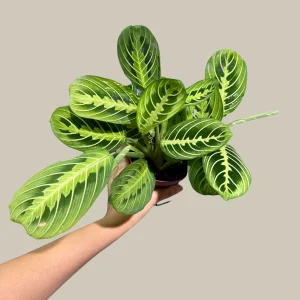
HousePlants
Lemon Lime Prayer Plant Live – Maranta Leuconeura Houseplant – Air Purifier Indoor Plant
Sold 70 products
From $13.90

Sold 76 products
Original price was: $151.20.$75.60Current price is: $75.60.
Sold 91 products
Original price was: $11.96.$5.98Current price is: $5.98.
Sold 80 products
Original price was: $391.96.$195.98Current price is: $195.98.
Sold 67 products
Original price was: $23.00.$18.40Current price is: $18.40.
Sold 95 products
Original price was: $89.98.$44.99Current price is: $44.99.
Sold 52 products
Original price was: $355.96.$177.98Current price is: $177.98.
Sold 60 products
Original price was: $47.58.$23.79Current price is: $23.79.
Sold 73 products
Original price was: $140.00.$112.00Current price is: $112.00.
Sold 69 products
Original price was: $30.78.$15.39Current price is: $15.39.
Sold 67 products
Original price was: $25.00.$20.00Current price is: $20.00.
Sold 71 products
Original price was: $39.98.$19.99Current price is: $19.99.
HousePlants
Lithops Live Plants Mix – 10 Large Colorful Living Stones Succulents for Indoor/Outdoor Growing
Sold 50 products
Original price was: $27.98.$13.99Current price is: $13.99.
Sold 65 products
Original price was: $39.98.$19.99Current price is: $19.99.
Sold 75 products
Original price was: $147.16.$73.58Current price is: $73.58.
Sold 88 products
Original price was: $32.18.$16.09Current price is: $16.09.


Reviews
There are no reviews yet.