
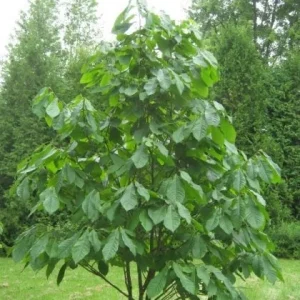
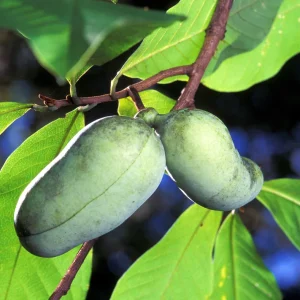
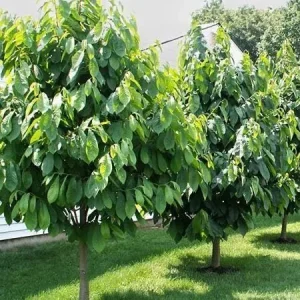
2 Paw Paw Tree Bare Root (Asimina Triloba) – Fruit Bearing Tree
From $71.96
Cultivate a unique and delicious harvest with our 2 Paw Paw Tree Bare Root plants. These Asimina triloba trees are native to North America, producing the continent’s largest edible fruit. Perfect for adding a distinctive, custard-like flavor to your garden.
-
USDA Hardiness Zone
USDA Zones 5-9 -
Soil Type
Well-draining, slightly acidic to neutral loamy soil -
Sunlight Exposure
Partial shade (young); Full sun to partial shade (mature) -
Expected Planting Period
Early spring

You can track your order HERE
Mar 04
Mar 09 - Mar 11
Mar 14 - Mar 18
Shipping and return policies: Our Alive & Thrive Guarantee covers issues with your plants within the first 30 days. Reach out to us. Our team will answer your questions and help you find the plants that are truly suitable for your environment, climate, and personal preferences.

Overview
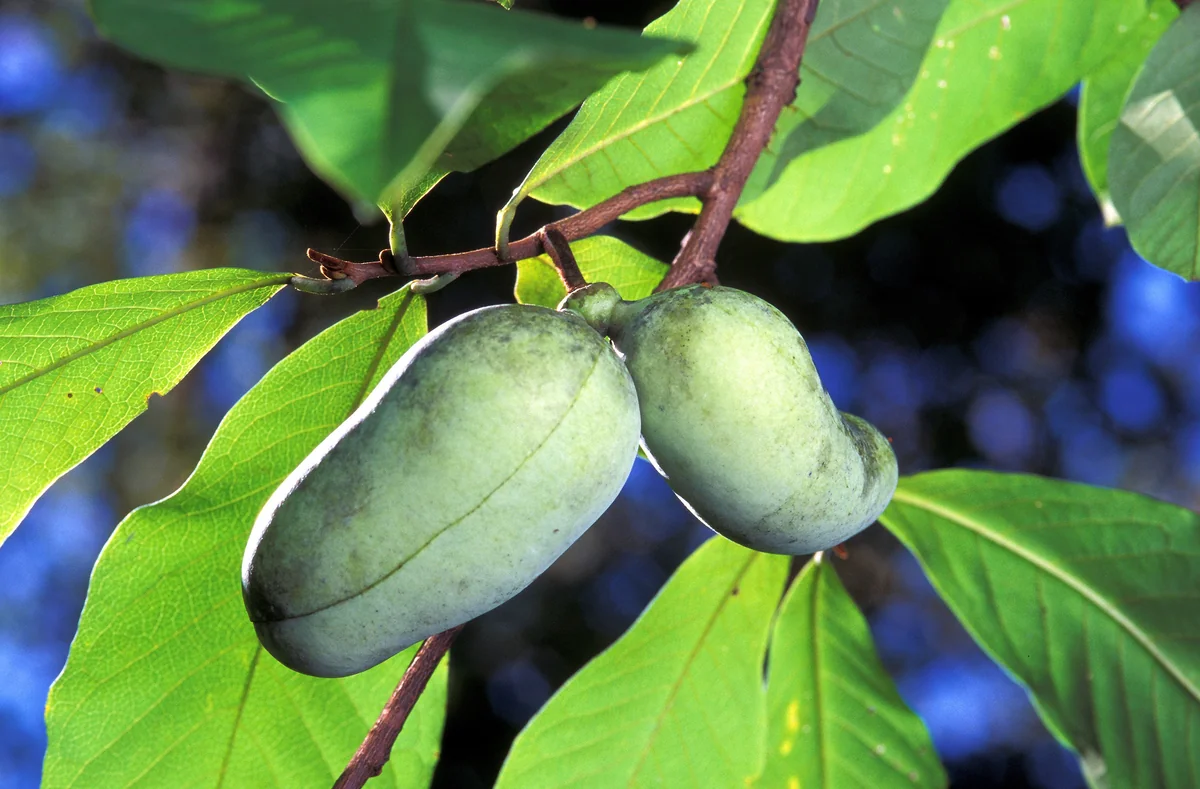
Bring the taste of North America’s largest native fruit to your garden with our paw paw tree bare root offering. The pawpaw, scientifically known as Asimina triloba tree, is a small, deciduous tree prized for its unique, tropical-tasting fruit. These two bare-root trees provide an excellent foundation for establishing your own pawpaw patch, allowing you to enjoy fresh, delicious fruit directly from your backyard. Often described as a cross between a banana and a mango with a creamy, custard-like texture, the pawpaw fruit is a true culinary delight. Native to the eastern United States, these resilient trees are a fantastic addition for gardeners seeking unusual, low-maintenance, and fruit-bearing plants.
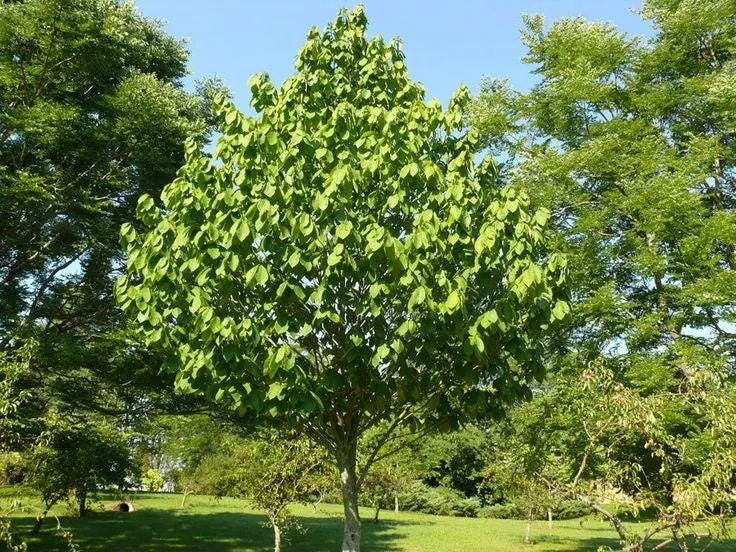
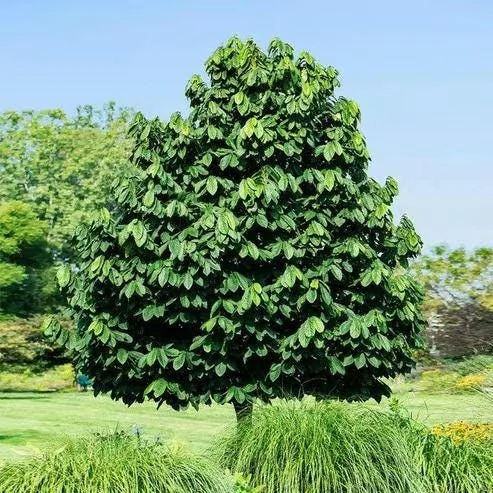
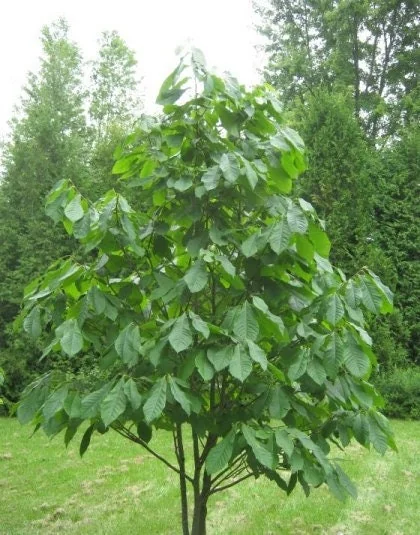
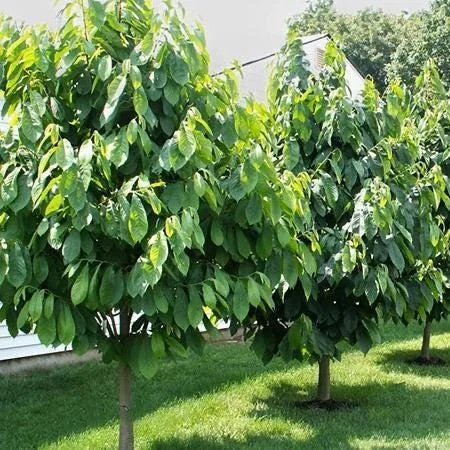
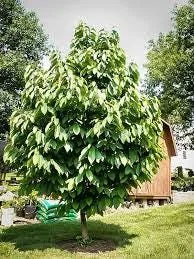
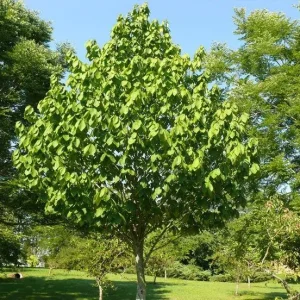
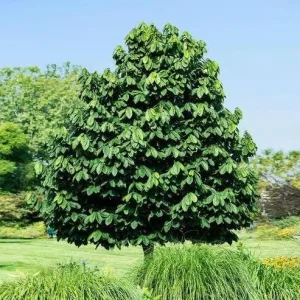
The Asimina triloba tree is a fascinating specimen, belonging to the Annonaceae family, which otherwise consists mainly of tropical plants. Despite its tropical relatives, the pawpaw is perfectly adapted to temperate climates, thriving in 26 states across the eastern U.S. from New York to Nebraska. When mature, these trees can reach heights of up to 25 feet, though they may remain smaller (2 to 12 feet) in shadier, protected understory environments. Beyond their delicious fruit, pawpaw trees offer ornamental value with their dark green, shiny, oval leaves that turn vibrant yellow in the fall, and their distinctive maroon, six-petal blossoms that appear in spring.
Key Benefits
Growing a paw paw tree bare root offers a multitude of benefits for both your garden and your palate. These trees are not only a source of unique fruit but also contribute to local ecosystems and provide ornamental appeal. Investing in a pawpaw fruit tree means enjoying a truly distinctive gardening experience.
- Unique Edible Fruit: Harvest the largest native fruit of North America, known for its rich, custard-like flavor often compared to a blend of banana and mango. Enjoy fresh, healthy, and exotic-tasting fruit right from your own garden. This makes the paw paw tree bare root an exciting addition for any food gardener.
- Low Maintenance: Once established, Asimina triloba trees are relatively low-maintenance, requiring minimal care compared to many other fruit trees. They tolerate a range of soil conditions and are generally resistant to common pests and diseases, making them ideal for gardeners of all experience levels.
- Native & Resilient: As a native species to the eastern U.S., the pawpaw is naturally adapted to the climate and soil conditions, contributing to local biodiversity. Its resilience makes it a hardy choice for many landscapes, thriving where other fruit trees might struggle.
- Ornamental Value: Beyond fruit production, the pawpaw tree provides aesthetic appeal with its large, dark green leaves that turn vibrant yellow in autumn. Its unique maroon spring blossoms add an early splash of color to the landscape before the foliage fully emerges.
- Shade Tolerance: Unlike many fruit trees that demand full sun, the pawpaw fruit tree can tolerate and even prefer partial shade, especially when young. This makes it suitable for understory planting or areas of your garden with less direct sunlight.
- Wildlife Attraction: The fruit is a favorite of various wildlife, though you might want to protect your harvest! The tree also serves as a host plant for the zebra swallowtail butterfly, adding ecological value to your garden.
- Supports Biodiversity: By planting a native fruit tree like the pawpaw, you support local ecosystems and provide food sources for native insects and animals, contributing to a healthier environment.
Plant Care & Growing Tips
Caring for your paw paw tree bare root plants requires understanding their specific needs to ensure healthy growth and abundant fruit production. These trees prefer a location with at least partial shade when young, gradually tolerating more sun as they mature. Full sun is acceptable for mature trees, especially in northern climates, but some afternoon shade can be beneficial in hotter regions. Ensure the planting site has well-draining soil, as pawpaws do not like wet feet. A slightly acidic to neutral pH (5.5-7.0) is ideal. Consider planting two or more pawpaw trees for cross-pollination, as most varieties are not self-fertile, which is crucial for maximizing fruit yield from your Asimina triloba tree.
When planting your bare-root trees, dig a hole wide enough to accommodate the root system without bending and deep enough so that the root collar is at soil level. Backfill with native soil, gently firming it around the roots to remove air pockets. Water thoroughly after planting. Keep the soil consistently moist, especially during the first year of establishment and during dry spells. Mulching around the base of the tree can help retain moisture, regulate soil temperature, and suppress weeds. Fertilize sparingly in the spring with a balanced, slow-release fertilizer once the tree is established. Pruning is generally minimal, focusing on removing dead, damaged, or crossing branches to maintain good air circulation and shape. Watch out for the pawpaw fruit tree’s need for consistent moisture, particularly in its early years.
Pawpaws are hardy and generally pest-free, but young trees may need protection from deer. The trees are typically hardy in USDA Zones 5-9. In colder zones, ensure adequate winter protection for young plants. While the fruit is edible and delicious, remember that the skin and seeds contain annonacin and should not be consumed. This native fruit tree is a rewarding plant to grow, offering a taste of the wild with relatively straightforward care. Proper care will ensure your paw paw tree bare root thrives and produces plentiful fruit for years to come.
Size & Details
This offering includes 2 Paw Paw Tree Bare Root plants of the Asimina triloba tree species. Bare-root trees are dormant plants shipped without soil around their roots, which is an economical and effective way to transport and plant deciduous trees. Upon arrival, the roots should be kept moist until planting. These bare-root trees are typically 1-2 feet tall at the time of shipping, ready for immediate planting in your garden or orchard. Once established, the pawpaw tree can grow to a height of 15-25 feet, with a spread of 15-20 feet, forming a small to medium-sized tree. The growth rate is moderate, and trees typically begin to bear fruit within 3-5 years after planting, reaching peak production around 7-10 years. Expect the fruit to ripen in the fall, usually from late August to October, depending on your climate zone. This edible fruit tree is a long-term investment that will provide unique harvests for decades.
Frequently Asked Questions
- Q: How big will the 2 Paw Paw Tree Bare Root plants be when they arrive? A: Your 2 Paw Paw Tree Bare Root plants will typically arrive as dormant bare-root trees, usually measuring between 1 to 2 feet in height, ready for planting. Their size is optimized for safe and efficient shipping.
- Q: Is this an indoor or outdoor plant? A: The Asimina triloba tree is an outdoor plant. It is a deciduous tree that requires seasonal changes and is best suited for planting directly in the ground in a garden or orchard setting.
- Q: How much sunlight does a pawpaw tree need? A: Young pawpaw trees prefer partial shade, especially during their first year or two. As they mature, they can tolerate more sun, with mature trees often thriving in full sun in cooler climates or partial sun in hotter regions. This helps the pawpaw fruit tree to produce abundantly.
- Q: Is this plant easy to care for? A: Yes, pawpaw trees are considered relatively easy to care for once established. They are hardy, disease-resistant, and require minimal pruning. The most critical care involves consistent watering during establishment and ensuring proper pollination for fruit production.
- Q: What condition will the bare-root trees arrive in? A: Your bare-root trees will arrive dormant, with their roots carefully packaged to retain moisture. This is a natural state for planting deciduous trees and ensures they are ready to establish in your garden.
- Q: When is the best time to plant a paw paw tree bare root? A: The ideal time to plant a paw paw tree bare root is in early spring, after the last frost but before the tree breaks dormancy. This allows the roots to establish before the stress of summer heat.
- Q: How long until the pawpaw tree bears fruit? A: Pawpaw trees typically begin to bear fruit within 3 to 5 years after planting. Optimal production usually occurs around 7 to 10 years of age, providing ample harvests from your native fruit tree.
- Q: Do I need more than one pawpaw tree for fruit? A: Yes, most pawpaw varieties are not self-fertile, meaning you need at least two genetically different Asimina triloba tree plants for cross-pollination to ensure fruit production. This is why we offer them in a set of two.
- Q: What USDA Hardiness Zones are suitable for pawpaw trees? A: Pawpaw trees are hardy and well-suited for USDA Hardiness Zones 5 through 9. They can tolerate cold winters and hot summers within this range, making them a versatile edible fruit tree for many regions.
- Q: Can I eat the skin or seeds of pawpaw fruit? A: No, while the fruit pulp is delicious and edible, the skin and seeds of the pawpaw fruit contain compounds that are toxic and should never be consumed. Only enjoy the ripe, creamy pulp.
| Paw paw Tree | 12-18'', 18-24'', 2-3', 6-12'' |
|---|
Be the first to review “2 Paw Paw Tree Bare Root (Asimina Triloba) – Fruit Bearing Tree”
People Also Viewed
Sold 53 products
From $22.39
Sold 76 products
From $18.50
Sold 70 products
Original price was: $28.76.$14.38Current price is: $14.38.
Sold 92 products
From $22.44
Sold 91 products
Original price was: $119.80.$59.90Current price is: $59.90.
Sold 76 products
Original price was: $24.00.$19.20Current price is: $19.20.
Sold 92 products
Original price was: $74.36.$37.18Current price is: $37.18.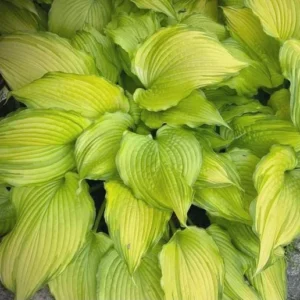

Flower Plants
Dancing Darling Hosta Live Plant – Yellow-Golden Foliage – 1 Gallon Pot – Shade Garden Perennial
Sold 81 products
From $99.80
Sold 70 products
Original price was: $55.98.$27.99Current price is: $27.99.
Sold 96 products
Original price was: $27.90.$16.74Current price is: $16.74.
Sold 96 products
Original price was: $213.58.$128.14Current price is: $128.14.
Sold 100 products
Original price was: $83.80.$41.90Current price is: $41.90.

Sold 58 products
Original price was: $78.00.$39.00Current price is: $39.00.
Sold 55 products
From $56.72
Sold 86 products
Original price was: $79.98.$39.99Current price is: $39.99.
Sold 60 products
Original price was: $512.00.$256.00Current price is: $256.00.
Sold 55 products
Original price was: $37.98.$20.49Current price is: $20.49.
Sold 64 products
Original price was: $38.76.$19.38Current price is: $19.38.


Reviews
There are no reviews yet.