


2 Live Turmeric Plants 4-8 Inches Tall – Curcuma for Indoor & Outdoor Planting
Original price was: $59.98.$29.99Current price is: $29.99.
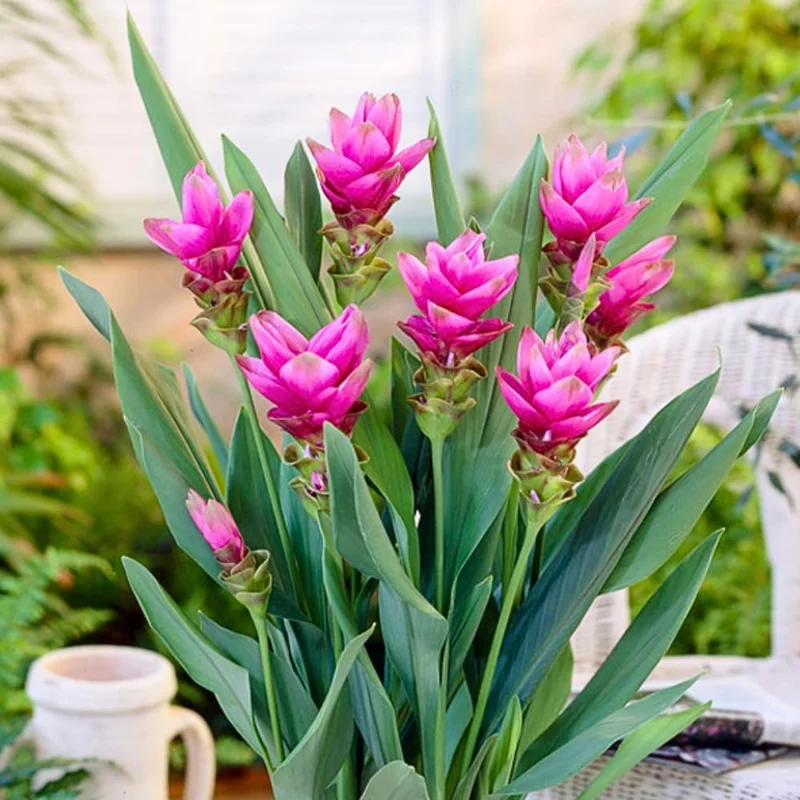
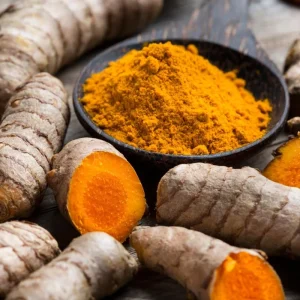
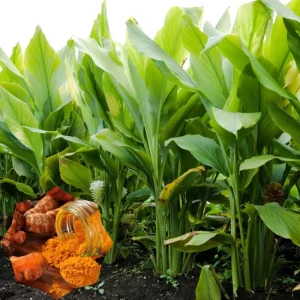
Cultivate your own spice and ornamental beauty with this set of 2 live turmeric plants. Each plant measures 4-8 inches tall, ready for planting indoors or outdoors. Enjoy the vibrant foliage and potential for delicious, homegrown turmeric.
- Ideal for containers or garden beds
- Low maintenance and adaptable
- Thrives in warm climates
-
USDA Hardiness Zone
8-11 -
Soil Type
Well-draining potting mix -
Sunlight Exposure
Full to partial sun -
Expected Planting Period
Year-round indoors or spring to early summer outdoors

You can track your order HERE
Apr 01
Apr 06 - Apr 08
Apr 11 - Apr 15
Shipping and return policies: Our Alive & Thrive Guarantee covers issues with your plants within the first 30 days. Reach out to us. Our team will answer your questions and help you find the plants that are truly suitable for your environment, climate, and personal preferences.

Overview
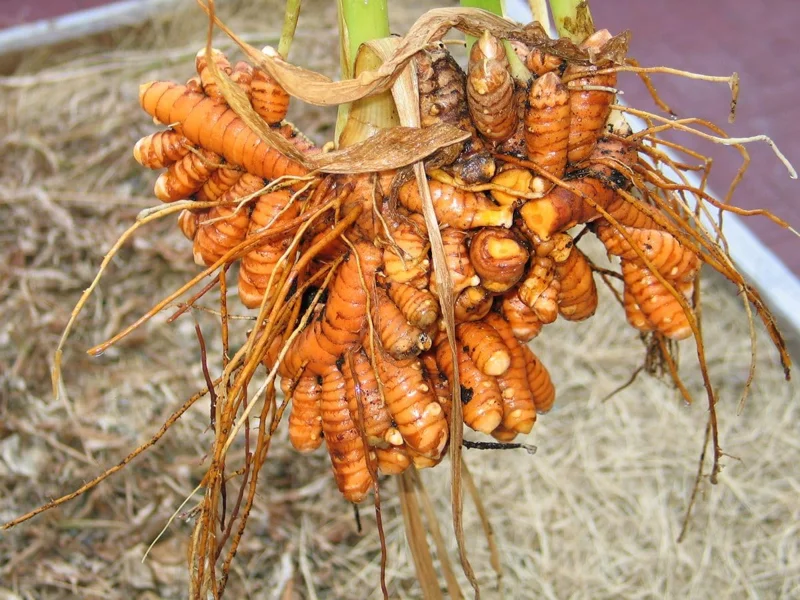
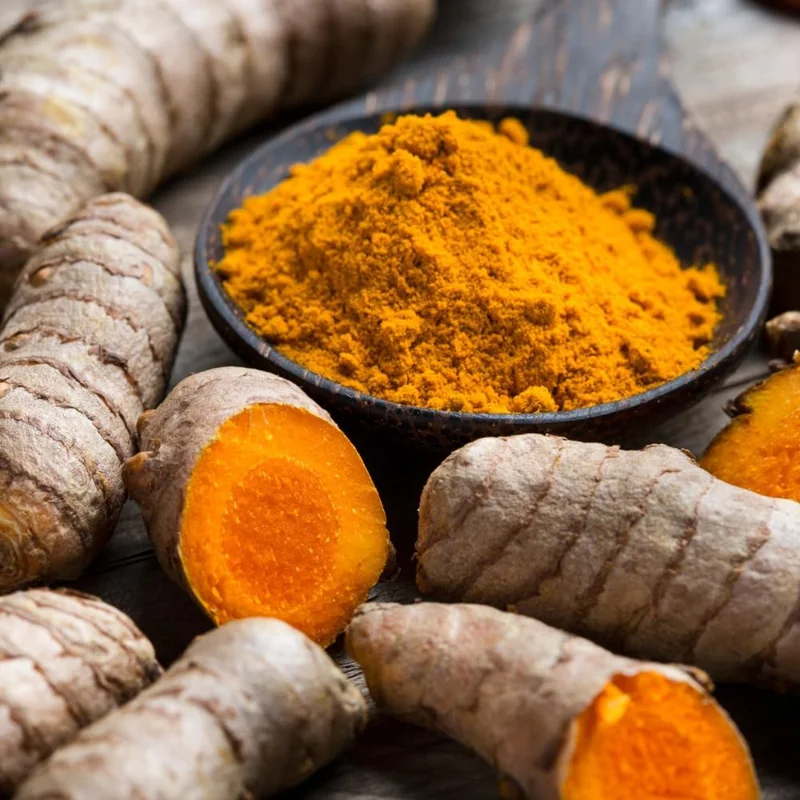
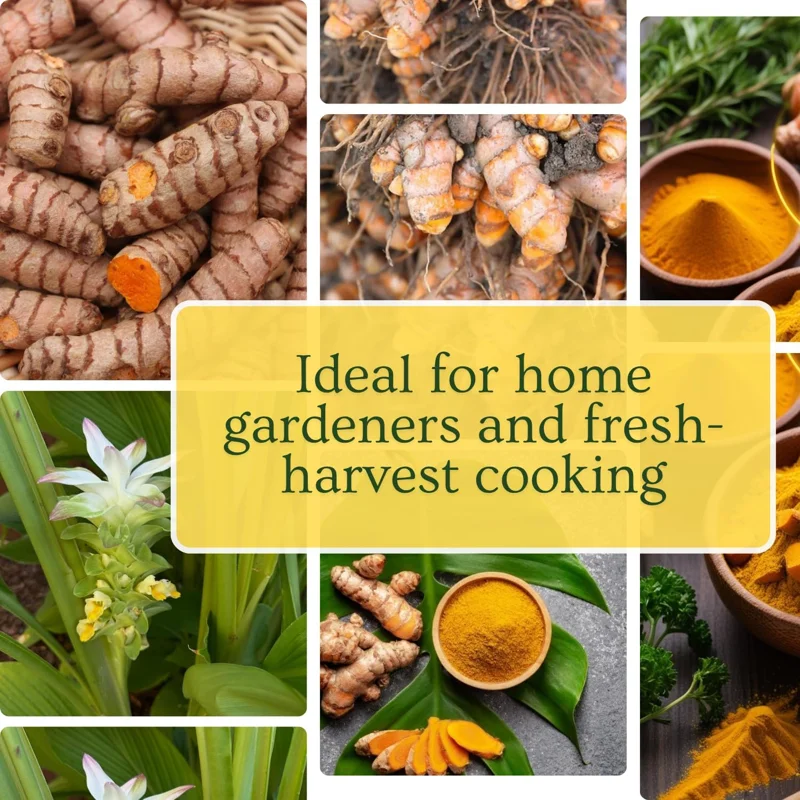
Discover the joy of cultivating your own spices and adding unique ornamental beauty to your home or garden with this offering of turmeric live plant specimens. You will receive two healthy plants, each standing between 4-8 inches tall, ready to be nurtured into mature, productive turmeric rhizomes. Turmeric, scientifically known as Curcuma longa, is a fascinating perennial herb renowned for its vibrant yellow-orange rhizomes, which are widely used as a spice, a natural dye, and in traditional medicine. Beyond its culinary and medicinal applications, the turmeric plant itself is strikingly attractive, featuring lush green foliage and sometimes even delicate, showy flowers, making it a versatile addition to any plant collection. Whether you’re a seasoned gardener or just starting, these live plants provide an excellent opportunity to experience the growth cycle of this incredible spice firsthand, right in your own home or garden.
These turmeric live plant specimens are perfect for those looking to explore sustainable living, enjoy fresh, organic ingredients, or simply adorn their spaces with an exotic touch. The plants are robust and designed to thrive in a variety of settings, from sunny garden beds to bright indoor spots. With proper care, these young plants will grow into substantial turmeric bushes, yielding a generous harvest of golden rhizomes. Embrace the journey of growing your own turmeric and enjoy the satisfaction of harvesting this powerful and beautiful plant.
Key Benefits
Bringing a turmeric live plant into your home or garden offers a multitude of benefits, combining aesthetic appeal with practical utility. These plants are not just beautiful; they are also a gateway to fresh, homegrown turmeric, which is celebrated for its numerous health properties and culinary versatility. Enjoy the lush greenery and the potential for a personal supply of this golden spice.
- Homegrown Spice: Cultivate your own fresh, organic turmeric rhizomes, superior in flavor and potency to store-bought varieties. This allows you to explore the rich taste and health benefits of yellow turmeric benefits directly from your garden.
- Ornamental Appeal: The large, vibrant green leaves create a tropical aesthetic, perfect for adding a lush, exotic touch to patios, indoor spaces, or garden landscapes.
- Air Purification: Like many houseplants, turmeric plants contribute to healthier indoor environments by naturally filtering certain airborne toxins, enhancing the air quality of your living space.
- Low Maintenance: These plants are surprisingly easy to care for, making them suitable for both beginner gardeners and those with busy schedules. Their robust nature means less fuss and more enjoyment.
- Versatile Planting: Ideal for both indoor and outdoor settings, they can thrive in pots, containers, or directly in the ground, offering flexibility in how you choose to grow them.
- Health & Wellness: Fresh turmeric is rich in curcumin, a compound known for its anti-inflammatory and antioxidant properties, supporting overall well-being. Knowing how to grow turmeric ensures a fresh supply of this beneficial root.
- Educational Experience: Growing turmeric from a live plant offers a rewarding educational experience, allowing you to observe its unique growth cycle from foliage to rhizome.
Plant Care & Growing Tips
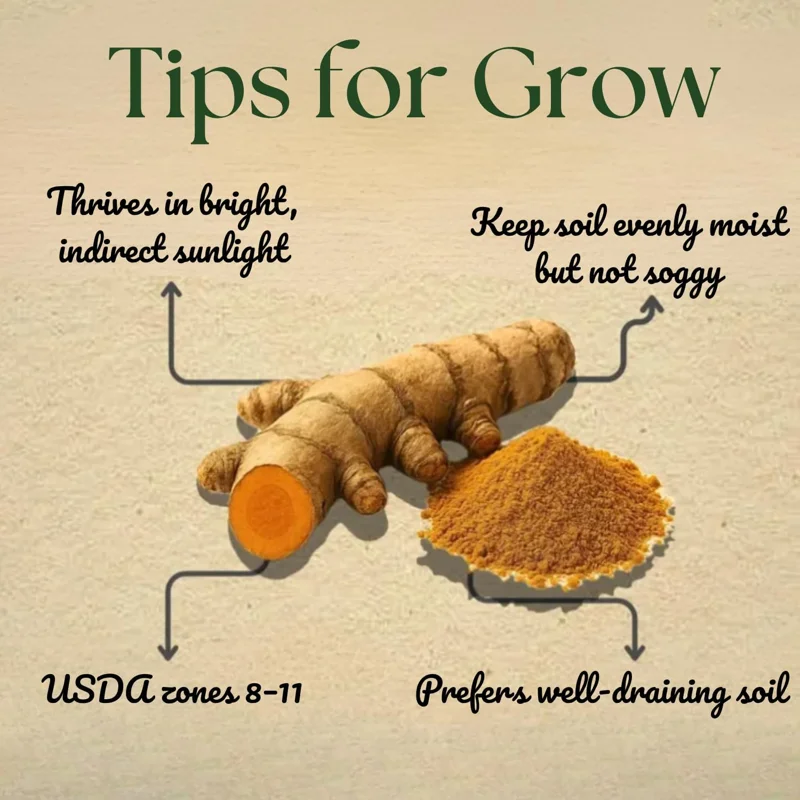
Caring for your turmeric live plant is a rewarding experience, and with a few key considerations, you can ensure a healthy and productive plant. Turmeric thrives in conditions that mimic its native tropical environment. For sunlight, these plants require full to partial sun, ideally receiving at least 6-8 hours of direct sunlight per day when grown outdoors. If growing indoors, place them near a south-facing window where they can get abundant bright, indirect light. Insufficient light can lead to leggy growth and reduced rhizome development. When it comes to watering, consistency is key. Turmeric prefers consistently moist, but not waterlogged, soil. Water thoroughly when the top inch of soil feels dry to the touch, ensuring good drainage. Reduce watering slightly during cooler months when the plant’s growth slows.
The ideal soil for curcuma plant care is a rich, well-draining potting mix. A blend of compost, peat moss, and perlite works well to provide both nutrients and aeration. Ensure your pots or garden beds have adequate drainage holes to prevent root rot. Turmeric is a warm-weather plant, thriving in temperatures between 68-86°F (20-30°C). It is suitable for outdoor planting in USDA Hardiness Zones 8-11. In colder zones, it’s best to grow turmeric in containers that can be brought indoors before the first frost, or treat it as an annual. Fertilize your turmeric plant every 2-4 weeks during the growing season (spring through fall) with a balanced liquid fertilizer, especially one rich in phosphorus and potassium to encourage rhizome production. Watch out for common pests like spider mites or mealybugs; address them promptly with insecticidal soap if observed. Providing these optimal conditions will lead to robust growth and a bountiful harvest, making the process of growing turmeric indoors or out a true success.
Size & Details
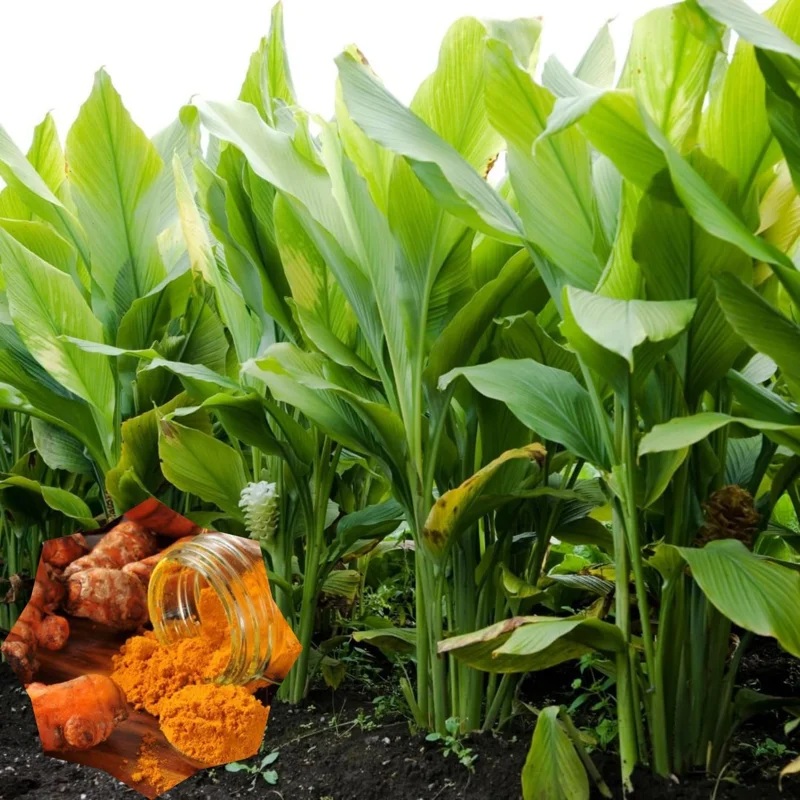
This offering includes two robust turmeric live plant specimens, each carefully nurtured to reach a height of 4-8 inches upon arrival. These young plants are shipped in a nursery pot, ready for immediate transplanting into your desired growing environment, whether it’s a larger container or directly into your garden bed. Turmeric plants are known for their vigorous growth, and with proper care, they can quickly mature into impressive bushes, often reaching 3-4 feet in height and spreading 2-3 feet wide. While the exact time to harvest varies, you can generally expect to begin harvesting rhizomes 8-10 months after planting, once the foliage starts to yellow and die back. These plants are perennial in warm climates but can be grown as annuals or overwintered indoors in cooler regions. Their moderate growth rate means you’ll see steady progress as they develop their lush foliage and begin forming their valuable underground rhizomes. Understanding how to grow turmeric effectively involves providing ample space for its root system to expand, leading to a more substantial harvest.
Frequently Asked Questions
- Q: How big does this plant get? A: Each turmeric live plant will arrive 4-8 inches tall. With proper care, mature plants can grow to be 3-4 feet tall and 2-3 feet wide, producing substantial rhizomes.
- Q: Is this an indoor or outdoor plant? A: Turmeric plants are versatile. They can be grown outdoors in USDA Zones 8-11. In colder climates, they thrive equally well as indoor houseplants, provided they receive sufficient light and warmth, making growing turmeric indoors a popular choice.
- Q: How much sunlight does it need? A: Turmeric plants prefer full to partial sun, needing at least 6-8 hours of direct sunlight daily for optimal growth and rhizome production. Indoor plants should be placed in a very bright location.
- Q: Is this plant easy to care for? A: Yes, turmeric is considered a low-maintenance plant, suitable for beginners. It requires consistent watering, well-draining soil, and warmth, but is generally robust and forgiving. This makes curcuma plant care accessible to many.
- Q: What condition will it arrive in? A: Your turmeric live plant will arrive healthy and securely packaged in a nursery pot, ready for transplanting. We take great care to ensure they reach you in excellent condition.
- Q: Can I use the turmeric in cooking? A: Absolutely! Once your plants mature (typically 8-10 months after planting) and you harvest the rhizomes, they can be used fresh in cooking, just like those you find in a grocery store. This is one of the main yellow turmeric benefits of growing your own.
- Q: How long until it blooms? A: While turmeric is primarily grown for its rhizomes, it can produce beautiful, cone-like flowers. Blooming typically occurs in late summer to early fall, but it’s not guaranteed every year, especially in non-native climates or if energy is focused on rhizome development.
- Q: Will it survive winter in my zone? A: Turmeric is cold-sensitive. In tropical and subtropical zones (USDA 8-11), it can survive winter outdoors. In colder zones, you must either bring potted plants indoors or harvest the rhizomes and replant in spring. Understanding how to grow turmeric through winter is key for perennial success.
| Color | Yellow Turmeric |
|---|
Be the first to review “2 Live Turmeric Plants 4-8 Inches Tall – Curcuma for Indoor & Outdoor Planting”
People Also Viewed
Sold 58 products
Original price was: $47.98.$23.99Current price is: $23.99.
Sold 57 products
Original price was: $147.16.$73.58Current price is: $73.58.
Sold 69 products
Original price was: $36.38.$18.19Current price is: $18.19.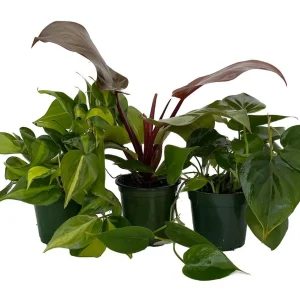
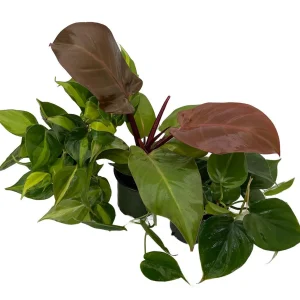
HousePlants
Philodendron Assortment Live Plants – 3 Pack in 4 inch Pots – Tropical Indoor Houseplants
Sold 69 products
Original price was: $127.96.$63.98Current price is: $63.98.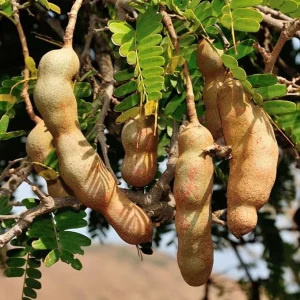
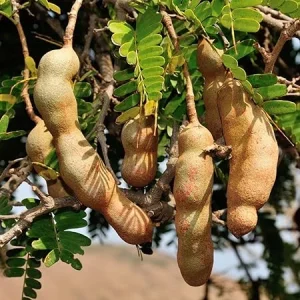
Sold 50 products
Original price was: $155.98.$77.99Current price is: $77.99.
Sold 86 products
Original price was: $64.00.$51.20Current price is: $51.20.
Sold 57 products
Original price was: $319.96.$159.98Current price is: $159.98.

Sold 52 products
Original price was: $47.96.$23.98Current price is: $23.98.
Sold 86 products
Original price was: $36.00.$28.80Current price is: $28.80.
Sold 81 products
Original price was: $35.00.$28.00Current price is: $28.00.
Sold 56 products
Original price was: $112.00.$89.60Current price is: $89.60.
Sold 73 products
Original price was: $111.96.$55.98Current price is: $55.98.
Sold 52 products
Original price was: $28.00.$22.40Current price is: $22.40.
Sold 52 products
Original price was: $47.96.$23.98Current price is: $23.98.
Sold 74 products
Original price was: $32.00.$25.60Current price is: $25.60.
Sold 69 products
Original price was: $18.76.$9.38Current price is: $9.38.
Sold 50 products
Original price was: $56.00.$44.80Current price is: $44.80.
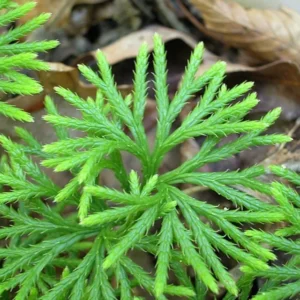
Sold 90 products
Original price was: $59.98.$47.98Current price is: $47.98.



Reviews
There are no reviews yet.