
2 Dwarf Nandina Live Plants, 2.5″ Pot, Compact Heavenly Bamboo Shrub
Original price was: $77.96.$38.98Current price is: $38.98.
Introduce vibrant seasonal color and elegant texture to your outdoor space with this 2-pack of dwarf nandina live plant. Perfect for garden beds, borders, or patio containers, this compact nandina domestica shrub offers year-round visual appeal and requires minimal pruning, making compact nandina care easy for any gardener.
-
USDA Hardiness Zone
USDA Zones 6-10 -
Soil Type
Well-draining soil (clay, sand, or loam) -
Sunlight Exposure
Full sun to partial shade -
Expected Planting Period
Spring or early fall

You can track your order HERE
Mar 03
Mar 08 - Mar 10
Mar 13 - Mar 17
Shipping and return policies: Our Alive & Thrive Guarantee covers issues with your plants within the first 30 days. Reach out to us. Our team will answer your questions and help you find the plants that are truly suitable for your environment, climate, and personal preferences.

Overview
Introduce stunning seasonal color and elegant texture to your outdoor space with this 2-pack of dwarf nandina live plant. Also known as Heavenly Bamboo or Sacred Bamboo (Nandina domestica), this versatile shrub is celebrated for its ever-changing foliage, transitioning from vibrant new growth in spring to fiery red hues in cooler months. While its common name suggests bamboo, it is not actually a bamboo species, but rather a member of the Berberidaceae family, native to eastern Asia. These compact nandinas are an excellent choice for adding a sophisticated touch to garden beds, borders, or even patio containers, offering a refined aesthetic without extensive maintenance. The dwarf nandina live plant is a resilient and beautiful addition for gardeners seeking reliable performance and year-round visual appeal. This nandina domestica shrub provides continuous interest and is a fantastic outdoor nandina for sale.
Each purchase includes two individual dwarf nandina live plant specimens, each carefully grown in a 2.5-inch pot. These rooted cuttings typically stand around 8-12 inches tall upon arrival, ready for planting. Dwarf Nandinas are known for their moderate growth rate, eventually reaching a mature height of approximately 2-4 feet and a similar spread, depending on the specific cultivar and growing conditions. This manageable size makes them an excellent choice for a variety of landscape applications, from creating low borders to adding texture in mixed perennial beds. They are shipped as healthy, actively growing plants, ensuring a strong start in your garden. With proper care, these plants will quickly establish and begin to display their beautiful seasonal foliage, making them a perfect addition to any garden.
Key Benefits
Opting for a dwarf nandina live plant provides numerous advantages for any landscape. These shrubs are not only visually appealing but also remarkably adaptable, making them a favorite among gardeners:
-
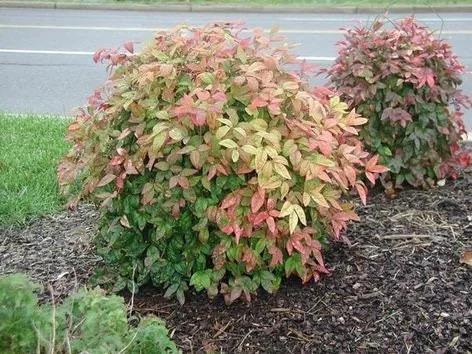
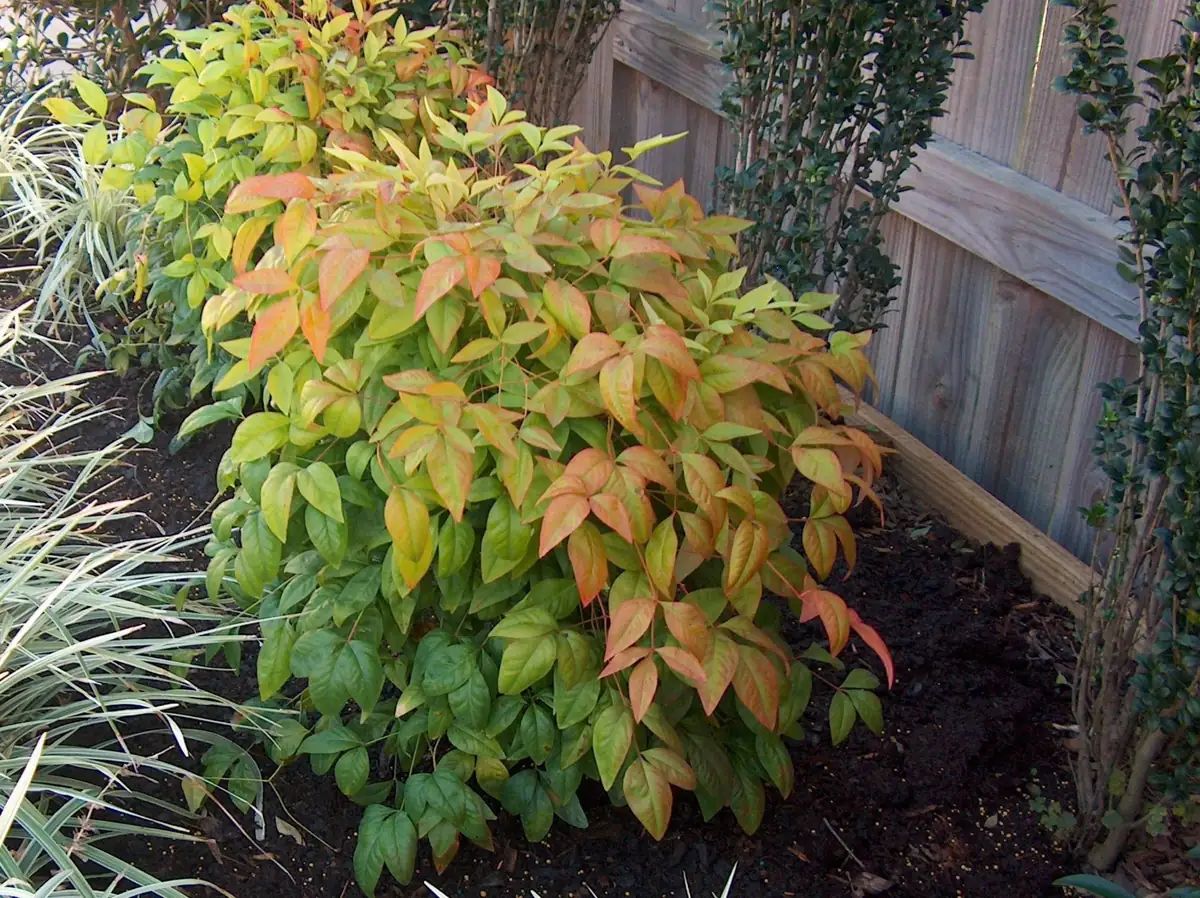
Dynamic Seasonal Color: Enjoy a spectacular display of color throughout the year. New foliage emerges in attractive green shades, often tinged with bronze, while fall and winter bring dramatic bright-red leaves, especially in cooler climates. This continuous color change ensures your garden remains vibrant, providing visual interest through multiple seasons with your dwarf nandina live plant.
-
Compact and Manageable Size: Unlike its larger relatives, the dwarf nandina live plant maintains a smaller, more contained growth habit. This makes it ideal for smaller gardens, urban landscapes, foundation plantings, or as an understory plant, requiring minimal pruning to keep its shape. Its manageable size makes it a perfect nandina domestica shrub for various garden designs.
-
Low Maintenance: This hardy shrub is known for its ease of care. Once established, it is drought-tolerant and generally resistant to pests and diseases, making it a perfect choice for busy gardeners or those new to planting shrubs. Its robust nature means less time spent on upkeep and more time enjoying your garden, simplifying your compact nandina care routine.
-
Versatile Landscaping Use: The nandina domestica shrub can be used in various garden designs. Plant them in mass for a striking groundcover effect, as a low hedge, in mixed borders for textural contrast, or even in decorative pots to accent patios and entryways, providing diverse options for your outdoor space.
-
Year-Round Interest: Beyond its foliage, some varieties of nandina produce small white flowers in spring, followed by clusters of bright red berries that persist through winter, adding another layer of visual appeal. These berries are particularly striking against the winter backdrop, enhancing the charm of your heavenly bamboo plant.
-
Adaptability to Various Conditions: This plant thrives in a wide range of conditions, from full sun to partial shade, and tolerates different soil types as long as they are well-draining. This adaptability makes it a reliable choice for diverse garden environments, making it an excellent outdoor nandina for sale.
Plant Care & Growing Tips
Caring for your dwarf nandina live plant is straightforward, ensuring a healthy and vibrant addition to your garden. These robust shrubs are forgiving, making them suitable for gardeners of all experience levels. For best results, consider the following guidelines.
Sunlight and Location: Dwarf Nandinas perform best in a location that receives full sun to partial shade. In full sun, the foliage color, especially the vibrant red of fall and winter, will be more intense. In hotter climates, some afternoon shade can protect the foliage from scorching. Ensure good air circulation to prevent fungal issues. This heavenly bamboo plant is quite adaptable, but optimal light will maximize its ornamental value.
Watering and Soil: While established plants are drought-tolerant, regular watering is crucial during the first growing season to help them establish a strong root system. Water deeply once or twice a week, or more frequently during hot, dry spells. Allow the top inch or two of soil to dry out between waterings. The dwarf nandina live plant prefers well-draining soil but is not particular about soil type, tolerating clay, sand, or loam. A slightly acidic to neutral pH is ideal. Avoid waterlogged conditions, as this can lead to root rot. Proper soil and watering are key to successful compact nandina care.
Temperature and Hardiness: These plants are hardy in USDA Zones 6-10. They can tolerate a wide range of temperatures, from winter lows to summer highs. In colder zones (Zone 6), some foliage may die back in severe winters, but the plant typically regrows from the base in spring. Mulching around the base can provide extra winter protection. For those looking for an outdoor nandina for sale, understanding your zone is key to success and ensuring proper winter protection.
Fertilization and Pruning: Fertilize your Dwarf Nandina in spring with a balanced, slow-release granular fertilizer formulated for shrubs. Follow the product instructions for application rates. Pruning is generally minimal for these compact varieties. Remove any dead, damaged, or diseased branches as needed. If you wish to maintain a specific shape or size, light shaping can be done in late winter or early spring before new growth appears. Avoid heavy shearing, which can ruin their natural form. Understanding compact nandina care ensures a beautiful, healthy plant and promotes vigorous growth.
Size & Details
Each purchase includes two individual dwarf nandina live plant specimens, each carefully grown in a 2.5-inch pot. These rooted cuttings typically stand around 8-12 inches tall upon arrival, ready for planting. Dwarf Nandinas are known for their moderate growth rate, eventually reaching a mature height of approximately 2-4 feet and a similar spread, depending on the specific cultivar and growing conditions. This manageable size makes them an excellent choice for a variety of landscape applications, from creating low borders to adding texture in mixed perennial beds. They are shipped as healthy, actively growing plants, ensuring a strong start in your garden. With proper care, these plants will quickly establish and begin to display their beautiful seasonal foliage, making them a perfect addition to any garden.
Frequently Asked Questions
-
Q: How big does a dwarf nandina live plant typically grow?
A: Dwarf Nandinas usually reach a mature height of about 2-4 feet and a similar spread. Their compact size makes them ideal for smaller garden spaces or container planting without becoming overgrown, offering a neat and tidy appearance. This makes them a great nandina domestica shrub for many landscaping needs. -
Q: What is the best sunlight exposure for this nandina domestica shrub?
A: These shrubs thrive in full sun to partial shade. For the most vibrant fall and winter foliage color, a location with plenty of sunlight is recommended. In very hot climates, some afternoon shade can be beneficial to prevent leaf scorch, ensuring your dwarf nandina live plant remains healthy. -
Q: Is this plant easy to care for, especially for beginners?
A: Yes, Dwarf Nandinas are known for being very low-maintenance plants. They are drought-tolerant once established and generally resistant to pests and diseases, making them an excellent choice for novice gardeners or those seeking easy-care shrubs. This makes compact nandina care straightforward. -
Q: What USDA Hardiness Zones are suitable for the heavenly bamboo plant?
A: This plant is hardy in USDA Zones 6-10. It can withstand a good range of temperatures, making it a versatile choice for many different climates across the US, provided appropriate care is given in extreme conditions. This makes it a reliable outdoor nandina for sale. -
Q: What condition will the plants arrive in when I order an outdoor nandina for sale?
A: You will receive two healthy, actively growing rooted cuttings, each in a 2.5-inch pot. They will be carefully packaged to ensure they arrive in excellent condition, ready for planting in your garden, and prepared for successful establishment as a dwarf nandina live plant. -
Q: What kind of soil does the dwarf nandina live plant prefer?
A: Dwarf Nandinas are not overly fussy about soil type but require well-draining soil. They can tolerate sandy, loamy, or clay soils as long as water does not stand for extended periods, which can lead to root issues. Proper drainage is key for optimal growth. -
Q: Do these plants produce berries? Are they safe?
A: Some varieties of Nandina domestica produce bright red berries. While visually appealing, it’s important to note that these berries are toxic to birds, especially when other food sources are scarce in late winter. It’s advisable to plant them where birds are unlikely to consume them. -
Q: When is the best time to plant a dwarf nandina live plant?
A: Spring or early fall are generally the best times to plant to allow the roots to establish before extreme summer heat or winter cold. However, with proper care, they can be planted any time the ground is not frozen, ensuring a good start for your new plants. -
Q: How tall are the plants upon arrival?
A: The plants typically stand around 8-12 inches tall when they arrive, ready for you to transplant them into your garden or larger containers. -
Q: Can these be grown in containers?
A: Yes, their compact size makes them excellent candidates for container planting, allowing you to easily move them and add dynamic color to patios, balconies, or entryways. This makes them a versatile heavenly bamboo plant for various settings.
Be the first to review “2 Dwarf Nandina Live Plants, 2.5″ Pot, Compact Heavenly Bamboo Shrub”
People Also Viewed
Sold 83 products
Original price was: $47.96.$23.98Current price is: $23.98.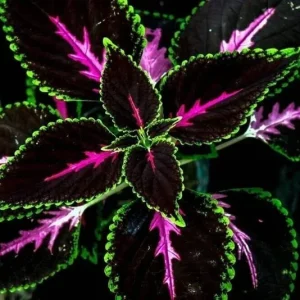

Flower Seeds
20 Tri-Color Coleus Seeds – Pink, Black & Green Foliage – Easy Grow Ornamental Perennial
Sold 72 products
Original price was: $14.76.$7.38Current price is: $7.38.
Sold 72 products
Original price was: $67.96.$33.98Current price is: $33.98.
Sold 98 products
Original price was: $115.80.$57.90Current price is: $57.90.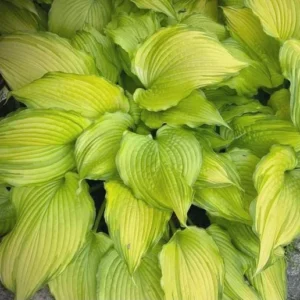
Flower Plants
Dancing Darling Hosta Live Plant – Yellow-Golden Foliage – 1 Gallon Pot – Shade Garden Perennial
Sold 89 products
From $99.80
Sold 99 products
Original price was: $112.00.$89.60Current price is: $89.60.
Sold 62 products
Original price was: $120.00.$60.00Current price is: $60.00.
Sold 94 products
Original price was: $59.98.$29.99Current price is: $29.99.
Sold 54 products
From $79.80
Sold 70 products
Original price was: $154.36.$77.18Current price is: $77.18.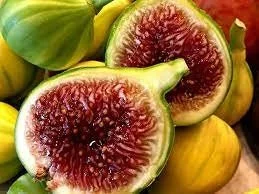
Trees
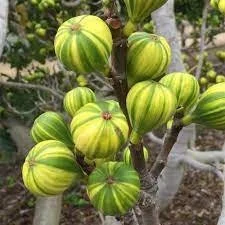
Panache Tiger Fig Tree Live Plant – 2 to 3 Feet Tall – Ships in 3 Gallon Pot – Outdoor Fruit Tree
Sold 61 products
Original price was: $319.96.$159.98Current price is: $159.98.
Sold 98 products
Original price was: $99.96.$49.98Current price is: $49.98.
Sold 89 products
Original price was: $38.00.$30.40Current price is: $30.40.
Sold 71 products
Original price was: $47.98.$23.99Current price is: $23.99.
Sold 57 products
Original price was: $18.76.$9.38Current price is: $9.38.
Sold 68 products
Original price was: $23.98.$16.78Current price is: $16.78.
Sold 65 products
Original price was: $95.96.$47.98Current price is: $47.98.
Sold 89 products
Original price was: $147.16.$73.58Current price is: $73.58.



Reviews
There are no reviews yet.