






2 Broadleaf Milkweed Live Plants – Asclepias Syriaca Starter, 4-6″ Tall, Outdoor
Original price was: $89.56.$44.78Current price is: $44.78.
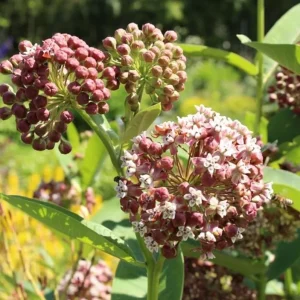
Introduce two healthy broadleaf milkweed live plant starters to your garden. These 4-6 inch asclepias syriaca starter plants are vital for monarch butterflies and attract diverse pollinators, making them an excellent pollinator garden plant for ecological support.
-
USDA Hardiness Zone
USDA Zones 3-9 -
Soil Type
Moist, well-draining soil -
Sunlight Exposure
Full sun to partial shade -
Expected Planting Period
Spring or early fall

You can track your order HERE
Feb 28
Mar 05 - Mar 07
Mar 10 - Mar 14
Shipping and return policies: Our Alive & Thrive Guarantee covers issues with your plants within the first 30 days. Reach out to us. Our team will answer your questions and help you find the plants that are truly suitable for your environment, climate, and personal preferences.

Overview
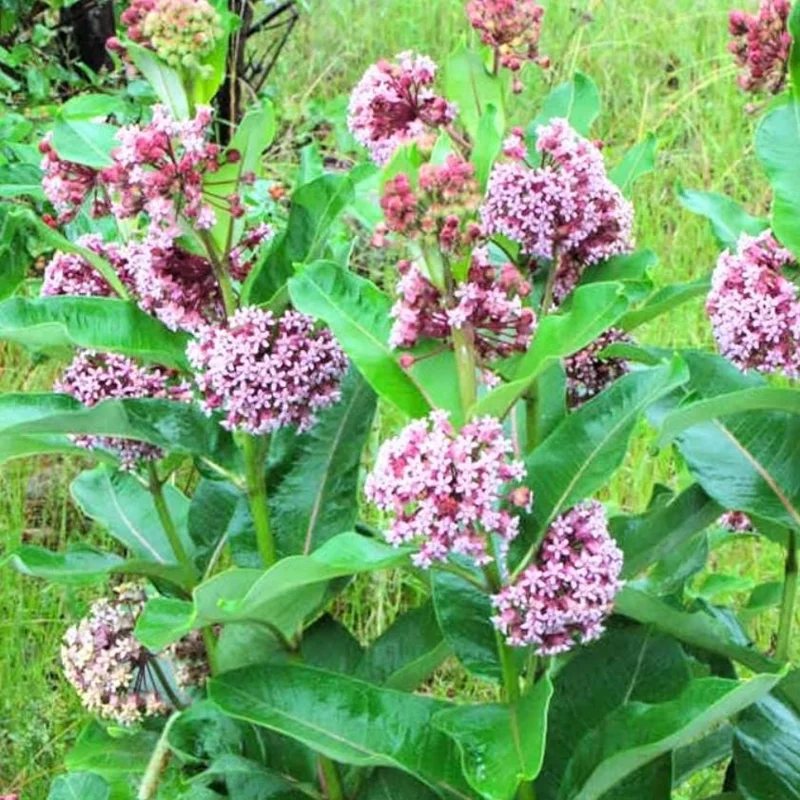
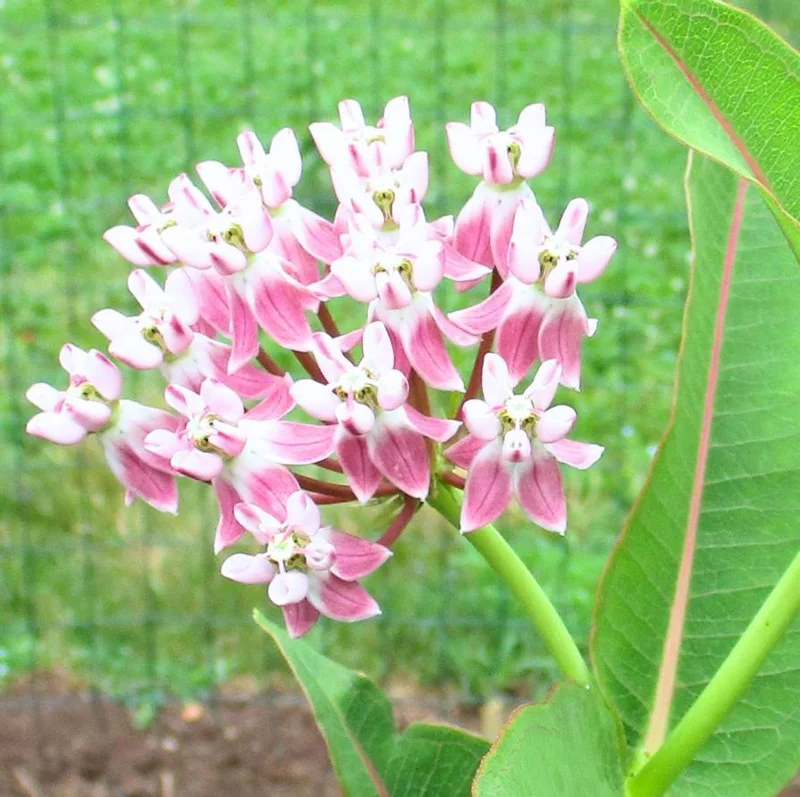
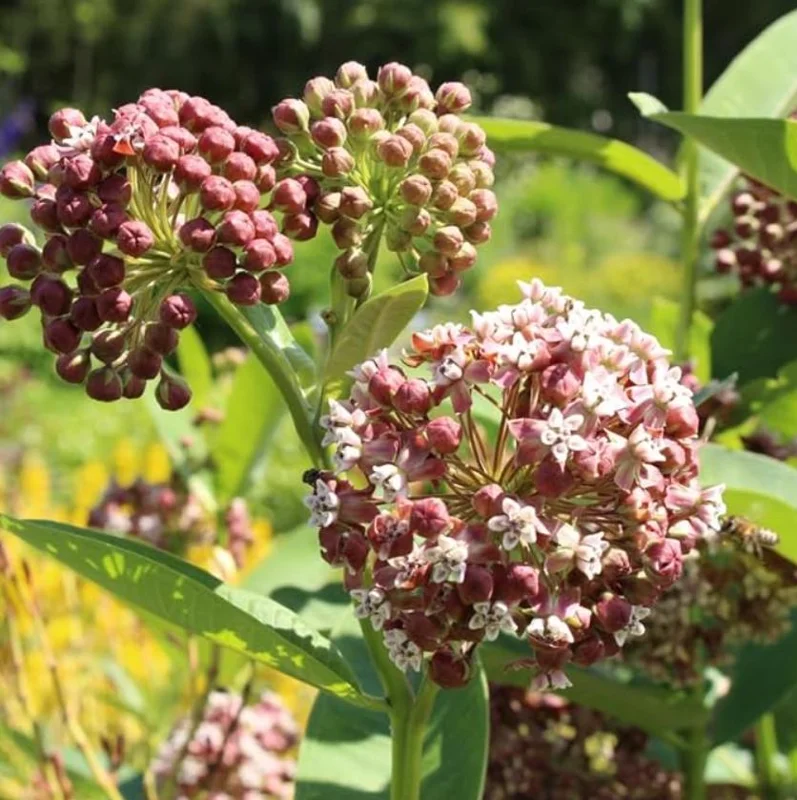
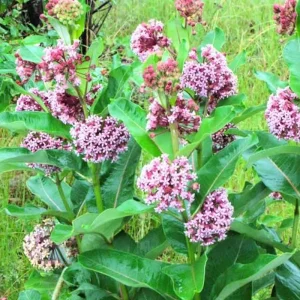
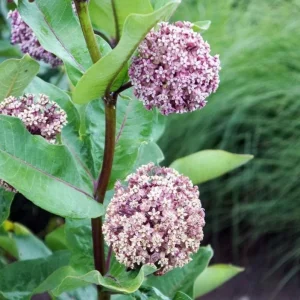
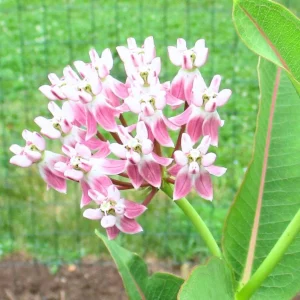
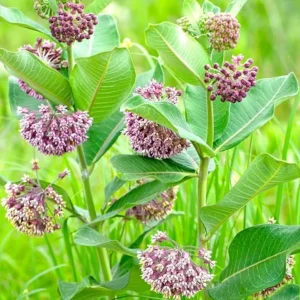
Introduce a vital ecological component to your garden with our two broadleaf milkweed live plant (Asclepias syriaca) starter plants. Each plant measures approximately 4-6 inches tall and is ready to thrive in your outdoor environment. The broadleaf milkweed live plant is a fast-growing perennial native to North America, widely recognized for its crucial role in sustaining monarch butterfly populations. This beautiful and ecologically significant plant features broad green leaves and, later in the season, clusters of fragrant, pale pink flowers. It’s an indispensable addition for anyone looking to create a thriving pollinator habitat and support local ecosystems. Our asclepias syriaca starter plants are carefully prepared for easy planting, ensuring a smooth transition into your garden.
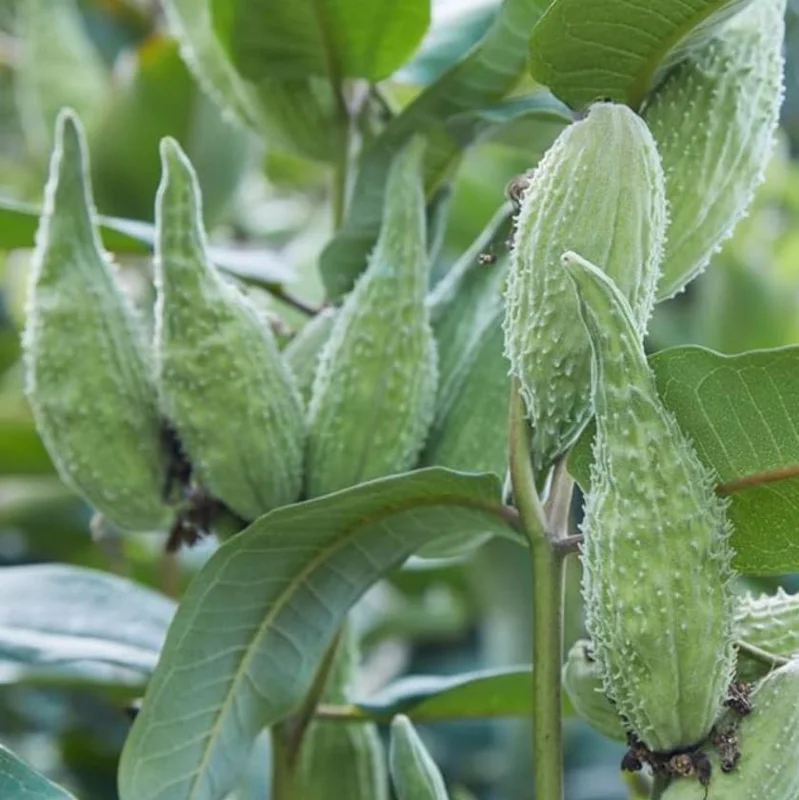
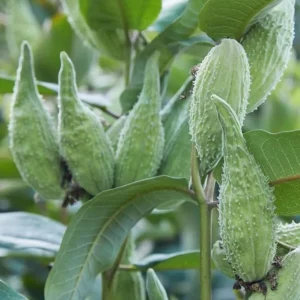
Known by its scientific name, Asclepias syriaca, this species is a cornerstone for any pollinator garden plant. Its robust nature and attractive appearance make it a favorite among gardeners and conservationists alike. These starter plants provide a convenient way to establish a healthy patch of native milkweed, contributing directly to the survival of monarch butterflies by providing essential food for their caterpillars. Cultivating native milkweed in your yard helps restore natural habitats and promote biodiversity.
Key Benefits
Adding a broadleaf milkweed live plant to your garden offers a multitude of benefits, from ecological support to aesthetic appeal. These plants are easy to care for and provide significant value to the environment, making them an excellent choice for any gardener.
- Essential Monarch Host: The primary benefit of the broadleaf milkweed live plant is its role as the sole food source for monarch butterfly caterpillars, making it a critical component for their life cycle and survival. This makes it an invaluable monarch butterfly plant.
- Attracts Diverse Pollinators: Beyond monarchs, the fragrant pink flowers of Asclepias syriaca attract a wide array of other pollinators, including bees and various butterfly species, enhancing your garden’s biodiversity. This makes it an excellent pollinator garden plant.
- Hardy and Low-Maintenance: This native perennial is incredibly resilient, tolerating a range of soil and light conditions. Once established, it requires minimal care, making it ideal for busy gardeners seeking a reliable plant.
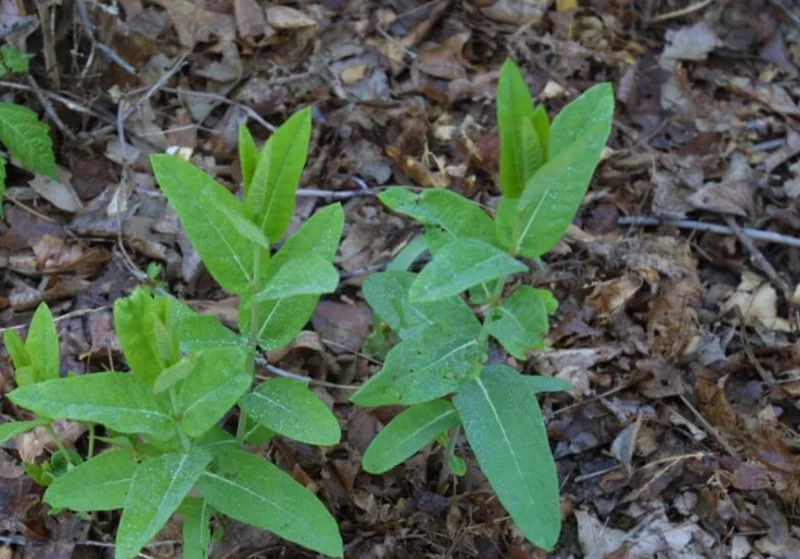
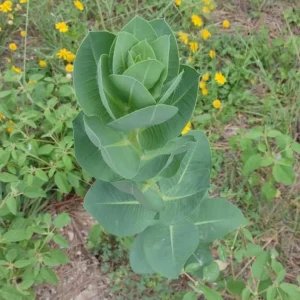
- Vibrant Green Foliage: Even before flowering, the broad, lush green leaves of the asclepias syriaca starter provide attractive texture and color to your garden landscape, offering visual interest throughout the growing season.
- Native and Adaptable: As a North American native species, it is well-adapted to local climates and ecosystems, promoting a healthier, more balanced garden environment. This is a true native milkweed variety.
- Ecological Restoration: Planting native milkweed helps restore crucial habitats and food sources that have been diminished, contributing to broader conservation efforts for pollinators and local wildlife.
- Promotes Biodiversity: By attracting various insects and birds, the pollinator garden plant helps create a more dynamic and thriving ecosystem in your backyard, enriching the natural world around you.
Plant Care & Growing Tips
Caring for your broadleaf milkweed live plant is straightforward, as it is a hardy and adaptable species. These plants thrive in a variety of conditions, making them suitable for many garden settings. They prefer full sun to partial shade, meaning they need at least 6 hours of direct sunlight daily for optimal growth and flowering, though they can tolerate some afternoon shade in hotter climates. Ensure your chosen site has moist, well-drained soil. While adaptable, good drainage is key to preventing root rot, especially in wetter conditions. This makes the asclepias syriaca starter a robust choice for varied environments.
Watering should be consistent, particularly during dry periods and as the plants establish. Aim to keep the soil consistently moist but not waterlogged. Once mature, the broadleaf milkweed live plant shows good drought tolerance. These plants grow vigorously in USDA Hardiness Zones 3 through 9, making them suitable for a vast majority of the United States. No significant fertilization is typically required, especially if planted in reasonably fertile soil. However, a light application of a balanced, slow-release fertilizer in spring can encourage more robust growth. Cut back dead stems in late fall or early spring to promote healthy new growth and maintain plant vigor. Avoid using herbicides and pesticides, as these can harm the very pollinators you are trying to attract with your monarch butterfly plant. Regular monitoring for pests is recommended, but generally, this native milkweed is quite resilient.
Size & Details
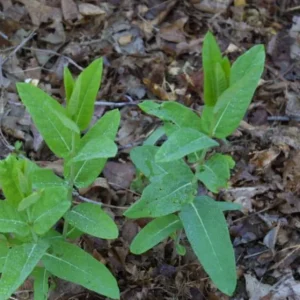
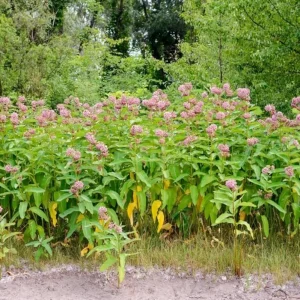
This offering includes two vigorous asclepias syriaca starter plants, each measuring approximately 4-6 inches in height. These young plants are shipped with healthy soil-wrapped root balls, ensuring they are ready for successful transplanting directly into your garden. Mature broadleaf milkweed live plant typically reaches a height of 3-5 feet with a similar spread, forming a substantial clump of foliage. The broad, lush green leaves provide excellent ground cover and habitat. While these starter plants do not include flowers, mature plants will produce clusters of fragrant pink flowers in the summer months, which are crucial for attracting pollinators. These plants are known for their fast growth rate once established, quickly becoming a prominent feature in your pollinator garden plant. Expect first blooms within one to two growing seasons, depending on planting time and conditions.
Frequently Asked Questions
- Q: How tall will my broadleaf milkweed live plant grow? A: Your broadleaf milkweed live plant typically reaches a mature height of 3-5 feet. These starter plants are 4-6 inches tall upon arrival and will grow quickly once established in your garden.
- Q: Is this an indoor or outdoor plant? A: Broadleaf Milkweed (Asclepias syriaca) is an outdoor perennial plant. It is best suited for garden beds, naturalized areas, or large containers outdoors where it can establish and support pollinators. It is a vital monarch butterfly plant.
- Q: How much sunlight does this plant need? A: This monarch butterfly plant thrives in full sun to partial shade, ideally receiving at least 6 hours of direct sunlight per day. It will tolerate some afternoon shade, especially in hotter climates.
- Q: Is this plant easy to care for? A: Yes, the broadleaf milkweed live plant is considered a low-maintenance and hardy perennial. Once established, it requires minimal care, making it an excellent choice for beginner gardeners and those looking for an easy-to-grow pollinator garden plant.
- Q: What condition will the plants arrive in? A: Your order includes two healthy asclepias syriaca starter plants, shipped with healthy soil-wrapped root balls to ensure successful transplanting. They are ready to plant upon arrival.
- Q: When is the best time to plant broadleaf milkweed? A: The best time to plant native milkweed is in spring after the last frost or in early fall. This allows the plants to establish their root systems before extreme temperatures.
- Q: Will it survive winter in my zone? A: Broadleaf milkweed live plant is hardy in USDA Zones 3 through 9, meaning it will typically survive winter in these regions and return in the spring. It is a perennial that can withstand cold temperatures.
- Q: What type of soil does broadleaf milkweed prefer? A: This plant prefers moist, well-drained soil. It is adaptable to various soil types but good drainage is crucial to prevent waterlogging.
- Q: What are the ecological benefits of planting broadleaf milkweed? A: Planting broadleaf milkweed live plant is vital for supporting monarch butterflies, as it is the only plant their caterpillars eat. It also attracts a wide range of other pollinators, promoting biodiversity in your garden. This makes it an essential pollinator garden plant.
- Q: Do these starter plants come with flowers? A: No, these are young asclepias syriaca starter plants that are 4-6 inches tall. They will develop their characteristic fragrant pink flowers in the summer once they reach maturity, typically in their first or second growing season.
Be the first to review “2 Broadleaf Milkweed Live Plants – Asclepias Syriaca Starter, 4-6″ Tall, Outdoor”
People Also Viewed
Sold 70 products
From $67.96
Sold 63 products
Original price was: $59.90.$35.94Current price is: $35.94.

Sold 53 products
Original price was: $95.96.$47.98Current price is: $47.98.
Sold 77 products
$50.58
Sold 71 products
Original price was: $40.00.$32.00Current price is: $32.00.
Sold 67 products
From $12.90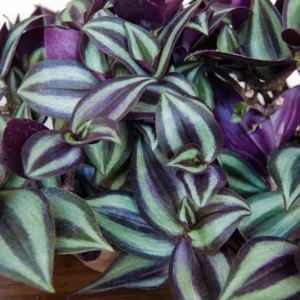
HousePlants
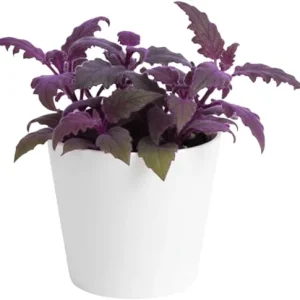
Purple Wandering Jew Live Plant, Tradescantia Zebrina, 4 Inch Pot, Indoor Trailing Houseplant
Sold 76 products
From $43.80
Sold 64 products
Original price was: $260.00.$130.00Current price is: $130.00.
Sold 57 products
Original price was: $62.42.$37.46Current price is: $37.46.

Sold 70 products
Original price was: $14.76.$7.38Current price is: $7.38.
Sold 98 products
Original price was: $36.08.$21.64Current price is: $21.64.
HousePlants
String of Turtles Peperomia Prostrata Live Plant – 5 inch Hanging Basket – Indoor Houseplant
Sold 79 products
Original price was: $95.96.$47.98Current price is: $47.98.
Sold 70 products
Original price was: $120.00.$60.00Current price is: $60.00.
Sold 85 products
Original price was: $57.98.$28.99Current price is: $28.99.

Sold 82 products
Original price was: $57.98.$28.99Current price is: $28.99.
HousePlants
Sold 96 products
Original price was: $43.98.$21.99Current price is: $21.99.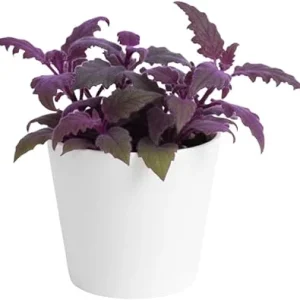
Sold 99 products
$50.56
HousePlants
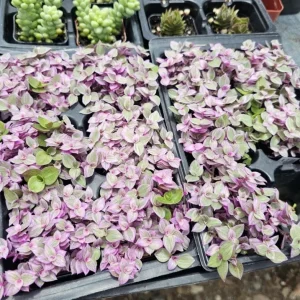
Tradescantia Pink Paradise Live Plant – 4″ Pot Starter – Variegated Inch Plant Indoor Houseplant
Sold 95 products
Original price was: $67.48.$33.74Current price is: $33.74.



Reviews
There are no reviews yet.