
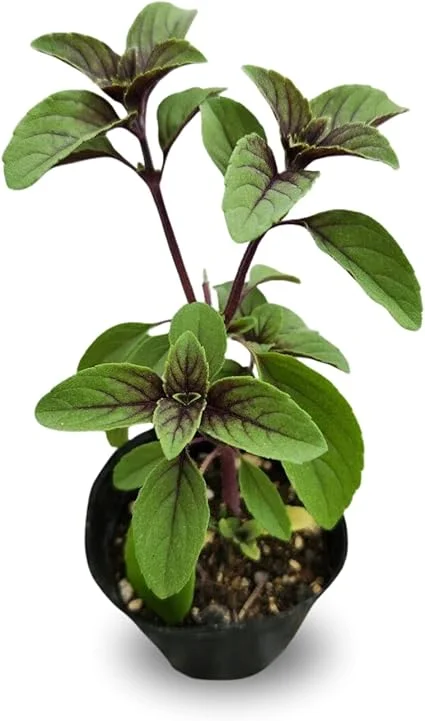
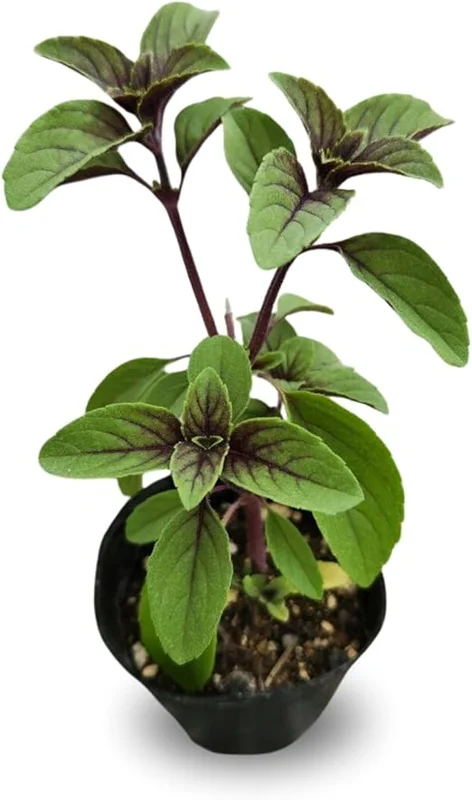
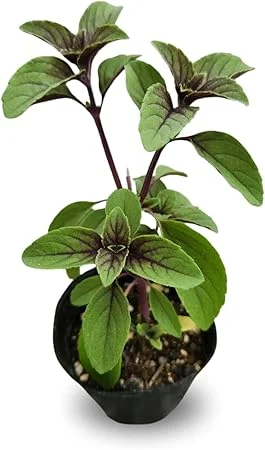
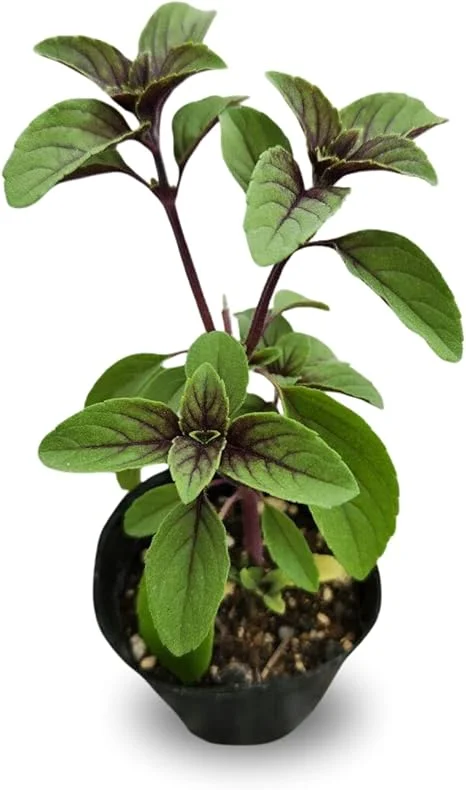
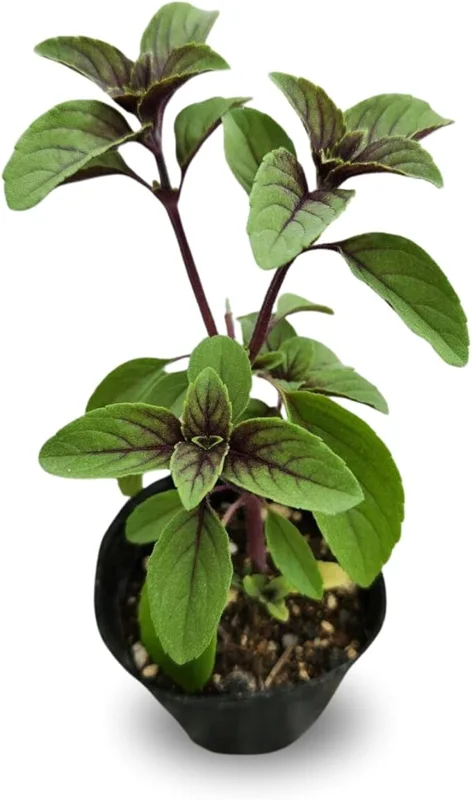
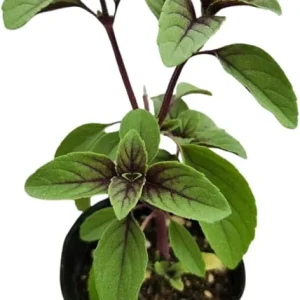
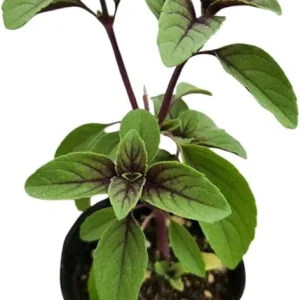
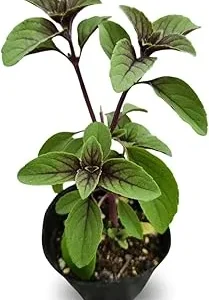
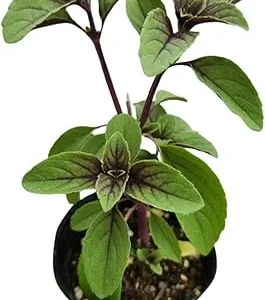
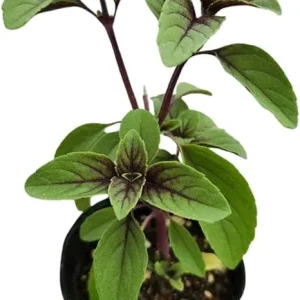
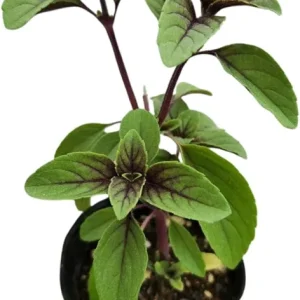
2 Blue African Basil Live Plants, Fragrant Herb, 4 to 6 Inches Long, Outdoor
$43.32
Cultivate your garden with this set of 2 Blue African Basil live plant specimens. Known for their vibrant color and aromatic leaves, these fragrant herb plant are perfect for adding beauty and flavor to your outdoor space. They are fast growing basil, reaching 4 to 6 inches in length, and thrive in full sun.
-
USDA Hardiness Zone
6-9 -
Soil Type
Well-draining, rich soil -
Sunlight Exposure
Full Sun -
Expected Planting Period
Spring to early summer

You can track your order HERE
Feb 13
Feb 18 - Feb 20
Feb 23 - Feb 27
Shipping and return policies: Our Alive & Thrive Guarantee covers issues with your plants within the first 30 days. Reach out to us. Our team will answer your questions and help you find the plants that are truly suitable for your environment, climate, and personal preferences.

Overview
Bring the vibrant beauty and aromatic charm of the Mediterranean to your garden with this exquisite set of blue african basil live plant specimens. Each order includes two healthy, thriving plants, ready to be transplanted and enjoyed. African Basil, specifically the ‘Blue African’ variety, is a stunning and robust herb known for its striking purple-blue flowers and highly fragrant, variegated leaves. Unlike common sweet basil, this hybrid variety (a cross between Ocimum basilicum ‘Dark Opal’ and Ocimum kilimandscharicum) boasts exceptional vigor and a unique, slightly camphor-like scent with hints of mint and clove, making it a versatile addition to both culinary creations and ornamental displays. These blue african basil live plant are not just beautiful; they are also incredibly resilient and easy to grow, making them a favorite among gardeners of all skill levels. They are perfect for attracting pollinators and adding a touch of exotic elegance to any outdoor setting.
Key Benefits
Discover the numerous advantages of incorporating blue african basil live plant into your home or garden. These plants offer a delightful combination of aesthetic appeal, culinary versatility, and beneficial properties that make them a standout choice.
- Exceptional Fragrance: Enjoy the strong, unique aroma of these plants, a delightful blend of basil, mint, and camphor, perfect for enhancing your garden’s ambiance and culinary dishes.
- Vibrant Ornamental Value: With their beautiful purple-blue flower spikes and often purple-tinged leaves, these basil plants add a striking visual element to herb gardens, borders, or container arrangements.
- Culinary Versatility: The leaves, while distinct from sweet basil, can be used in teas, vinegars, and pestos, offering a unique flavor profile to adventurous cooks. This fragrant herb plant is a must-have for culinary enthusiasts.
- Attracts Pollinators: The abundant flowers are a magnet for bees, butterflies, and other beneficial pollinators, contributing to the health and biodiversity of your garden ecosystem.
- Pest Repellent Qualities: The strong scent of African Basil can help deter some common garden pests, acting as a natural companion plant for other vegetables and herbs.
- Fast Growing & Productive: Known for its vigorous growth, this fast growing basil provides a continuous supply of fresh leaves and flowers throughout the growing season, ensuring a bountiful harvest.
- Drought Tolerance: Once established, african basil care is relatively low maintenance, as it exhibits good drought tolerance, making it suitable for various climates and busy gardeners.
Plant Care & Growing Tips
Proper african basil care is straightforward, ensuring your plants thrive and provide abundant foliage and flowers. These plants are generally robust and forgiving, making them an excellent choice for both novice and experienced gardeners. To ensure your blue african basil live plant flourishes, understanding its basic needs is key.
Sunlight Requirements: Blue African Basil thrives in full sun, requiring at least 6-8 hours of direct sunlight per day to produce the most vigorous growth and intense fragrance. In extremely hot climates, some afternoon shade can be beneficial to prevent leaf scorch, but generally, the more sun, the better. When growing as an outdoor basil plant, choose a location that receives ample morning and early afternoon sun.
Watering Schedule: These plants prefer consistently moist, but not waterlogged, soil. Water deeply when the top inch of soil feels dry to the touch. Avoid overhead watering, which can encourage fungal diseases; instead, water at the base of the plant. Good drainage is crucial to prevent root rot. During hot, dry periods, you may need to water daily.
Soil Type and Drainage: Blue African Basil prefers rich, well-draining soil with a pH between 6.0 and 7.0. Amend heavy clay soils with organic matter like compost or aged manure to improve drainage and fertility. For container planting, use a high-quality potting mix that drains well. Proper drainage is essential for healthy root development.
Temperature and USDA Hardiness Zone: This plant is typically grown as an annual in most climates, though it can be perennial in USDA Hardiness Zones 6-9. It prefers warm temperatures and is sensitive to frost. Protect plants from temperatures below 50°F (10°C). If you live in a colder zone, consider growing it in pots and bringing it indoors for winter, or replanting annually.
Fertilization: While not a heavy feeder, African Basil benefits from regular fertilization, especially if grown in containers. Use a balanced liquid fertilizer every 2-4 weeks during the active growing season (spring and summer). For in-ground plants, incorporate compost into the soil at planting time and side-dress with more compost mid-season. Avoid over-fertilizing with nitrogen, which can promote leafy growth at the expense of flowers and essential oils.
Pruning: Regular pinching and harvesting are essential for encouraging bushy growth and preventing the plant from becoming leggy. Pinch off flower buds as they appear if you want to promote leaf production. If you allow the plant to flower, it will attract pollinators, but leaf production may slow. This fast growing basil responds well to pruning, so don’t be afraid to harvest frequently.
Size & Details
This offering includes two vigorous blue african basil live plant specimens, each approximately 4 to 6 inches long upon arrival, measured from the soil line. They are shipped as live, rooted plants, ready for immediate transplanting into your garden or preferred containers. With proper care, these plants will quickly establish and grow much larger, often reaching 2-3 feet in height and width within a single growing season when planted as an outdoor basil plant. They are known for their strong, upright growth habit and will develop multiple branches, leading to a full and bushy appearance. Their growth rate is considered fast, allowing you to enjoy a bountiful harvest of fragrant leaves throughout the warmer months. These plants are carefully packaged to ensure they arrive healthy and ready to thrive in their new home, providing you with a continuous supply of this unique herb.
Frequently Asked Questions
- Q: How big does this plant get? A: A blue african basil live plant can typically grow to a height and width of 2-3 feet in a single growing season when given optimal conditions. Regular harvesting and pinching can help maintain a more compact size.
- Q: What size pot does it come in? A: The plants are typically shipped in small nursery pots, approximately 2-4 inches in diameter, ensuring the root ball is intact and healthy for transplanting.
- Q: Is this an indoor or outdoor plant? A: While it can be grown indoors in a very sunny window, the blue african basil live plant thrives best as an outdoor basil plant, especially in full sun. It can be brought indoors in colder climates during winter.
- Q: How much sunlight does it need? A: For best growth and fragrance, Blue African Basil requires at least 6-8 hours of direct sunlight per day. It loves bright, sunny locations.
- Q: Is this plant easy to care for? A: Yes, african basil care is considered relatively easy. It’s a robust and forgiving herb, making it suitable for gardeners of all experience levels, especially if its basic needs for sun and water are met.
- Q: What condition will it arrive in? A: Your fragrant herb plant will arrive as a healthy, live rooted plant, carefully packaged to minimize stress during transit, ready for immediate planting.
- Q: Can I use Blue African Basil in cooking? A: Absolutely! While its flavor is distinct from sweet basil (with notes of mint and camphor), it’s excellent in teas, infused vinegars, pestos, and can add a unique twist to various dishes.
- Q: When is the best time to plant? A: The best time to plant Blue African Basil outdoors is after all danger of frost has passed in spring, when soil temperatures have warmed up.
- Q: Will it survive winter in my zone? A: Blue African Basil is perennial in USDA Hardiness Zones 6-9. In colder zones, it is typically grown as an annual or overwintered indoors in a pot.
- Q: Is it good for beginners? A: Yes, due to its vigorous nature and relatively simple requirements for african basil care, it is an excellent choice for beginner gardeners looking to grow a unique and rewarding herb.
Be the first to review “2 Blue African Basil Live Plants, Fragrant Herb, 4 to 6 Inches Long, Outdoor”
People Also Viewed
Sold 71 products
From $79.80
Sold 70 products
Original price was: $39.99.$24.99Current price is: $24.99.
Sold 98 products
$65.76
Sold 72 products
Original price was: $39.99.$19.99Current price is: $19.99.
Sold 50 products
$43.76
Sold 58 products
From $51.80

Sold 50 products
Original price was: $34.00.$27.20Current price is: $27.20.
Sold 85 products
Original price was: $45.98.$22.99Current price is: $22.99.
Sold 93 products
Original price was: $39.98.$19.99Current price is: $19.99.
Sold 68 products
$63.78
Sold 57 products
$63.56
Sold 59 products
$41.12
Sold 65 products
Original price was: $79.08.$39.54Current price is: $39.54.
Sold 51 products
Original price was: $173.98.$139.18Current price is: $139.18.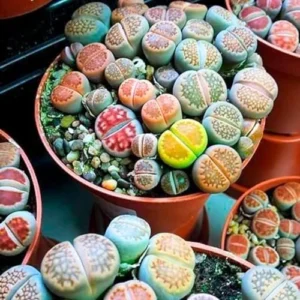
HousePlants
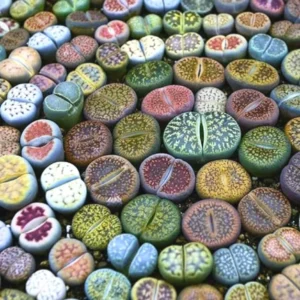
Lithops Live Plants Mix – 30 Colorful Succulents – Living Stones for Indoor/Outdoor Planting
Sold 89 products
Original price was: $65.98.$32.99Current price is: $32.99.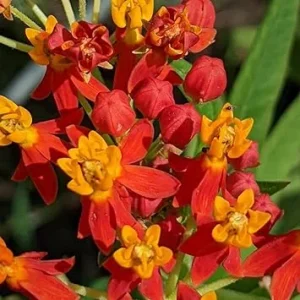
Flower Plants
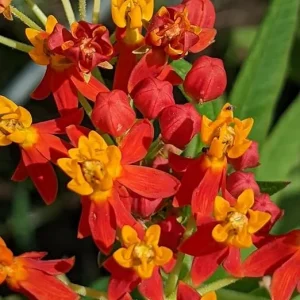
Tropical Milkweed Live Plant – Red Orange – Starter Size 5-9″ Tall – Cold Hardy Perennial
Sold 79 products
$57.18
Sold 87 products
Original price was: $147.16.$73.58Current price is: $73.58.
Sold 78 products
$39.58


Reviews
There are no reviews yet.