
2 Blackhaw Viburnum Prunifolium Bare Root Plants – Native Shrub
From $79.80
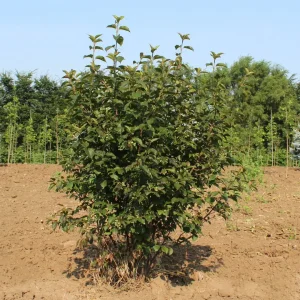
Introduce the beauty and ecological benefits of Blackhaw Viburnum bare root plants to your landscape. These native shrubs, scientifically known as Viburnum Prunifolium plant, feature elegant white spring flowers, vibrant fall foliage, and berries attractive to birds. Ideal for hedges or as a standalone specimen, supporting pollinators and wildlife.
-
USDA Hardiness Zone
USDA zones 3-9 -
Soil Type
Medium-moist, well-draining soil -
Sunlight Exposure
Partial sun to light shade -
Expected Planting Period
Early spring or late fall

You can track your order HERE
Mar 02
Mar 07 - Mar 09
Mar 12 - Mar 16
Shipping and return policies: Our Alive & Thrive Guarantee covers issues with your plants within the first 30 days. Reach out to us. Our team will answer your questions and help you find the plants that are truly suitable for your environment, climate, and personal preferences.

Overview
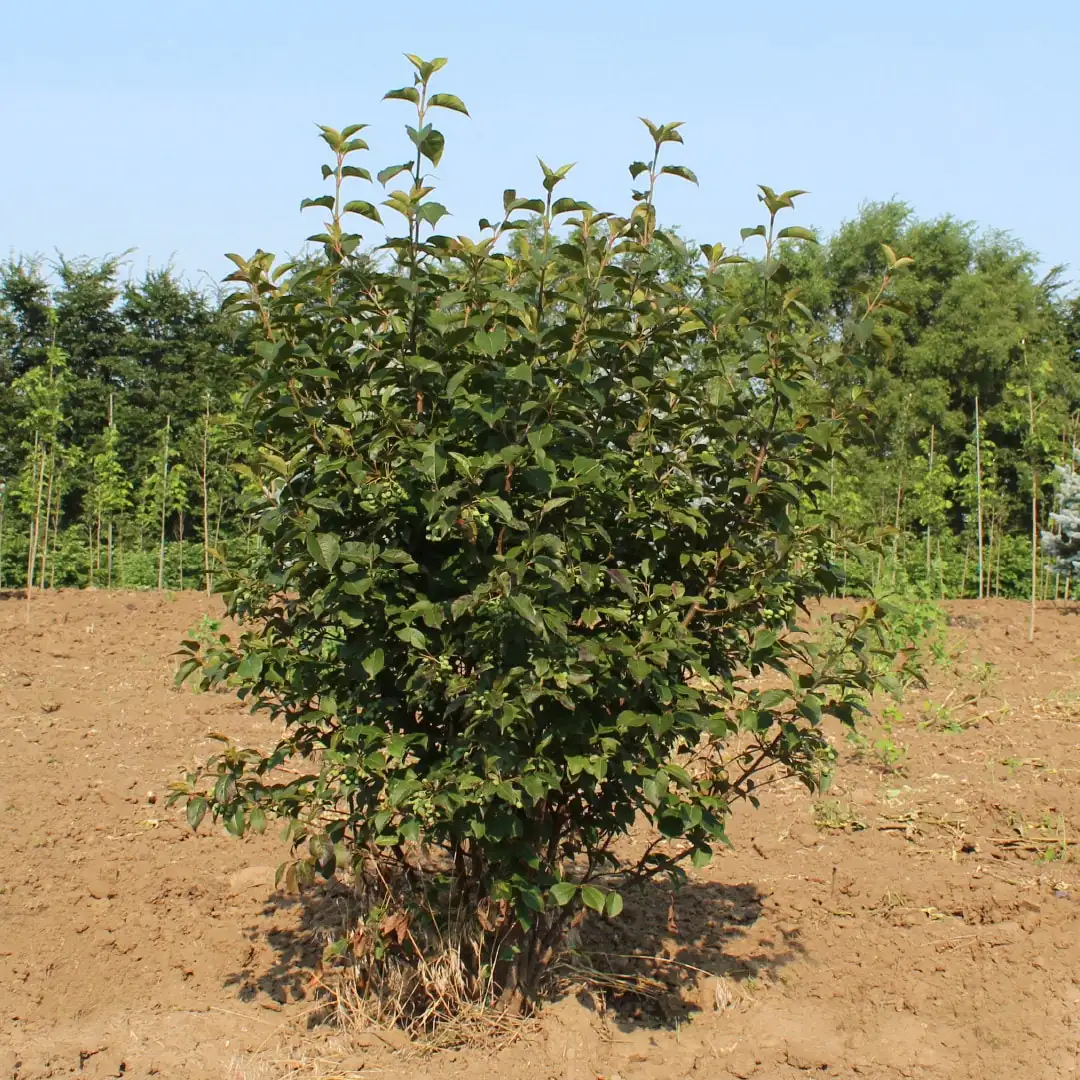
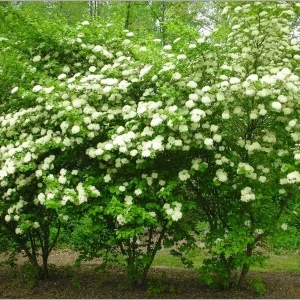
Transform your garden with the addition of the magnificent Blackhaw Viburnum bare root plant. This offering provides 2 sturdy, healthy bare root specimens of Viburnum Prunifolium, ready to establish themselves in your landscape. A truly versatile and beautiful native shrub, the Blackhaw Viburnum is celebrated for its upright form and rounded crown, making it an excellent choice for creating natural hedges, screens, or as a striking individual specimen. Beyond its aesthetic appeal, this native viburnum shrub is a keystone species, playing a vital role in supporting local ecosystems and biodiversity. Its presence ensures a vibrant habitat for pollinators and wildlife, making it a responsible and rewarding choice for any gardener.
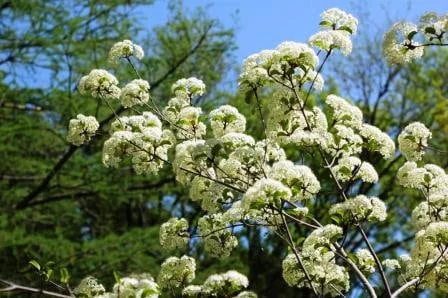
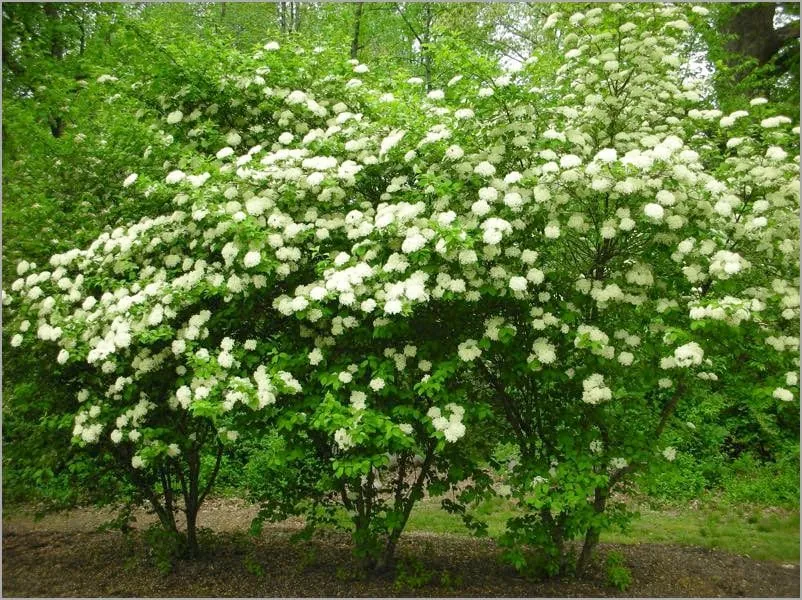
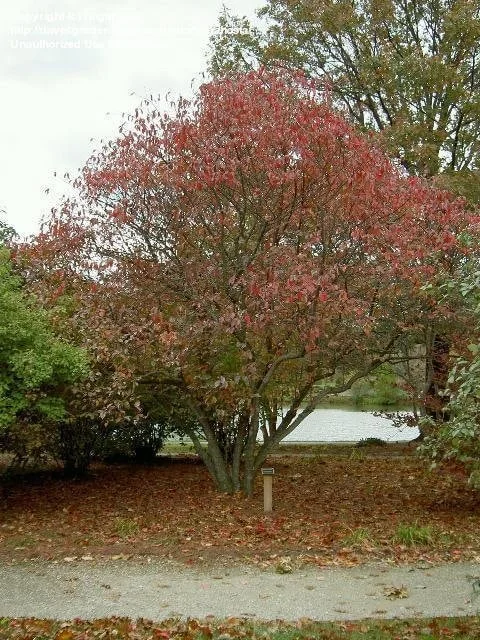
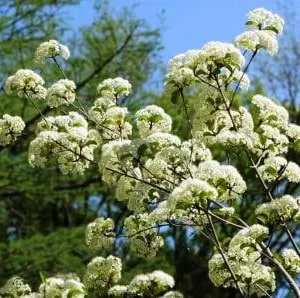
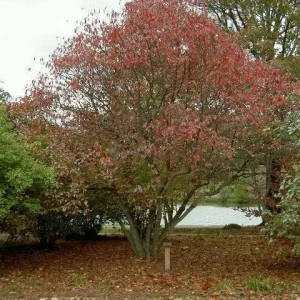
As a multi-stemmed shrub or small tree, the Blackhaw Viburnum brings year-round interest. In spring, it bursts with flat-topped clusters of delicate white flowers, followed by yellow berries that mature to a deep blue-black. Its finely toothed, dark green foliage provides lush greenery throughout the growing season, culminating in a spectacular display of red hues in autumn. This adaptability and beauty make the Viburnum Prunifolium plant a prized addition to gardens across the US.
Key Benefits
Opting for a Blackhaw Viburnum bare root offers numerous advantages for both your garden and the environment. These benefits extend beyond mere aesthetics, contributing to a healthier and more vibrant outdoor space.
- Ecological Support: As a keystone species, this native viburnum shrub provides essential support for wildlife and pollinators, serving as a host plant for various lepidoptera, including the Green Marvel and Pink Prominent moths. Its berries are a crucial food source for birds.
- Seasonal Beauty: Enjoy a dynamic landscape with white spring flowers, lush summer foliage, and stunning red autumn color, followed by attractive blue-black berries that persist into winter.
- Versatile Landscaping: Its upright form and rounded crown make it perfect for diverse uses – from creating privacy screens and tall hedges to serving as an elegant standalone specimen in a naturalized garden.
- Adaptable Growth: Thrives in a range of conditions, naturally growing along forest edges and near rivers. It adapts well to various soil types, preferring consistently medium-moist, well-drained conditions.
- Low Maintenance: Once established, the Blackhaw Viburnum bare root requires minimal care, making it an excellent choice for gardeners seeking impactful results with less effort.
- Drought Tolerance: While it prefers consistent moisture, established plants show a good degree of drought tolerance, especially when planted in partial shade.
- Pollinator Magnet: The spring flowers attract a variety of beneficial insects, contributing to the overall health and productivity of your garden.
Plant Care & Growing Tips
Proper care ensures your Blackhaw Viburnum bare root plants establish quickly and thrive for years to come. Understanding the specific needs of the Viburnum Prunifolium plant will lead to a robust and beautiful specimen that enhances your landscape.
Sunlight Requirements: This shrub performs best in partial sun or light shade, which is ideal for maintaining consistent soil moisture. In locations with full sun, it is crucial to ensure the soil has adequate moisture to prevent stress. Aim for at least 4-6 hours of direct sunlight, with protection from intense afternoon sun in hotter climates.
Watering and Soil: The native viburnum shrub prefers soils that are consistently medium-moist but well-drained. Avoid waterlogged conditions, which can lead to root rot. During the first year after planting, water regularly to help establish the root system. Once established, it can tolerate some drought, but regular watering during dry spells will promote healthier growth and better fruit production. A good quality, organic-rich soil will provide the best foundation for your Blackhaw Viburnum care.
Temperature and Hardiness: Blackhaw Viburnum is generally hardy in USDA zones 3-9. It is quite tolerant of both cold winters and warm summers within this range. Protect young plants from extreme temperature fluctuations. Fertilize in early spring with a balanced, slow-release granular fertilizer formulated for trees and shrubs. Pruning can be done in late winter or early spring to remove dead or damaged branches, shape the plant, or manage its size. While Viburnums flower profusely whether or not pollination occurs, poor fruiting will happen if there is only one Viburnum available, so consider planting multiple if fruit production is a priority.
Size & Details
This offering includes 2 Blackhaw Viburnum bare root plants, ready for planting. As a large shrub, the Viburnum Prunifolium plant typically matures to a height of 10-15 feet and a spread of 6-12 feet, forming a dense, rounded crown. Its growth rate is moderate, allowing it to establish and fill out within a few years. These bare root plants are dormant and ship without soil or a pot, making them lightweight and easy to plant upon arrival. They are a cost-effective and environmentally friendly way to introduce this beautiful and beneficial native viburnum shrub to your garden. Expect to see initial growth in the first spring after planting, with flowers and berries appearing as the plant matures, usually within 2-3 years.
Frequently Asked Questions
- Q: How big does this plant get? A: The Blackhaw Viburnum bare root typically grows to a height of 10-15 feet and spreads 6-12 feet, forming a dense, rounded shrub or small tree at maturity. Its size makes it ideal for hedges or as a prominent specimen.
- Q: Is this an indoor or outdoor plant? A: This is an outdoor plant, a hardy native viburnum shrub that thrives in garden settings, woodlands, and naturalized areas. It is not suitable for indoor cultivation.
- Q: How much sunlight does it need? A: The Viburnum Prunifolium plant prefers partial sun to light shade, ideally receiving 4-6 hours of direct sunlight daily. If planted in full sun, ensure the soil remains consistently moist.
- Q: Is this plant easy to care for? A: Yes, once established, the Blackhaw Viburnum care requirements are relatively low. It is a resilient native plant that adapts well to various conditions, making it suitable for gardeners of all experience levels.
- Q: What condition will it arrive in? A: Your order will contain 2 dormant Blackhaw Viburnum bare root plants, carefully packaged without soil or a pot, ready for immediate planting upon arrival to ensure successful establishment.
- Q: When is the best time to plant a bare root viburnum? A: The best time to plant bare root shrubs like the Blackhaw Viburnum is in early spring, as soon as the soil can be worked, or in late fall after the leaves have dropped, allowing the roots to establish before extreme temperatures.
- Q: Will it survive winter in my zone? A: Yes, the Blackhaw Viburnum bare root is very cold hardy, typically thriving in USDA Zones 3-9. It can withstand significant winter temperatures within these zones.
- Q: Why is it called a keystone species? A: It is a keystone species because it provides critical resources, such as food (berries) and host plant habitat, for a wide array of local wildlife and insects, including specific moths, which in turn support the wider ecosystem.
- Q: What are the benefits of planting a native viburnum shrub? A: Planting a native viburnum shrub like the Blackhaw Viburnum supports local biodiversity, provides food and shelter for wildlife, requires less water and fertilizer once established, and generally integrates better with the local ecosystem.
- Q: Can I get good fruit production with just one plant? A: While Viburnums flower profusely regardless of pollination, for optimal fruit production (the blue-black berries), it is recommended to plant more than one Viburnum Prunifolium plant to ensure cross-pollination.
| blackhaw Viburnum | 12-18, 18-24", 2-3' |
|---|
Be the first to review “2 Blackhaw Viburnum Prunifolium Bare Root Plants – Native Shrub”
People Also Viewed
Sold 63 products
$43.98
Sold 75 products
Original price was: $63.96.$31.98Current price is: $31.98.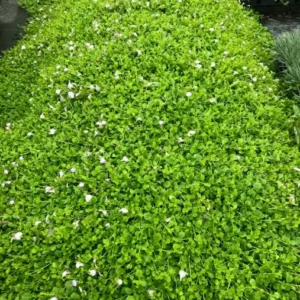
Flower Plants
Creeping Blue Mazus Reptans Live Plant – Blue Flowers, 4 inch Pot, Outdoor Groundcover
Sold 61 products
From $51.80
Sold 93 products
From $43.98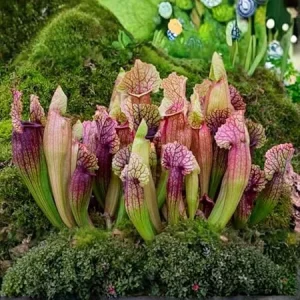
HousePlants
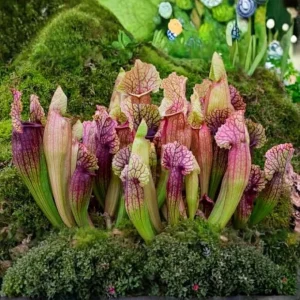
Purple Nepenthes Pitcher Plant Live – Exotic Tropical Houseplant for Indoor/Outdoor Décor
Sold 97 products
$65.98

Sold 92 products
Original price was: $86.97.$28.99Current price is: $28.99.
Sold 86 products
Original price was: $39.98.$19.99Current price is: $19.99.
Sold 78 products
Original price was: $39.98.$19.99Current price is: $19.99.
Sold 55 products
Original price was: $49.98.$24.99Current price is: $24.99.
Sold 78 products
From $7.98
Sold 63 products
$329.98
Sold 75 products
Original price was: $59.98.$29.99Current price is: $29.99.
Sold 59 products
Original price was: $39.98.$19.99Current price is: $19.99.
Sold 88 products
Original price was: $47.98.$23.99Current price is: $23.99.
Sold 99 products
Original price was: $63.00.$31.50Current price is: $31.50.
Sold 98 products
$48.38
Sold 90 products
Original price was: $37.35.$12.94Current price is: $12.94.
Sold 97 products
Original price was: $71.80.$35.90Current price is: $35.90.



Reviews
There are no reviews yet.