
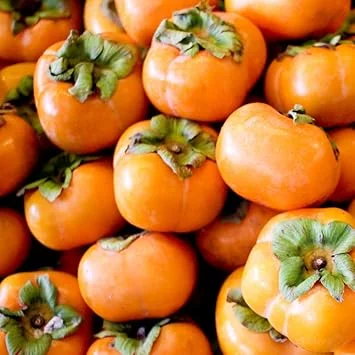
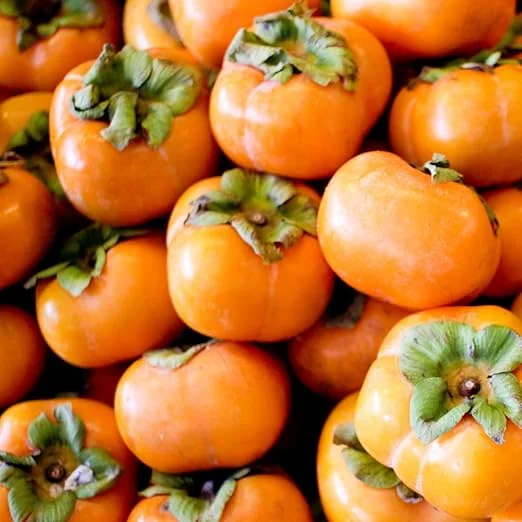
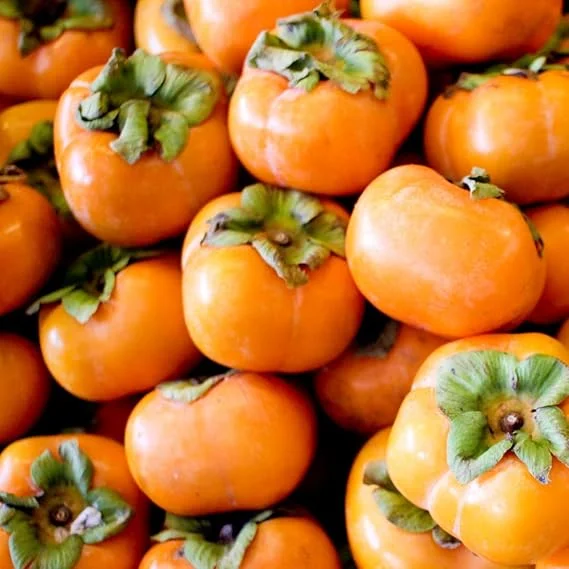
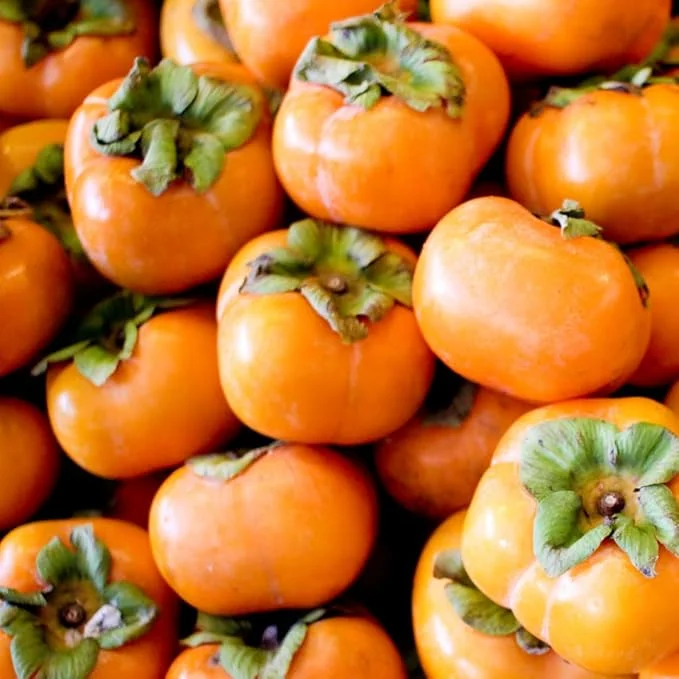
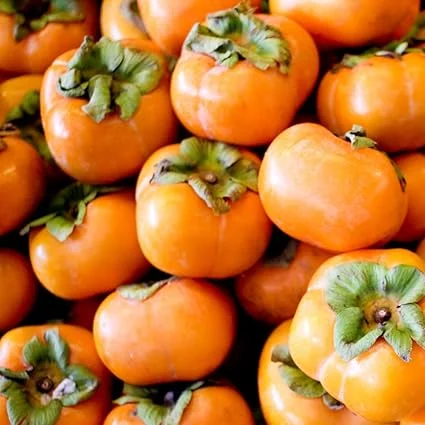
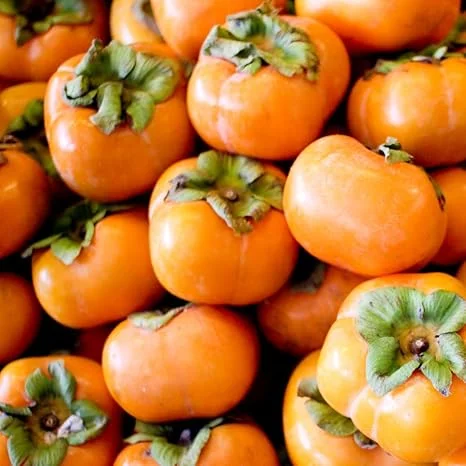
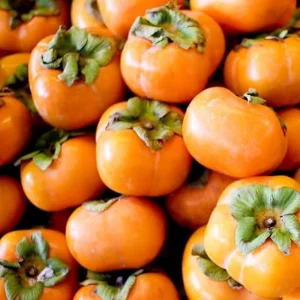
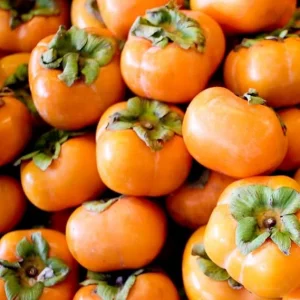
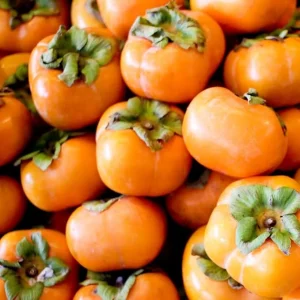
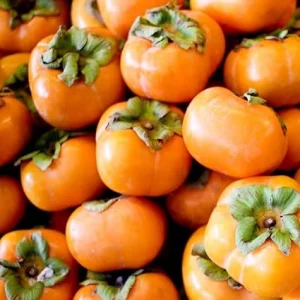
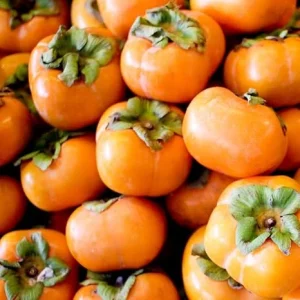
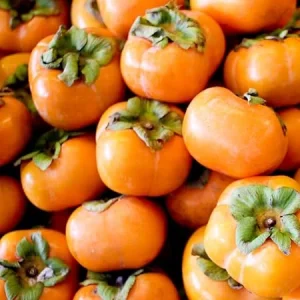
2 American Persimmon Trees Live Plants 12-24″ Tall, Bare Root, Cold Hardy, Outdoor
Original price was: $39.98.$19.99Current price is: $19.99.
Cultivate your own delicious fruit with these american persimmon trees. You receive 2 bare-root, dormant seedlings, 12-24 inches tall, ready for planting. These cold hardy persimmon plants are ideal for USDA Zones 4-9 and promise sweet fruit once mature.
-
USDA Hardiness Zone
4-9 -
Soil Type
Well-drained soil -
Sunlight Exposure
Full Sun -
Expected Planting Period
Spring

You can track your order HERE
Mar 27
Apr 01 - Apr 03
Apr 06 - Apr 10
Shipping and return policies: Our Alive & Thrive Guarantee covers issues with your plants within the first 30 days. Reach out to us. Our team will answer your questions and help you find the plants that are truly suitable for your environment, climate, and personal preferences.

Overview
Embark on a rewarding gardening journey by planting these american persimmon trees. You will receive two healthy, bare-root, dormant seedlings, each measuring 12-24 inches in height, ready to establish themselves in your garden. These young trees are the perfect starting point for cultivating your own sweet, flavorful persimmons. Known for their resilience and delicious fruit, American persimmons (Diospyros virginiana) are a fantastic addition to any edible landscape or home orchard. Shipped without leaves or a pot, these dormant plants are optimized for successful transplanting and vigorous growth once planted in their new environment.
The American persimmon is a native fruit tree that not only provides delectable fruit but also offers aesthetic appeal with its attractive foliage and fall color. These particular seedlings are 1 year old, ensuring a strong foundation for future development. Their bare-root form makes them easy to handle and plant, promoting quick root establishment. Prepare to enjoy the unique taste of homegrown persimmons, whether eaten fresh, dried, or used in various culinary creations.
Key Benefits
Adding american persimmon trees to your property offers a wealth of advantages, from delicious harvests to ecological benefits. These trees are a valuable investment for any gardener:
- Abundant Sweet Fruit: Once mature, these trees produce a bountiful harvest of sweet, flavorful persimmon fruit. These fruits are perfect for fresh eating, baking, jams, or even drying, providing a unique and healthy snack. Growing your own ensures the freshest possible produce.
- Exceptional Cold Hardiness: These American persimmon plants are remarkably cold-hardy, thriving in USDA Zones 4-9. This makes them an excellent choice for gardeners in a wide range of climates, including those with colder winters, ensuring successful growth and fruit production where other fruit trees might struggle.
- Low Maintenance & Resilient: Known for their robust nature, these trees require relatively low maintenance once established. They are generally resistant to many common pests and diseases, making them a hassle-free addition to your garden and allowing you to enjoy your harvest with minimal effort.
- Bare Root Advantage: Shipped as bare-root, dormant seedlings, these trees are in their ideal state for transplanting. This method encourages rapid root growth and minimizes transplant shock, leading to quicker establishment and a healthier start for your young trees.
- Support Local Wildlife: The fruit of the sweet persimmon fruit is not only cherished by humans but also provides an important food source for local wildlife, including birds and deer, adding to the biodiversity of your garden and supporting the ecosystem.
- Attractive Landscape Addition: Beyond their fruit, American persimmon trees offer ornamental value with their sturdy structure, green foliage in summer, and often showy fall colors. They can serve as an attractive specimen tree or part of a mixed edible landscape.
- Long-Term Investment: A well-cared-for persimmon tree can live for many decades, providing a continuous supply of fruit for many years to come. Planting these american persimmon trees is an investment that will pay dividends in delicious harvests for generations.
Plant Care & Growing Tips
Successful cultivation of your american persimmon trees begins with proper planting and consistent care during their establishment phase. These bare-root seedlings are best planted in early spring, as soon as the soil can be worked and after the last hard frost. Choose a location that receives full sun, meaning at least 6-8 hours of direct sunlight per day, to ensure optimal fruit production and overall tree health. Dig a hole that is wide enough to comfortably spread out the roots without bending them, and deep enough so that the root collar (where the roots meet the stem) is at soil level.
For soil, American persimmons are quite adaptable but prefer well-drained soil. They can tolerate a range of soil types, from sandy to clay, as long as drainage is adequate. Amend heavy clay soils with organic matter to improve drainage, and sandy soils to improve water retention. While dormant, the trees have moderate moisture needs; however, consistent watering is crucial during their first couple of growing seasons to help them establish a strong root system. Water deeply once or twice a week, depending on rainfall and soil type, ensuring the soil remains moist but not waterlogged. Once established, they become more drought-tolerant.
These cold hardy persimmon trees are suitable for USDA Hardiness Zones 4-9. They are inherently resilient to cold temperatures once mature. Fertilization can begin in the second year after planting, using a balanced slow-release fertilizer in early spring. Avoid over-fertilizing, especially with high-nitrogen formulas, as this can promote leafy growth at the expense of fruit production. Pruning should be minimal in the early years, focusing on removing dead, damaged, or crossing branches to maintain a strong central leader. Understanding proper persimmon plant care will lead to a thriving tree and abundant harvests.
Size & Details
This offering includes two american persimmon trees, each shipped as a bare-root, dormant seedling. The trees measure approximately 12-24 inches tall upon arrival, representing 1-year-old growth. Being bare-root means they are shipped without soil or a pot, which is the ideal state for transplanting during their dormant period, typically in early spring. This allows the roots to directly interact with your garden soil, promoting faster establishment and reducing transplant shock. They will arrive with no leaves, as they are in their natural dormant state, which is crucial for successful planting and future growth.
Once mature, these trees can reach heights of 30-50 feet with a spread of 20-30 feet, depending on growing conditions and pruning. They have a moderate growth rate, and while they are young seedlings, they will begin to produce fruit within 3-7 years under optimal conditions. The sweet fruit typically ripens in the fall, offering a delicious harvest. These plants are grown from seed and are recognized for their robust nature and ability to produce high-quality sweet persimmon fruit. Plan for adequate spacing to accommodate their mature size and ensure proper air circulation.
Frequently Asked Questions
- Q: How big are the american persimmon trees when they arrive? A: The american persimmon trees you receive will be bare-root, dormant seedlings, measuring approximately 12-24 inches in height. They are 1 year old and ready for planting in your garden.
- Q: What condition will the trees arrive in? A: The trees will arrive as bare-root, dormant seedlings. This means they will not have leaves or a pot, as this is the best way to ship and plant them for successful establishment in your garden.
- Q: When is the best time to plant these cold hardy persimmon trees? A: The ideal time to plant these dormant, bare-root cold hardy persimmon trees is in early spring, as soon as the soil is workable and after the danger of hard frost has passed.
- Q: How much sunlight do American persimmon trees need? A: American persimmon trees thrive in full sun, requiring at least 6-8 hours of direct sunlight per day for optimal growth and fruit production.
- Q: What kind of soil is best for growing persimmon trees? A: These trees prefer well-drained soil but are adaptable to a variety of soil types. Ensuring good drainage is key to preventing root issues.
- Q: How long until these trees start producing sweet persimmon fruit? A: Under good growing conditions and with proper persimmon plant care, these seedlings typically begin to bear sweet persimmon fruit within 3 to 7 years after planting.
- Q: Are these trees suitable for colder climates? A: Yes, American persimmon trees are known for their excellent cold hardiness and are suitable for planting in USDA Hardiness Zones 4 through 9, making them a great choice for many regions.
- Q: What does ‘bare root’ mean for these plants? A: ‘Bare root’ means the trees are shipped without soil around their roots. This method is effective for dormant plants, reducing shipping weight and promoting faster root establishment once planted.
- Q: Do I need to prune my persimmon tree? A: Minimal pruning is needed in the early years, primarily to remove dead or damaged branches and to establish a strong central leader. As the tree matures, you can prune to shape and maintain fruit production.
- Q: Can I grow these trees in a container? A: While possible in very large containers initially, American persimmon trees are large shade trees once mature and are best suited for planting directly in the ground to allow for their extensive root system and full growth potential.
Be the first to review “2 American Persimmon Trees Live Plants 12-24″ Tall, Bare Root, Cold Hardy, Outdoor”
People Also Viewed
Sold 65 products
Original price was: $27.98.$19.58Current price is: $19.58.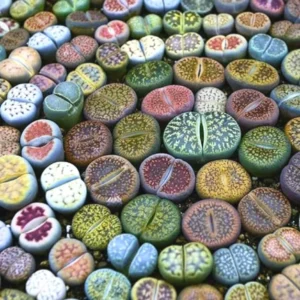
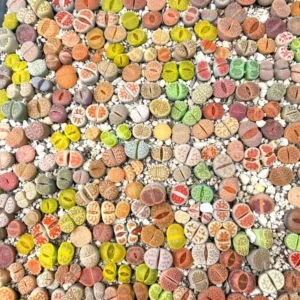
Sold 96 products
Original price was: $39.98.$19.99Current price is: $19.99.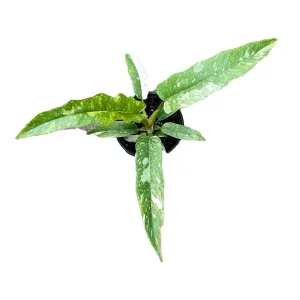
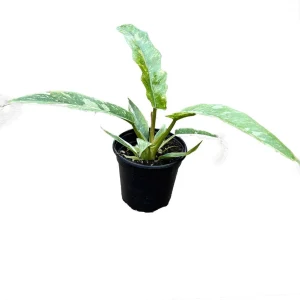
Sold 76 products
Original price was: $57.56.$28.78Current price is: $28.78.
Sold 57 products
Original price was: $33.98.$16.99Current price is: $16.99.

Sold 95 products
Original price was: $39.96.$19.98Current price is: $19.98.
Sold 74 products
Original price was: $31.98.$15.99Current price is: $15.99.
Sold 81 products
Original price was: $69.98.$34.99Current price is: $34.99.
Sold 63 products
Original price was: $39.98.$19.99Current price is: $19.99.
Sold 52 products
Original price was: $116.56.$69.94Current price is: $69.94.
Sold 62 products
Original price was: $27.98.$13.99Current price is: $13.99.
Sold 86 products
Original price was: $33.98.$18.49Current price is: $18.49.
Flower Plants
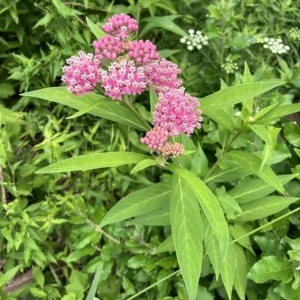
Pink Milkweed Live Plant – Set of 2, 4-6″ Tall – Asclepias spp. for Monarch Butterflies
Sold 58 products
Original price was: $47.58.$23.79Current price is: $23.79.

Sold 52 products
Original price was: $67.96.$33.98Current price is: $33.98.

Sold 66 products
Original price was: $69.98.$34.99Current price is: $34.99.
Sold 52 products
Original price was: $36.38.$18.19Current price is: $18.19.
Sold 72 products
Original price was: $89.98.$44.99Current price is: $44.99.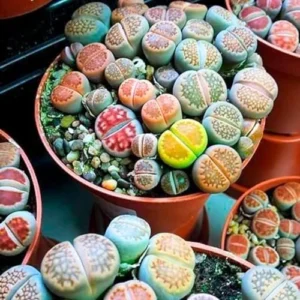
HousePlants
Lithops Live Plants Mix – 30 Colorful Succulents – Living Stones for Indoor/Outdoor Planting
Sold 53 products
Original price was: $65.98.$32.99Current price is: $32.99.
Sold 65 products
Original price was: $47.98.$23.99Current price is: $23.99.


Reviews
There are no reviews yet.