
2 American Hornbeam Trees – Carpinus Caroliniana Live Plants – 12″ Tall – 4″ Container – Outdoor
Original price was: $61.20.$30.60Current price is: $30.60.
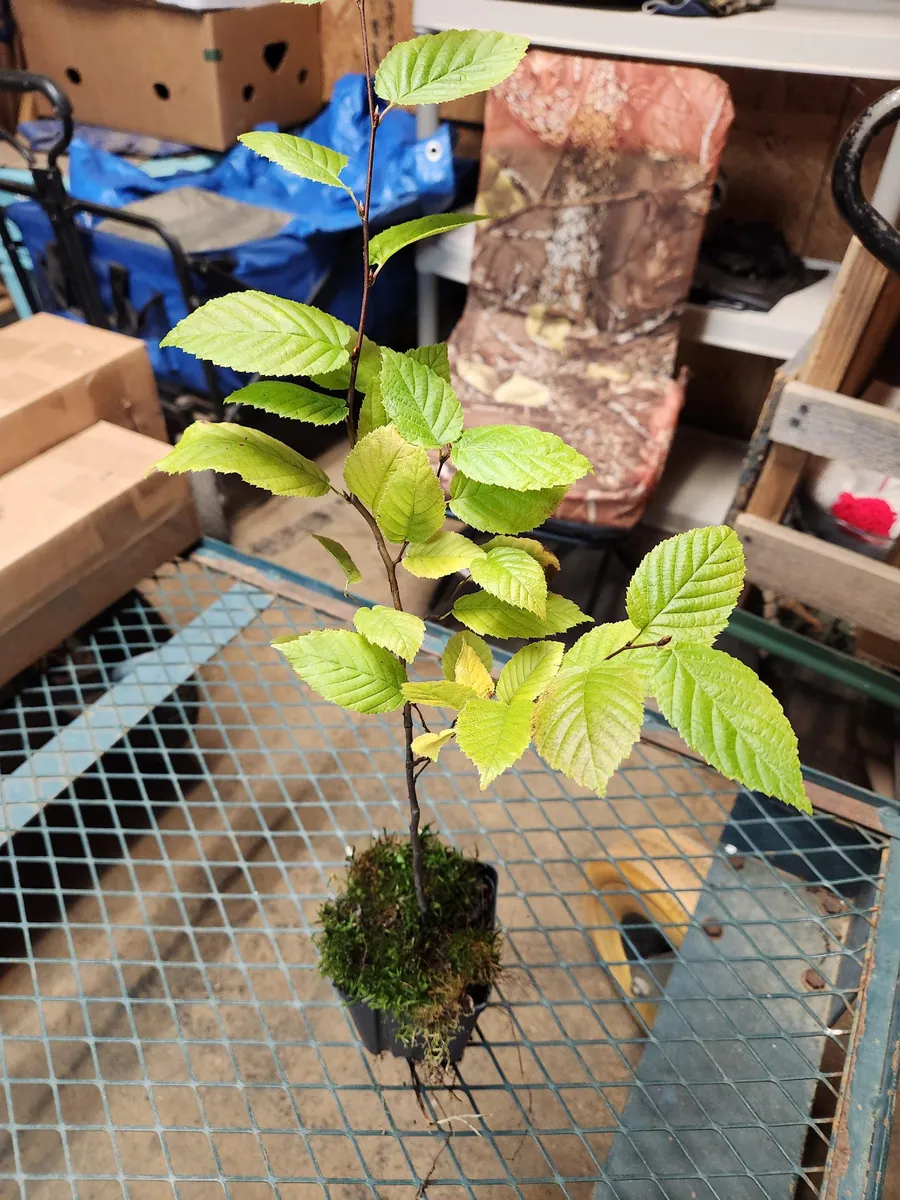
Bring natural beauty to your garden with these American Hornbeam Tree live plants. Each Carpinus Caroliniana specimen is 12″ tall and rooted in a 4″ container, ideal for shady landscapes or woodland gardens. Enjoy their attractive foliage and support wildlife.
-
USDA Hardiness Zone
USDA Zones 3-9 -
Soil Type
Well-draining loam -
Sunlight Exposure
Partial shade to full sun -
Expected Planting Period
Spring to early summer or fall

You can track your order HERE
Feb 27
Mar 04 - Mar 06
Mar 09 - Mar 13
Shipping and return policies: Our Alive & Thrive Guarantee covers issues with your plants within the first 30 days. Reach out to us. Our team will answer your questions and help you find the plants that are truly suitable for your environment, climate, and personal preferences.

Overview
Transform your outdoor space with the resilient and beautiful American Hornbeam Tree (Carpinus Caroliniana). This offering includes two robust live plants, each standing 12″ tall and rooted in a convenient 4″ container, ready for planting. Also known as Ironwood or Musclewood due to its remarkably strong wood and fluted, muscle-like trunk, the Carpinus Caroliniana is a fantastic choice for adding structure and seasonal interest to your landscape. Native to Eastern North America, this deciduous tree thrives in a variety of conditions, making it a versatile addition to many garden styles.
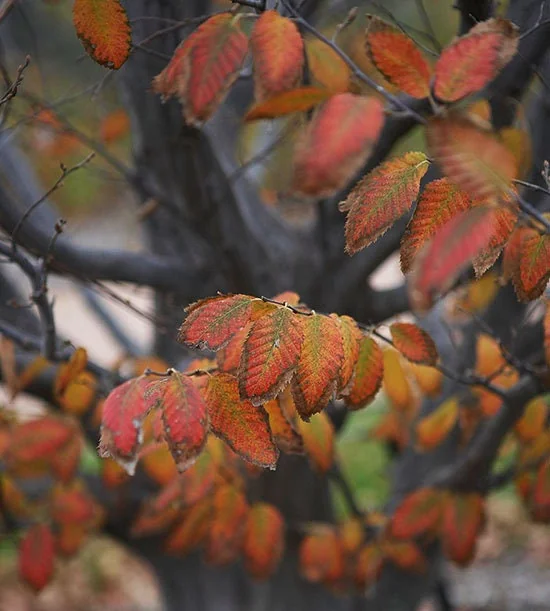
The American Hornbeam Tree is celebrated for its distinctive appearance and ecological value. Its leaves emerge with a reddish-purple hue in spring, transitioning to a rich dark green throughout the summer, and culminating in a spectacular display of yellow to orange-red in the fall. This dramatic seasonal color makes it a focal point in any garden. Beyond its ornamental appeal, the Hornbeam live plant provides essential habitat and food for local wildlife, contributing to a healthy ecosystem. Whether you’re designing a naturalized area, a woodland garden, or simply seeking a reliable shade tree, these specimens are an excellent foundation for a thriving outdoor environment.
Key Benefits
Investing in an American Hornbeam Tree offers numerous advantages for both your landscape and local ecology. These resilient trees are not only visually appealing but also contribute significantly to biodiversity and garden health. Here are some of the key benefits:
- Stunning Seasonal Foliage: Enjoy a dynamic color palette throughout the year, from reddish-purple new growth in spring to dark green summer leaves, culminating in brilliant yellow to orange-red fall colors. This vibrant display ensures your garden remains captivating across seasons.
- Excellent Shade Tree: With its dense canopy, the American Hornbeam Tree provides ample shade, making it perfect for creating cool, comfortable areas in your garden during warm months. Ideal for gardens with existing shade or for developing new shaded retreats.
- Wildlife Attractor: This tree is a valuable resource for local wildlife, including game birds, small mammals, and songbirds, which feed on its seeds and find shelter within its branches. Planting a Hornbeam live plant supports a thriving ecosystem in your backyard.
- Durable and Low Maintenance: Known for its strong wood and adaptability, the Carpinus Caroliniana is a hardy tree that requires minimal care once established. It’s an excellent choice for gardeners seeking a long-lived and resilient addition to their landscape.
- Adaptable to Various Soil Conditions: The American Hornbeam Tree tolerates a range of soil types, from moist to somewhat dry, as long as drainage is adequate. This adaptability makes it suitable for diverse planting locations.
- Native Plant Benefits: As a native species, it is well-suited to the local climate and conditions, promoting ecological balance and requiring less intervention than non-native alternatives.
- Compact Growth Habit: While it can grow to a substantial size, its relatively compact and rounded crown makes it suitable for a variety of garden sizes, including smaller urban lots or as an understory tree in larger landscapes.
Plant Care & Growing Tips
Caring for your American Hornbeam Tree is relatively straightforward, ensuring it thrives and becomes a lasting feature in your garden. These trees are known for their resilience, but providing optimal conditions will encourage the best growth and foliage display. They are suitable for USDA Zones 3-9, indicating their broad adaptability to various climates.
When it comes to sunlight, the Carpinus Caroliniana prefers partial shade to full sun. In hotter climates, some afternoon shade is beneficial to protect its foliage from scorching, while in cooler regions, it can tolerate more direct sun. Ensure the planting site offers good air circulation. For watering, keep the soil consistently moist, especially during the first few growing seasons after planting. Once established, the American Hornbeam Tree is moderately drought-tolerant but will benefit from supplemental watering during prolonged dry spells. Avoid waterlogging, as this can lead to root rot. The best soil type for this tree is a rich, well-draining loam, though it can adapt to various soil conditions, including clay, as long as it doesn’t remain waterlogged. Amending heavy clay soils with organic matter can improve drainage and fertility.
Fertilization is generally not heavily required for an established American Hornbeam Tree. For young trees, a balanced, slow-release fertilizer applied in early spring can promote healthy growth. Follow package instructions carefully to avoid over-fertilization. Pruning should primarily focus on removing dead, damaged, or crossing branches to maintain a healthy structure. This is best done in late winter or early spring before new growth emerges. Pest and disease issues are generally minimal for the Carpinus Caroliniana, making American Hornbeam tree care relatively low-effort. Regular observation for any signs of stress or infestation will help address issues promptly. Proper planting, consistent watering during establishment, and appropriate light conditions are key to a successful and long-lived tree.
Size & Details
These American Hornbeam Tree live plants are provided as young, vigorous specimens, each measuring approximately 12″ in height. They are securely rooted in 4″ containers, which allows for stable transport and easy transplanting into your garden. The Carpinus Caroliniana is a deciduous tree known for its moderate growth rate and eventually reaching a mature size of 20-30 feet tall with a similar spread. Its rounded to oval canopy provides excellent shade as it matures. The fluted, muscular-looking trunk is a distinguishing feature, adding unique texture to the landscape, especially in winter. These plants are ideal for creating naturalized areas, woodland gardens, or as an understory tree.
The trees are shipped ready for planting, with their root systems protected within the containers. While they are currently 12″ tall, with proper care, they will grow into magnificent mature trees. Expect them to establish quickly after planting, especially if given consistent moisture during their first year. The vibrant fall colors of yellow to orange-red typically appear in the cooler autumn months, offering a spectacular display. They are well-suited for a wide range of climates, thriving in USDA Hardiness Zones 3 through 9, making them a versatile choice for many regions.
Frequently Asked Questions
- Q: How big does this American Hornbeam Tree get? A: The American Hornbeam Tree (Carpinus Caroliniana) typically grows to a mature height of 20-30 feet and a similar width. Its growth rate is moderate, allowing it to fit into various landscape designs over time.
- Q: What size pot does it come in? A: Each Hornbeam live plant comes rooted in a 4-inch container, providing a healthy root ball for successful transplanting into your garden or a larger pot.
- Q: Is this an indoor or outdoor plant? A: The American Hornbeam Tree is an outdoor tree, perfect for landscaping, woodland gardens, or as a shade tree in your yard. It is not suitable for long-term indoor cultivation.
- Q: How much sunlight does it need? A: This tree thrives in partial shade to full sun. In warmer climates, some afternoon shade is beneficial to prevent leaf scorch, while in cooler regions, it can tolerate more direct sunlight.
- Q: Is the American Hornbeam Tree easy to care for? A: Yes, American Hornbeam tree care is relatively easy. Once established, it is a hardy and low-maintenance tree, tolerating various soil types and requiring minimal pruning.
- Q: What condition will it arrive in? A: Your Carpinus Caroliniana plants will arrive healthy and well-rooted in their 4-inch containers, carefully packaged to ensure their safe journey to your home.
- Q: When is the best time to plant an American Hornbeam? A: The best time to plant an American Hornbeam Tree is in early spring or fall, allowing the roots to establish before the stress of summer heat or winter cold.
- Q: Will it survive winter in my zone? A: The American Hornbeam Tree is very cold hardy and thrives in USDA Hardiness Zones 3-9, meaning it can withstand a wide range of winter temperatures across most of the US.
- Q: Does this tree attract wildlife? A: Yes, the American Hornbeam Tree is excellent for wildlife, providing food for game birds, small mammals, and songbirds with its seeds, and offering shelter within its branches.
- Q: What kind of soil does the American Hornbeam prefer? A: It prefers rich, well-draining loam but is adaptable to various soil types, including clay, as long as it has good drainage and doesn’t stay waterlogged.
Be the first to review “2 American Hornbeam Trees – Carpinus Caroliniana Live Plants – 12″ Tall – 4″ Container – Outdoor”
People Also Viewed
Sold 50 products
Original price was: $20.00.$16.00Current price is: $16.00.
Sold 50 products
From $13.98
Sold 98 products
Original price was: $62.00.$31.00Current price is: $31.00.
Sold 79 products
Original price was: $39.98.$31.98Current price is: $31.98.
Sold 66 products
Original price was: $75.98.$37.99Current price is: $37.99.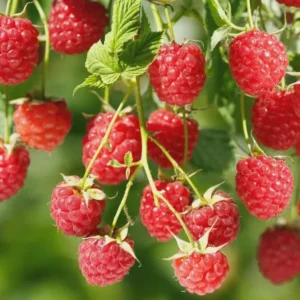

Fruits
10 Canby Thornless Red Raspberry Starter Plugs – Rubus idaeus – Live Plant for Easy Harvesting
Sold 55 products
Original price was: $130.00.$104.00Current price is: $104.00.
Sold 55 products
Original price was: $38.36.$19.18Current price is: $19.18.
Sold 89 products
From $40.00
Sold 69 products
Original price was: $77.98.$38.99Current price is: $38.99.
Sold 80 products
From $43.98
Sold 69 products
Original price was: $32.00.$25.60Current price is: $25.60.
Sold 93 products
Original price was: $91.98.$45.99Current price is: $45.99.
Sold 67 products
Original price was: $154.36.$77.18Current price is: $77.18.
Sold 65 products
Original price was: $79.98.$39.99Current price is: $39.99.
Sold 99 products
Original price was: $66.00.$52.80Current price is: $52.80.
Sold 84 products
Original price was: $147.16.$73.58Current price is: $73.58.
Sold 71 products
Original price was: $67.98.$33.99Current price is: $33.99.
Sold 96 products
From $18.99



Reviews
There are no reviews yet.