

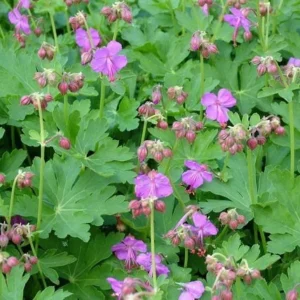
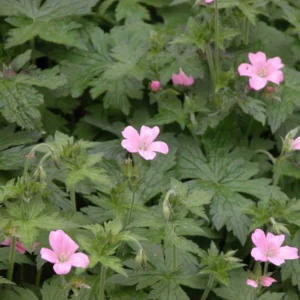
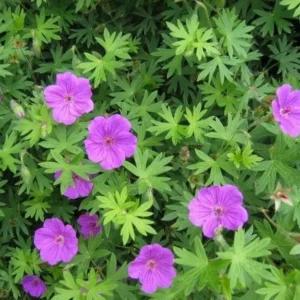
100 Wild Geranium Cranesbill Bare Roots – Organic Geranium Maculatum Plants
Original price was: $150.00.$120.00Current price is: $120.00.
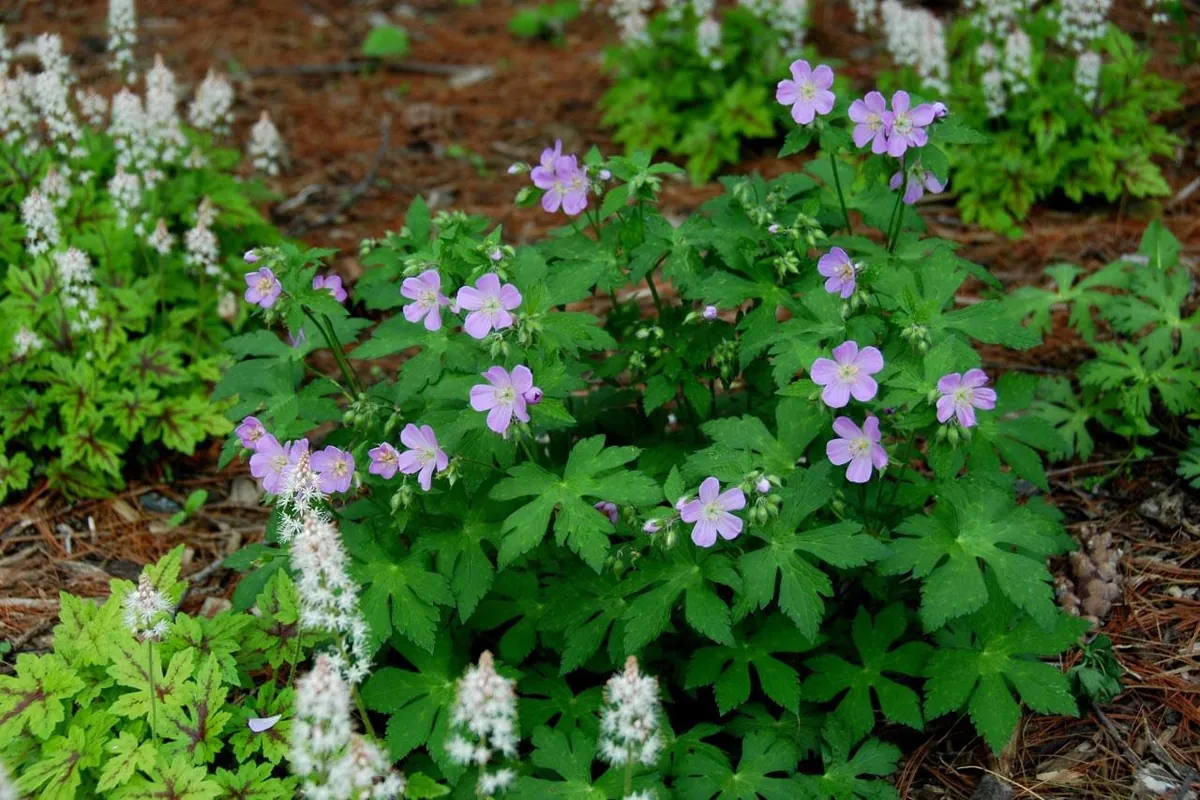
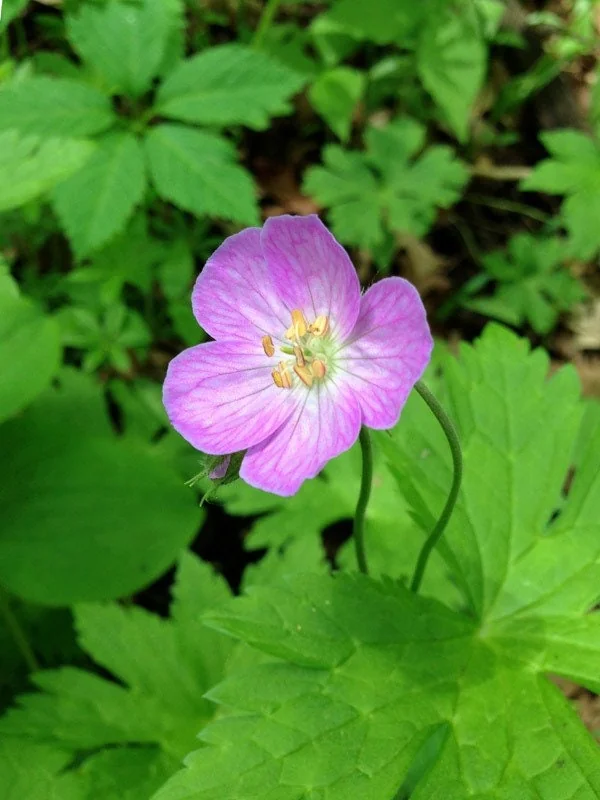
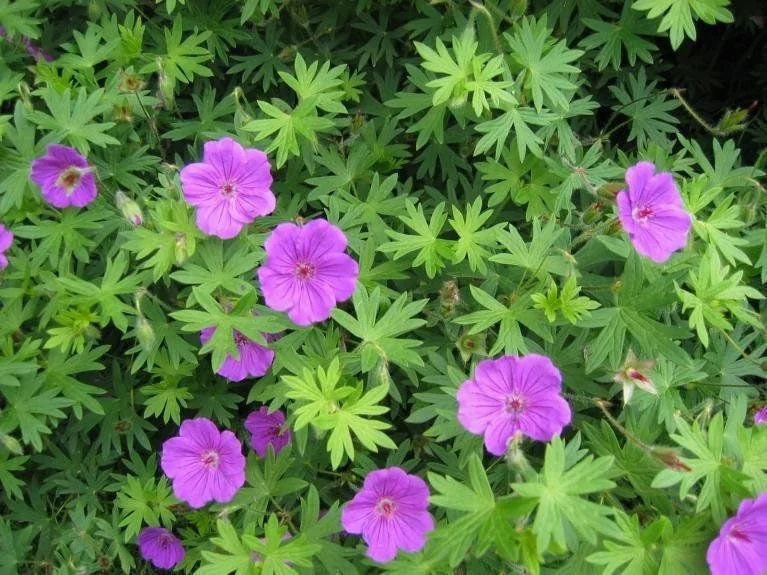
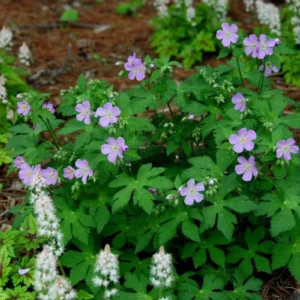
Bring natural beauty to your garden with 100 wild geranium bare roots (Geranium Maculatum). These organically grown cranesbill geranium plants are perfect for creating lush ground cover and attracting pollinators. Easy to plant and maintain, they provide beautiful purple blooms.
-
USDA Hardiness Zone
USDA zones 3-8 -
Soil Type
Rich, well-draining soil -
Sunlight Exposure
Partial to full shade -
Expected Planting Period
Early spring to fall

You can track your order HERE
Apr 12
Apr 17 - Apr 19
Apr 22 - Apr 26
Shipping and return policies: Our Alive & Thrive Guarantee covers issues with your plants within the first 30 days. Reach out to us. Our team will answer your questions and help you find the plants that are truly suitable for your environment, climate, and personal preferences.

Overview
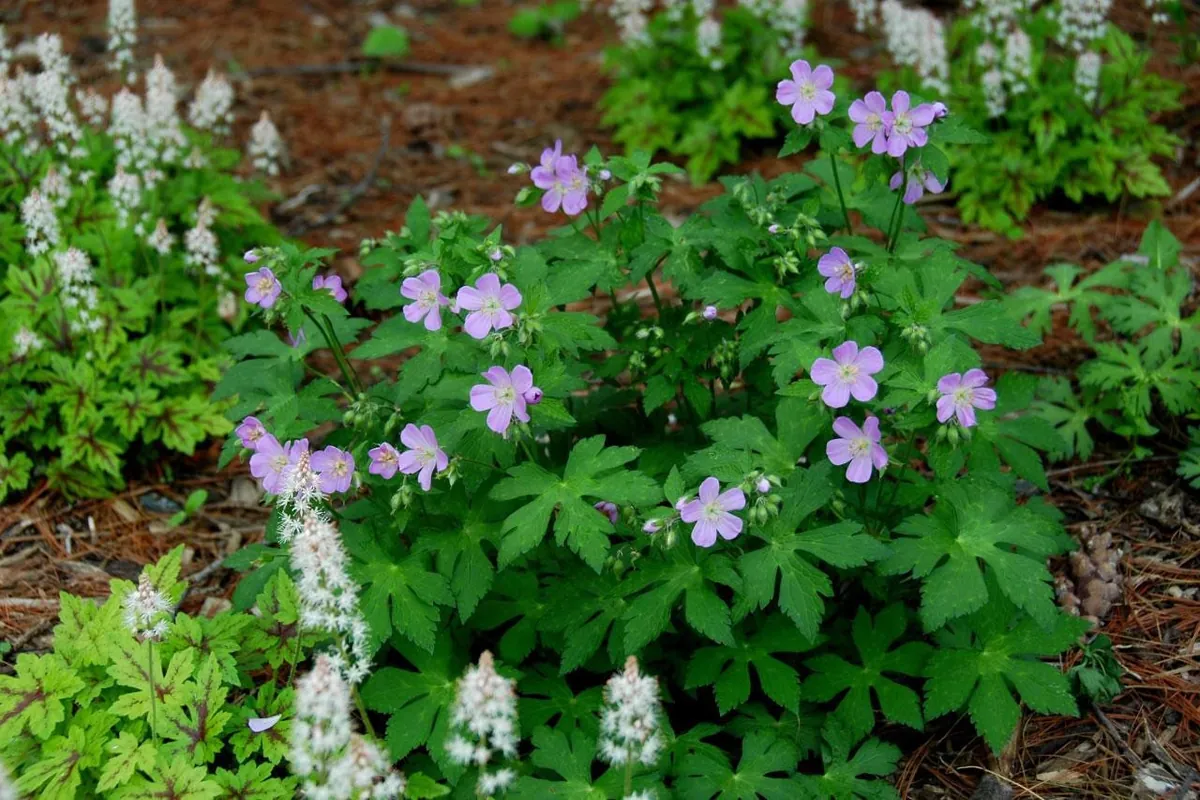
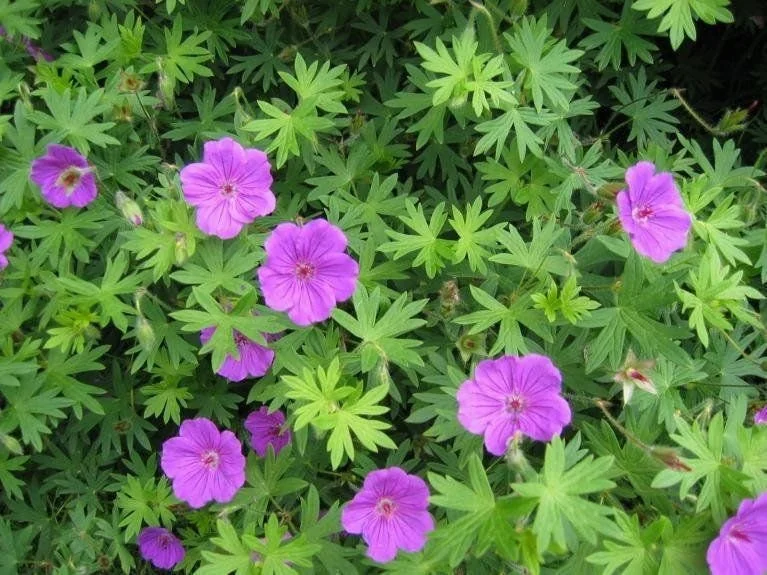
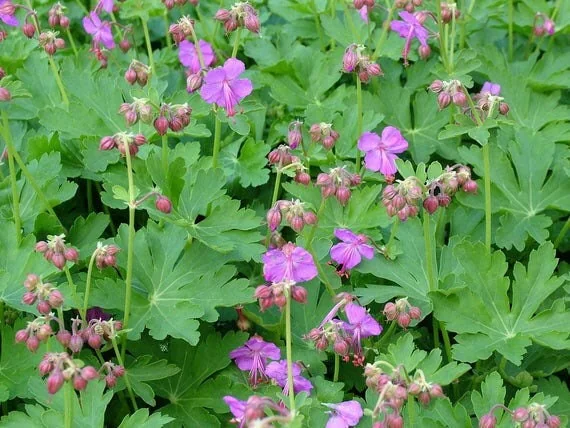
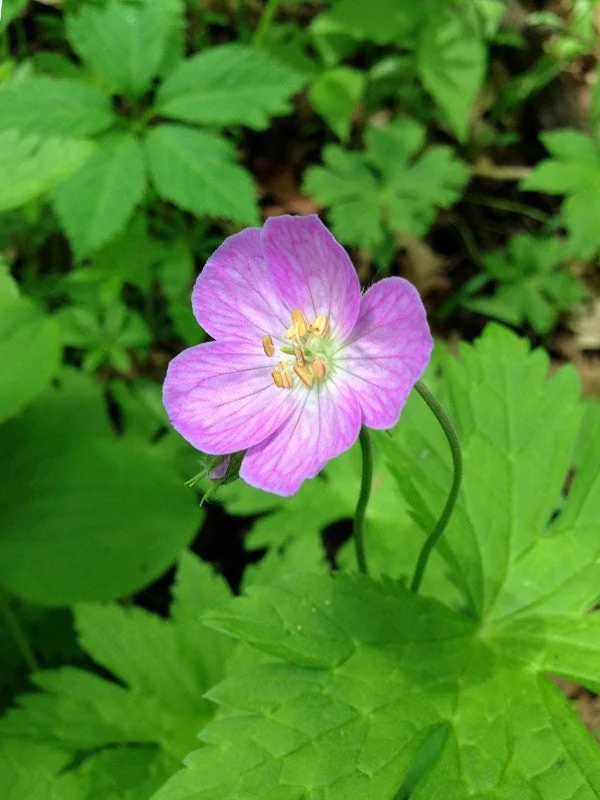
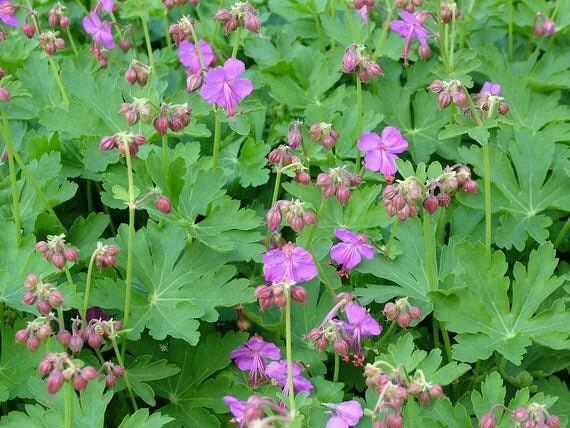
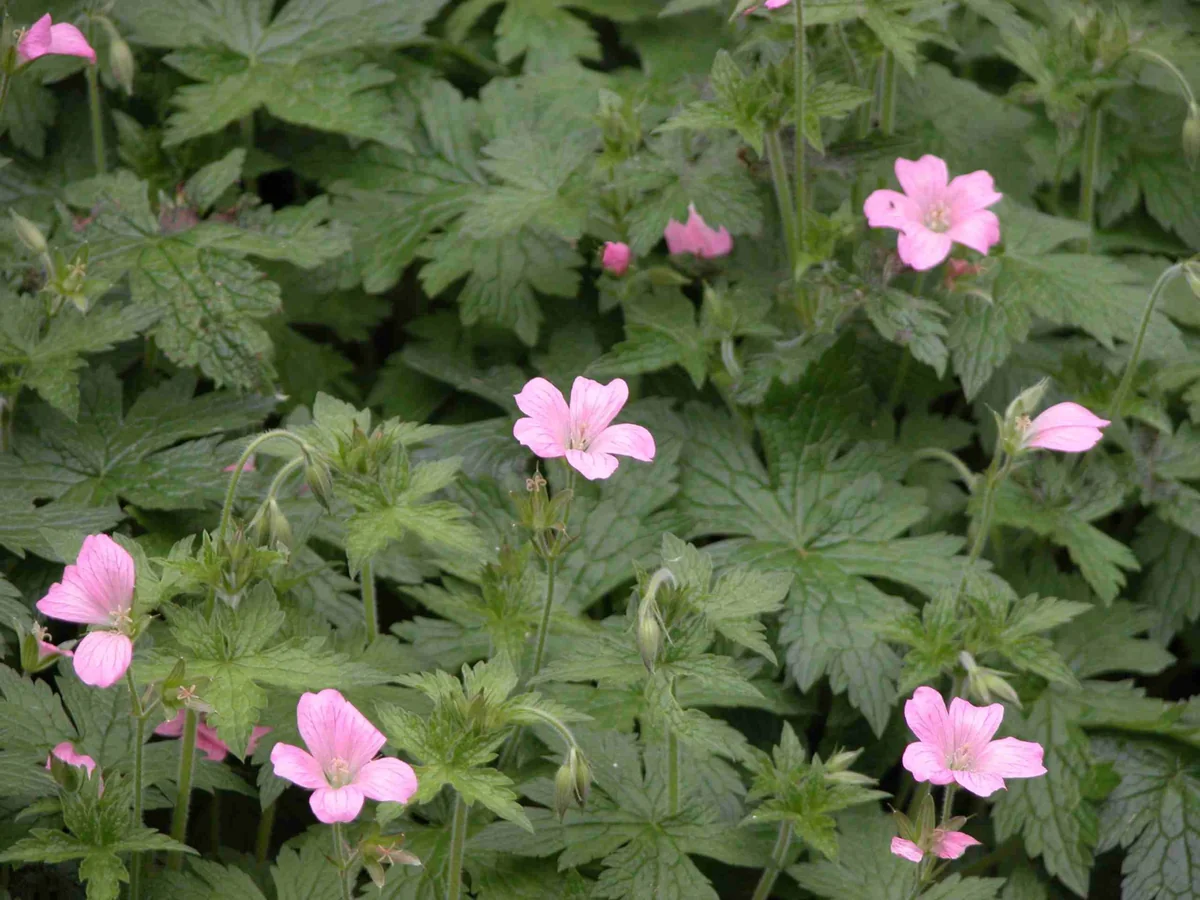
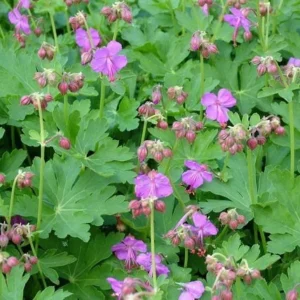
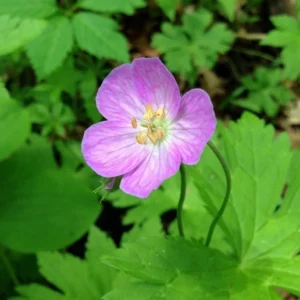
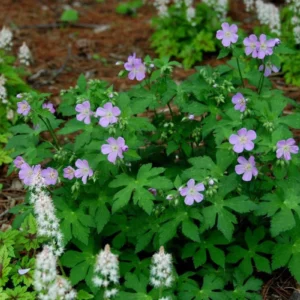
Introduce a touch of native elegance to your landscape with this generous offering of 100 wild geranium bare roots. Known scientifically as Geranium Maculatum, these charming perennials are also commonly referred to as Cranesbill Geranium due to the distinctive shape of their seed pods. This collection provides a robust foundation for establishing a vibrant, naturalized garden area. Each bare root is organically grown, ensuring you receive healthy, chemical-free plant material ready to thrive in your outdoor space. Wild geraniums are celebrated for their delicate purple flowers that emerge in spring, providing a vital early nectar source for local pollinators and enhancing biodiversity in your yard. They are an excellent choice for woodland gardens, shady borders, or naturalizing open areas, creating a lush carpet of foliage and cheerful blooms.
The beauty of the Geranium Maculatum plants lies not only in their attractive blossoms but also in their resilience and adaptability. These native wildflowers are well-suited to a variety of conditions, making them a fantastic addition for both novice and experienced gardeners. Planting bare roots offers an economical and effective way to establish a large number of plants, allowing for significant ground cover or mass plantings. You’ll enjoy watching these gentle beauties unfurl their lobed leaves and produce their characteristic five-petaled flowers, transforming your garden into a serene and inviting haven for wildlife and admirers alike.
Key Benefits
Cultivating wild geranium bare roots in your garden offers a multitude of advantages, contributing to both aesthetic appeal and ecological health.
- Naturalized Beauty: These native perennials effortlessly blend into natural landscapes, creating a soft, appealing ground cover or filling in woodland edges with their charming purple flowers and attractive foliage. They provide a sense of wild, untamed beauty.
- Pollinator Magnet: The delicate purple blooms of Geranium Maculatum plants are a significant early-season food source for bees, butterflies, and other beneficial insects, playing a crucial role in supporting local ecosystems and encouraging biodiversity in your garden.
- Low Maintenance: Once established, wild geraniums are remarkably self-sufficient. They require minimal watering and care, making them an ideal choice for gardeners seeking beautiful plants without extensive upkeep. This makes cranesbill geranium care relatively simple.
- Organic & Healthy: Sourced from organically grown stock, these bare roots are free from harmful pesticides and chemicals, ensuring a healthier start for your plants and a safer environment for your family and local wildlife.
- Erosion Control: Their spreading habit and fibrous root systems make them excellent for stabilizing soil on slopes or preventing erosion in naturalized areas, contributing to the health and longevity of your landscape.
- Deer Resistant: Wild geraniums are generally not favored by deer, offering a reliable planting option in areas where deer browsing can be an issue, allowing your plants to flourish undisturbed.
- Shade Tolerant: Unlike many flowering plants, wild geraniums thrive in partial to full shade, making them perfect for brightening up darker corners of your garden where other plants might struggle to grow.
Plant Care & Growing Tips
Proper cranesbill geranium care begins with understanding their preferred environment. Wild geranium bare roots are quite adaptable, but they perform best when their specific needs are met. For optimal growth, choose a location that receives partial to full shade. While they can tolerate some morning sun, intense afternoon sun can scorch their leaves, especially in warmer climates. Aim for at least 3-4 hours of shade daily, particularly during the hottest part of the day. These plants are ideal for under deciduous trees where they receive sun in spring before the canopy fills out, and then shade during summer.
When it comes to watering, consistent moisture is key, especially during the establishment phase. Keep the soil evenly moist but not waterlogged. Once established, Geranium Maculatum plants are somewhat drought-tolerant, but they will look their best with regular moisture, especially during dry spells. Overwatering can lead to root rot, so ensure good drainage. The ideal soil type is rich, well-draining, and high in organic matter. Amend heavy clay soils with compost or peat moss to improve drainage and aeration. A slightly acidic to neutral pH (6.0-7.0) is generally preferred. These plants are hardy in USDA zones 3-8, tolerating a wide range of temperatures.
Fertilization is typically not heavily required for organic wild geranium. If your soil is poor, a light application of a balanced, slow-release organic fertilizer in early spring can be beneficial. Avoid excessive nitrogen, which can promote leafy growth at the expense of flowers. Pests and diseases are generally not a major concern for wild geraniums. Slugs and snails may occasionally feed on the leaves, especially in moist conditions. If problems arise, organic slug and snail baits or hand-picking can be effective. Deadheading spent flowers can encourage more blooms, though this is often not necessary for naturalized areas. Division every few years in spring or fall can help rejuvenate older clumps and control spread.
Size & Details
This offering includes 100 wild geranium bare roots, providing a substantial quantity to establish a large planting area or multiple smaller sections. Each bare root is harvested per order to ensure maximum freshness and viability upon arrival. While the exact size of individual bare roots can vary, they are mature enough to establish quickly once planted. These Geranium Maculatum plants typically grow to a height of 1-2 feet (30-60 cm) with a similar spread, forming attractive clumps of deeply lobed, green foliage. The growth rate is moderate, and you can expect to see significant foliage development in the first growing season, with flowering beginning in the first or second year after planting.
The plants will ship as dormant bare roots, which is the ideal form for transplanting and minimizes shock. They are ready to be planted directly into your garden. Once established, these native perennial plants will reliably return each spring, offering years of beauty with minimal intervention. Expect the charming purple flowers to emerge in mid-to-late spring, bringing a cheerful splash of color to your shaded garden areas. They are excellent for creating a dense groundcover over time, suppressing weeds and providing year-round interest with their foliage before and after bloom.
Frequently Asked Questions
- Q: How big do these wild geranium plants get? A: Geranium Maculatum plants typically grow to a height of 1 to 2 feet (30-60 cm) and spread about as wide, forming an attractive clump of foliage.
- Q: Is this an indoor or outdoor plant? A: Wild Geraniums are primarily outdoor plants, thriving in garden settings, particularly in shaded or woodland areas. They are not typically grown as houseplants.
- Q: How much sunlight do these bare roots need? A: These plants prefer partial to full shade. They can tolerate some morning sun but should be protected from intense afternoon sun, especially in warmer climates.
- Q: Is this plant easy to care for? Is it good for beginners? A: Yes, cranesbill geranium care is relatively easy, making them an excellent choice for beginners. Once established, they are low-maintenance and quite resilient.
- Q: What condition will the wild geranium bare roots arrive in? A: You will receive 100 wild geranium bare roots that are dormant and ready for planting. They will be carefully packaged to ensure they arrive in good condition.
- Q: When is the best time to plant these bare roots? A: The best time to plant wild geranium bare roots is in early spring or fall, when temperatures are moderate. This allows them to establish their root systems before extreme heat or cold.
- Q: Will these native perennial plants survive winter in my zone? A: Wild Geraniums are hardy in USDA zones 3-8. If you are within these zones, they are perennial and will typically die back in winter, returning vigorously in spring.
- Q: What type of soil is best for growing organic wild geranium? A: They prefer rich, well-draining soil with plenty of organic matter. A slightly acidic to neutral pH is ideal for promoting healthy growth.
- Q: How long until these wild geranium bare roots bloom? A: You can typically expect the Geranium Maculatum plants to produce their first blooms in the spring of the first or second year after planting, once they have established a strong root system.
Be the first to review “100 Wild Geranium Cranesbill Bare Roots – Organic Geranium Maculatum Plants”
People Also Viewed
Sold 94 products
Original price was: $179.98.$143.98Current price is: $143.98.
Sold 59 products
Original price was: $54.36.$27.18Current price is: $27.18.

Sold 74 products
Original price was: $39.96.$19.98Current price is: $19.98.
Sold 61 products
Original price was: $45.98.$36.78Current price is: $36.78.
Sold 94 products
Original price was: $57.56.$28.78Current price is: $28.78.
Sold 58 products
Original price was: $11.00.$5.50Current price is: $5.50.
Sold 51 products
From $64.00
Sold 93 products
Original price was: $47.58.$23.79Current price is: $23.79.
Sold 79 products
Original price was: $39.98.$31.98Current price is: $31.98.
Sold 75 products
Original price was: $79.96.$39.98Current price is: $39.98.
Sold 94 products
Original price was: $74.00.$59.20Current price is: $59.20.
Sold 82 products
Original price was: $27.98.$13.99Current price is: $13.99.
Flower Plants
Pardon Me Daylily Bare Root Plant – Fragrant Red Reblooming Hemerocallis, 1-2 Fans, Outdoor
Sold 57 products
From $119.80
Sold 69 products
From $47.80

Sold 73 products
Original price was: $95.96.$47.98Current price is: $47.98.
Sold 85 products
Original price was: $161.56.$80.78Current price is: $80.78.
Sold 70 products
Original price was: $340.00.$126.99Current price is: $126.99.

Sold 64 products
Original price was: $63.96.$31.98Current price is: $31.98.





Reviews
There are no reviews yet.