
100 Blakemore Strawberry Bare Roots – Fragaria x ananassa – Outdoor Fruit Plants
Original price was: $200.00.$160.00Current price is: $160.00.
Cultivate your own sweet and firm strawberries with these 100 Blakemore strawberry bare roots. A classic June-bearing variety, known for its robust growth and excellent shipping quality, ideal for garden planting in USDA Zones 3-8. These strawberry bare root plants are ready to thrive in full sun and well-drained soil.
-
USDA Hardiness Zone
USDA Zones 3-8 -
Soil Type
Well-draining soil -
Sunlight Exposure
Full sun -
Expected Planting Period
Early spring to late fall

You can track your order HERE
Mar 01
Mar 06 - Mar 08
Mar 11 - Mar 15
Shipping and return policies: Our Alive & Thrive Guarantee covers issues with your plants within the first 30 days. Reach out to us. Our team will answer your questions and help you find the plants that are truly suitable for your environment, climate, and personal preferences.

Overview
Embark on a rewarding gardening journey with our 100 Blakemore strawberry bare roots. The Blakemore strawberry, scientifically known as Fragaria x ananassa, is a celebrated June-bearing variety with a rich history, first introduced by the USDA in 1931. Historically, this strawberry cultivar gained immense popularity, particularly across the southern and eastern United States, due to its exceptional fruit firmness, a crucial characteristic that allowed for efficient shipping during its time. These resilient strawberry bare root plants are an excellent choice for home gardeners looking to cultivate sweet, flavorful berries that are also hardy and adaptable. Planting Fragaria x ananassa bare roots ensures a strong start for your strawberry patch, promising a bountiful harvest of these classic berries.
The Blakemore strawberry is renowned not just for its taste and texture, but also for its hardiness. It thrives optimally in USDA Zones 3 through 8, making it suitable for a wide range of climates. These plants prefer full sun exposure and well-drained soil, but they are remarkably tolerant of moderate drought conditions and exhibit good resistance to rotting, even in hot, humid weather. This makes the Blakemore strawberry bare roots a reliable and low-maintenance option for both novice and experienced gardeners.
Key Benefits
Choosing Blakemore strawberry bare roots for your garden offers a multitude of advantages, ensuring a delicious and satisfying harvest season after season. These benefits make them a top choice for home fruit production:
- Reliable June-Bearing Harvest: Enjoy a concentrated and abundant crop of sweet, firm strawberries during the early summer months. The June-bearing strawberry plants provide a predictable and generous yield, perfect for fresh eating, jams, and preserves.
- Exceptional Fruit Quality: Blakemore strawberries are known for their firm texture and excellent flavor, making them ideal for both fresh consumption and processing. Their robust nature means they hold up well, even after picking.
- Historical Resilience & Popularity: This time-tested variety has proven its adaptability and productivity over decades, particularly in challenging southern and eastern US climates. Its enduring popularity speaks volumes about its performance.
- Broad USDA Zone Adaptability: Thriving in USDA Zones 3 through 8, these strawberry bare root plants are suitable for a wide geographic range, offering gardeners across many regions the chance to grow this classic berry.
- Drought Tolerance: The Blakemore strawberry exhibits moderate drought tolerance, reducing the need for constant watering and making it a more forgiving plant for varying weather conditions. This hardiness contributes to successful harvests.
- Disease Resistance: These plants are noted for their resistance to rotting in hot, humid weather, a significant advantage in areas prone to such conditions, ensuring healthier plants and better fruit.
- Easy to Establish: As Blakemore strawberry bare roots, they are easy to plant and establish, quickly developing into productive plants with proper care. This makes them a great option for expanding your fruit garden.
Plant Care & Growing Tips
Successful cultivation of Blakemore strawberry bare roots begins with understanding their specific needs. These plants thrive in locations that receive at least 6-8 hours of direct sunlight per day, making full sun exposure crucial for optimal fruit production. When selecting a planting site, ensure it is open and unshaded by trees or buildings. Good air circulation is also beneficial to prevent fungal diseases. The Blakemore variety, like most strawberries, prefers well-drained soil rich in organic matter. A slightly acidic to neutral pH (5.5-6.8) is ideal. Amending heavy clay soils with compost or peat moss can improve drainage and fertility, while sandy soils will benefit from added organic material to retain moisture and nutrients. Proper soil preparation before planting is key to the long-term health and productivity of your Fragaria x ananassa plants.
Watering is critical, especially during establishment and fruit development. Keep the soil consistently moist but never waterlogged. Deep watering once or twice a week is generally better than shallow, frequent watering, encouraging deeper root growth. During dry spells, increase watering frequency. Fertilize your June-bearing strawberry plants in early spring before new growth begins and again after the harvest. Use a balanced fertilizer or one formulated for berries. Blakemore strawberries are hardy in USDA Zones 3 through 8, capable of withstanding cold winters with proper mulching. In colder zones, a layer of straw or pine needles applied after the first hard frost will protect the crowns. Remove the mulch in spring when new growth appears. Watch out for common pests like slugs and birds, and consider netting to protect ripening fruit. Regular weeding is also important to reduce competition for nutrients and water.
Size & Details
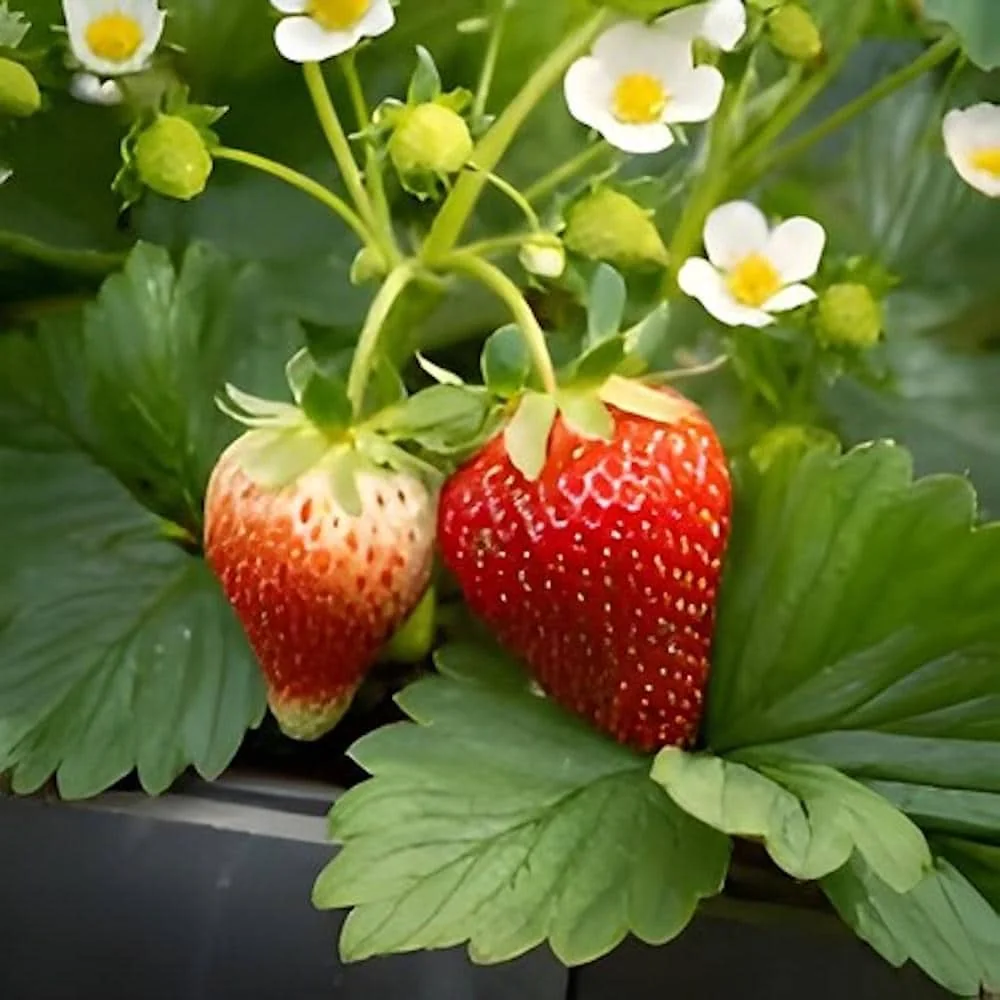
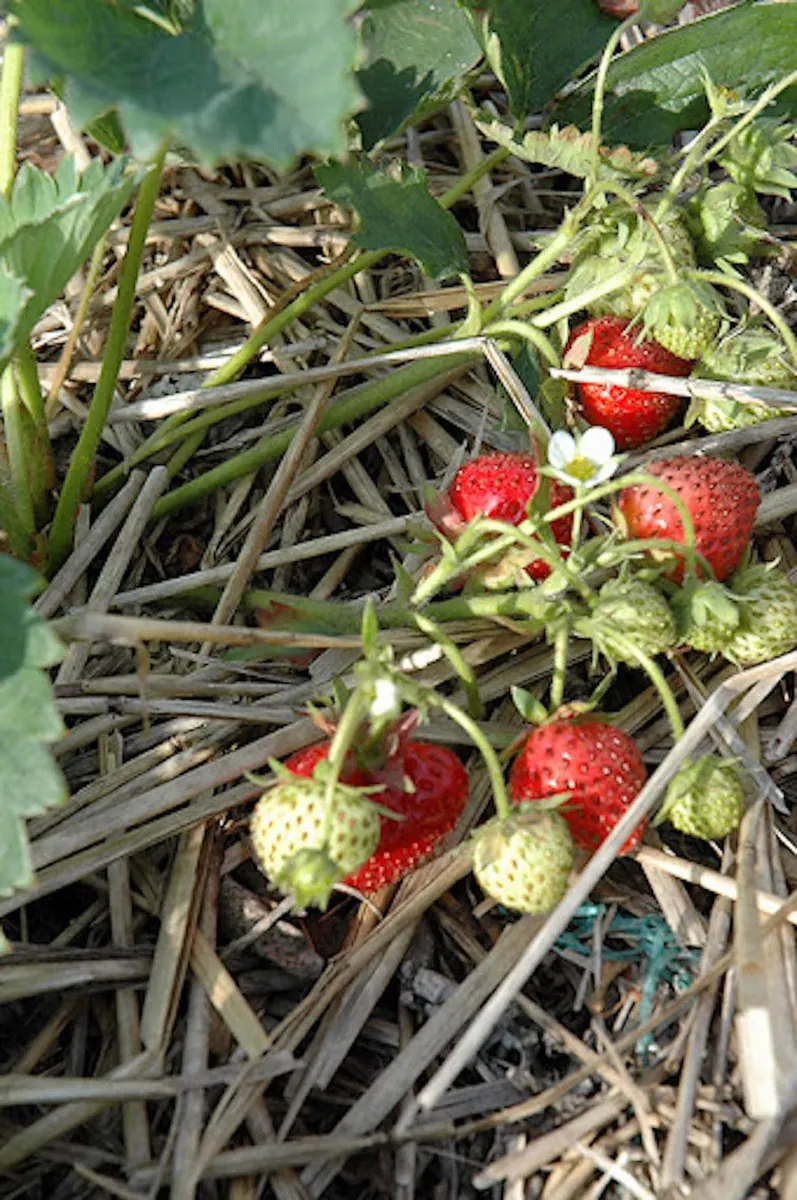
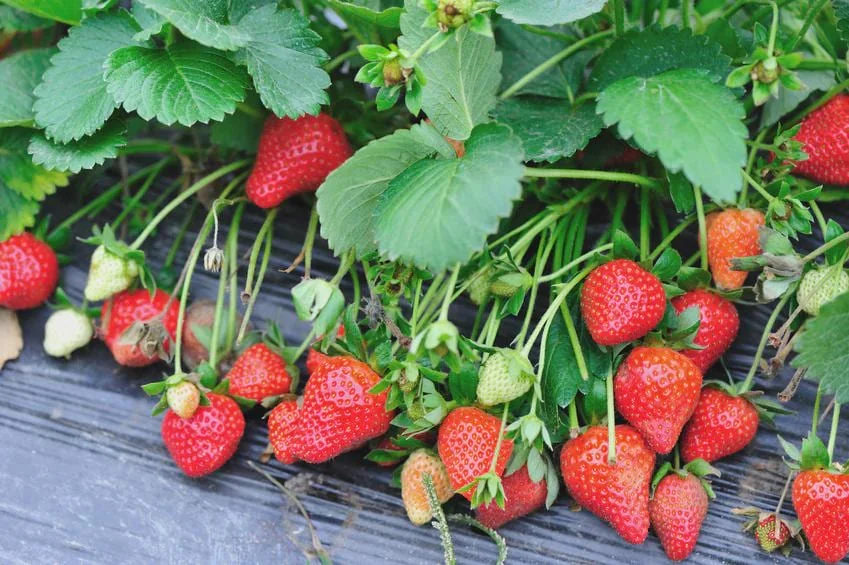
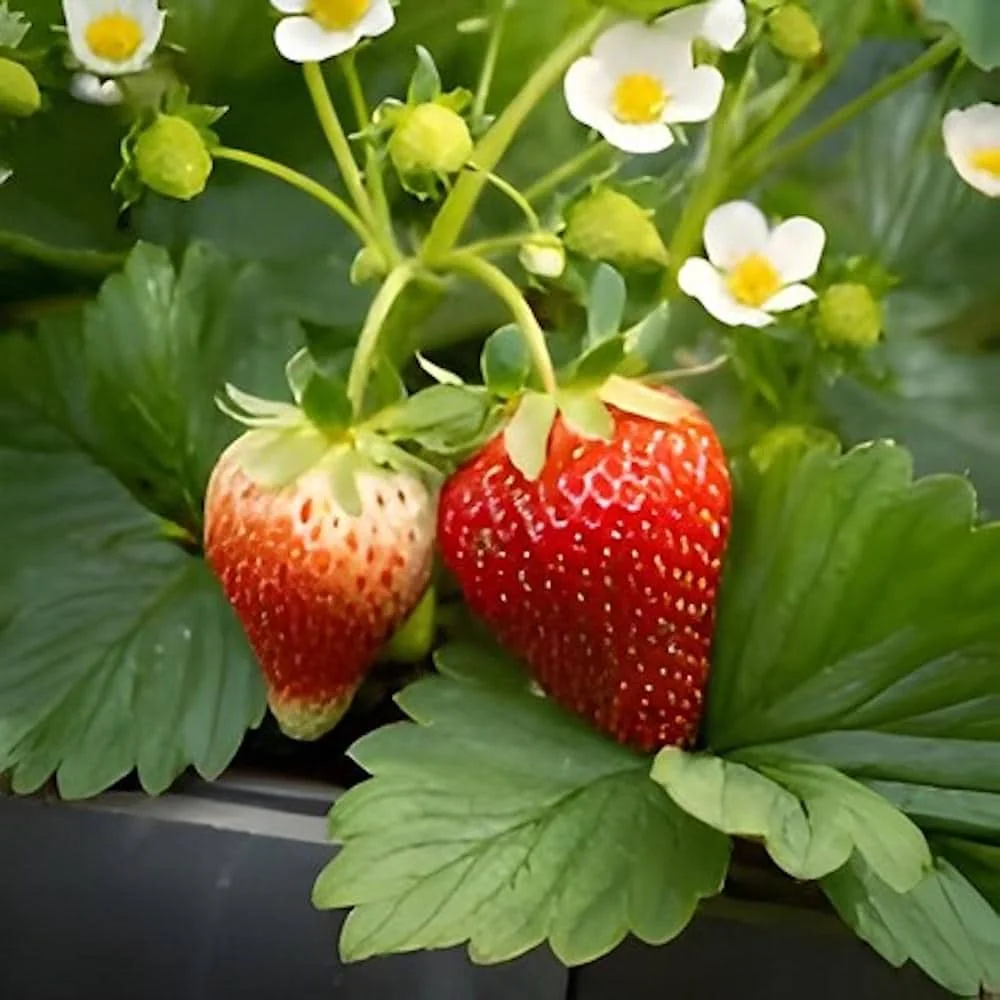
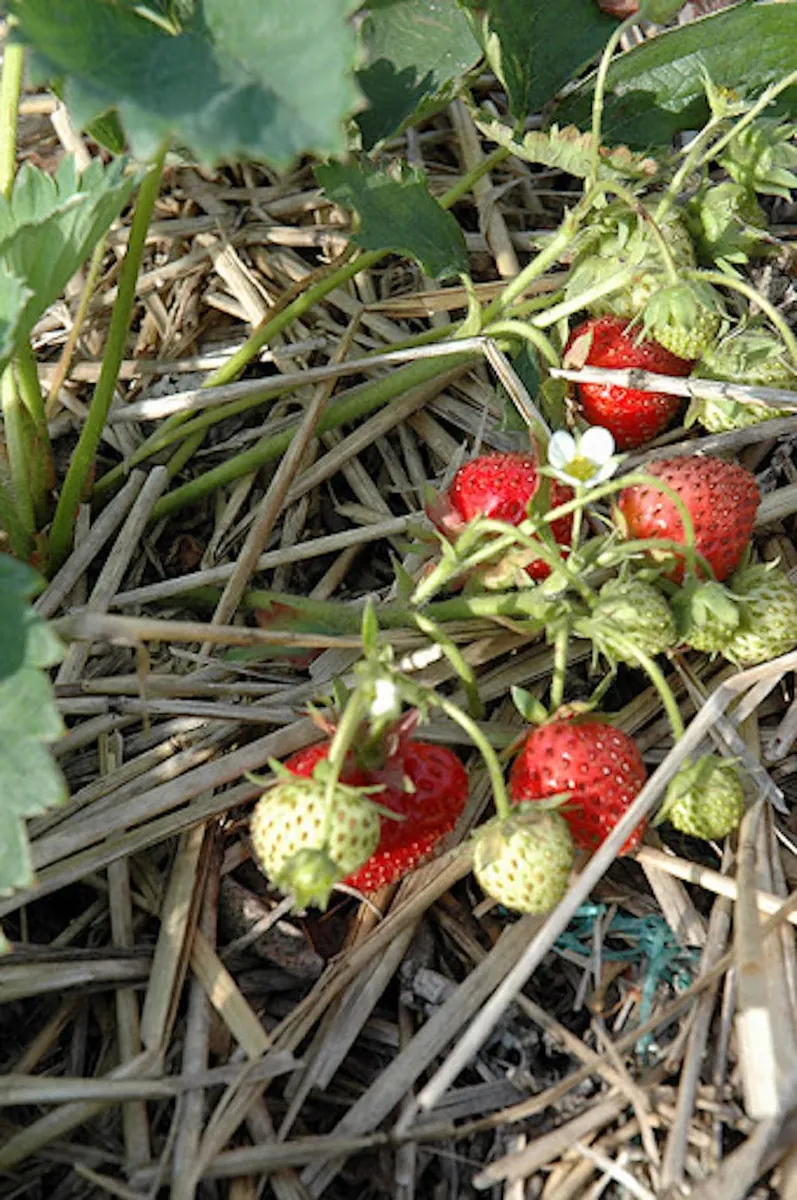
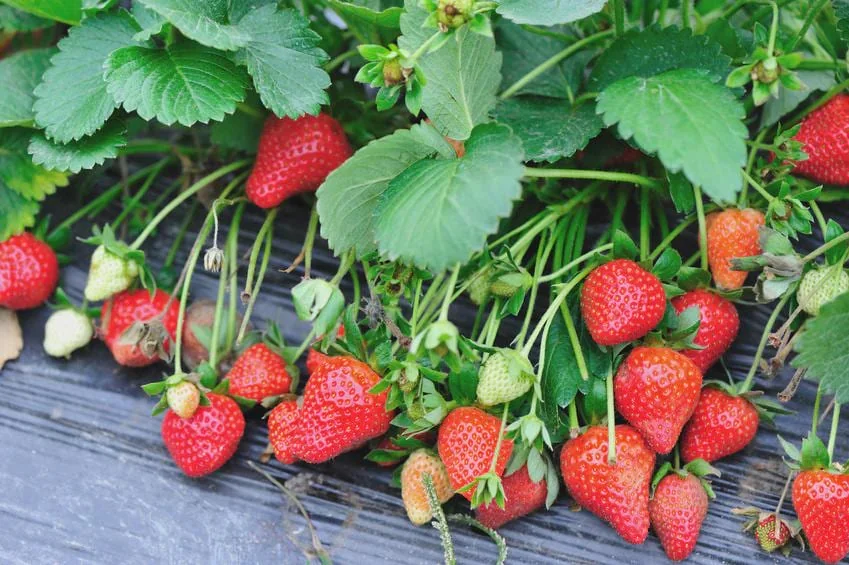
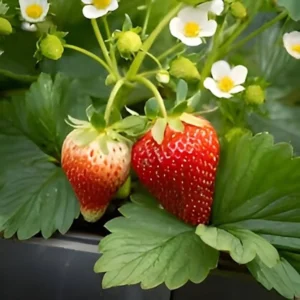
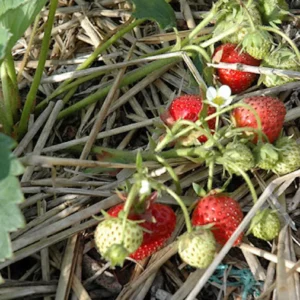
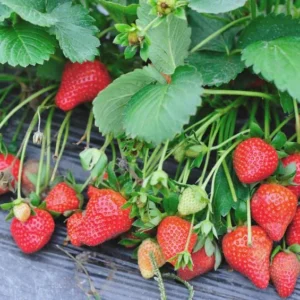
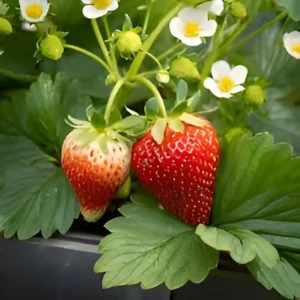
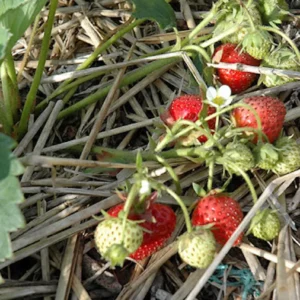
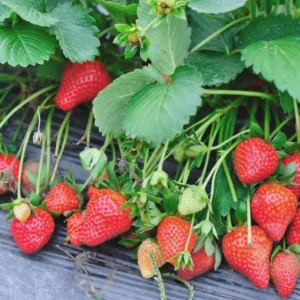
This offering includes 100 Blakemore strawberry bare roots, providing a substantial quantity for establishing a productive strawberry patch. Each bare root is a dormant plant ready for immediate planting upon arrival. When mature, Blakemore strawberry plants typically grow to a height of 6-12 inches and spread about 12-18 inches, forming dense clumps that produce runners. These runners can be used to propagate new plants, further expanding your strawberry beds. The fruits themselves are medium-sized, firm, and conical, known for their bright red color and sweet taste. Expect your first significant harvest from these Blakemore strawberry bare roots in the year following planting, with June-bearing varieties producing their main crop in early summer.
The bare root form allows for easy shipping and planting, as the plants are dormant and lack soil, minimizing transplant shock. With proper care, these robust plants will quickly establish themselves, developing strong root systems and healthy foliage. The vigorous growth habit of Fragaria x ananassa means you’ll soon have a flourishing patch of berries. Regular renovation of your strawberry bed every 3-4 years, by removing older plants and allowing new runners to replace them, will help maintain productivity and health of your strawberry bare root plants.
Frequently Asked Questions
- Q: How large will these Blakemore strawberry plants grow? A: Mature Blakemore strawberry bare roots typically grow to about 6-12 inches tall with a spread of 12-18 inches. They will also produce runners that can extend the patch.
- Q: What are the ideal growing conditions for Blakemore strawberries? A: These June-bearing strawberry plants prefer full sun (6-8+ hours daily) and well-drained soil with a slightly acidic to neutral pH. They are hardy in USDA Zones 3-8.
- Q: Are these strawberry plants easy to care for, especially for beginners? A: Yes, Blakemore strawberries are relatively hardy and tolerant of moderate drought, making them a good choice for beginners. Consistent watering and proper sun are key for these Fragaria x ananassa plants.
- Q: What condition will the bare roots arrive in? A: Your 100 Blakemore strawberry bare roots will arrive dormant and without soil, ready for planting. It’s best to plant them as soon as possible after arrival.
- Q: When is the best time to plant these bare roots? A: The best time to plant strawberry bare root plants is typically in early spring after the last frost, or in late fall in milder climates.
- Q: How long until I can expect to harvest strawberries? A: You can expect your first significant harvest of Blakemore strawberries in the spring/early summer of the year following planting. Some fruit may appear in the first year.
- Q: Will these strawberries survive winter in my region? A: Blakemore strawberries are hardy in USDA Zones 3 through 8. In colder zones, applying a layer of mulch after the first hard frost will help them overwinter successfully.
- Q: Can I grow these Blakemore strawberries in containers? A: While primarily grown in the ground, Blakemore strawberry bare roots can be grown in large containers or raised beds with good drainage, provided they receive adequate sunlight and water.
- Q: Do these plants require a lot of water? A: They require consistent moisture, especially during establishment and fruiting, but good drainage is crucial to prevent root rot. They tolerate moderate drought once established.
- Q: What is the benefit of a June-bearing strawberry variety? A: June-bearing strawberry plants produce one large, concentrated crop of fruit over a 2-3 week period in early summer, making them ideal for processing into jams or freezing.
Be the first to review “100 Blakemore Strawberry Bare Roots – Fragaria x ananassa – Outdoor Fruit Plants”
People Also Viewed
Sold 70 products
From $7.38
Sold 85 products
Original price was: $39.98.$19.99Current price is: $19.99.
Flower Plants
Candy Stripes Creeping Phlox Live Plant – Perennial – Quart Pot – Outdoor Flowering Groundcover
Sold 53 products
Original price was: $47.96.$23.98Current price is: $23.98.
Sold 90 products
From $4.26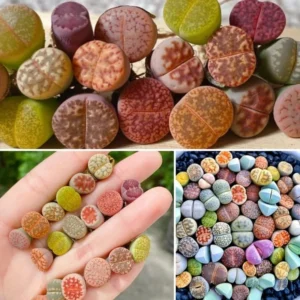
HousePlants
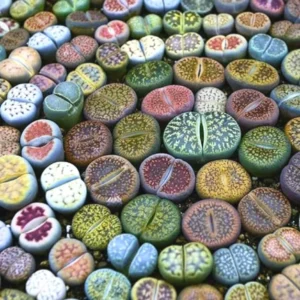
Lithops Live Plants Mix – 10 Large Colorful Living Stones Succulents for Indoor/Outdoor Growing
Sold 53 products
Original price was: $27.98.$13.99Current price is: $13.99.
Sold 63 products
From $19.00
Sold 84 products
Original price was: $77.98.$38.99Current price is: $38.99.
HousePlants
Purple Nepenthes Pitcher Plant Live – Exotic Tropical Houseplant for Indoor/Outdoor Décor
Sold 98 products
$65.98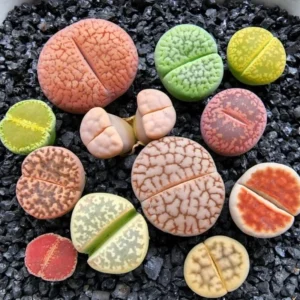
Sold 87 products
Original price was: $39.98.$19.99Current price is: $19.99.
Sold 90 products
Original price was: $79.98.$39.99Current price is: $39.99.

Sold 62 products
Original price was: $51.98.$25.99Current price is: $25.99.
Sold 62 products
From $6.84
Sold 65 products
From $22.98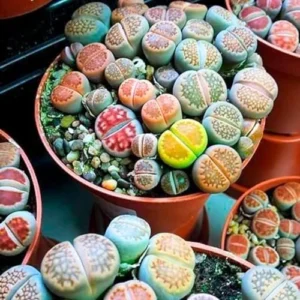
HousePlants
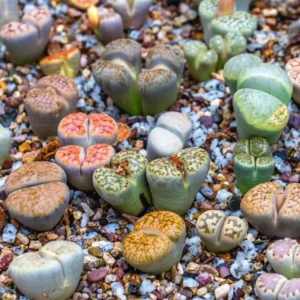
Lithops Live Plants Mix – 30 Colorful Succulents – Living Stones for Indoor/Outdoor Planting
Sold 75 products
Original price was: $65.98.$32.99Current price is: $32.99.
Sold 50 products
Original price was: $79.08.$39.54Current price is: $39.54.
Sold 82 products
$48.38
Sold 95 products
From $4.26
Sold 94 products
Original price was: $111.96.$55.98Current price is: $55.98.


Reviews
There are no reviews yet.