
100 American Elderberry Cuttings – Organic Sambucus canadensis Fruiting Shrub
Original price was: $188.00.$150.40Current price is: $150.40.
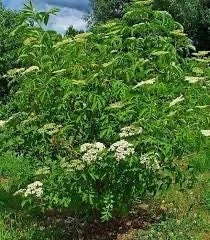
Cultivate your own organic American Elderberry cuttings. This pack contains 100 unrooted Sambucus canadensis cuttings, perfect for establishing a productive fruiting shrub in your garden. Known for its large berry clusters and health benefits, it’s ideal for edibles and attracting wildlife.
-
USDA Hardiness Zone
USDA Zones 3-9 -
Soil Type
Rich, moist, well-draining soil -
Sunlight Exposure
Full sun to partial shade -
Expected Planting Period
Spring to early summer

You can track your order HERE
Feb 28
Mar 05 - Mar 07
Mar 10 - Mar 14
Shipping and return policies: Our Alive & Thrive Guarantee covers issues with your plants within the first 30 days. Reach out to us. Our team will answer your questions and help you find the plants that are truly suitable for your environment, climate, and personal preferences.

Overview
Embark on a rewarding gardening journey by growing your own American Elderberry cuttings. This generous offering provides 100 high-quality, unrooted cuttings of Sambucus canadensis, the beloved native American elderberry. These cuttings are the perfect starting point for establishing a thriving patch of fruiting shrubs, known for their abundant harvests of nutrient-rich berries. The American Elderberry cuttings are sourced from robust, healthy plants, ensuring you receive viable material ready for propagation. With a little care and patience, these cuttings will root and grow into mature plants that produce delicious fruits, cherished for their culinary uses and health benefits. This plant is a fantastic addition to any edible landscape, providing not only food but also ecological value as a fast-growing, upright shrub that supports local wildlife.
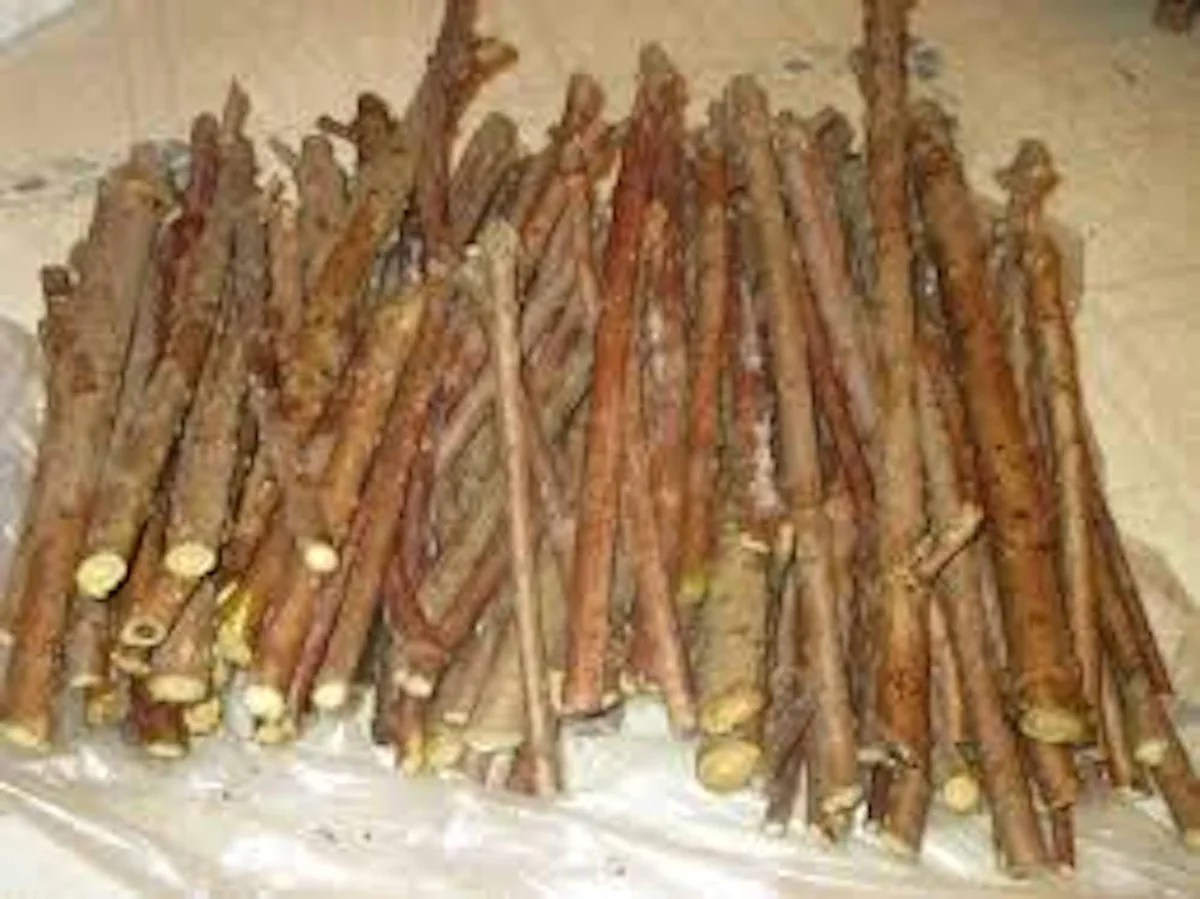
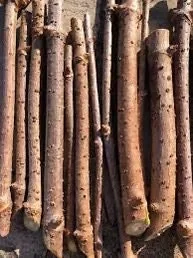
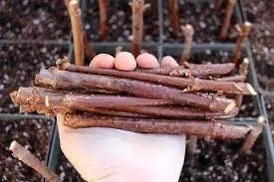
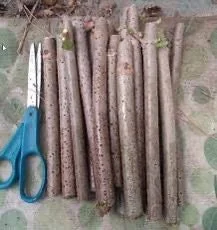
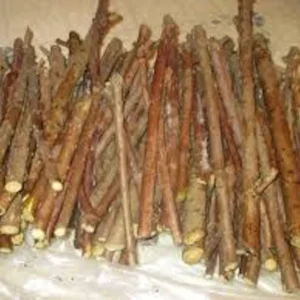
Each cutting is a segment of live growth, typically measuring 5-8 inches, ensuring a good foundation for rooting. While the primary offering is 100 cuttings, you may receive additional smaller or thinner cuttings as a bonus, which often root just as successfully. Occasionally, exceptionally thick or even pre-rooted material may be included, further enhancing your chances of a bountiful harvest. Growing Sambucus canadensis from cuttings is an economical and satisfying way to expand your garden or start a new elderberry patch.
Key Benefits
The American Elderberry cuttings offer a multitude of benefits for both gardeners and the environment. Cultivating this plant brings a wealth of advantages, from its edible fruits to its ecological contributions. Here are some of the key benefits you can expect:
- Abundant Fruit Production: Once established, these Sambucus canadensis plants produce large clusters of berries, perfect for making jams, jellies, pies, and elderberry syrup. Enjoy a prolific harvest of healthy, delicious fruit year after year.
- Exceptional Health Benefits: Elderberries are renowned for their high antioxidant content and immune-boosting properties. Growing your own ensures a fresh supply of these beneficial fruits, contributing to a healthy lifestyle.
- Attracts Wildlife: The berries and flowers serve as a valuable food source for birds and pollinators, making your garden a haven for local wildlife. This plant is an excellent choice for creating a biodiverse ecosystem.
- Fast-Growing and Upright Habit: American Elderberry cuttings develop into fast-growing, upright shrubs, quickly establishing themselves in your landscape. This rapid growth means you can enjoy fruits fairly quickly once the plants are established.
- Versatile Edible Plant: Beyond the berries, the flowers can also be used to make elderflower cordial or fritters. It’s a versatile plant for those interested in edible landscaping. Remember to ONLY eat fully ripened berries; green parts of the plant or unripe berries are not edible.
- Easy Propagation: Starting with cuttings makes it relatively easy to propagate and expand your elderberry collection. The provided material is designed for successful rooting, allowing you to multiply your plants.
Plant Care & Growing Tips
Caring for your American Elderberry cuttings to ensure they establish and thrive is a straightforward process, especially with the right techniques. Elderberries are generally hardy and adaptable, making them a great choice for many gardeners. For successful rooting, plant the cuttings in a well-draining soil mix; a blend of peat moss, perlite, and compost works wonderfully. Keep the soil consistently moist but not waterlogged during the rooting phase. Placing the cuttings in a warm, humid environment, perhaps under a humidity dome or in a sheltered spot, can significantly increase your success rate. Once rooted, transplant them into their permanent location.
Elderberry plants prefer full sun to partial shade, meaning they need at least 6 hours of direct sunlight per day for optimal fruiting, though they can tolerate some afternoon shade in hotter climates. They thrive in rich, moist, well-draining soil with a pH between 5.5 and 6.5. Regular watering is crucial, especially during dry spells and the fruiting period, to ensure plump berries. Fertilize in early spring with a balanced organic fertilizer to support vigorous growth and fruit production. Pruning can be done in late winter or early spring to remove old, woody stems and encourage new, productive growth. These shrubs are generally hardy in USDA zones 3-9. While relatively pest and disease resistant, monitor for common garden issues and address them promptly. Proper elderberry plant care will lead to a bountiful harvest of delicious berries.
To help you get the best results with your American Elderberry cuttings, consider the methods outlined in a comprehensive propagation manual. This guide often covers specific techniques for maximizing rooting success, including hormone application and optimal environmental conditions. Growing Sambucus canadensis successfully involves understanding its growth habits and providing consistent care throughout its lifecycle. With attention to watering, sunlight, and soil, your cuttings will transform into productive shrubs that provide both beauty and sustenance.
Size & Details
This offering includes 100 American Elderberry cuttings, each measuring approximately 5-8 inches in length. These unrooted live growth cuttings are specifically prepared for propagation, allowing you to establish a large elderberry patch. While the primary count is 100, bonus smaller or thinner cuttings may be included, and occasionally, exceptionally thick or pre-rooted material might be added to enhance your propagation success. The expected growth rate for these fruiting shrub cuttings is moderate to fast once rooted and established in the ground. They will typically begin to produce fruit within 2-3 years, with peak production occurring by the fourth or fifth year.
When mature, Sambucus canadensis can reach heights of 6-12 feet and a similar spread, forming a dense, multi-stemmed shrub. These plants are shipped as dormant, unrooted cuttings, ready for you to begin the propagation process. The ultimate size and yield will depend on planting conditions, care, and climate. Proper spacing of 6-10 feet between plants is recommended to allow for adequate air circulation and growth. Growing elderberry plant care starts with understanding these foundational details.
Frequently Asked Questions
- Q: How big do these American Elderberry cuttings grow? A: Once rooted and established, these American Elderberry cuttings will grow into shrubs that typically reach 6-12 feet tall and wide. Their mature size depends on growing conditions and pruning.
- Q: Is this an indoor or outdoor plant? A: Sambucus canadensis is an outdoor plant, best suited for garden beds, hedgerows, or edible landscapes. It requires outdoor conditions to thrive and produce fruit.
- Q: How much sunlight do American Elderberry plants need? A: Elderberries prefer full sun to partial shade, meaning they need at least 6 hours of direct sunlight daily for optimal fruiting. They can tolerate some afternoon shade.
- Q: Is this plant easy to care for? A: Yes, elderberries are relatively easy to care for once established. They require consistent moisture, good soil, and occasional pruning. Following basic elderberry plant care guidelines will ensure success.
- Q: What condition will the cuttings arrive in? A: The American Elderberry cuttings will arrive as unrooted, live growth segments, typically 5-8 inches long, ready for you to begin the propagation process. They are dormant for shipping.
- Q: How long until these cuttings produce fruit? A: Once successfully rooted and planted, you can expect these fruiting shrub cuttings to start producing berries within 2-3 years, with a more substantial harvest by the fourth or fifth year.
- Q: Will American Elderberry survive winter in my zone? A: Sambucus canadensis is very hardy and can survive winters in USDA Zones 3-9, making it suitable for a wide range of climates across the US.
- Q: Can I grow elderberry in containers? A: While possible, elderberries are large shrubs and perform best when planted directly in the ground. If using containers, choose very large pots (at least 15-20 gallons) and ensure consistent watering.
- Q: What are the best methods to root these cuttings? A: For successful rooting of your American Elderberry cuttings, place them in a well-draining soil mix, keep the soil consistently moist, and provide a warm, humid environment. Using rooting hormone can also improve success rates.
- Q: What are the primary uses for the berries from this fruiting shrub? A: The berries from Sambucus canadensis are primarily used for culinary purposes, such as making jams, jellies, pies, wines, and health-boosting syrups. Remember to only consume fully ripened berries.
Be the first to review “100 American Elderberry Cuttings – Organic Sambucus canadensis Fruiting Shrub”
People Also Viewed
Sold 76 products
Original price was: $39.98.$19.99Current price is: $19.99.
Sold 85 products
From $79.80
HousePlants
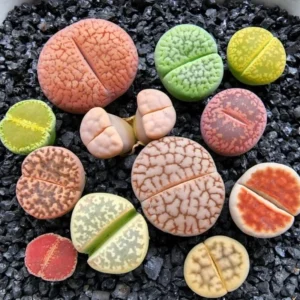
Lithops Live Plants Mix – 10 Large Colorful Living Stones Succulents for Indoor/Outdoor Growing
Sold 63 products
Original price was: $27.98.$13.99Current price is: $13.99.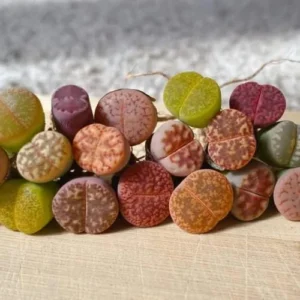
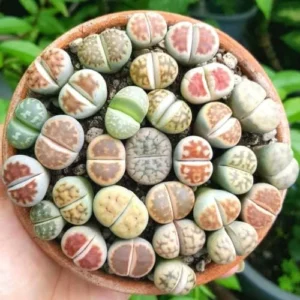
Sold 56 products
Original price was: $39.98.$19.99Current price is: $19.99.
Sold 82 products
$43.98
Sold 60 products
Original price was: $58.68.$35.20Current price is: $35.20.
Sold 79 products
Original price was: $60.00.$48.00Current price is: $48.00.
Sold 97 products
$48.38
Sold 78 products
Original price was: $79.96.$39.98Current price is: $39.98.
Flower Plants
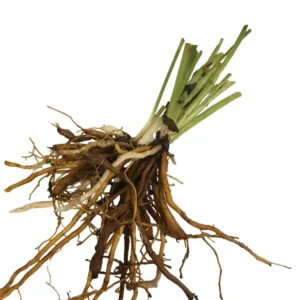
Pardon Me Daylily Bare Root Plant – Fragrant Red Reblooming Hemerocallis, 1-2 Fans, Outdoor
Sold 60 products
From $119.80
Sold 57 products
Original price was: $319.96.$159.98Current price is: $159.98.
Sold 67 products
From $43.98
Sold 100 products
$43.98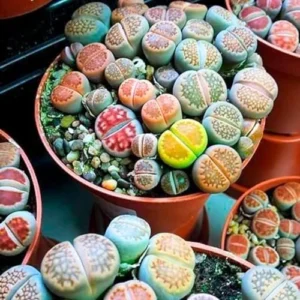
HousePlants
Lithops Live Plants Mix – 30 Colorful Succulents – Living Stones for Indoor/Outdoor Planting
Sold 94 products
Original price was: $65.98.$32.99Current price is: $32.99.
Green Bundle
Sold 81 products
Original price was: $3.24.$1.94Current price is: $1.94.
Sold 84 products
From $51.80
Sold 91 products
Original price was: $120.44.$72.26Current price is: $72.26.
Sold 89 products
Original price was: $46.80.$23.40Current price is: $23.40.



Reviews
There are no reviews yet.