
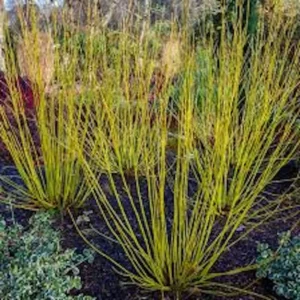
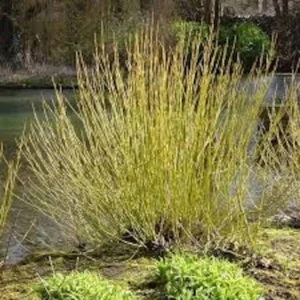
10 Yellow Twig Dogwood Live Shrub – Cornus sericea ‘Flaviramea’ – 12-24in Tall
Original price was: $110.00.$88.00Current price is: $88.00.
Add year-round beauty to your garden with this yellow twig dogwood live plant. Known for its striking bright yellow stems in winter and lush green foliage in warmer months, the Cornus sericea Flaviramea is a versatile and low-maintenance shrub perfect for various landscapes. This starter shrub is 12-24 inches tall, ready to thrive outdoors.
-
USDA Hardiness Zone
USDA Zones 3-8 -
Soil Type
Moist, well-draining soil; adaptable to wet soils -
Sunlight Exposure
Full sun to partial shade -
Expected Planting Period
Early spring or fall

You can track your order HERE
Mar 07
Mar 12 - Mar 14
Mar 17 - Mar 21
Shipping and return policies: Our Alive & Thrive Guarantee covers issues with your plants within the first 30 days. Reach out to us. Our team will answer your questions and help you find the plants that are truly suitable for your environment, climate, and personal preferences.

Overview
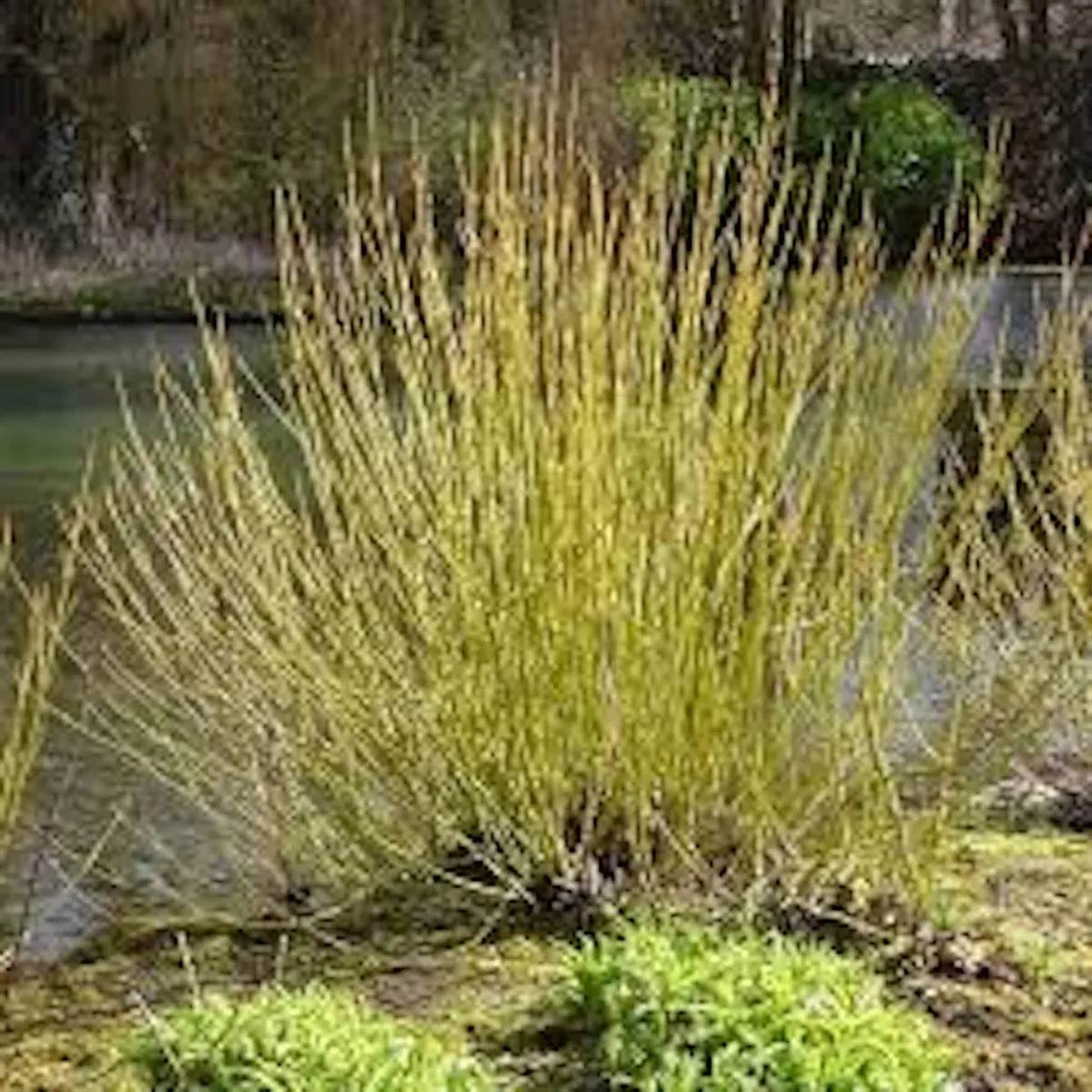
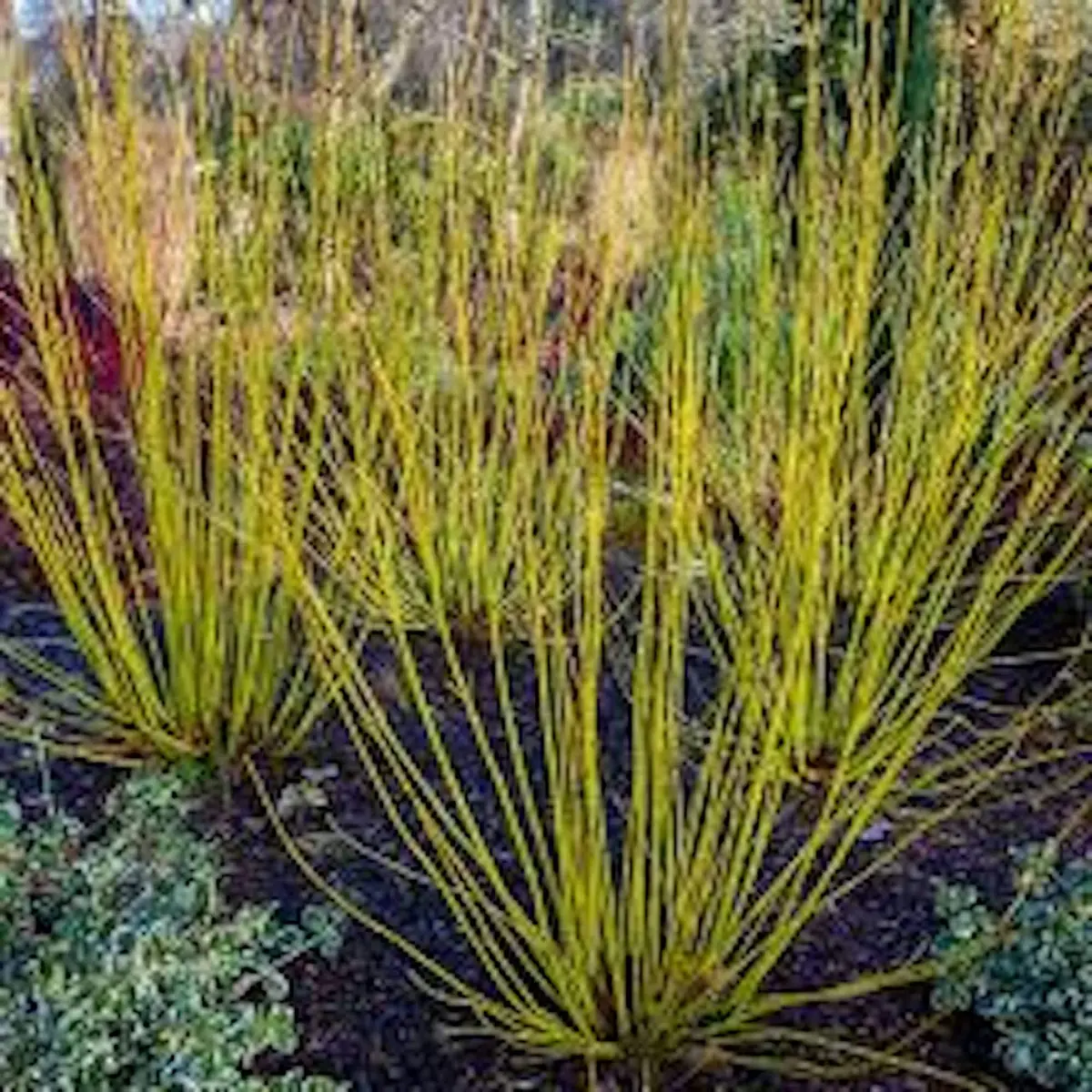
Introduce a splash of vibrant color and year-round appeal to your landscape with the yellow twig dogwood live plant. Scientifically known as Cornus sericea ‘Flaviramea’, this deciduous shrub is a true garden standout, particularly during the colder months when its bright yellow stems provide a stunning contrast against snowy backdrops. This particular offering includes 10 starter shrubs, each measuring 12-24 inches tall, perfect for establishing a beautiful hedge, border, or focal point in your garden. The yellow twig dogwood live plant is celebrated for its dynamic visual interest, transitioning from lush green foliage in spring and summer to brilliant fall colors before revealing its signature yellow stems in winter.
The Cornus sericea ‘Flaviramea’ is a native North American shrub, making it an excellent choice for naturalized plantings and wildlife habitats. Its adaptability and relatively low-maintenance nature make it a favorite among gardeners of all experience levels. Whether you’re looking to create a vibrant winter scene or add a versatile plant to your garden, this yellow twig dogwood live plant is an exceptional choice that promises lasting beauty and enjoyment.
Key Benefits
The yellow twig dogwood live plant offers a multitude of benefits that make it a highly desirable addition to any outdoor space. Its exceptional qualities ensure it will be a valued part of your garden for many years.
- Year-Round Visual Interest: Enjoy bright green leaves in spring and summer, attractive fall foliage, and especially striking bright yellow stems that provide unparalleled beauty during the winter months. This continuous display ensures your garden remains vibrant throughout the seasons.
- Low Maintenance: This shrub is remarkably easy to care for, requiring minimal attention once established. Its robust nature makes it suitable for gardeners seeking beautiful results without extensive effort.
- Adaptable to Various Conditions: The Cornus sericea Flaviramea thrives in a range of soil types and moisture levels, including wet soils, making it an excellent choice for areas where other plants might struggle.
- Wildlife Attraction: The berries produced by the dogwood attract various bird species, contributing to local biodiversity and creating a lively garden environment.
- Erosion Control: Its strong root system makes it useful for stabilizing banks and preventing soil erosion, especially in moist areas.
- Native Plant Benefits: As a native North American shrub, it supports local ecosystems and requires less intervention to thrive in its natural climate.
- Versatile Landscaping: Ideal for mass plantings, hedges, borders, or as a specimen plant, its striking color and form can enhance any garden design, providing significant winter interest plants.
Plant Care & Growing Tips
Caring for your yellow twig dogwood live plant is straightforward, ensuring it flourishes and provides stunning visual appeal throughout the year. Understanding its basic needs will help you cultivate a healthy and vibrant shrub. The yellow dogwood shrub care routine is generally simple, making it a great choice for both novice and experienced gardeners.
For optimal growth, plant your yellow twig dogwood live plant in a location that receives full sun to partial shade. Full sun exposure will encourage the most vibrant yellow stem coloration, particularly in winter. It prefers moist, well-draining soil but is highly adaptable and can tolerate wet conditions, making it suitable for rain gardens or near water features. Regular watering is important during the first growing season to help establish a strong root system. Once established, it is relatively drought-tolerant but will perform best with consistent moisture. The USDA hardiness zones for this plant typically range from 3 to 8, indicating its resilience to cold temperatures.
Pruning is essential for maintaining the vibrant yellow stems. The brightest color occurs on new growth. Annually, in late winter or early spring before new growth appears, prune out about one-third of the oldest, thickest stems at ground level. This encourages the production of new, brightly colored shoots. Fertilization is generally not heavily required, especially in fertile soils. If your soil is poor, a balanced slow-release fertilizer in early spring can be beneficial. Watch out for common pests like leaf spot or canker, though these are usually not severe. Proper air circulation and avoiding overhead watering can help prevent fungal issues. Following these guidelines for yellow dogwood shrub care will ensure your plants thrive.
Size & Details
This offering includes 10 yellow twig dogwood live plant starter shrubs, each measuring approximately 12-24 inches in height. These plants are shipped bare root, meaning they arrive without soil around their roots, which is a common and effective method for shipping deciduous shrubs. Upon arrival, it is crucial to plant them promptly to ensure successful establishment. The Cornus sericea ‘Flaviramea’ is a moderately fast-growing shrub, typically reaching a mature height of 6-10 feet and a similar spread, forming a dense, multi-stemmed bush. Its growth rate is generally 1-2 feet per year under ideal conditions, allowing you to quickly achieve the desired landscape effect. Expect to see significant growth and vibrant stem coloration within the first few years.
The distinctive bright yellow stems become most prominent in fall and winter after the leaves have dropped, providing exceptional winter interest plants. In spring, the shrub produces small, white flowers, followed by white berries that are attractive to birds. The foliage is a rich green during the growing season, turning to shades of red and purple in the fall before dropping. These bare root starters are an economical way to establish multiple plants for larger landscaping projects, contributing to an overall cohesive and visually appealing garden design. This specific variety is also well-regarded as one of the most adaptable shrubs for garden use.
Frequently Asked Questions
- Q: How big does this plant get? A: The yellow twig dogwood live plant typically reaches a mature height of 6-10 feet and can spread equally wide, forming a dense, multi-stemmed shrub. Its size can be managed with annual pruning.
- Q: Is this an indoor or outdoor plant? A: This is an outdoor plant, specifically a deciduous shrub well-suited for garden beds, borders, and naturalized areas. It is particularly known for its cold hardiness.
- Q: How much sunlight does it need? A: The yellow twig dogwood live plant thrives in full sun to partial shade. For the most vibrant stem color, especially in winter, full sun exposure is recommended.
- Q: Is this plant easy to care for? A: Yes, the Cornus sericea Flaviramea is considered a low-maintenance shrub. It is adaptable to various conditions and requires minimal care once established, making yellow dogwood shrub care quite easy.
- Q: What condition will it arrive in? A: These plants are shipped bare root, meaning they will arrive without soil around their roots. It is important to plant them as soon as possible after receiving them to ensure successful establishment.
- Q: When is the best time to plant? A: The best time to plant bare root shrubs like the yellow twig dogwood live plant is in early spring or fall when the plant is dormant. This allows the roots to establish before extreme temperatures.
- Q: Will it survive winter in my zone? A: Yes, the Cornus sericea ‘Flaviramea’ is very cold hardy and is suitable for USDA zones 3-8, meaning it can withstand significant winter temperatures. It is an excellent choice for winter interest plants.
- Q: How long until it shows its yellow stems? A: The vibrant yellow stems are most noticeable in late fall and winter after the leaves have dropped. New growth typically exhibits the brightest coloration, which is encouraged by annual pruning.
- Q: Can I use this shrub for erosion control? A: Yes, due to its vigorous root system and tolerance for moist soils, the yellow twig dogwood live plant is an excellent choice for erosion control, especially on slopes or near water.
- Q: Is this shrub considered an adaptable shrub for garden use? A: Absolutely. Its tolerance for various light conditions, soil types, and moisture levels, combined with its cold hardiness, makes it a highly adaptable shrub for garden applications.
Be the first to review “10 Yellow Twig Dogwood Live Shrub – Cornus sericea ‘Flaviramea’ – 12-24in Tall”
People Also Viewed
Sold 58 products
Original price was: $201.60.$100.80Current price is: $100.80.
Sold 93 products
$329.98
Sold 57 products
From $197.96
Sold 73 products
Original price was: $66.76.$33.38Current price is: $33.38.
Sold 75 products
From $197.98
Sold 66 products
Original price was: $14.00.$7.00Current price is: $7.00.
Sold 54 products
From $63.80
Sold 64 products
$35.18

Sold 90 products
Original price was: $14.76.$7.38Current price is: $7.38.
Sold 59 products
$61.58
Sold 61 products
Original price was: $69.99.$49.99Current price is: $49.99.

Sold 83 products
Original price was: $247.96.$123.98Current price is: $123.98.
Sold 59 products
Original price was: $39.98.$19.99Current price is: $19.99.
Sold 75 products
$65.98
Sold 96 products
Original price was: $146.76.$73.38Current price is: $73.38.
Sold 84 products
Original price was: $201.60.$100.80Current price is: $100.80.
Sold 51 products
Original price was: $177.60.$88.80Current price is: $88.80.
Sold 97 products
Original price was: $201.60.$100.80Current price is: $100.80.



Reviews
There are no reviews yet.