
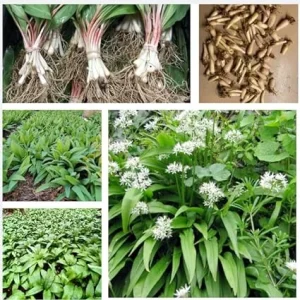
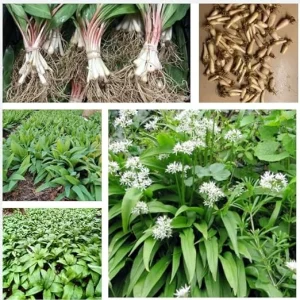
10 Wild Ramp Bulbs for Planting – Edible Perennial, USDA Zones 3-9
Original price was: $23.60.$11.80Current price is: $11.80.
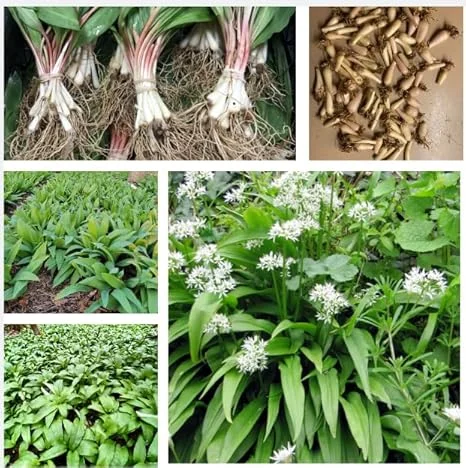
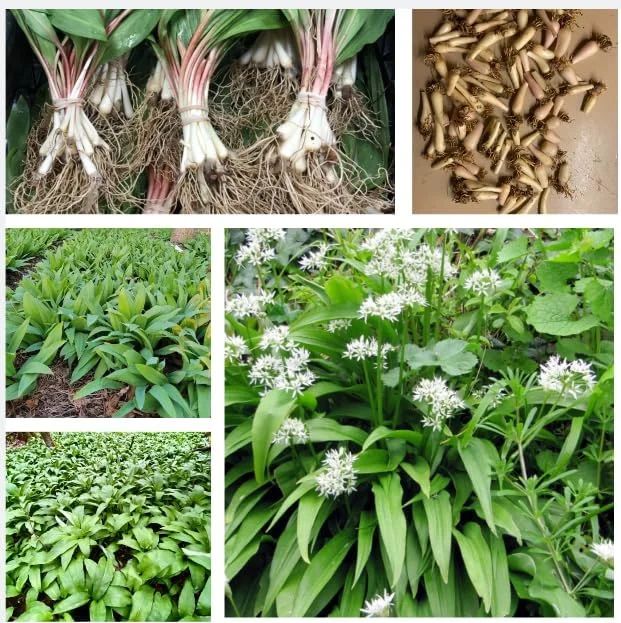
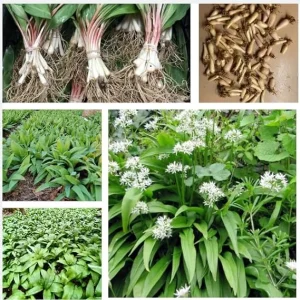
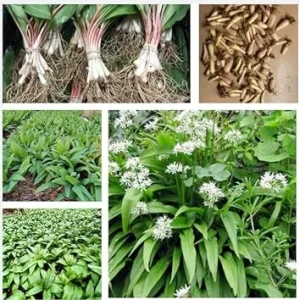
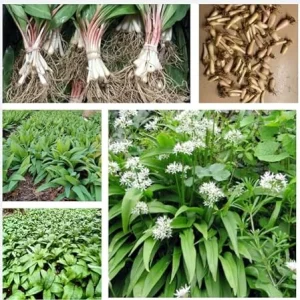
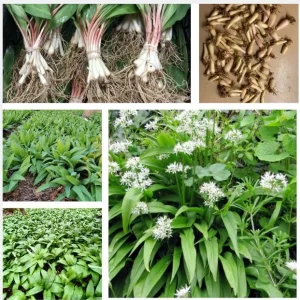
Start your own patch of gourmet wild ramp bulbs for planting! This pack includes 10 dormant bulbs, ready to establish in your garden. Enjoy the unique onion-garlic flavor of these perennial woodland edibles. Perfect for shaded areas and adaptable to USDA Zones 3-9.
-
USDA Hardiness Zone
3-9 -
Soil Type
Loam Soil -
Sunlight Exposure
Partial to Full Shade -
Expected Planting Period
Fall or Early Spring

You can track your order HERE
Mar 23
Mar 28 - Mar 30
Apr 02 - Apr 06
Shipping and return policies: Our Alive & Thrive Guarantee covers issues with your plants within the first 30 days. Reach out to us. Our team will answer your questions and help you find the plants that are truly suitable for your environment, climate, and personal preferences.

Overview
Embark on a culinary adventure by cultivating your very own patch of delicious woodland treasures with these wild ramp bulbs for planting. Ramps, scientifically known as Allium tricoccum, are highly sought-after perennial wild onions celebrated for their distinctive flavor, a delightful blend of garlic and onion. This offering provides 10 dormant bulbs, ready to be introduced into your garden, allowing you to enjoy fresh, homegrown ramps year after year. Ideal for shaded areas, these bulbs will establish themselves and provide a sustainable source of this gourmet ingredient. Growing your own wild ramp bulbs for planting is a rewarding experience, transforming your garden into a source of unique flavors and a haven for native woodland plants.
These bulbs are perfect for gardeners looking to add an edible native plant to their landscape. They thrive in conditions similar to their natural woodland habitat, making them an excellent choice for shaded or partially shaded spots under deciduous trees. With minimal care, you can look forward to harvesting these flavorful greens in early spring, adding a vibrant, pungent kick to your dishes. Our wild ramp bulbs for planting are carefully selected to ensure viability and successful establishment in your home garden.
Key Benefits
Growing your own ramps offers a multitude of benefits, from culinary delight to ecological contribution. These edible ramp bulbs are more than just a plant; they are an investment in your garden and your palate. Here are some of the key advantages:
- Gourmet Edibility: Ramps are a highly prized culinary ingredient, known for their unique, pungent flavor that combines the best of garlic and onion. Having your own supply means fresh, seasonal ingredients for spring dishes.
- Perennial Growth: Once established, these bulbs will return year after year, providing a sustainable and expanding harvest without the need for annual replanting. This makes them a truly rewarding long-term addition to your garden.
- Shade-Loving Plant: Perfect for those challenging shaded areas where many other plants struggle. Ramps thrive in dappled sunlight, making them an ideal groundcover for woodland gardens or under mature trees.
- Ecological Contribution: As native woodland plants, ramps contribute to local biodiversity and can help support a healthy ecosystem in your garden. They are an early spring food source for native pollinators.
- Low Maintenance: Once established, ramps require relatively little care, making them suitable for both experienced gardeners and those new to growing edibles. Their natural resilience ensures they thrive with minimal intervention.
- Distinctive Aroma: Beyond their taste, ramps offer a pleasant, earthy aroma that signals the arrival of spring in your garden. The scent alone is a delightful experience for any nature lover.
- Adaptable to Various Zones: These wild ramp bulbs for planting are hardy across a wide range of climates, thriving in USDA Zones 3-9, making them accessible to many gardeners across the US.
Plant Care & Growing Tips
Successful cultivation of wild ramp bulbs for planting largely depends on replicating their natural woodland environment. Ramps prefer a partially to full shaded location, mimicking the understory of deciduous forests where they naturally grow. Avoid direct, intense afternoon sun, which can scorch their delicate leaves. The ideal soil for ramps is rich, moist, and well-drained, with a high organic content. Loam soil is excellent, but amending your garden soil with compost or leaf mold will create the perfect conditions for these bulbs to flourish. Ensure good drainage to prevent rot, but keep the soil consistently moist, especially during their active growth period in spring.
Plant your edible ramp bulbs 2-3 inches deep, with the pointed end facing upwards, and space them 4-6 inches apart. Planting is best done in the fall or early spring. Once planted, a layer of leaf mulch can help retain moisture, suppress weeds, and provide nutrients as it decomposes, mimicking their natural forest floor habitat. Ramps are hardy perennials, tolerant of cool temperate climates within their specified hardiness zones. Fertilization is generally not necessary in rich, organic soil, but a light application of a balanced, organic fertilizer in early spring can boost growth. Monitor for excessive dryness and water as needed, ensuring the soil remains moist but never waterlogged. Understanding proper ramp plant care is crucial for a bountiful harvest.
Size & Details
This offering includes 10 individual wild ramp bulbs for planting, providing a solid foundation for establishing your own ramp patch. Each bulb is dormant and ready for planting, typically measuring 0.5 to 1 inch in diameter. Once established, mature ramp plants can reach an expected height of approximately 1 foot (12 inches) with their broad, green leaves emerging in early spring. The bulbs themselves are small, approximately 6 x 6 x 6 inches in overall package dimensions for the 10-count. Ramps are slow to establish and spread, so patience is key. It may take a few seasons for them to truly colonize an area, but once they do, they will continue to multiply, offering a growing harvest each year.
They are known for their early spring emergence, typically blooming with small white flowers later in the spring before going dormant in late spring to early summer as deciduous trees leaf out. The USDA Hardiness Zone suitability for these edible ramp bulbs is 3-9, indicating their robust nature and ability to thrive in a wide range of temperate climates. They prefer loam soil and require moderate watering to keep the soil consistently moist, but not saturated. These bulbs are a fantastic opportunity to add a unique, perennial edible to your garden that will provide years of enjoyment.
Frequently Asked Questions
- Q: How big do these ramp plants get? A: Once established, individual ramp plants typically grow to about 1 foot (12 inches) in height, with broad, green leaves emerging in early spring. The bulbs themselves are small, usually less than an inch in diameter.
- Q: Is this an indoor or outdoor plant? A: These wild ramp bulbs for planting are primarily an outdoor plant, thriving in shaded woodland garden settings. While they can be grown in containers, they prefer natural outdoor conditions for long-term health and spread.
- Q: How much sunlight do wild ramps need? A: Wild ramps prefer partial to full shade. They are accustomed to growing under the canopy of deciduous trees, emerging before the trees fully leaf out. Avoid direct, intense afternoon sun.
- Q: Is this plant easy to care for? A: Once established in suitable conditions (shade, rich, moist soil), ramps are relatively low-maintenance. The initial planting and site selection are the most crucial steps for successful ramp plant care.
- Q: When is the best time to plant wild ramp bulbs? A: The best time to plant edible ramp bulbs is in the fall, allowing them to establish roots over winter, or in early spring as soon as the ground can be worked.
- Q: What condition will the bulbs arrive in? A: The bulbs will arrive dormant, which is their natural state for planting. They will be ready to plant directly into your prepared garden bed.
- Q: Can I use these ramp bulbs for culinary purposes immediately? A: It is recommended to plant the bulbs and allow them to establish for at least one to two seasons before harvesting, especially if you want your patch to multiply and provide a sustainable harvest.
- Q: Will it survive winter in my zone? A: Yes, these wild ramp bulbs for planting are hardy and suitable for USDA Zones 3-9, meaning they are well-equipped to survive cold winters and re-emerge in spring.
- Q: What kind of soil is best for growing ramps? A: Ramps thrive in rich, moist, well-draining loam soil with a high organic content. Amending your soil with compost or leaf mold is highly beneficial.
- Q: Where to buy ramp bulbs that are reliable? A: You’ve found them here! These bulbs are selected for their quality and viability to help you successfully grow your own ramp patch.
Be the first to review “10 Wild Ramp Bulbs for Planting – Edible Perennial, USDA Zones 3-9”
People Also Viewed

Sold 77 products
From $16.48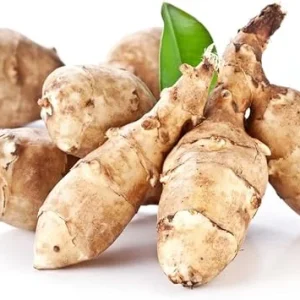
Vegetables
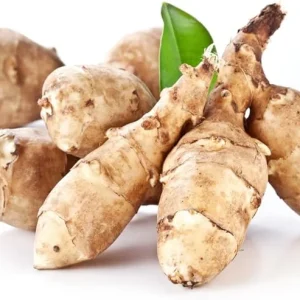
5 Large Jerusalem Artichoke Tubers for Planting – Fresh Sunchokes, Sunroots, Hardy Perennial
Sold 56 products
Original price was: $45.98.$22.99Current price is: $22.99.
Sold 95 products
Original price was: $183.16.$91.58Current price is: $91.58.
Sold 96 products
Original price was: $35.98.$17.99Current price is: $17.99.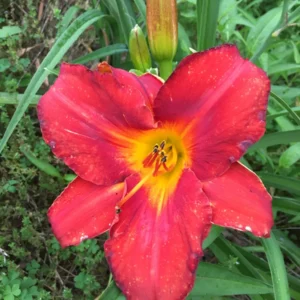
Flower Plants
Pardon Me Daylily Bare Root Plant – Fragrant Red Reblooming Hemerocallis, 1-2 Fans, Outdoor
Sold 86 products
From $119.80
Sold 76 products
Original price was: $55.80.$27.90Current price is: $27.90.
Sold 99 products
Original price was: $127.96.$63.98Current price is: $63.98.
Shrubs
Dwarf Hamelia Live Plant – 2-Pack Starter Plants, 4-6″ Tall, Orange Flowers, Hummingbird Friendly
Sold 53 products
Original price was: $31.98.$15.99Current price is: $15.99.
Sold 88 products
Original price was: $355.96.$177.98Current price is: $177.98.
Sold 84 products
Original price was: $57.98.$28.99Current price is: $28.99.
Sold 72 products
Original price was: $59.98.$29.99Current price is: $29.99.
Lawn & Garden - Gardening & Lawn Care - Plants
Sold 67 products
Original price was: $29.60.$14.80Current price is: $14.80.

Sold 72 products
Original price was: $51.96.$25.98Current price is: $25.98.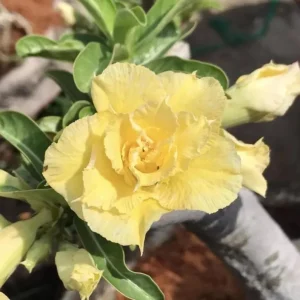
Succulents
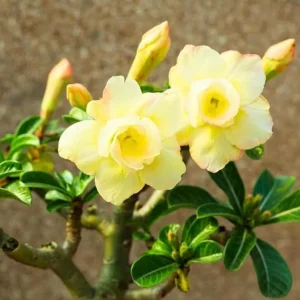
Double Yellow Desert Rose Live Plant – Adenium Obesum Starter – 6-8″ Tall – Yellow Flowers
Sold 65 products
Original price was: $47.98.$23.99Current price is: $23.99.
Sold 84 products
Original price was: $37.98.$18.99Current price is: $18.99.
HousePlants
Lithops Live Plants Mix – 10 Large Colorful Living Stones Succulents for Indoor/Outdoor Growing
Sold 90 products
Original price was: $27.98.$13.99Current price is: $13.99.
Sold 77 products
Original price was: $30.78.$15.39Current price is: $15.39.
Sold 86 products
Original price was: $50.00.$40.00Current price is: $40.00.


Reviews
There are no reviews yet.