
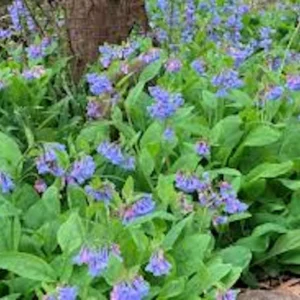
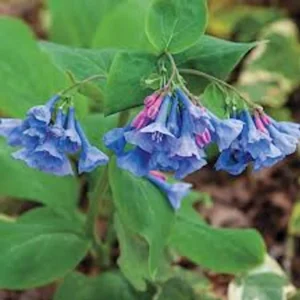
10 Virginia Bluebell Mertensia virginica Wildflower Bare Roots
Original price was: $50.00.$40.00Current price is: $40.00.
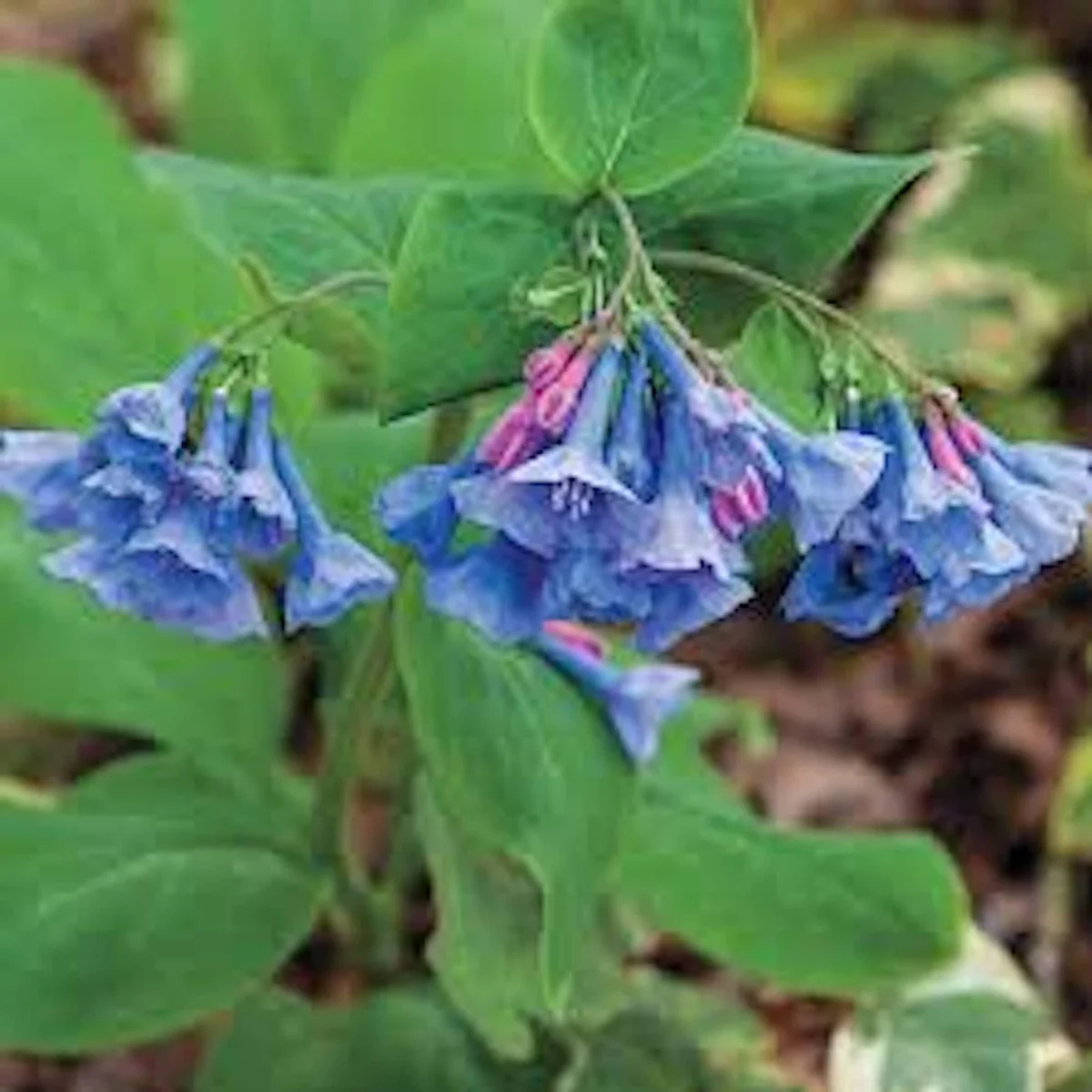
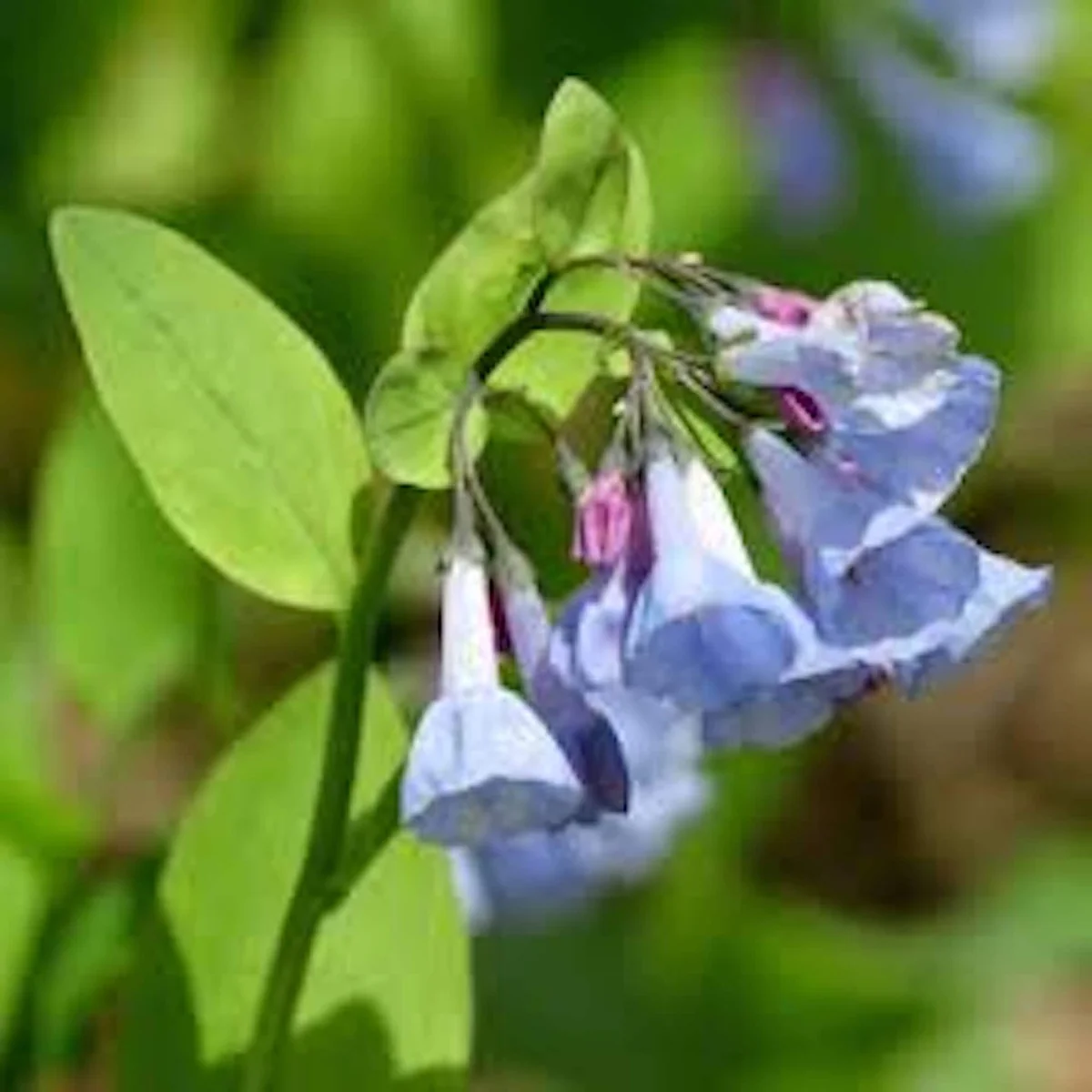
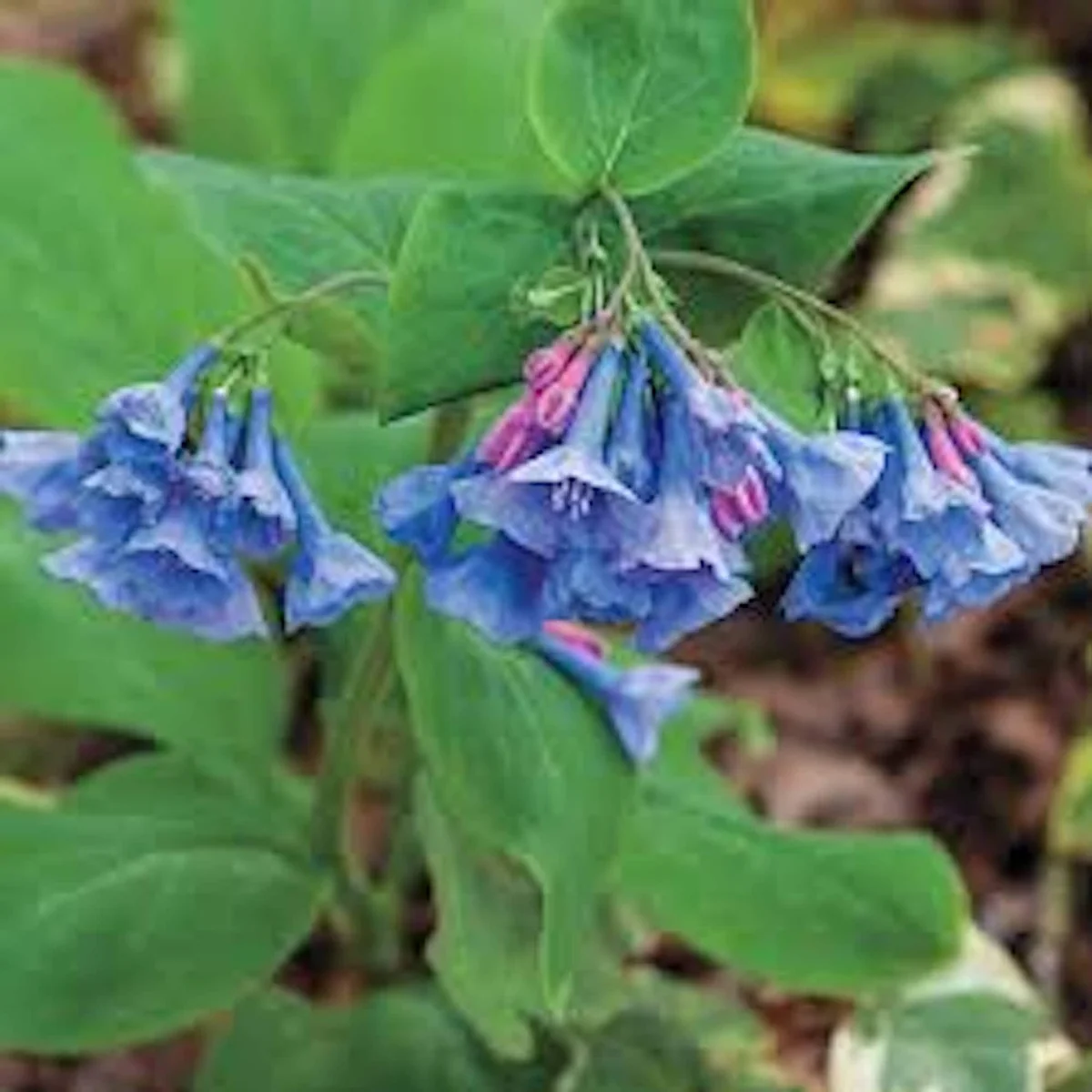
Enhance your shaded garden with 10 Virginia Bluebell bare roots (Mertensia virginica). These native, herbaceous perennial wildflowers offer delicate pink-to-blue bell-shaped flowers, providing a vibrant display in early spring. Ideal for woodland gardens and naturalized areas, they are a beautiful Mertensia virginica wildflower selection.
-
USDA Hardiness Zone
USDA Zones 3-8 -
Soil Type
Moist, rich, well-draining, slightly acidic to neutral soil -
Sunlight Exposure
Partial to full shade -
Expected Planting Period
Fall to early spring

You can track your order HERE
Feb 27
Mar 04 - Mar 06
Mar 09 - Mar 13
Shipping and return policies: Our Alive & Thrive Guarantee covers issues with your plants within the first 30 days. Reach out to us. Our team will answer your questions and help you find the plants that are truly suitable for your environment, climate, and personal preferences.

Overview
Bring the enchanting beauty of early spring to your garden with these Virginia Bluebell bare roots. Each order includes 10 Virginia Bluebell bare roots (Mertensia virginica), ready to establish and flourish in your landscape. These native, herbaceous perennial wildflowers are celebrated for their charming clusters of drooping, bell-shaped flowers that undergo a captivating color transformation from delicate pink to stunning blue as they mature. Known as spring ephemerals, they emerge in early spring, bloom vibrantly, and then gracefully recede as warmer weather arrives, making them a unique and valued addition to any garden. The distinctive bluish-green foliage complements their colorful blossoms, creating a serene and picturesque display.
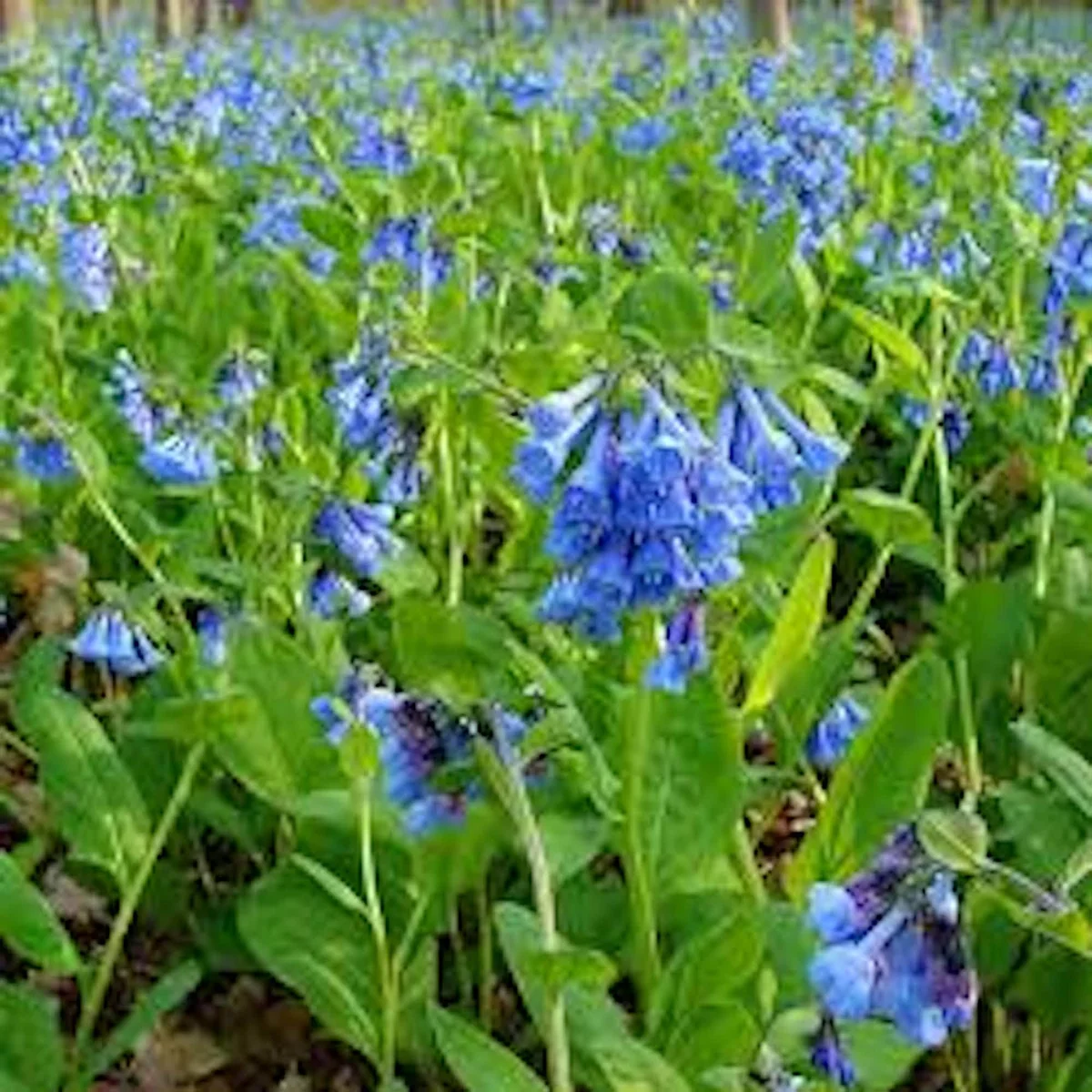
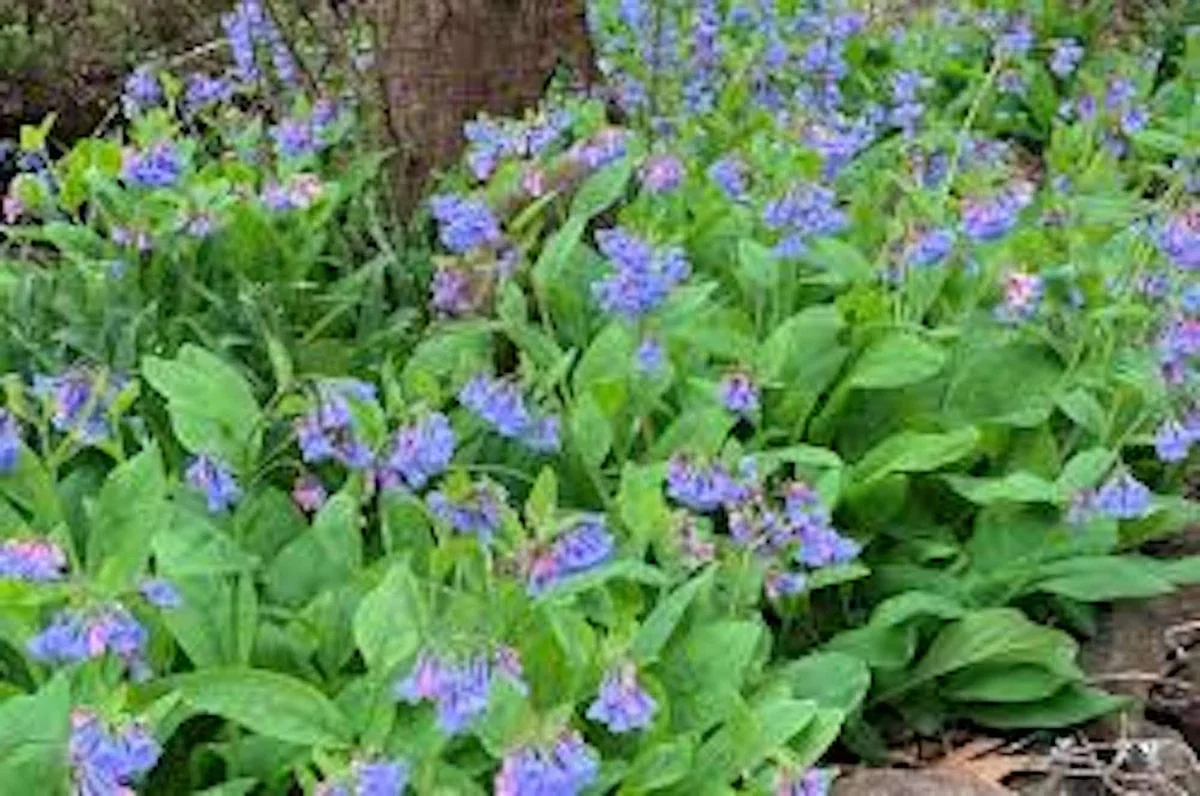
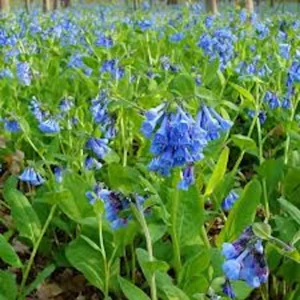
Virginia Bluebell bare roots are an excellent choice for naturalizing in woodland gardens, shaded borders, or along stream banks. They are remarkably easy to grow and maintain, offering a reliable splash of color year after year. These resilient plants are also a vital early nectar source for pollinators like bees and butterflies, contributing to a healthy garden ecosystem. Planting these bare roots provides a cost-effective and efficient way to establish a beautiful patch of these beloved native wildflowers.
Key Benefits
Investing in Virginia Bluebell bare roots offers numerous advantages for your garden and local ecosystem. These plants are not only visually appealing but also contribute to biodiversity and garden health.
- Stunning Spring Display: Enjoy a breathtaking show of pink-to-blue bell-shaped flowers that elegantly transition in color, signaling the arrival of spring. The vibrant hues of this Mertensia virginica wildflower create a serene and captivating atmosphere.
- Native & Eco-Friendly: As a native wildflower, Mertensia virginica supports local wildlife, providing essential early-season nectar for pollinators such as bees and butterflies. This makes them an excellent choice for a sustainable and biodiverse garden.
- Spring Ephemeral Charm: Experience the unique cycle of spring ephemerals that emerge, bloom, and then gracefully disappear, allowing other plants to take center stage later in the season. This adds an element of surprise and natural rhythm to your garden.
- Low Maintenance: Once established, Virginia Bluebell bare roots require minimal care, making them perfect for busy gardeners or those seeking an effortless natural look. They thrive with little intervention, returning reliably each spring.
- Adaptable to Shade: These bluebells are perfectly suited for moist, shaded, or partially shaded areas where many other flowering plants struggle. They excel in woodland settings or beneath deciduous trees, brightening up darker corners.
- Naturalization: Virginia Bluebells readily naturalize and spread over time, creating dense colonies of beautiful blooms. This makes them ideal for creating a natural, meadow-like appearance in suitable environments.
- Pest and Disease Resistant: Generally robust, Virginia Bluebell bare roots are typically resistant to most common garden pests and diseases, ensuring a healthy and vibrant display without constant vigilance.
Plant Care & Growing Tips
Caring for your Virginia Bluebell bare roots is straightforward, ensuring a beautiful spring display year after year. These native plants thrive when their specific environmental preferences are met, especially concerning light, soil, and moisture. Proper planting and ongoing care will help your Mertensia virginica wildflower establish strong roots and produce abundant blooms.
Sunlight Requirements: Virginia Bluebells prefer partial to full shade. In their natural habitat, they bloom before deciduous trees fully leaf out, receiving dappled sunlight. Therefore, a location with morning sun and afternoon shade, or consistent dappled shade throughout the day, is ideal. Avoid harsh, direct afternoon sun, which can scorch their delicate foliage and shorten their blooming period. For optimal growth and bloom, choose a spot that mimics a woodland understory.
Watering & Soil: These plants thrive in consistently moist, well-draining soil. They do not tolerate dry conditions, especially during their active growth phase in spring. Water regularly, ensuring the soil remains damp but not waterlogged. Good drainage is crucial to prevent root rot. The ideal soil type is rich, organic, and slightly acidic to neutral. Amending heavy clay soils with compost or other organic matter will improve drainage and fertility, creating a favorable environment for your Virginia Bluebell bare roots. Regular mulching can help retain soil moisture and regulate temperature.
Temperature & Hardiness: Virginia Bluebells are hardy perennials, typically thriving in USDA Zones 3-8. They are well-adapted to cold winters, which are necessary for their dormancy period. No special winter protection is usually required in their hardiness zones. Fertilize sparingly, if at all, with a balanced, slow-release organic fertilizer in early spring as new growth emerges. Watch for slugs and snails, which can occasionally munch on young foliage, but otherwise, they are relatively pest-free. Addressing their specific needs will ensure a robust and beautiful display of this spring ephemeral plants.
Size & Details
This offering includes 10 Virginia Bluebell bare roots, carefully harvested and prepared for planting. Each bare root is a dormant perennial, ready to spring to life upon planting. Virginia Bluebells typically grow to a height of 12-24 inches (30-60 cm) and spread about 12-18 inches (30-45 cm) wide, forming attractive clumps over time. They are known for their medium growth rate, establishing well in the first year and gradually expanding their presence in subsequent seasons.
The bare roots are shipped dormant, ensuring they transplant easily and experience minimal shock. Once planted in suitable conditions, they will emerge in early spring, bloom for several weeks, and then go dormant by mid-summer. The best time to plant these native Virginia Bluebell bare roots is in the fall or very early spring, allowing them to establish before the heat of summer. Expect to see their first blooms in the spring following their planting, with more vigorous displays in subsequent years as the plants mature.
Frequently Asked Questions
- Q: What size are the Virginia Bluebell bare roots I will receive? A: You will receive 10 Virginia Bluebell bare roots, which are dormant root divisions ready for planting. Their size can vary slightly, but all are viable and prepared for successful establishment in your garden.
- Q: How tall do Virginia Bluebells typically grow? A: Virginia Bluebell bare roots mature into plants that typically reach a height of 12 to 24 inches (30-60 cm) when fully grown, creating a beautiful groundcover or mid-layer in shaded gardens.
- Q: Is Mertensia virginica an indoor or outdoor plant? A: Mertensia virginica, or Virginia Bluebell bare roots, are strictly an outdoor plant. They require a period of cold dormancy to thrive and bloom, making them unsuitable for indoor cultivation.
- Q: How much sunlight does a Virginia Bluebell bare root need? A: Virginia Bluebells prefer partial to full shade. They do best with morning sun and afternoon shade, or dappled light throughout the day, mimicking their natural woodland habitat.
- Q: Is this plant easy to care for, especially for beginners? A: Yes, Virginia Bluebell bare roots are considered very easy to care for once established. They are low-maintenance and forgiving, making them an excellent choice for beginner gardeners looking to plant bluebells in shade.
- Q: What condition will the bare roots arrive in? A: Your Virginia Bluebell bare roots will arrive in a dormant state, carefully packaged to ensure their health during transit. They will appear as root sections, ready for immediate planting upon arrival.
- Q: When is the best time to plant Virginia Bluebell bare roots? A: The ideal time to plant Virginia Bluebell bare roots is in the fall or very early spring. This allows the roots to establish before the plant enters its active growth and blooming phase.
- Q: How long until these spring ephemeral plants bloom? A: If planted in fall, you can expect blooms from your Virginia Bluebell bare roots the following spring. If planted in early spring, they may bloom that same season, but a more robust display is likely in the second year.
- Q: Will Virginia Bluebells survive winter in my zone? A: Yes, Virginia Bluebells are hardy perennials and are well-suited for USDA Zones 3-8, meaning they can easily survive cold winters within these regions.
- Q: What kind of soil is best for a native Virginia Bluebell? A: A rich, moist, well-draining soil that is slightly acidic to neutral is best for a native Virginia Bluebell. Amending with organic matter will greatly benefit their growth.
Be the first to review “10 Virginia Bluebell Mertensia virginica Wildflower Bare Roots”
People Also Viewed
Flowers
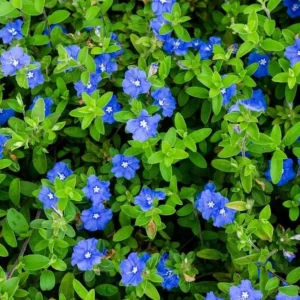
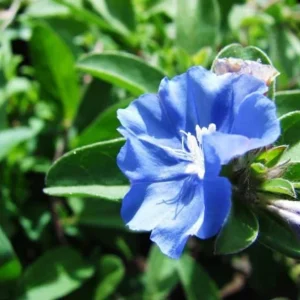
Evolvulus Blue Daze Live Plant – 2 Starter Plants – 3-6″ Tall – Drought-Tolerant Groundcover
Sold 95 products
Original price was: $37.47.$12.49Current price is: $12.49.
Sold 74 products
Original price was: $27.96.$13.98Current price is: $13.98.
Sold 96 products
From $71.96
Sold 76 products
Original price was: $39.98.$19.99Current price is: $19.99.
Sold 60 products
Original price was: $8.36.$4.18Current price is: $4.18.
Sold 66 products
Original price was: $59.98.$29.99Current price is: $29.99.
Sold 78 products
Original price was: $480.00.$240.00Current price is: $240.00.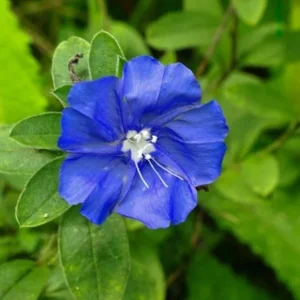
Sold 89 products
Original price was: $63.96.$31.98Current price is: $31.98.
Sold 64 products
Original price was: $130.00.$104.00Current price is: $104.00.
Sold 91 products
Original price was: $87.96.$43.98Current price is: $43.98.
Sold 84 products
$81.38
Sold 63 products
Original price was: $259.80.$129.90Current price is: $129.90.
Sold 91 products
From $79.40
Sold 52 products
Original price was: $18.76.$9.38Current price is: $9.38.
Sold 83 products
Original price was: $25.98.$22.08Current price is: $22.08.
Sold 55 products
Original price was: $69.96.$34.98Current price is: $34.98.
Sold 86 products
Original price was: $14.36.$7.18Current price is: $7.18.
Sold 52 products
Original price was: $355.96.$177.98Current price is: $177.98.


Reviews
There are no reviews yet.