
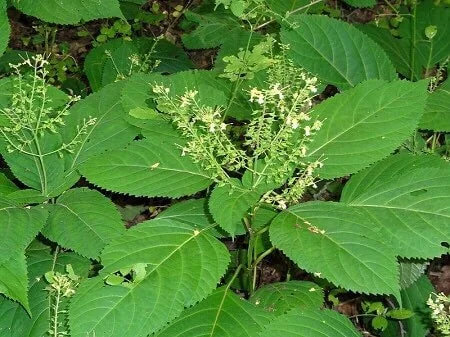
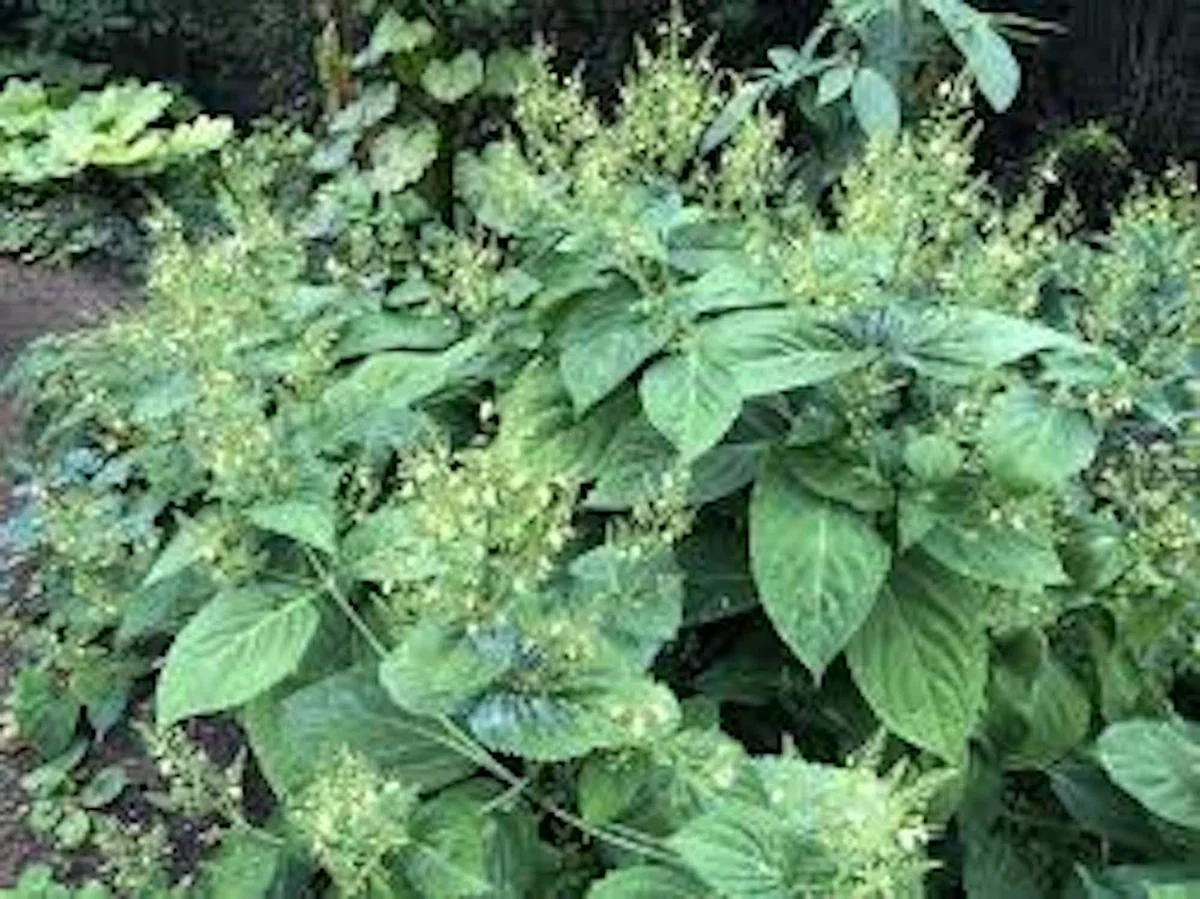
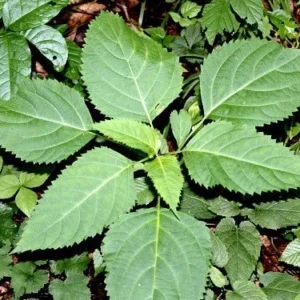
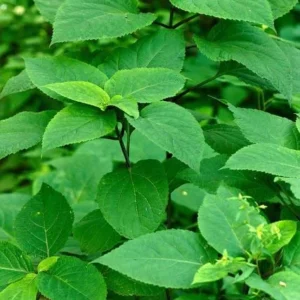
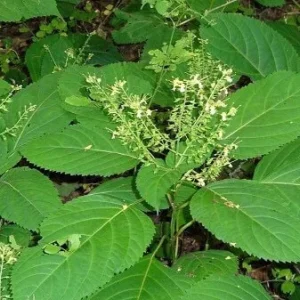
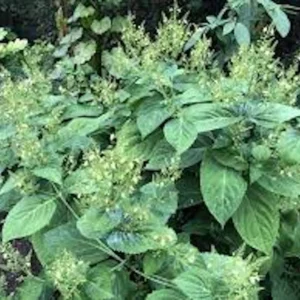
10 Stone Root Bare Root Plants – Collinsonia canadensis Organic Wildflower Transplant
Original price was: $31.98.$25.58Current price is: $25.58.
Receive 10 Stone Root bare root plants (Collinsonia canadensis), perfect for establishing a beautiful perennial wildflower garden. These organically grown roots will establish quickly, offering an attractive addition to shaded areas and providing traditional medicinal benefits. Ideal for naturalizing.
-
USDA Hardiness Zone
USDA Zones 4-8 -
Soil Type
Moist, rich, well-draining soil -
Sunlight Exposure
Partial to full shade -
Expected Planting Period
Spring or fall

You can track your order HERE
Apr 12
Apr 17 - Apr 19
Apr 22 - Apr 26
Shipping and return policies: Our Alive & Thrive Guarantee covers issues with your plants within the first 30 days. Reach out to us. Our team will answer your questions and help you find the plants that are truly suitable for your environment, climate, and personal preferences.

Overview
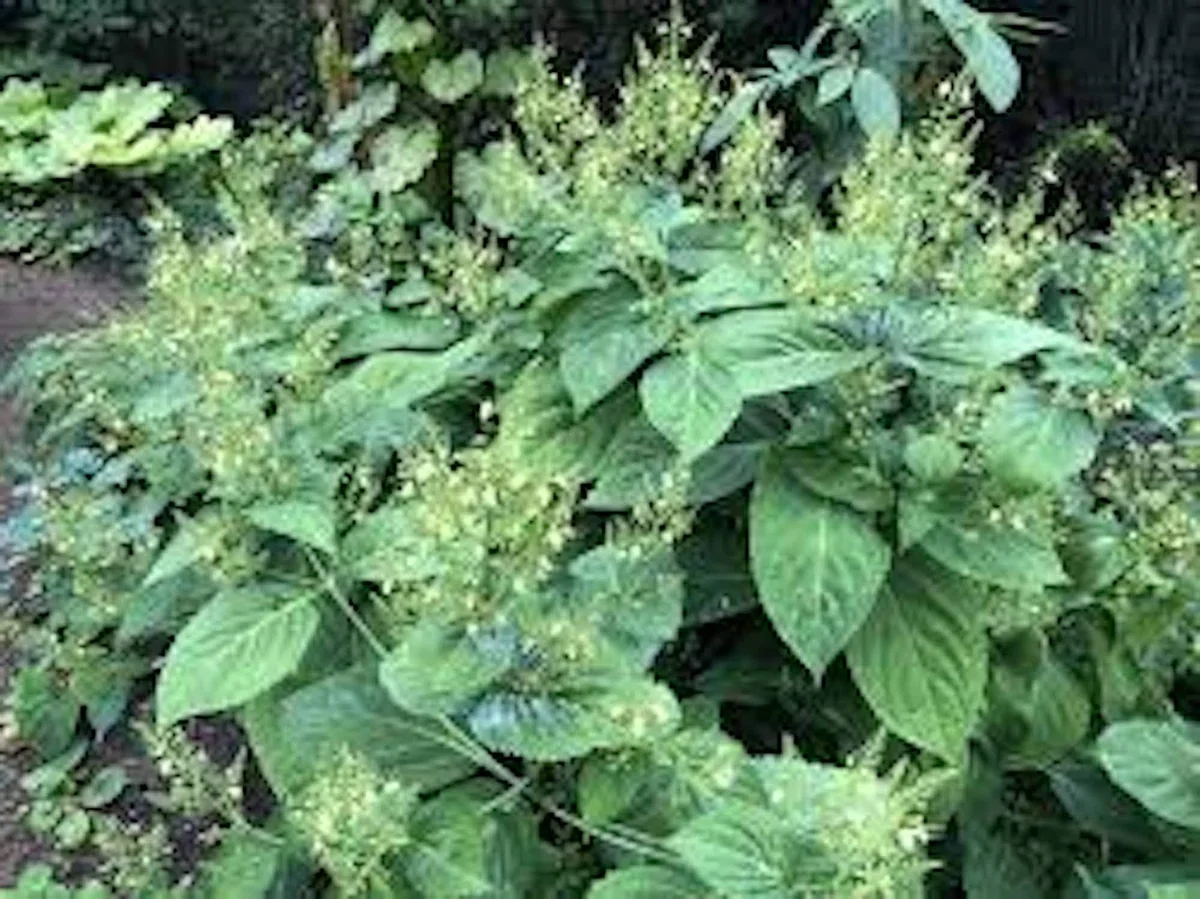
Cultivate a unique and beneficial addition to your garden with our stone root bare root plants. This offering includes 10 organically grown Collinsonia canadensis bare roots, ready for transplanting into your landscape. Collinsonia canadensis, commonly known as Stone Root, Richweed, or Horsebalm, is a fascinating perennial wildflower native to eastern North America. It’s cherished not only for its subtle beauty but also for its historical use as a traditional medicinal herb. These bare roots are an excellent way to introduce a resilient and low-maintenance plant into woodland gardens, shaded borders, or naturalized areas, providing a touch of untamed elegance and supporting local ecosystems. Establishing stone root bare root plants allows you to enjoy their unique foliage and late-season blooms, contributing to a diverse and healthy garden environment.
Our Collinsonia canadensis wildflower roots are carefully harvested per order to ensure maximum freshness and viability upon arrival. Planting bare roots is an economical and effective method to grow plants, as they are dormant and can adapt quickly to their new environment once planted. This native perennial is known for its ability to thrive in partial to full shade, making it a perfect choice for those challenging spots under trees or along north-facing walls. Experience the satisfaction of growing your own organic perennial stone root, knowing you’re contributing to biodiversity and potentially harnessing the plant’s traditional uses.
Key Benefits
Introducing stone root bare root plants into your garden offers a variety of advantages, from ecological contributions to aesthetic appeal and traditional utility. These benefits make them a valuable choice for diverse garden styles.
- Ecological Contribution: As a native wildflower, Collinsonia canadensis supports local pollinators, especially bees and butterflies, which are attracted to its unique late-season flowers. Planting these roots helps to enhance the biodiversity of your garden and provides essential habitat.
- Low Maintenance: Once established, organic perennial stone root is remarkably hardy and requires minimal care. It’s drought-tolerant and disease-resistant, making it an ideal plant for gardeners seeking beauty without constant effort.
- Shade Tolerance: Thriving in partial to full shade, Stone Root is perfect for brightening up dimly lit areas of your garden where many other plants struggle. It’s an excellent choice for woodland gardens or beneath deciduous trees.
- Traditional Medicinal Use: Historically, Stone Root has been valued as a traditional medicinal herb, particularly for its use in herbal remedies. Growing your own allows for a connection to these historical practices (consult a healthcare professional before using for medicinal purposes).
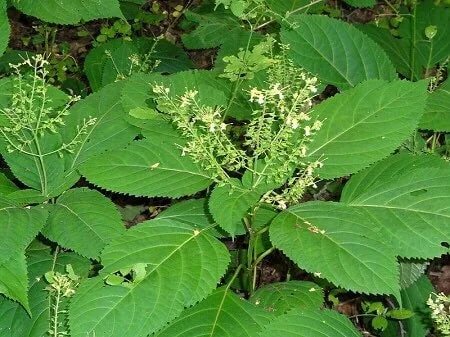
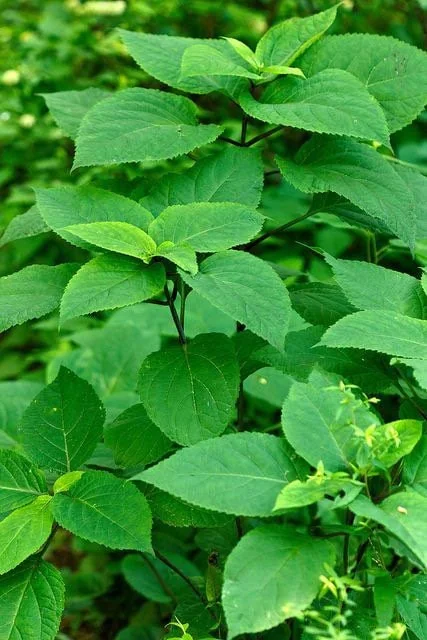
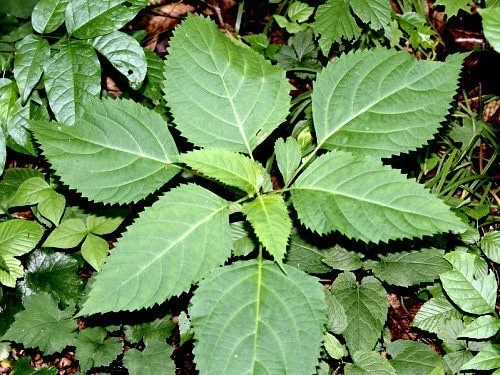
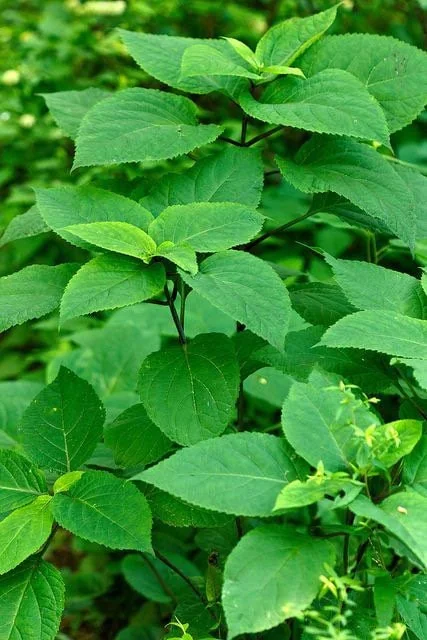
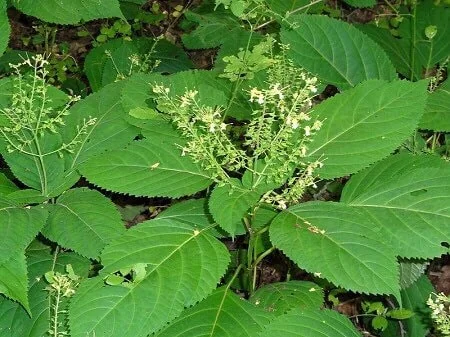
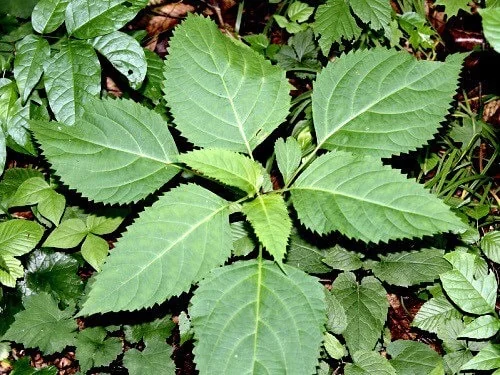
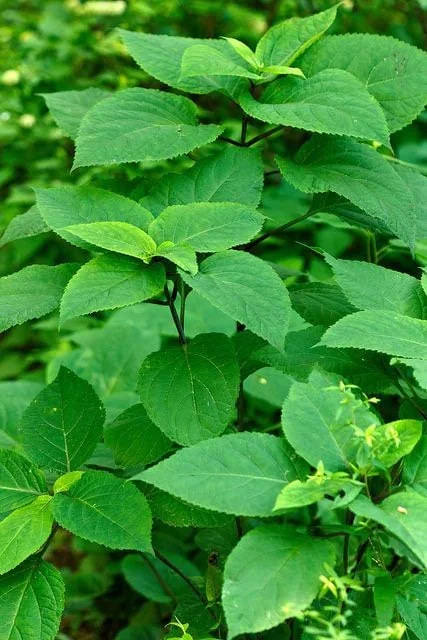
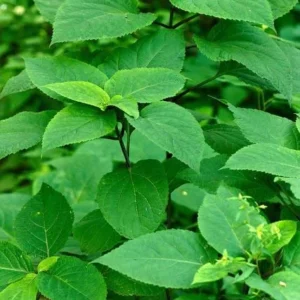
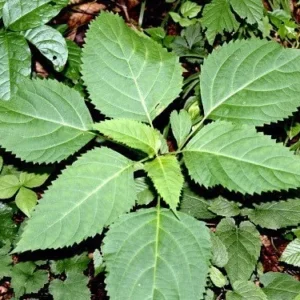
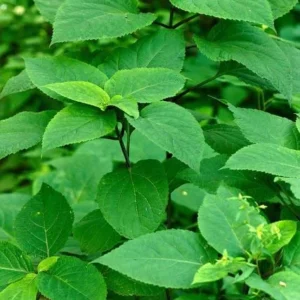
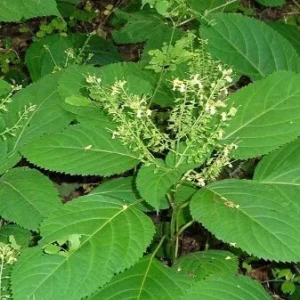
- Unique Foliage & Blooms: The plant features attractive, ovate leaves and produces spikes of small, delicate yellow flowers in late summer to early autumn, offering visual interest when many other plants are fading.
- Naturalizing Capabilities: These stone root bare root plants are excellent for naturalizing, meaning they will spread gradually to form colonies, creating a lush, wild look in appropriate settings.
- Soil Improvement: Collinsonia canadensis can help improve soil structure over time, especially in woodland settings, contributing to a healthier garden ecosystem.
Plant Care & Growing Tips
To successfully grow stone root plants from bare roots, proper planting and initial care are crucial. Stone Root (Collinsonia canadensis) prefers a woodland-like environment, mimicking its natural habitat. Choose a location that receives partial to full shade. While it can tolerate some morning sun, intense afternoon sun can scorch its leaves. The ideal soil for Collinsonia canadensis wildflower is consistently moist, rich in organic matter, and well-draining. Amend heavy clay soils with compost or leaf mold to improve drainage and fertility. When planting your stone root bare root plants, dig a hole wide enough to spread out the roots and deep enough so that the crown (where the roots meet the stem) is just at soil level. Backfill with soil, gently firming it around the roots to remove air pockets, and water thoroughly.
Maintain consistent moisture, especially during the first growing season, to help the roots establish. Once established, Stone Root is quite drought-tolerant but will benefit from occasional watering during prolonged dry spells. Fertilization is generally not necessary in rich, organic soils, but a light application of a balanced, organic fertilizer in spring can encourage vigorous growth. The plant is hardy in USDA zones 4-8. In colder zones, a layer of mulch can help protect the roots over winter. Pests and diseases are rarely an issue for this robust native plant. Periodically check for slugs or snails, especially in damp conditions. Allow the plant to self-seed or divide clumps every few years in spring or fall to propagate. Learning how to grow stone root plants will reward you with a resilient and beautiful woodland perennial.
Size & Details
Each order provides 10 Stone Root bare root plants (Collinsonia canadensis), ensuring a substantial start to your garden project. These bare roots are dormant and ready for planting upon arrival. When mature, Collinsonia canadensis typically grows between 2 to 4 feet tall and spreads 1 to 2 feet wide, forming an attractive clump. The growth rate is moderate, with plants establishing well in their first year and reaching mature size within 2-3 years. The roots are harvested fresh per order to guarantee their vitality and are shipped with planting instructions to guide you through the process. These roots are ideal for transplanting in spring or fall, allowing them to establish before extreme temperatures.
The plants will develop broad, ovate leaves and produce distinctive loose panicles of small yellow, lemon-scented flowers in late summer to early fall. This late bloom period makes it a valuable plant for extending the season of interest in your garden. As an organic perennial stone root, you can expect these plants to return year after year, gradually expanding their presence and enhancing your landscape with minimal intervention. These bare roots offer an economical and effective way to cultivate this unique native wildflower and stone root medicinal herb.
Frequently Asked Questions
- Q: How big does this plant get? A: Collinsonia canadensis typically grows to a height of 2 to 4 feet and spreads about 1 to 2 feet wide, forming a beautiful clump. Its mature size is usually reached within 2-3 years after planting the stone root bare root plants.
- Q: What size pot does it come in? A: This product consists of 10 Stone Root bare root plants, meaning they are dormant roots without soil or a pot. They are ready for direct planting into your garden or a larger container if preferred.
- Q: Is this an indoor or outdoor plant? A: Stone Root (Collinsonia canadensis) is primarily an outdoor plant, thriving in woodland garden settings. It is not typically grown as an indoor houseplant due to its specific light and humidity requirements.
- Q: How much sunlight does it need? A: This Collinsonia canadensis wildflower prefers partial to full shade. It performs best in areas with dappled sunlight or deep shade, mimicking its natural forest understory habitat. Avoid intense afternoon sun.
- Q: Is this plant easy to care for? A: Yes, once established, organic perennial stone root is considered a low-maintenance plant. It’s quite hardy, drought-tolerant, and generally pest and disease resistant, making it suitable for gardeners of various skill levels.
- Q: What condition will it arrive in? A: Your stone root bare root plants will arrive dormant, fresh, and ready for planting. They are harvested per order to ensure optimal health and viability upon delivery.
- Q: When is the best time to plant? A: The best time to plant bare roots is in early spring after the last frost, or in the fall, allowing the roots to establish before winter. This gives the plants ample time to settle in.
- Q: Can I use stone root for medicinal purposes? A: Stone Root has a history as a traditional stone root medicinal herb. However, it is crucial to consult with a qualified healthcare professional or herbalist before using any plant for medicinal purposes. We sell these plants for horticultural purposes only.
- Q: Will it survive winter in my zone? A: Collinsonia canadensis is hardy in USDA Zones 4-8. If you are within these zones, it should reliably return each spring. In colder zones, a layer of protective mulch can improve winter survival.
- Q: How long until it blooms? A: Stone Root typically blooms in late summer to early autumn, usually from August to October. You may see blooms in the first year if planted in spring, or more robust flowering in the second year.
Be the first to review “10 Stone Root Bare Root Plants – Collinsonia canadensis Organic Wildflower Transplant”
People Also Viewed
Flower Plants
Cape Jasmine Plants – 2 Live Gardenia Plants – 4-6 Inch – Blooming Indoor Outdoor Jasmine
Sold 62 products
Original price was: $59.96.$29.98Current price is: $29.98.
Sold 62 products
From $51.80
Sold 56 products
Original price was: $39.98.$19.99Current price is: $19.99.
Sold 88 products
From $47.80
Sold 57 products
Original price was: $36.38.$18.19Current price is: $18.19.
Sold 76 products
Original price was: $279.60.$139.80Current price is: $139.80.
Sold 60 products
Original price was: $65.98.$32.99Current price is: $32.99.
Flower Plants
Yellow Bird of Paradise Live Plant – 5-10 Inch Tropical Outdoor Plant Strelitzia Reginae
Sold 76 products
Original price was: $69.98.$34.99Current price is: $34.99.
Sold 54 products
$63.78
Sold 84 products
Original price was: $149.98.$74.99Current price is: $74.99.
Sold 75 products
Original price was: $63.98.$31.99Current price is: $31.99.
Sold 88 products
From $15.98
Flower Plants
Sold 65 products
Original price was: $47.58.$23.79Current price is: $23.79.
Sold 96 products
Original price was: $28.76.$14.38Current price is: $14.38.
Sold 55 products
Original price was: $79.98.$39.99Current price is: $39.99.
Sold 75 products
Original price was: $28.78.$14.39Current price is: $14.39.
Sold 82 products
From $17.16
Sold 65 products
Original price was: $64.00.$32.00Current price is: $32.00.




%20–%204-6″%20Tall%20–%20Fragrant%20Perennial%20Flowers%20–%20Indoor%20&%20Outdoor&url=https://gardennursery.net/product/otto-quast-lavender-live-plants-set-of-2-4-6-tall-fragrant-perennial-flowers-indoor-outdoor/&media=https://img.gardennursery.net/2026/03/otto-quast-lavender-live-plants-set-of-2-4-6-tall-debc2564.webp)


%20–%205-9″%20Tall%20–%20Rooted%20–%20Tropical%20Herb&url=https://gardennursery.net/product/hoan-ngoc-live-plant-pseuderanthemum-palatiferum-5-9-tall-rooted-tropical-herb/&media=https://img.gardennursery.net/2026/03/hoan-ngoc-live-plant-pseuderanthemum-palatiferum-5-4449d4b5.webp)


Reviews
There are no reviews yet.