
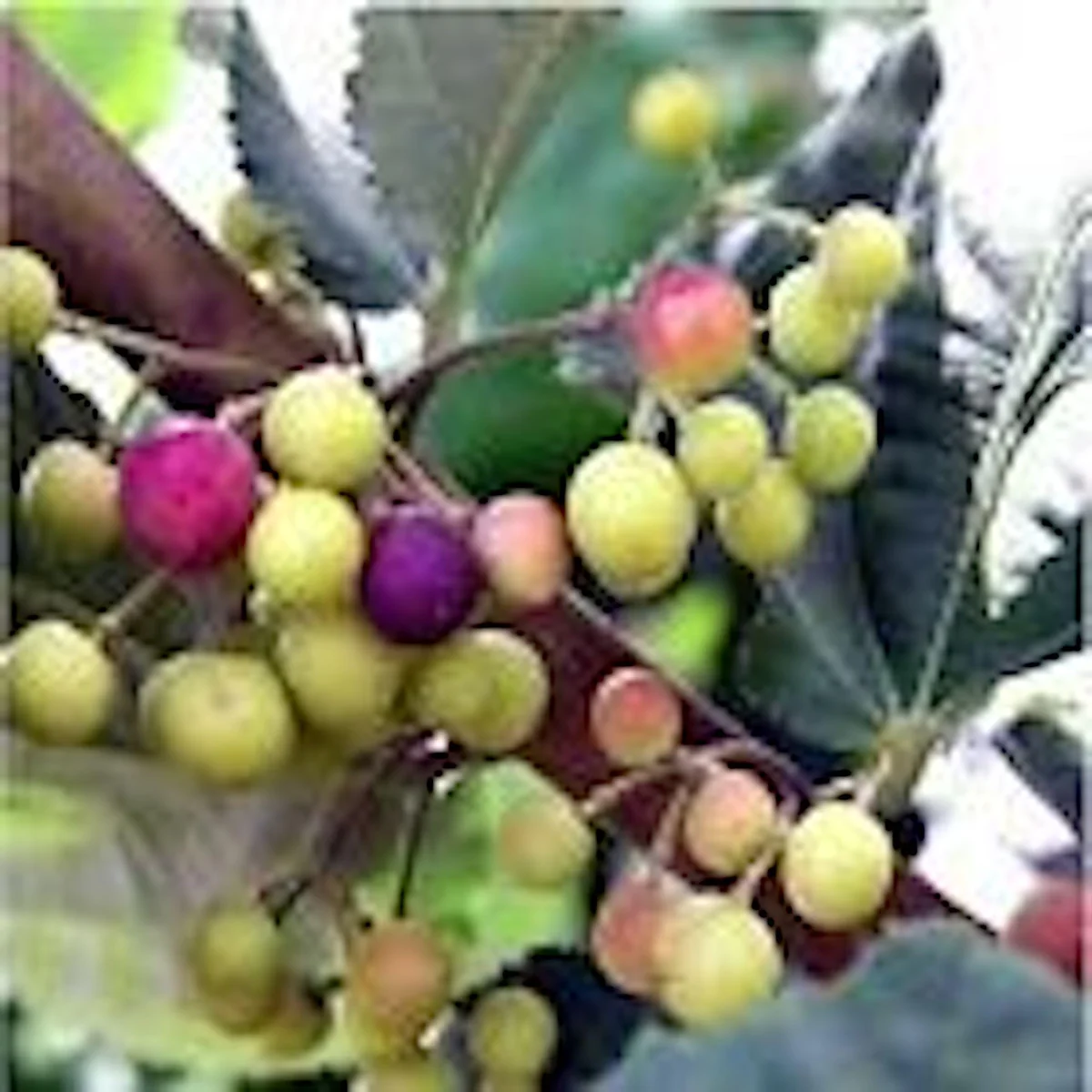
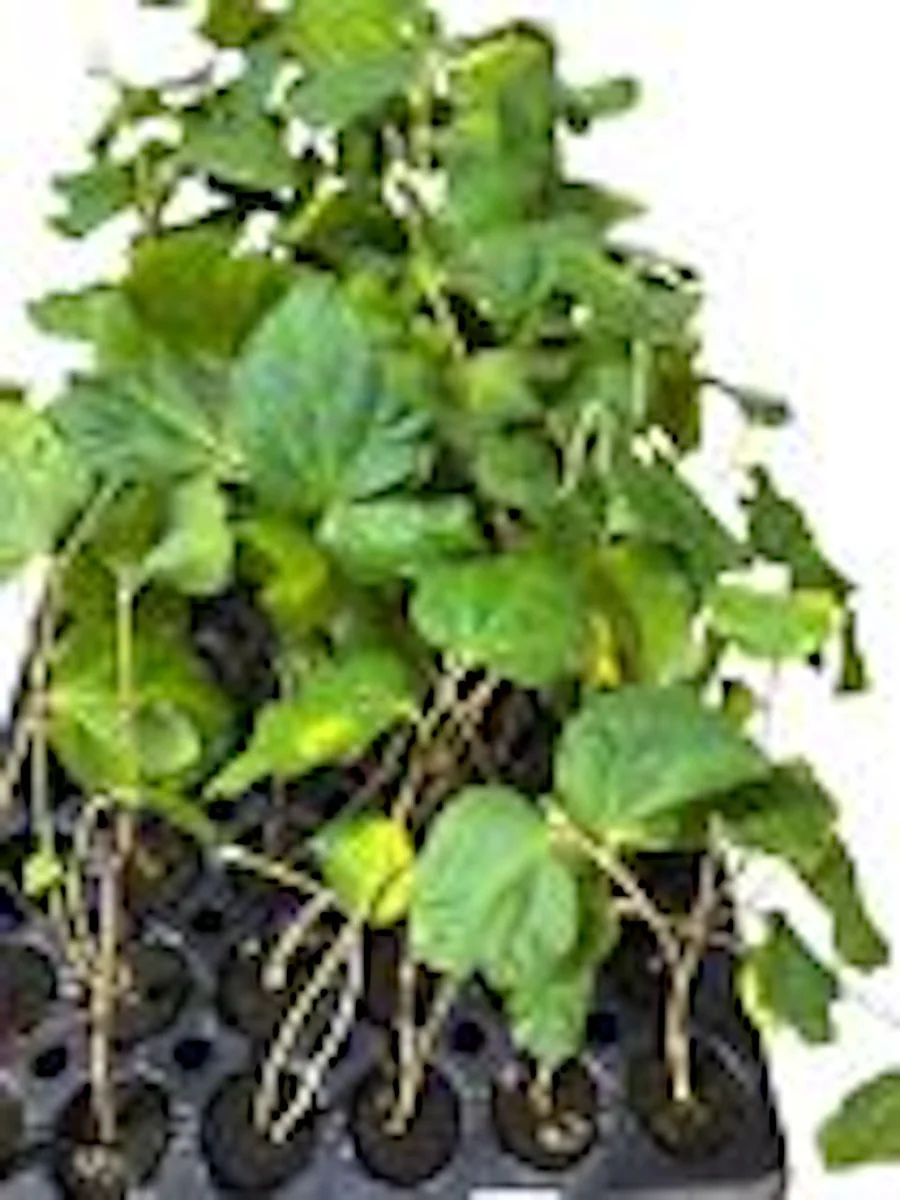
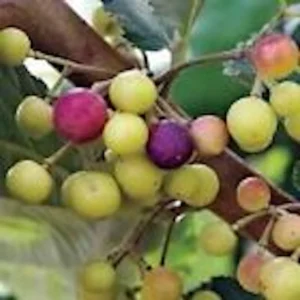
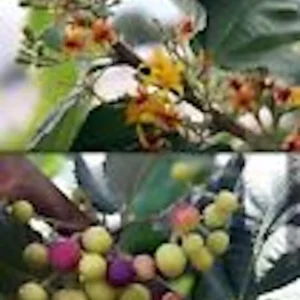
10 Sherbet Berry Starter Plants – Grewia Asiatica Live Fruit Plant, Edible
Original price was: $140.00.$112.00Current price is: $112.00.
Cultivate your own exotic fruit with these 10 Sherbet Berry starter plants. Also known as Grewia Asiatica live plant, these drought-tolerant shrubs produce delicious, antioxidant-rich berries. Ideal for outdoor gardens in zones 9-11 or as an indoor/outdoor container plant.
-
USDA Hardiness Zone
USDA zones 9-11 -
Soil Type
Adapts to a wide variety of soils, well-draining -
Sunlight Exposure
Full to part sun -
Expected Planting Period
Spring to early summer, can be grown year-round indoors

You can track your order HERE
Feb 26
Mar 03 - Mar 05
Mar 08 - Mar 12
Shipping and return policies: Our Alive & Thrive Guarantee covers issues with your plants within the first 30 days. Reach out to us. Our team will answer your questions and help you find the plants that are truly suitable for your environment, climate, and personal preferences.

Overview
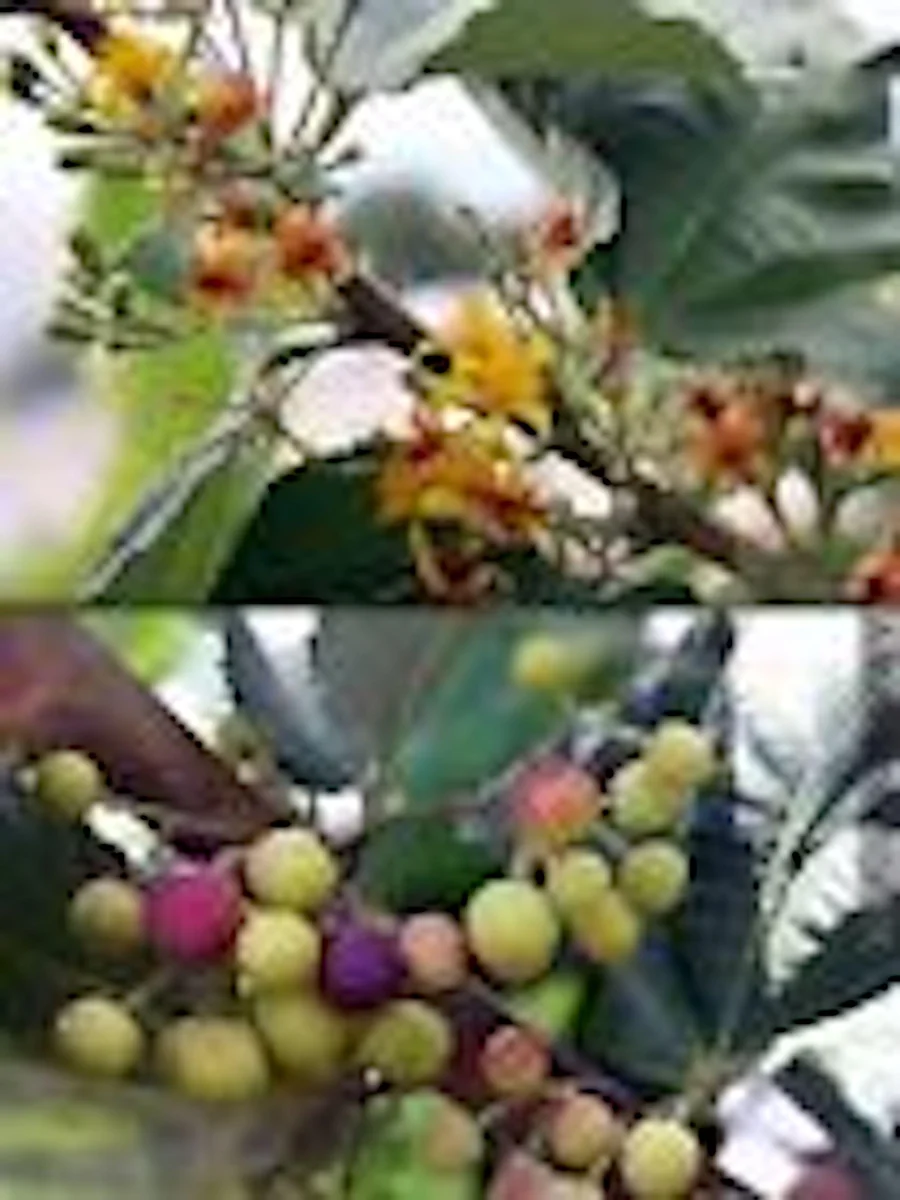
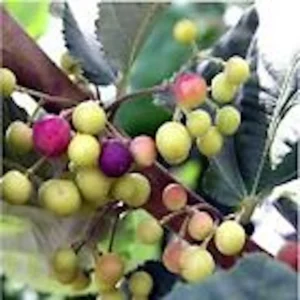
Embark on a unique gardening adventure with these 10 Sherbet Berry starter plants. Scientifically known as Grewia asiatica, this remarkable deciduous shrub or small tree is celebrated for its delicious and nutrient-rich edible fruits. Originating from Southeast Asia, the Grewia Asiatica live plant is highly valued for its sweet-tart berries, often called phalsa, which are loaded with antioxidants and offer numerous medicinal benefits. These young, healthy starter plants provide an excellent foundation for establishing your own productive fruit-bearing shrub, whether you’re an experienced horticulturist or a budding enthusiast looking to grow something truly special. Enjoy the satisfaction of harvesting your own fresh, flavorful berries from these resilient and rewarding plants.
The sherbet berry starter plants are a fantastic addition to any garden or patio, bringing an exotic touch and a bounty of healthful fruits. They are known for their adaptability and resilience, making them a relatively easy plant to care for once established. With their deciduous nature, they offer seasonal interest, shedding leaves in colder temperatures and bursting forth with new growth and fruit as conditions warm. Prepare to enjoy the unique taste and health benefits that these exceptional plants provide, right from your own home or garden.
Key Benefits
Growing sherbet berry starter plants offers a multitude of advantages, from their delicious fruit to their robust nature. These plants are a fantastic choice for those seeking both ornamental beauty and culinary rewards.
- Delicious Edible Fruit: Enjoy a continuous supply of sweet-tart, antioxidant-rich berries from your own edible fruit plant. The berries can be eaten fresh or used to make refreshing beverages.
- High in Antioxidants: The berries produced by the Grewia Asiatica live plant are packed with antioxidants, contributing to a healthy diet and potentially offering various medicinal uses.
- Drought-Tolerant Nature: Once established, these shrubs are incredibly resilient and can withstand periods of drought, making them a low-maintenance choice for many climates, especially as a drought tolerant fruit option.
- Versatile Growing Options: Suitable for both indoor and outdoor cultivation, these plants can thrive in a variety of settings, from garden beds to large containers on a patio.
- Attractive Deciduous Shrub: Beyond its fruit, the phalsa berry plant adds visual interest to your landscape with its foliage and seasonal changes.
- Adaptable to Various Soils: These plants are not overly particular about soil types, adapting to a wide range of conditions, which simplifies their care.
- Easy to Cultivate: With proper initial care, these sherbet berry starter plants are straightforward to grow, even for those new to fruit cultivation.
Plant Care & Growing Tips
Caring for your sherbet berry starter plants is a rewarding experience, leading to bountiful harvests of delicious fruit. These plants are relatively forgiving, but understanding their specific needs will ensure optimal growth and fruit production. For best results, plant your Grewia Asiatica live plant in a location where it receives full to partial sun, ideally with at least 6-8 hours of direct sunlight per day. While they are drought-tolerant once mature, young plants will benefit from consistent moisture. Water regularly, allowing the top inch or two of soil to dry out between waterings. Avoid overwatering, as this can lead to root rot. Ensure your planting site or container has excellent drainage to prevent waterlogging.
The edible fruit plant adapts to a wide variety of soil types, but thrives in well-draining, moderately fertile soil. A slightly acidic to neutral pH is generally preferred. While fertilization is not strictly necessary for established plants, a balanced, slow-release fertilizer applied in early spring can promote vigorous growth and fruit development. Pruning can be done to maintain shape, size, and to encourage more prolific fruiting. Remove any dead or damaged branches, and thin out overcrowded areas to improve air circulation. Light frosts will cause the leaves to shed, but the plant typically recovers well, especially if protected during severe cold snaps. These plants are well-suited for USDA Zones 9-11, making them a great choice for warmer climates or as container plants that can be brought indoors during winter in colder regions.
Monitoring for common pests and diseases is also important. While generally robust, occasional issues can arise. Inspect your sherbet berry starter plants regularly for signs of trouble and address them promptly with appropriate organic or chemical treatments as needed. Providing consistent care, especially during the establishment phase, will lead to a healthy and productive phalsa berry plant that will yield delicious fruits for years to come.
Size & Details
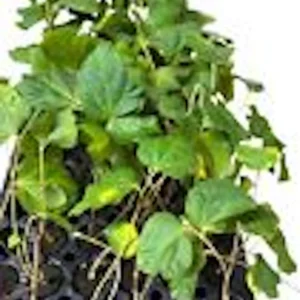
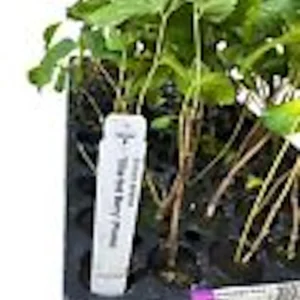
This offering includes 10 Sherbet Berry starter plants, each ready to be transplanted and begin its growth journey. These young plants, also known as Grewia Asiatica live plant, are typically shipped bare root, carefully packaged to ensure their health upon arrival. While exact initial size may vary, they are established enough to quickly take root and grow when provided with appropriate care. Each plant has the potential to mature into a shrub or small tree, reaching an average height of 6-15 feet, depending on growing conditions and pruning practices. The berries produced by this edible fruit plant typically range from 1/4 to 1/2 inch in diameter, offering a delightful bite-sized treat.
The growth rate of the drought tolerant fruit can be moderate to fast under ideal conditions, allowing you to enjoy harvests within a few years. It is important to note that these plants are deciduous, meaning they will shed their leaves annually, especially in response to cooler temperatures or light frosts. They are best suited for outdoor cultivation in USDA Zones 9-11, where they can thrive and produce fruit reliably. For those in colder zones, they can be successfully grown in containers and brought indoors during the winter months, allowing you to enjoy the benefits of this unique phalsa berry plant year-round.
Frequently Asked Questions
- Q: How big do these sherbet berry starter plants get? A: Sherbet Berry plants typically mature into shrubs or small trees, reaching an average height of 6-15 feet. Their size can be managed with regular pruning to fit your garden space or container.
- Q: Is this an indoor or outdoor plant? A: The Grewia Asiatica live plant is versatile and can be grown both indoors in a large container or outdoors in garden beds. It thrives outdoors in USDA Zones 9-11.
- Q: How much sunlight does the edible fruit plant need? A: These plants prefer full to part sun, ideally receiving at least 6-8 hours of direct sunlight each day for optimal growth and fruit production.
- Q: Are these plants easy to care for? A: Once established, sherbet berry starter plants are considered relatively easy to care for due to their drought tolerance and adaptability to various soils. Consistent watering and sun are key for young plants.
- Q: What condition will the plants arrive in? A: These starter plants are typically shipped bare root, carefully prepared to ensure they arrive healthy and ready for planting. Prompt planting upon arrival is recommended.
- Q: How long until the drought tolerant fruit produces fruit? A: With good care, you can typically expect your sherbet berry starter plants to begin producing fruit within 1-3 years after planting, depending on growing conditions.
- Q: Will the phalsa berry plant survive winter in my zone? A: These plants are hardy in USDA Zones 9-11. In colder zones, they will need to be protected from frost or brought indoors during the winter months to ensure their survival.
- Q: What are the berries used for? A: The berries can be eaten fresh, or they can be used to make a tart and refreshing beverage, similar to lemonade. They are also known for their antioxidant content.
- Q: What kind of soil is best for Grewia Asiatica live plant? A: While adaptable, the plant prefers well-draining, moderately fertile soil. Good drainage is crucial to prevent root issues.
- Q: How often should I water my sherbet berry starter plants? A: Young plants require consistent moisture; water when the top 1-2 inches of soil feel dry. Established plants are more drought-tolerant but still benefit from regular watering during dry spells.
Be the first to review “10 Sherbet Berry Starter Plants – Grewia Asiatica Live Fruit Plant, Edible”
People Also Viewed
Sold 88 products
Original price was: $112.00.$89.60Current price is: $89.60.
Flower Plants
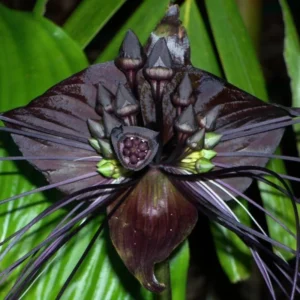
Black Bat Orchid Plant – Tacca Chantrieri Live Plant – Tall 4-6″ – Black Flower – Houseplant
Sold 85 products
Original price was: $39.98.$22.99Current price is: $22.99.
Sold 77 products
Original price was: $18.76.$9.38Current price is: $9.38.
Sold 91 products
Original price was: $65.98.$32.99Current price is: $32.99.
Sold 84 products
Original price was: $54.36.$27.18Current price is: $27.18.
Sold 83 products
From $43.98
Sold 75 products
Original price was: $99.80.$49.90Current price is: $49.90.
Sold 65 products
Original price was: $91.98.$45.99Current price is: $45.99.
Sold 100 products
Original price was: $28.76.$14.38Current price is: $14.38.
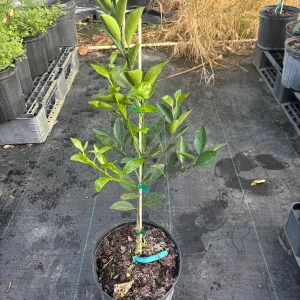
Sold 96 products
Original price was: $170.00.$127.50Current price is: $127.50.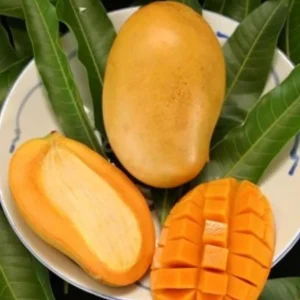
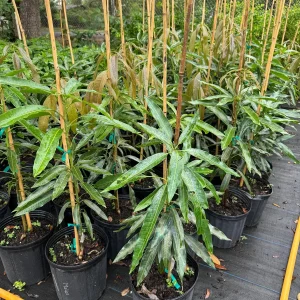
Sold 71 products
Original price was: $210.00.$157.50Current price is: $157.50.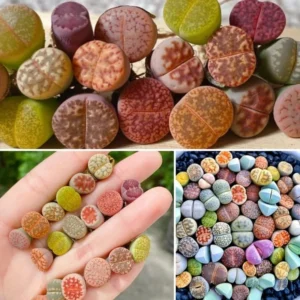
HousePlants
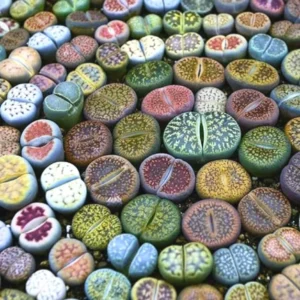
Lithops Live Plants Mix – 10 Large Colorful Living Stones Succulents for Indoor/Outdoor Growing
Sold 90 products
Original price was: $27.98.$13.99Current price is: $13.99.
Sold 56 products
Original price was: $230.00.$172.50Current price is: $172.50.
Sold 72 products
Original price was: $48.00.$38.40Current price is: $38.40.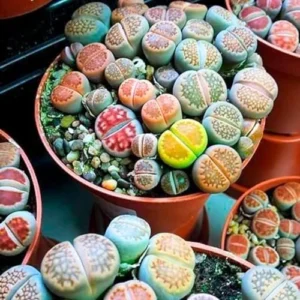
HousePlants
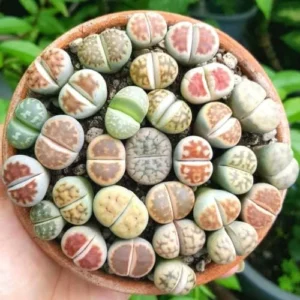
Lithops Live Plants Mix – 30 Colorful Succulents – Living Stones for Indoor/Outdoor Planting
Sold 82 products
Original price was: $65.98.$32.99Current price is: $32.99.
Sold 61 products
Original price was: $230.00.$172.50Current price is: $172.50.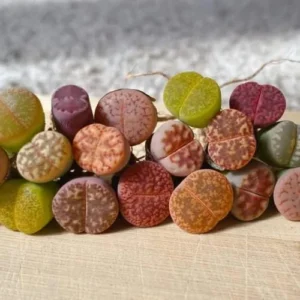
Sold 90 products
Original price was: $39.98.$19.99Current price is: $19.99.

Sold 98 products
Original price was: $89.98.$44.99Current price is: $44.99.


Reviews
There are no reviews yet.