
10 San Andreas Everbearing Strawberry Plants – Bare Root – Large, Sweet Berries
From $63.80
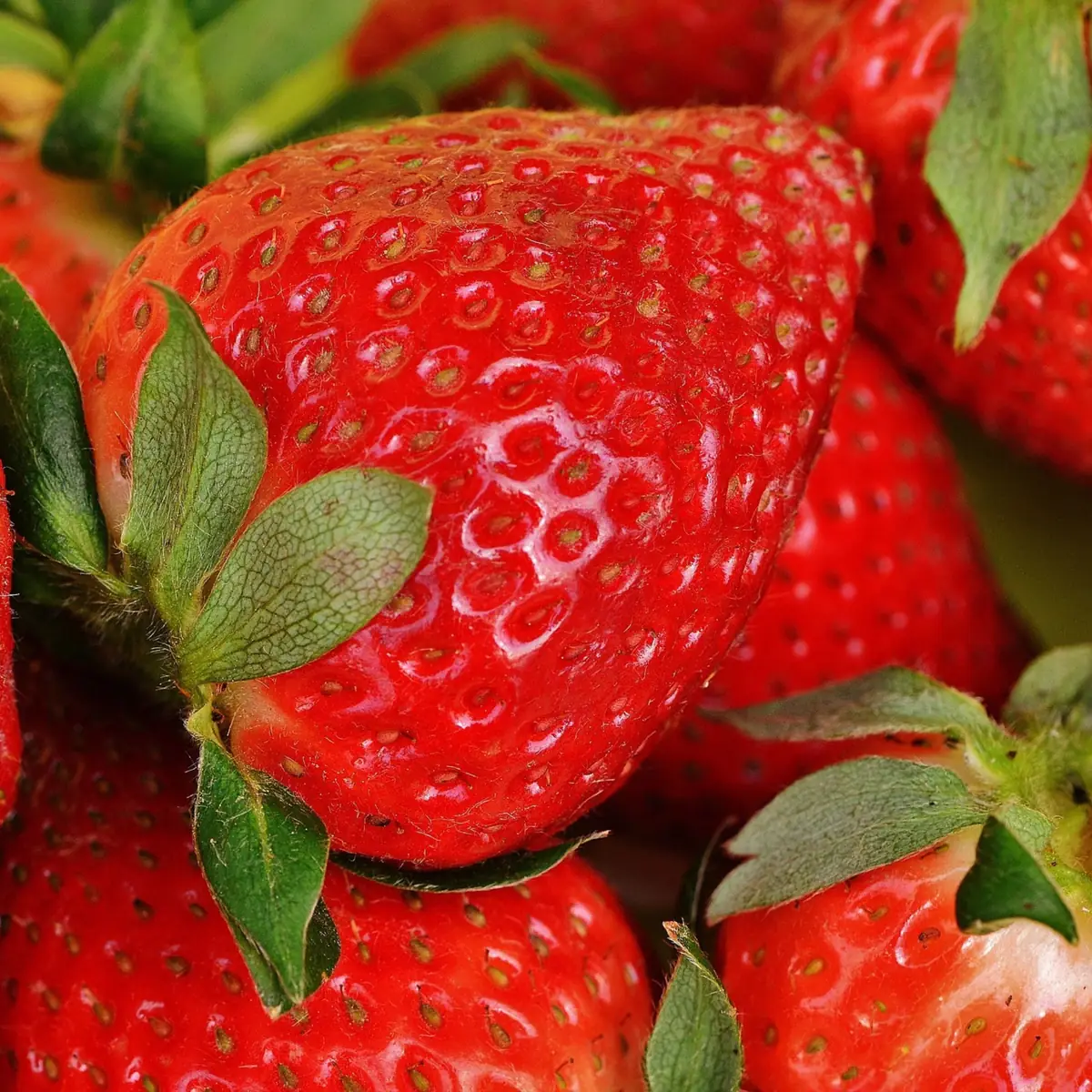
Bring home 10 San Andreas strawberry plants, a high-performing everbearing strawberry plants variety known for producing large, firm, and incredibly sweet berries throughout the growing season. Perfect for fresh snacking, baking, and preserves.
- Produces berries from spring through fall
- Excellent disease resistance
- Thrives in USDA Zones 4–9
-
USDA Hardiness Zone
USDA Zones 4–9 -
Soil Type
Fertile, well-draining soil with pH 5.5-6.5 -
Sunlight Exposure
Full sun (6-8+ hours direct sunlight) -
Expected Planting Period
Early spring after last frost

You can track your order HERE
Mar 04
Mar 09 - Mar 11
Mar 14 - Mar 18
Shipping and return policies: Our Alive & Thrive Guarantee covers issues with your plants within the first 30 days. Reach out to us. Our team will answer your questions and help you find the plants that are truly suitable for your environment, climate, and personal preferences.

Overview
Experience the joy of harvesting your own sweet, juicy berries with these premium San Andreas strawberry plants. This offering includes 10 healthy bare root plants of the renowned San Andreas variety, a top choice for both home gardeners and small-scale growers. Developed by the University of California, San Andreas is celebrated for its exceptional yield, continuous production, and superior fruit quality. These everbearing strawberries will provide a steady supply of delicious fruit from spring through fall, ensuring you have fresh berries for months. Whether you’re an experienced gardener or just starting out, these robust plants promise reliable performance and abundant harvests of large, firm, and incredibly sweet berries, perfect for a wide range of culinary uses.
These bare root strawberry plants are carefully selected to ensure vigorous growth and quick establishment in your garden. Known for their adaptability, San Andreas strawberries thrive in various growing conditions and are an excellent choice for diverse planting setups, including traditional garden rows, raised beds, containers, and even hanging baskets. Enjoy the satisfaction of picking your own non-GMO, hand-picked quality strawberries right from your backyard or patio. This variety is also known for its good disease resistance, making it a more forgiving option for gardeners seeking a low-maintenance yet highly rewarding fruit crop.
Key Benefits
Cultivating San Andreas strawberry plants offers a multitude of benefits, transforming your garden into a productive and delightful space. These plants are designed to deliver consistent results and a bountiful harvest, making them a favorite among berry enthusiasts.
- Continuous Harvests: As an everbearing strawberry plants variety, San Andreas produces ripe, flavorful berries from early spring all the way through late fall, unlike traditional June-bearing types that offer a single, short harvest. This ensures a prolonged season of fresh fruit.
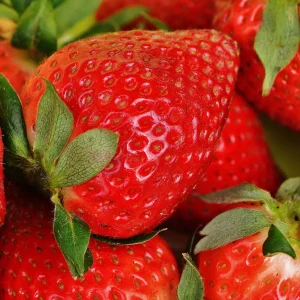
- Exceptional Fruit Quality: The strawberries are notably large, firm, and possess an incredibly sweet flavor with a delightful aroma. This makes them ideal for eating fresh, baking, making jams, freezing, or any other culinary application.
- Versatile Growing Options: These plants adapt well to various growing environments, including in-ground gardens, raised beds, containers, and hanging baskets. This flexibility makes them suitable for almost any garden size or type, including urban patios.
- Disease Resistance: San Andreas boasts strong resistance to common strawberry diseases such as verticillium wilt and powdery mildew, reducing the need for chemical interventions and promoting healthier plants.
- Cold Hardiness: Thriving in USDA Zones 4–9, these bare root strawberry plants are resilient to a wide range of temperatures, making them a reliable choice for many regions across the United States.
- High Yield Potential: Known for their prolific production, you can expect a generous yield of berries, providing ample fruit for your family and potentially for sharing or preserving.
- Beginner-Friendly: With their robust nature and disease resistance, these plants are an excellent choice for beginner gardeners looking to successfully grow fruit, offering a rewarding experience with manageable care requirements.
Plant Care & Growing Tips
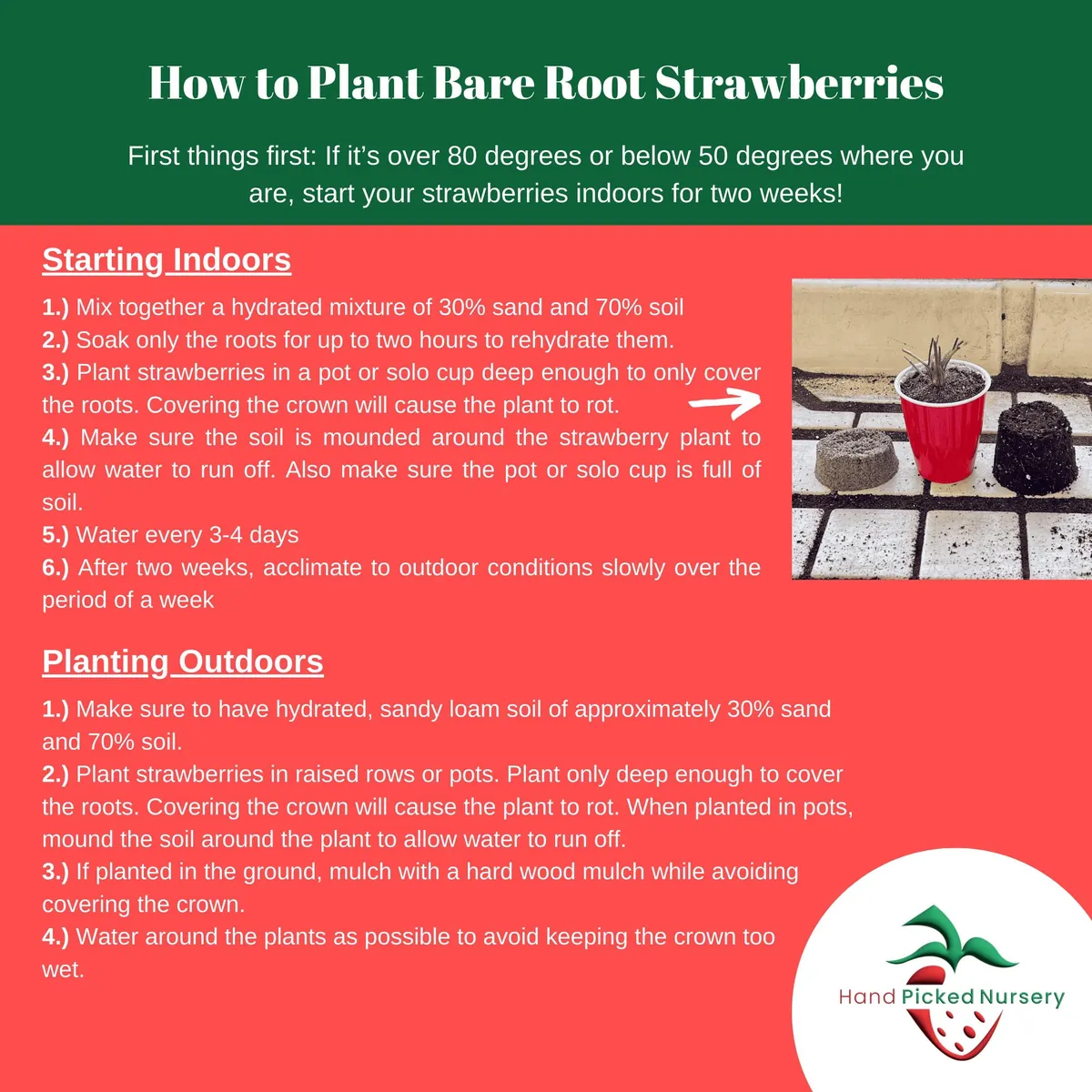
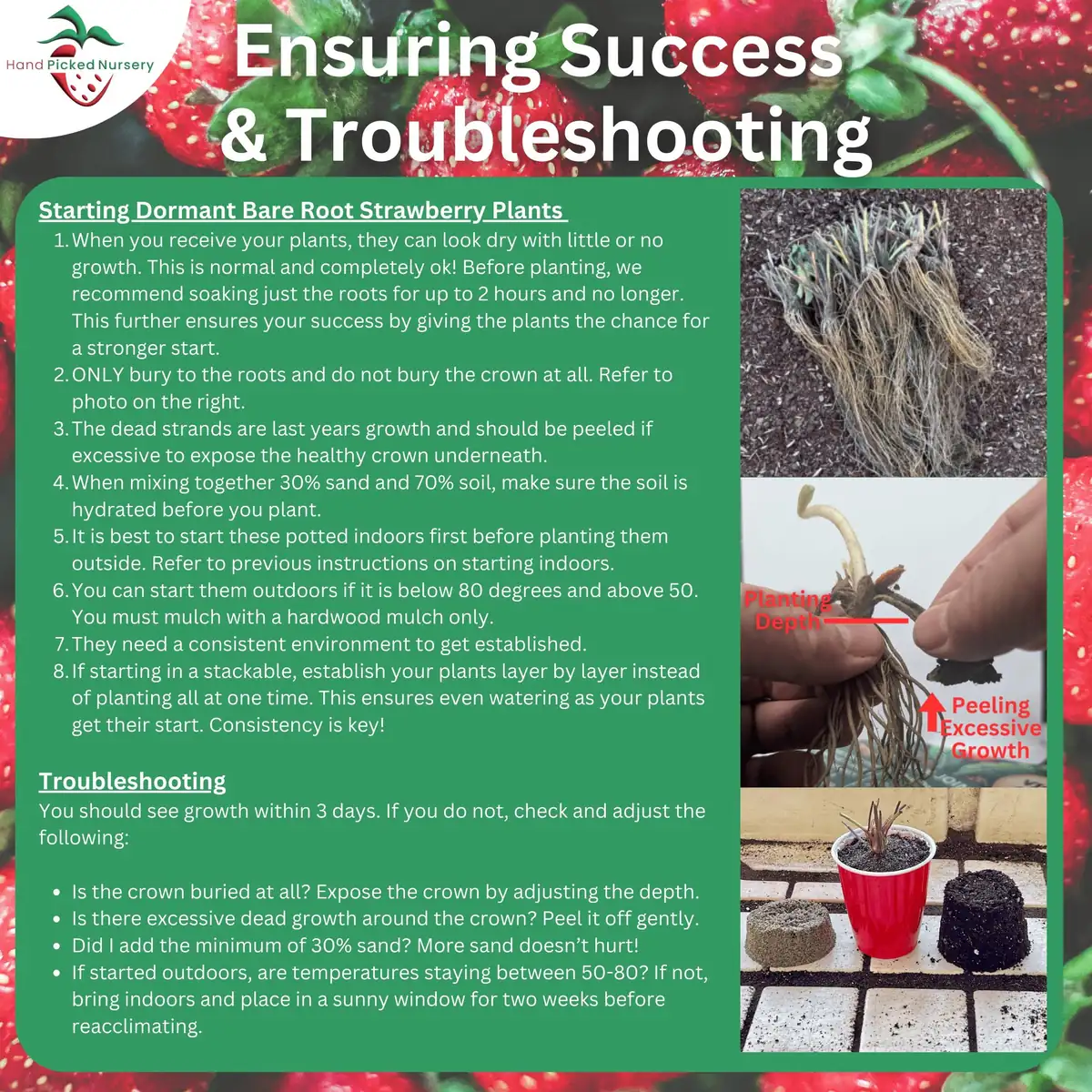
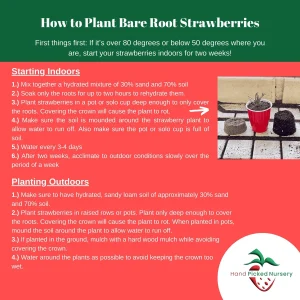
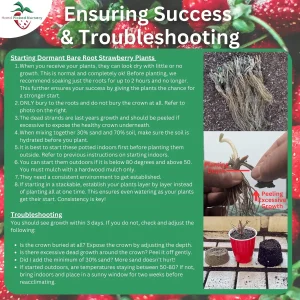
Proper care is essential for ensuring your San Andreas strawberry plants thrive and produce abundant fruit. Begin by soaking the bare roots in water for 30–60 minutes prior to planting to rehydrate them. Choose a location that receives at least 6–8 hours of direct sunlight per day, as strawberries require ample light for optimal fruit production. The soil should be fertile and well-draining, with a pH between 5.5 and 6.5. Incorporating compost or other organic matter will significantly improve soil structure and nutrient content, providing a rich foundation for your plants.
When planting, spread the roots out and ensure the crown of the plant is at soil level; avoid burying it too deeply or leaving too much root exposed. Space individual plants 12–18 inches apart, allowing 3–4 feet between rows to ensure good air circulation and prevent disease. Consistent moisture is crucial, especially during fruiting, but avoid waterlogging the soil. Drip irrigation or watering at the base of the plants is recommended to minimize leaf moisture and reduce the risk of fungal issues. In the first few weeks after planting, pinch off any early flowers to encourage the plant to put energy into developing a strong root system and foliage, which will lead to better harvests in subsequent seasons. For those interested in growing strawberries in containers, ensure pots are large enough (at least 8-10 inches in diameter) and have adequate drainage holes.
Fertilize your San Andreas strawberry plants with a balanced fertilizer in early spring and again after the first flush of berries. Monitor for pests and diseases, addressing any issues promptly. Harvesting should occur when berries are fully red for the best flavor. With proper care, you’ll enjoy a continuous supply of delicious fruit from these everbearing strawberry plants throughout the growing season. Understanding the specific needs of this variety is key to maximizing your yield and enjoying the sweet rewards of your labor. If you’re looking for the best strawberry varieties for consistent production, San Andreas is an excellent choice.
Size & Details
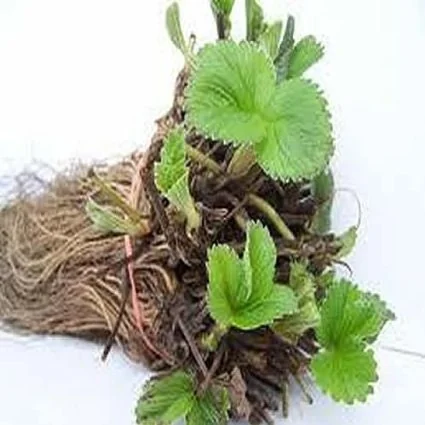
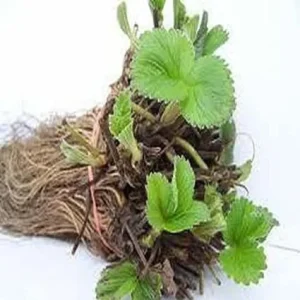
This offering includes 10 bare root strawberry plants of the San Andreas variety. Each plant is shipped as a healthy bare root, meaning it will arrive without soil in a dormant state, ready for planting. Bare root plants are known for their vigorous establishment and strong seasonal growth once planted. The San Andreas variety typically grows to a compact size, reaching about 8-12 inches in height and spreading 12-18 inches wide, making it suitable for various garden settings, including smaller spaces and container gardening. Expect these plants to begin producing berries in their first year if planted in spring, with continuous harvests from spring through fall once established.
These San Andreas strawberry plants are known for their rapid growth rate and quick establishment. The berries themselves are typically large, averaging 1 to 1.5 inches in diameter, and are firm enough for excellent transport and storage. With proper care, these plants will continue to produce for several years, offering a long-term source of fresh, homegrown fruit. They are particularly well-suited for growing strawberries in containers due to their manageable size and consistent fruiting habit.
Frequently Asked Questions
- Q: How many berries can I expect from 10 San Andreas strawberry plants? A: With proper care, 10 San Andreas strawberry plants can produce a significant yield throughout the season. As an everbearing variety, they will continuously produce berries from spring to fall, offering a steady supply rather than a single large flush.
- Q: What condition will the bare root strawberry plants arrive in? A: Your bare root strawberry plants will arrive dormant, without soil. This is a common and effective way to ship plants, ensuring they are ready to establish quickly once planted in your garden. Simply hydrate them before planting.
- Q: Is San Andreas a good choice for beginner gardeners? A: Yes, San Andreas is considered one of the best strawberry varieties for beginners. Its robust nature, disease resistance, and continuous fruiting habit make it relatively easy to care for and highly rewarding.
- Q: Can I grow these everbearing strawberry plants in pots? A: Absolutely! San Andreas strawberries are excellent for growing strawberries in containers, raised beds, or hanging baskets. Just ensure the containers are large enough (at least 8-10 inches in diameter) and have good drainage.
- Q: How much sunlight do San Andreas strawberries need? A: These plants require at least 6-8 hours of direct sunlight per day for optimal growth and fruit production. Choose a sunny spot in your garden or on your patio.
- Q: When is the best time to plant these bare root strawberry plants? A: The ideal time to plant bare root strawberries is in early spring after the last frost, allowing them ample time to establish before the heat of summer and begin fruiting.
- Q: What USDA Zones are suitable for San Andreas strawberry plants? A: San Andreas strawberry plants thrive in USDA Hardiness Zones 4 through 9, making them adaptable to a wide range of climates across the United States.
- Q: Do I need to prune my everbearing strawberry plants? A: While heavy pruning isn’t necessary, removing old leaves and runners can help redirect the plant’s energy into fruit production and maintain plant vigor. Pinching off early flowers in the first few weeks is also beneficial.
- Q: Are these strawberries non-GMO? A: Yes, these are San Andreas strawberry plants which are a naturally developed variety, not genetically modified organisms. You can enjoy homegrown, natural strawberries.
- Q: How long will it take for the plants to produce berries after planting? A: If planted in early spring, you can often expect your everbearing strawberry plants to start producing berries in their first year, with continuous harvests throughout the growing season.
| Bareroot | + Fertilizer, 10 Strawberries Only |
|---|
Be the first to review “10 San Andreas Everbearing Strawberry Plants – Bare Root – Large, Sweet Berries”
People Also Viewed
Sold 95 products
Original price was: $147.16.$73.58Current price is: $73.58.
Sold 54 products
Original price was: $14.88.$7.44Current price is: $7.44.
Sold 67 products
Original price was: $147.16.$73.58Current price is: $73.58.
Sold 92 products
Original price was: $319.96.$159.98Current price is: $159.98.
Sold 63 products
Original price was: $84.00.$67.20Current price is: $67.20.
Sold 72 products
Original price was: $147.16.$73.58Current price is: $73.58.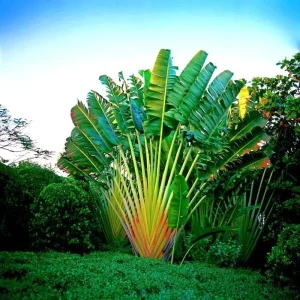
Tree Seeds
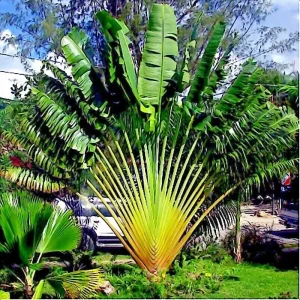
Traveler’s Palm Tree Seeds – 5 Count (Ravenala madagascariensis) – Bird of Paradise Plant
Sold 58 products
Original price was: $34.28.$17.14Current price is: $17.14.
Sold 61 products
$59.38
Sold 97 products
Original price was: $91.98.$45.99Current price is: $45.99.
Flower Plants
Sold 57 products
Original price was: $150.76.$75.38Current price is: $75.38.
Sold 63 products
Original price was: $319.96.$159.98Current price is: $159.98.
Sold 97 products
Original price was: $36.00.$28.80Current price is: $28.80.
Sold 93 products
Original price was: $355.96.$177.98Current price is: $177.98.
Sold 95 products
From $32.99
Sold 68 products
Original price was: $39.98.$19.99Current price is: $19.99.
Sold 66 products
Original price was: $140.00.$112.00Current price is: $112.00.
Sold 59 products
From $51.80
Sold 89 products
$32.98



Reviews
There are no reviews yet.