
10 Latham Red Raspberry Starter Plugs – Rubus idaeus – Cold Hardy Berry Plants
Original price was: $130.00.$104.00Current price is: $104.00.
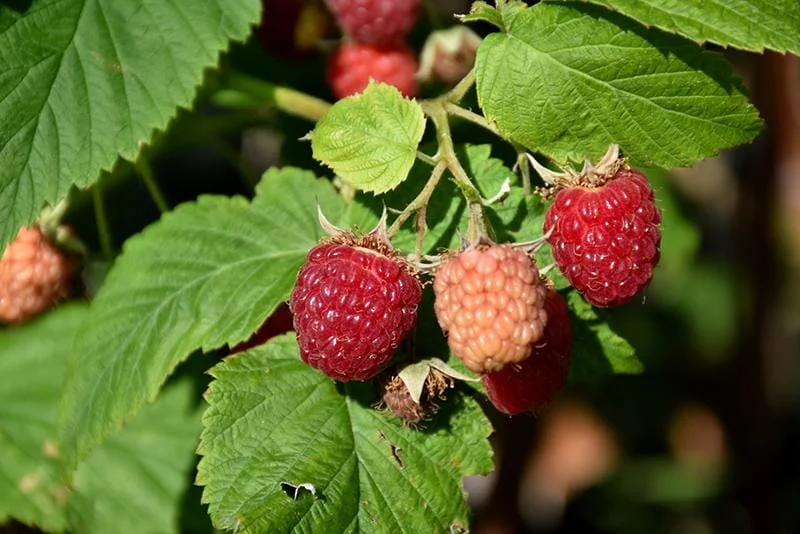
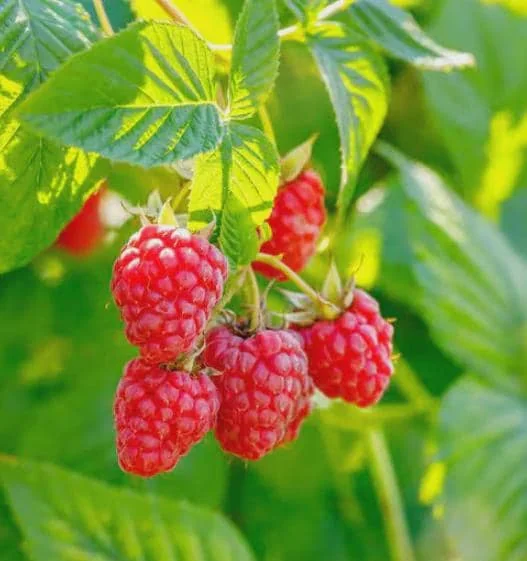
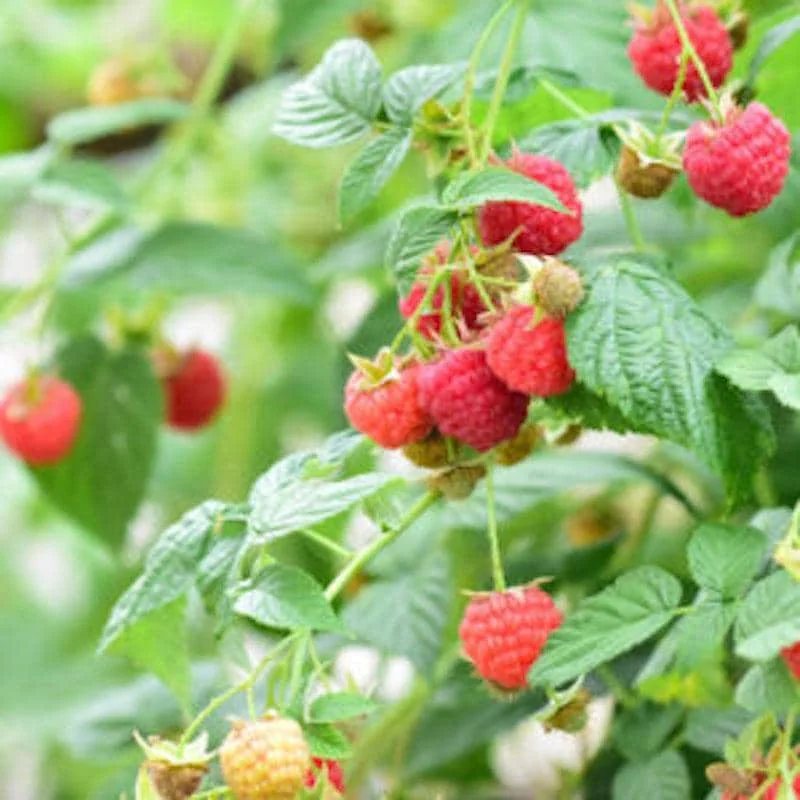
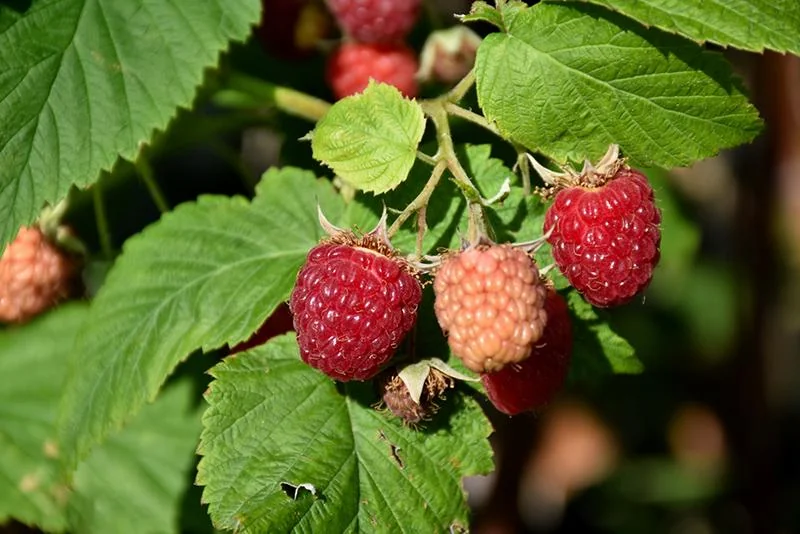
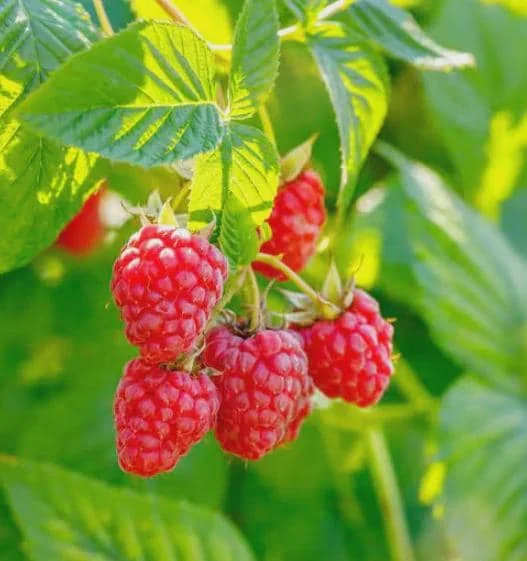
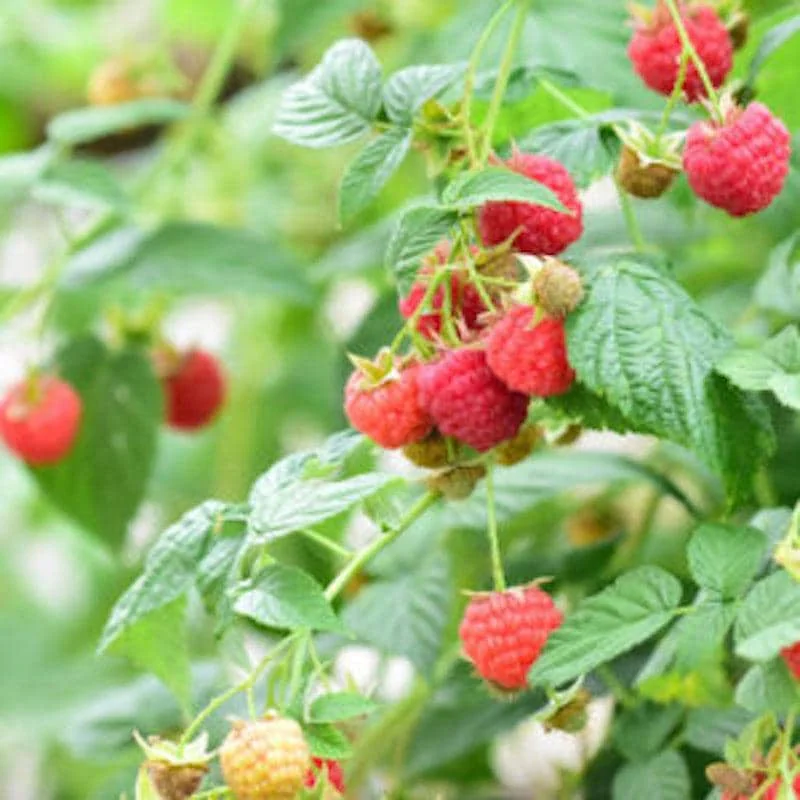
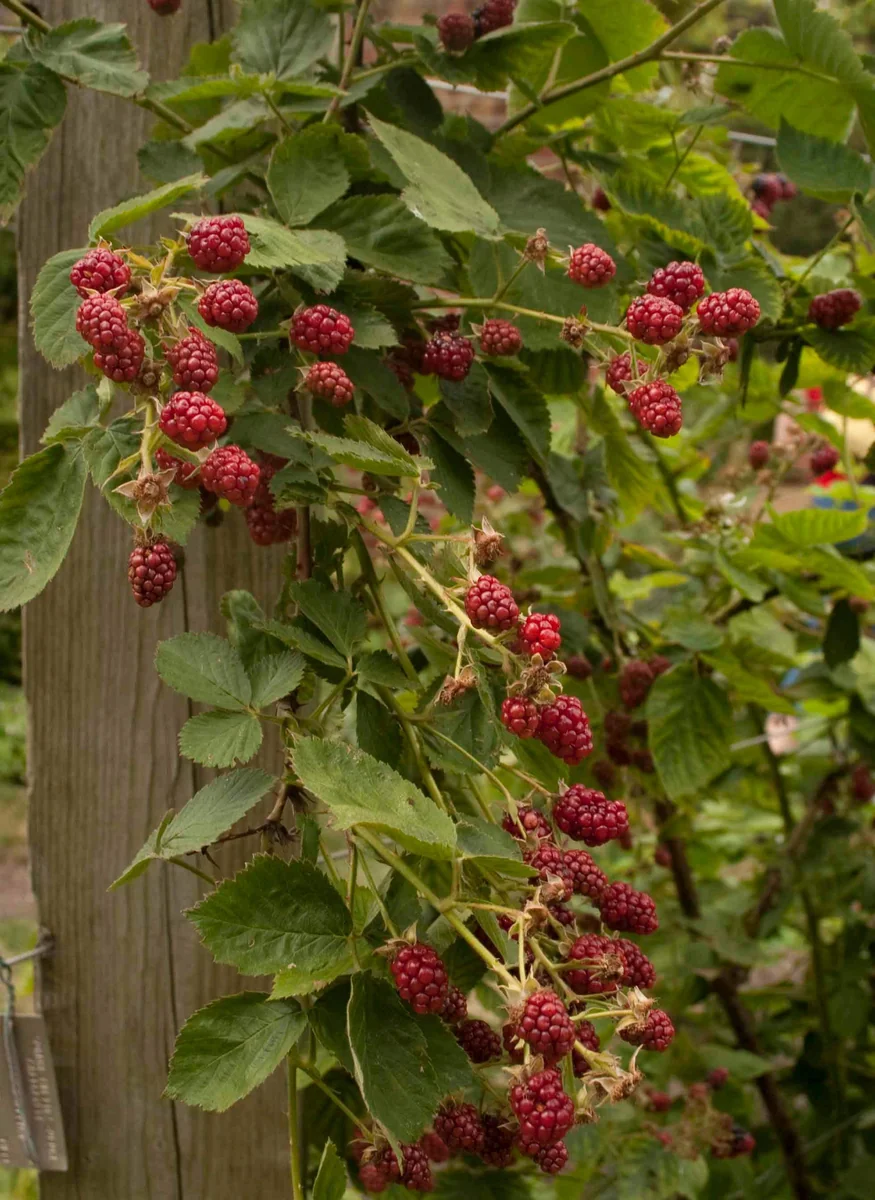
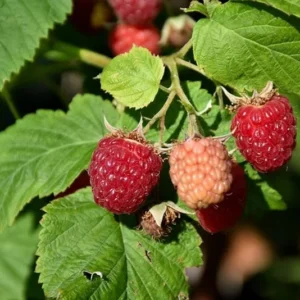
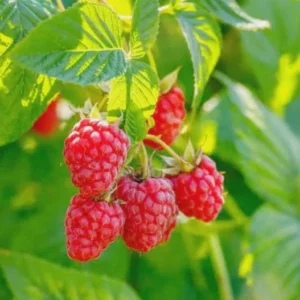
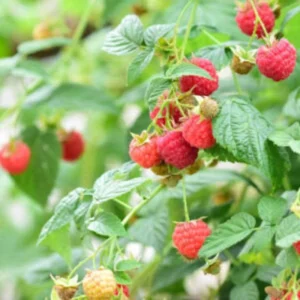
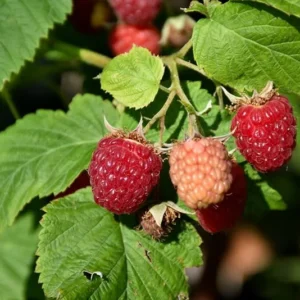
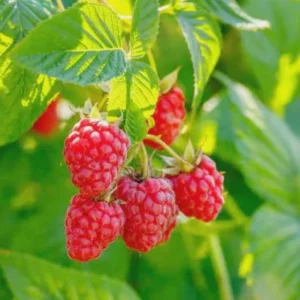
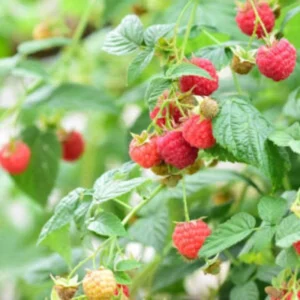
Cultivate your own fruitful garden with 10 Latham Red Raspberry Starter Plugs. This vigorous, cold hardy raspberry variety, Rubus idaeus ‘Latham’, is celebrated for its abundant harvest of large, firm, and sweet summer-bearing berries. Perfect for home gardeners seeking a reliable and self-pollinating fruit plant.
-
USDA Hardiness Zone
USDA Hardiness Zones 3-8 -
Soil Type
Well-draining, rich in organic matter, slightly acidic to neutral (pH 6.0-6.8) -
Sunlight Exposure
Full sun (6-8+ hours direct sunlight daily) -
Expected Planting Period
Early spring

You can track your order HERE
Mar 07
Mar 12 - Mar 14
Mar 17 - Mar 21
Shipping and return policies: Our Alive & Thrive Guarantee covers issues with your plants within the first 30 days. Reach out to us. Our team will answer your questions and help you find the plants that are truly suitable for your environment, climate, and personal preferences.

Overview
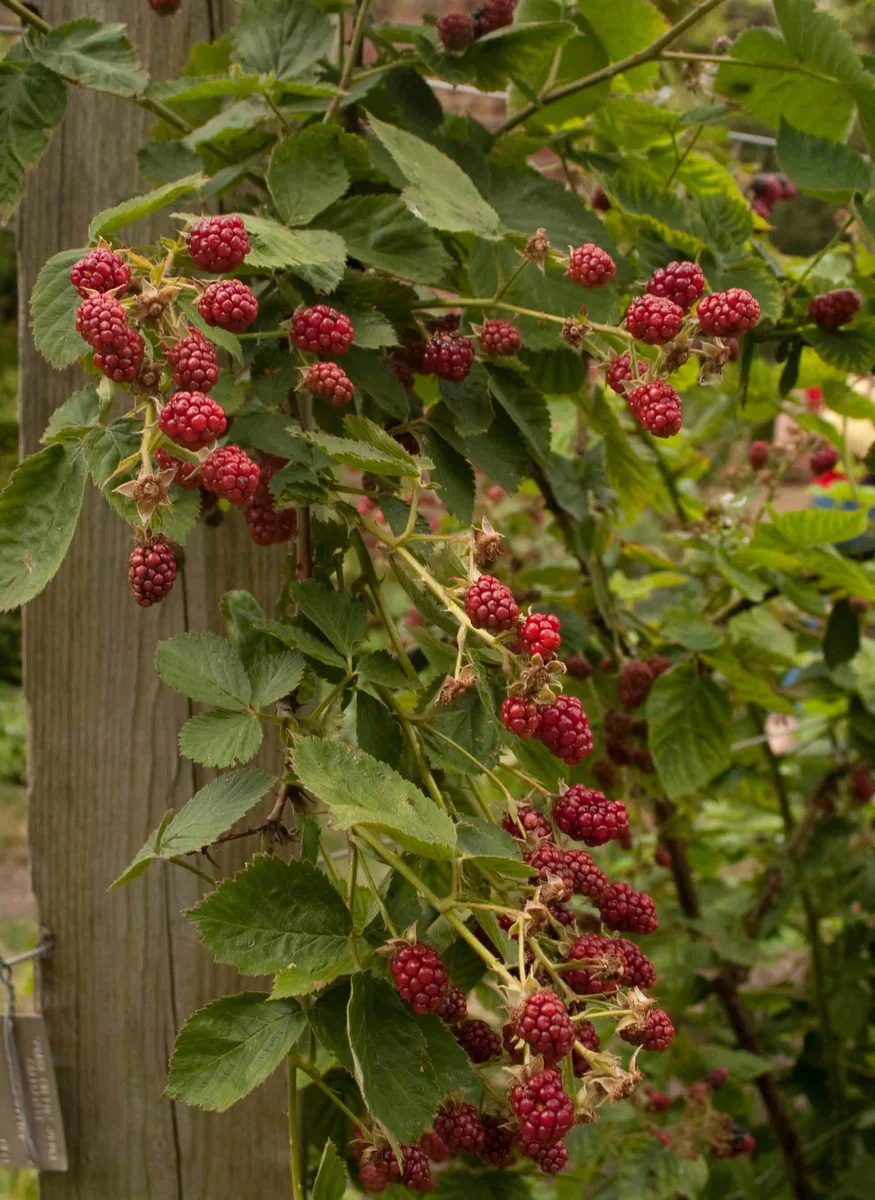
Introduce a classic, prolific berry producer to your garden with this set of 10 Latham Red Raspberry Starter Plugs. The ‘Latham’ red raspberry, scientifically known as Rubus idaeus ‘Latham’, is a highly regarded, historic variety renowned for its exceptional cold hardiness and robust growth. These self-pollinating, summer-bearing plants are known to yield an abundance of large, firm, and deliciously sweet berries, making them a favorite among gardeners. Our Rubus idaeus plant starter plugs provide a strong foundation for establishing a thriving raspberry patch, ensuring a rewarding harvest season after season. Whether you’re a seasoned gardener or just starting out, the ‘Latham’ raspberry offers a reliable and flavorful addition to any edible landscape.
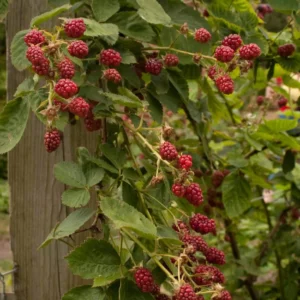
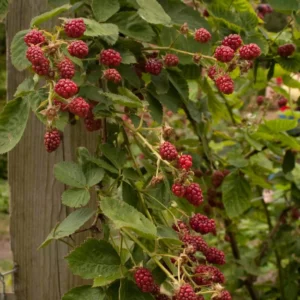
The ‘Latham’ raspberry is a vigorous grower with an upright growth habit, typically reaching 4 to 6 feet in height, creating a beautiful and productive hedge. Its adaptability across a wide range of climates makes it an excellent choice for many regions. Enjoy the satisfaction of picking fresh, juicy raspberries right from your own backyard.
Key Benefits
The ‘Latham’ red raspberry offers numerous advantages for the home gardener, providing both aesthetic appeal and a bountiful harvest. These Latham red raspberry starter plug plants are an investment in future delicious fruit.
- Abundant Berry Production: ‘Latham’ is celebrated for its high yields of large, firm, and sweet red berries, perfect for fresh eating, jams, pies, and freezing. Enjoy a generous harvest throughout the summer months.
- Exceptional Cold Hardiness: This variety is remarkably resilient to cold temperatures, thriving in a wide range of USDA Hardiness Zones (typically 3-8), making it suitable for many northern climates where other varieties might struggle.
- Self-Pollinating Plant: As a self-pollinating variety, you only need one ‘Latham’ plant to produce fruit, though planting multiple will generally increase your yield. This simplifies the planting process and ensures successful fruiting.
- Vigorous and Upright Growth: The plants exhibit strong, upright growth, reaching heights of 4 to 6 feet, which makes them easier to manage and harvest. This vigorous habit contributes to a healthy and productive patch.
- Disease Resistance: ‘Latham’ raspberry is known for its good resistance to many common raspberry diseases, reducing the need for extensive care and chemical treatments, contributing to a healthier garden environment.
- Versatile Culinary Use: The delicious berries can be enjoyed fresh, baked into desserts, made into preserves, or frozen for year-round enjoyment. Growing your own summer bearing raspberry ensures the freshest ingredients.
- Garden Enhancement: Beyond its fruit, the raspberry canes provide an attractive green backdrop in the garden, adding structure and beauty to your landscape.
Plant Care & Growing Tips
To ensure your Latham red raspberry starter plug plants thrive and produce an abundant harvest, proper care is essential. Raspberries prefer a location with full sun, meaning at least 6-8 hours of direct sunlight per day. Good air circulation is also important to prevent fungal diseases. When considering how to grow raspberries, selecting the right site is crucial for success.
Raspberries require well-draining soil that is rich in organic matter. A slightly acidic to neutral pH (6.0-6.8) is ideal. Amend heavy clay soils with compost or peat moss to improve drainage, or sandy soils to improve water retention. Consistent watering is vital, especially during dry periods and when the fruit is developing. Aim for about 1 inch of water per week, either from rainfall or irrigation. Avoid overhead watering if possible, as wet foliage can encourage disease. Mulching around the plants with straw, wood chips, or shredded leaves will help retain soil moisture, suppress weeds, and moderate soil temperature. Fertilize in early spring with a balanced fertilizer or compost, being careful not to over-fertilize, which can encourage leafy growth at the expense of fruit production.
Pruning is key for ‘Latham’ red raspberries, which are summer-bearing (floricane-fruiting) varieties. These raspberries produce fruit on canes that grew the previous year. After harvesting, prune out the old, fruited canes at ground level. Leave the new, green canes to overwinter, as these will bear fruit the following summer. Remove any weak, damaged, or overcrowded canes to maintain good air circulation and plant vigor. This regular maintenance will help ensure a healthy and productive Rubus idaeus plant for years to come. The exceptional cold hardiness of this variety means it can withstand winter temperatures in USDA Hardiness Zones 3-8, but in colder extremes, some winter protection like mulching the base might be beneficial.
Size & Details
This offering includes 10 Latham Red Raspberry Starter Plugs, providing a robust beginning for your raspberry patch. Each starter plug is a young, healthy plant, ready to be transplanted into your garden. ‘Latham’ raspberries are known for their vigorous, upright growth habit, typically reaching a mature height of 4 to 6 feet. They spread moderately via suckers, forming a productive hedgerow over time. These plants will ship as bare root starter plugs, without a pot, ensuring they are ready for immediate planting upon arrival. With proper care, you can expect these plants to establish well and begin producing fruit in their second year, providing delicious summer-bearing raspberries for many seasons.
Frequently Asked Questions
- Q: How big does this plant get? A: The ‘Latham’ red raspberry typically grows to an upright height of 4 to 6 feet. Its vigorous growth means it will form a productive patch over time, spreading via suckers.
- Q: Is this an indoor or outdoor plant? A: The Latham red raspberry starter plug is an outdoor plant, specifically bred for garden cultivation. It requires full sun and thrives in temperate climates within its hardiness zones.
- Q: How much sunlight does it need? A: For optimal fruit production, ‘Latham’ raspberries require full sun, which means at least 6 to 8 hours of direct sunlight per day. More sun generally leads to more and sweeter berries.
- Q: Is this plant easy to care for? A: ‘Latham’ raspberries are considered relatively easy to care for, especially due to their cold hardiness and disease resistance. Key care involves proper planting, consistent watering, and annual pruning.
- Q: What condition will it arrive in? A: These plants are shipped as bare root starter plugs, which means they will arrive without soil or a pot. This method minimizes transplant shock and is ideal for establishing new plants.
- Q: When is the best time to plant? A: The best time to plant Rubus idaeus plant starter plugs is in early spring, after the last frost, allowing the plants ample time to establish their root systems before the summer heat.
- Q: Can I grow this cold hardy raspberry in my region? A: ‘Latham’ red raspberry is exceptionally cold-hardy, thriving in USDA Hardiness Zones 3-8 (some sources extend this to 2-9). Check your local hardiness zone to ensure it’s suitable for your area.
- Q: How long until it produces fruit? A: Raspberry plants typically begin to produce a significant harvest in their second year after planting. You might see a small amount of fruit in the first year, but the main crop will come in subsequent seasons.
- Q: Does this variety have thorns? A: Yes, the ‘Latham’ red raspberry variety does have thorns on its canes. This is a common characteristic of many raspberry types.
- Q: What are the best uses for ‘Latham’ raspberries? A: The large, sweet berries from this summer bearing raspberry are excellent for fresh eating, making jams, jellies, pies, tarts, smoothies, or freezing for later use.
Be the first to review “10 Latham Red Raspberry Starter Plugs – Rubus idaeus – Cold Hardy Berry Plants”
People Also Viewed
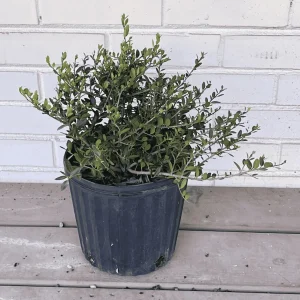
Shrubs
Dwarf Yaupon Holly Live Plant – 1 Gallon Potted Shrub – Ilex vomitoria ‘Nana’ – Evergreen Outdoor
Sold 64 products
Original price was: $119.80.$59.90Current price is: $59.90.

Sold 76 products
$43.98

Sold 71 products
Original price was: $199.98.$99.99Current price is: $99.99.
Sold 84 products
From $4.06
HousePlants
Sold 76 products
From $19.00
Sold 50 products
Original price was: $355.96.$177.98Current price is: $177.98.
Sold 94 products
Original price was: $73.98.$36.99Current price is: $36.99.

Sold 75 products
Original price was: $71.80.$35.90Current price is: $35.90.

Sold 57 products
Original price was: $62.76.$31.38Current price is: $31.38.
Sold 84 products
Original price was: $280.80.$140.40Current price is: $140.40.
Sold 74 products
Original price was: $31.96.$15.98Current price is: $15.98.
Sold 58 products
Original price was: $99.98.$49.99Current price is: $49.99.
HousePlants
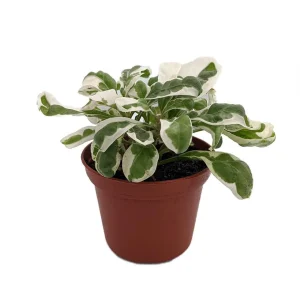
White Carpet Alternanthera Live Plant – St. Joseph’s Coat – 2.5″ Pot – Indoor/Outdoor Foliage
Sold 75 products
Original price was: $28.76.$14.38Current price is: $14.38.
Sold 72 products
From $54.00
Patio
Sold 100 products
Original price was: $45.98.$22.99Current price is: $22.99.
Sold 78 products
From $13.98
Sold 91 products
From $13.98
Sold 66 products
From $79.96


Reviews
There are no reviews yet.