
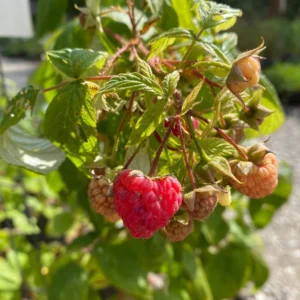
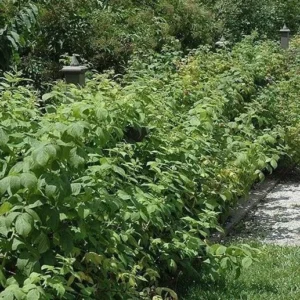
10 Heritage Red Raspberry Starter Plug – Rubus idaeus – Bare Root Plant
Original price was: $130.00.$104.00Current price is: $104.00.
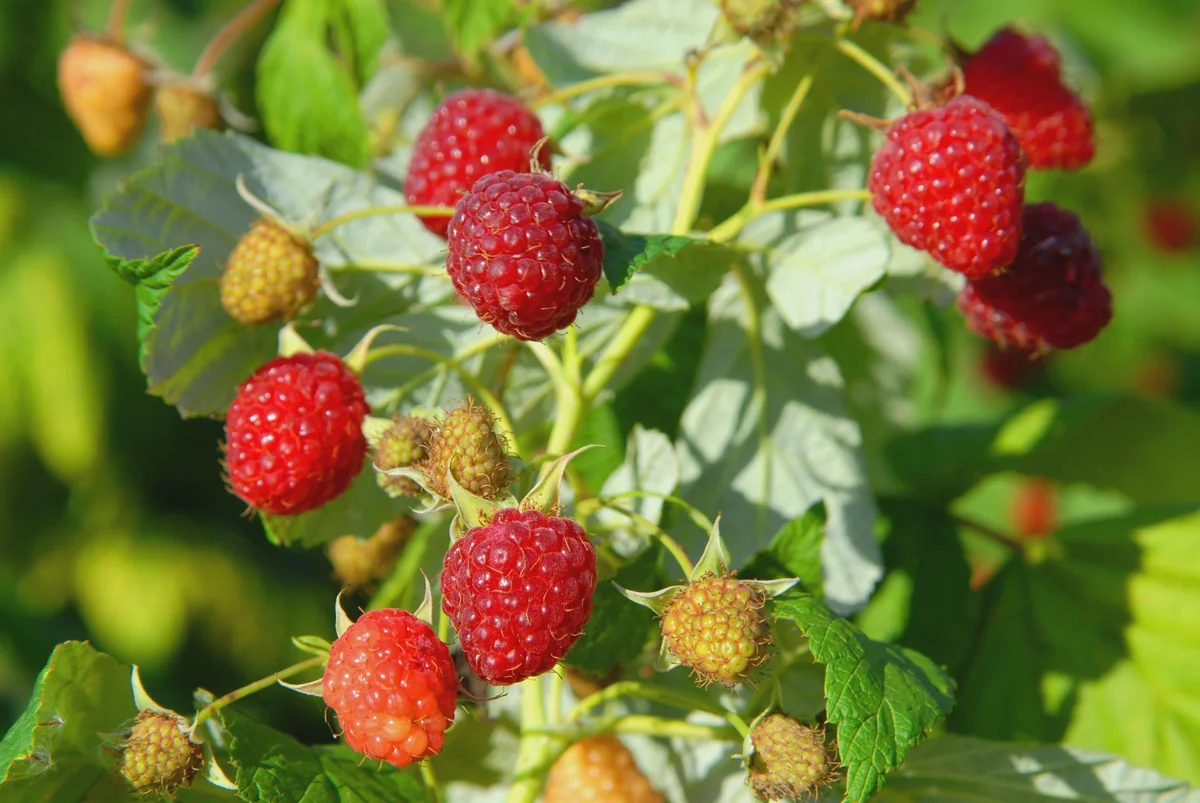
Cultivate your own sweet and juicy berries with these 10 Heritage Red Raspberry Starter Plug plants. Known for their vigorous growth and delicious, dark red fruit, these everbearing raspberry plants produce two crops per year. Perfect for home gardens and easy to grow.
-
USDA Hardiness Zone
USDA zones 4 through 9 -
Soil Type
Well-draining, slightly acidic soil -
Sunlight Exposure
Full sun -
Expected Planting Period
Spring or Fall

You can track your order HERE
Feb 26
Mar 03 - Mar 05
Mar 08 - Mar 12
Shipping and return policies: Our Alive & Thrive Guarantee covers issues with your plants within the first 30 days. Reach out to us. Our team will answer your questions and help you find the plants that are truly suitable for your environment, climate, and personal preferences.

Overview
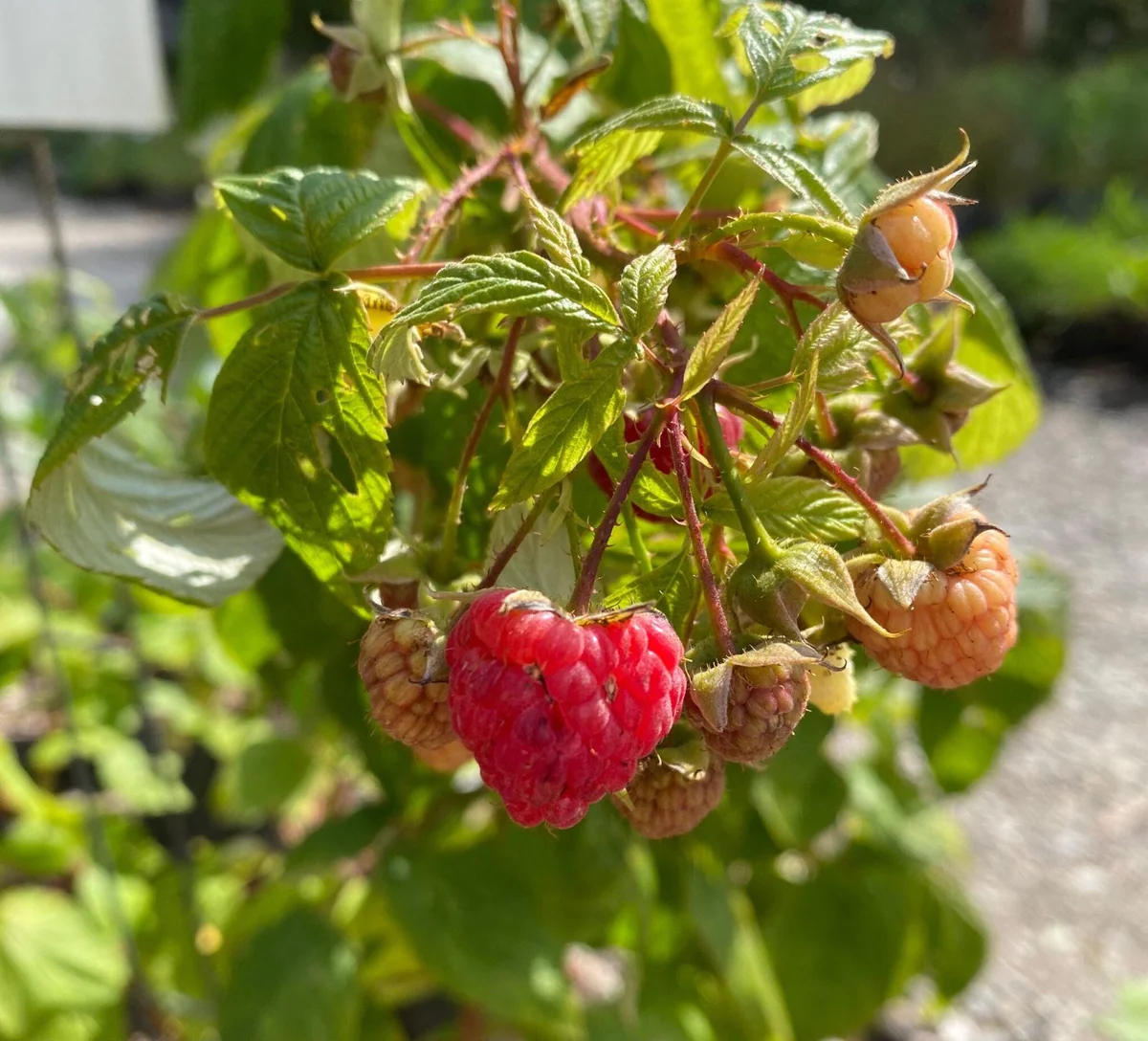
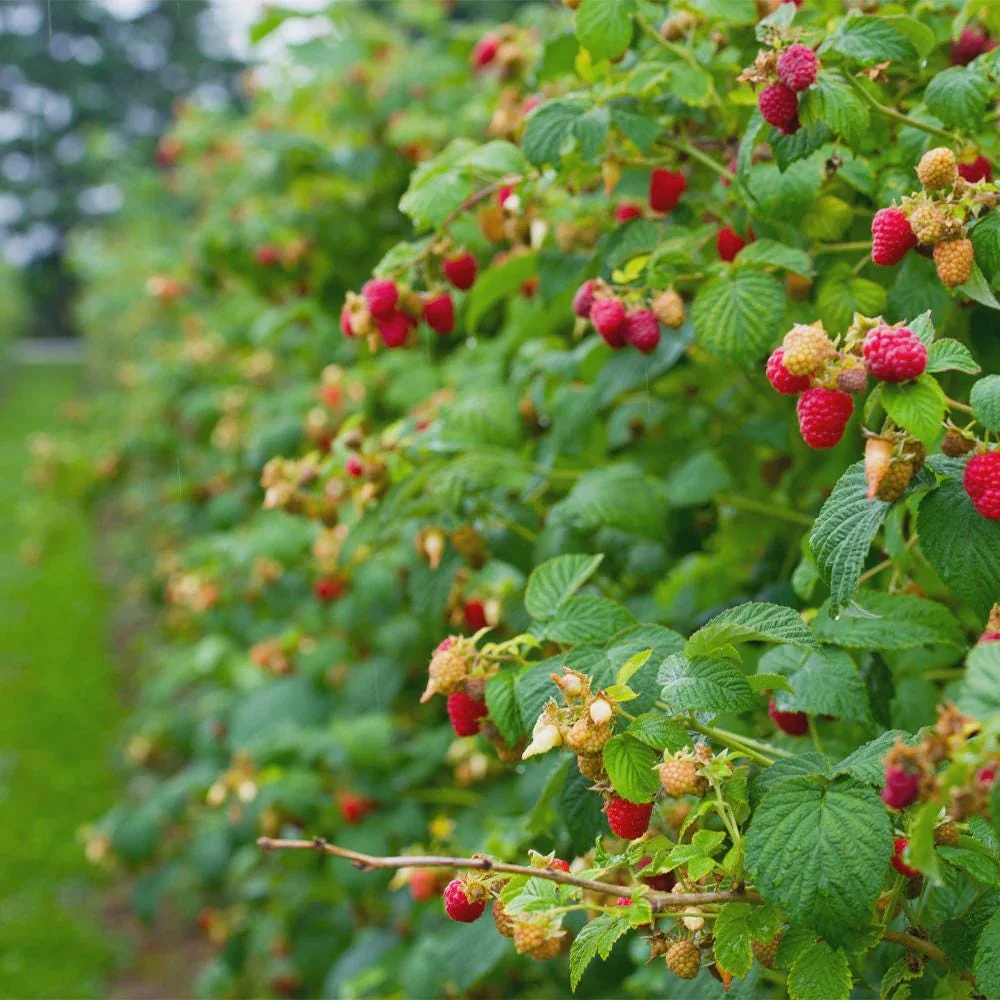
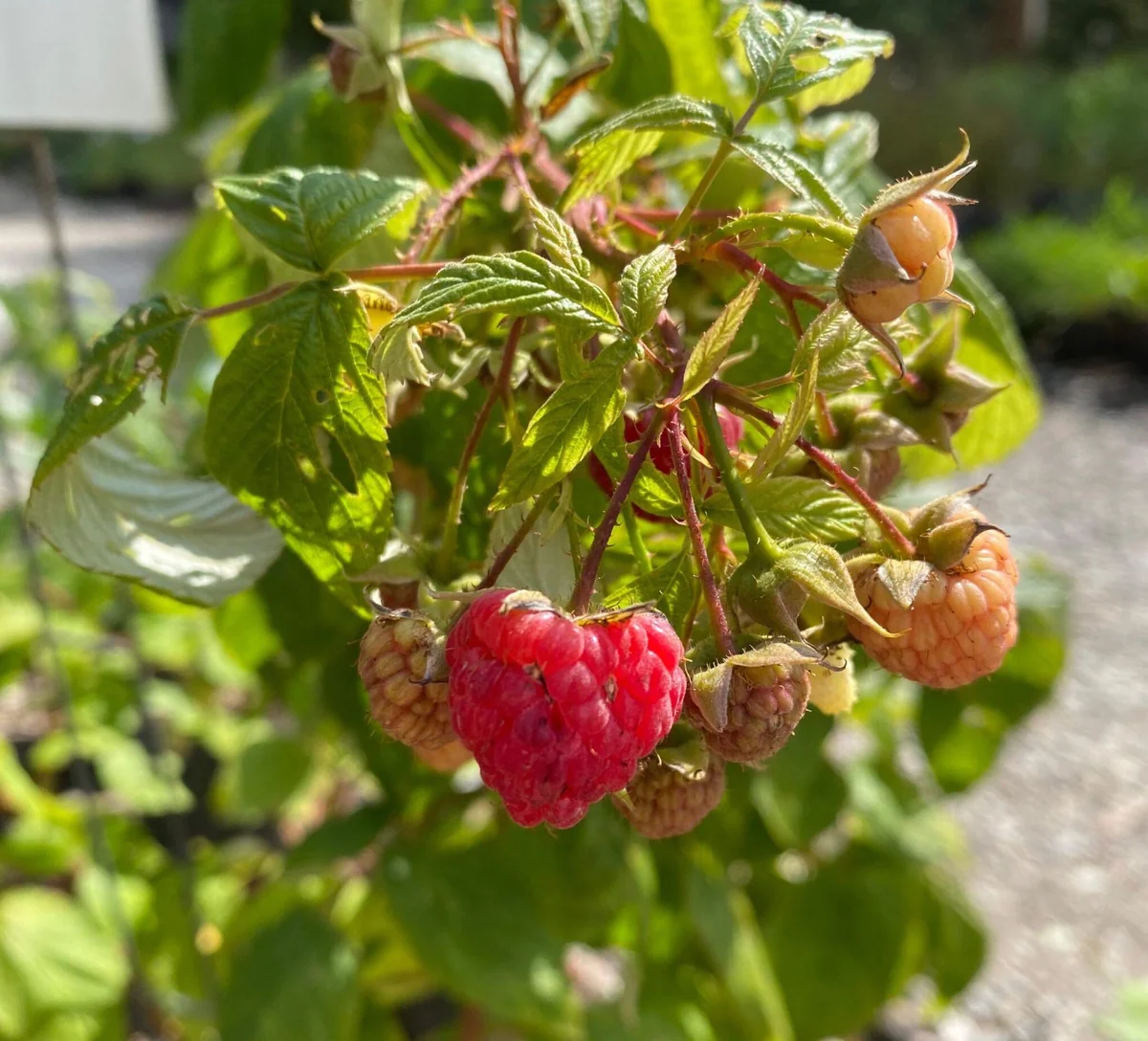
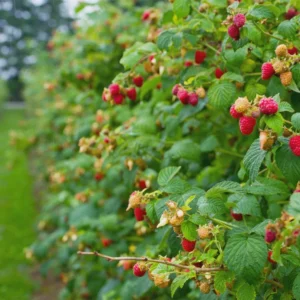
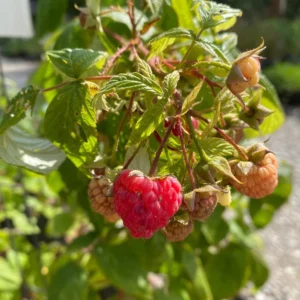
Embark on a rewarding gardening journey with the heritage red raspberry plant. This offering includes 10 Heritage Red Raspberry Starter Plug plants (Rubus idaeus ‘Heritage’), renowned for their exceptional flavor and productivity. The ‘Heritage’ cultivar is a popular, thorned, everbearing (primocane-fruiting) variety, celebrated for its large, sweet, dark red berries. These vigorous and disease-resistant plants are relatively low-maintenance, making them an excellent choice for both novice and experienced gardeners seeking a reliable berry producer. Each starter plug provides a strong foundation for a thriving raspberry patch, ensuring you’ll enjoy bountiful harvests for years to come. With proper care, these plants will quickly establish themselves and begin producing delicious fruit.
The ‘Heritage’ variety is an everbearing raspberry, meaning it produces two crops per year. You can anticipate a moderate harvest in early summer (typically July) from second-year canes (floricanes), followed by a heavy crop in late summer to fall (August-October) on first-year canes (primocanes). This dual-bearing characteristic ensures a prolonged season of fresh, homegrown raspberries, perfect for eating fresh, making jams, or freezing for later enjoyment. These bare root starter plugs are ready to be planted directly into your garden, providing a head start on your berry production.
Key Benefits
The heritage red raspberry plant offers numerous advantages for the home gardener, providing both aesthetic appeal and a delicious food source. Its robust nature and abundant fruit production make it a highly desirable addition to any garden.
- Dual Harvests: Enjoy two distinct harvests each year. A moderate crop in early summer from floricanes and a heavy, more substantial yield in late summer/fall from primocanes. This extended fruiting season means more fresh raspberries for you.
- Superior Flavor: The ‘Heritage’ cultivar is celebrated for its large, sweet, and intensely flavored dark red berries, perfect for fresh eating, desserts, jams, and preserves. Experience the superior taste of homegrown fruit.
- Vigorous Growth & Disease Resistance: These plants are known for their strong, healthy growth and excellent resistance to common raspberry diseases, reducing the need for extensive pest and disease management. This contributes to the ease of heritage raspberry care.
- Low Maintenance: Despite their prolific production, heritage red raspberry plants are relatively easy to care for, especially when compared to other fruit-bearing plants. Their hardiness and disease resistance contribute to their low-maintenance nature.
- Adaptable & Hardy: Hardy in USDA zones 4 through 9, these raspberries can thrive in a wide range of climates across the United States, making them a versatile choice for many gardeners looking to grow heritage raspberries.
- Economic & Sustainable: Growing your own raspberries saves money on groceries and reduces your carbon footprint, providing a sustainable source of fresh, organic produce.
- Versatile Use: Beyond fresh eating, the berries are excellent for baking, making smoothies, freezing, and creating delicious homemade jams and jellies, offering culinary flexibility.
Plant Care & Growing Tips
Proper care is essential to ensure a bountiful harvest from your heritage red raspberry plant. These plants are generally forgiving, but following these guidelines will maximize their productivity and health. Raspberries thrive in full sun, requiring at least 6-8 hours of direct sunlight per day. Adequate sunlight is crucial for fruit development and flavor. If you live in an area with very hot summers, some afternoon shade can be beneficial to prevent scorching, but too much shade will reduce fruit production. Consider planting them in a location that receives morning sun and some protection from intense afternoon heat.
When it comes to watering, consistent moisture is key, especially during fruiting periods. Aim for about 1 inch of water per week, either from rainfall or irrigation. The soil should be kept consistently moist but not waterlogged. Overwatering can lead to root rot, while underwatering can stress the plant and reduce fruit size. A good way to check soil moisture is to stick your finger about an inch into the soil; if it feels dry, it’s time to water. For optimal growth, plant your rubus idaeus heritage in well-draining, slightly acidic soil with a pH between 6.0 and 6.8. Amending heavy clay soils with organic matter like compost or aged manure will improve drainage and fertility. A good layer of mulch around the base of the plants will help retain soil moisture, suppress weeds, and regulate soil temperature.
Pruning is a vital aspect of heritage red raspberry care, particularly for everbearing varieties. Since ‘Heritage’ produces fruit on both primocanes (first-year canes) and floricanes (second-year canes), you have options. For a single, heavy fall crop, cut all canes back to the ground in late winter. For two crops, prune floricanes (which produced fruit in summer) back to the ground after their harvest. Leave primocanes that fruited in the fall to produce a summer crop the following year, then remove them after their second harvest. Fertilize in early spring with a balanced slow-release fertilizer or compost to support vigorous growth and fruit production. Monitor for common pests like aphids and Japanese beetles, and address any issues promptly with organic solutions if possible. These steps will help you grow heritage raspberries successfully.
Size & Details
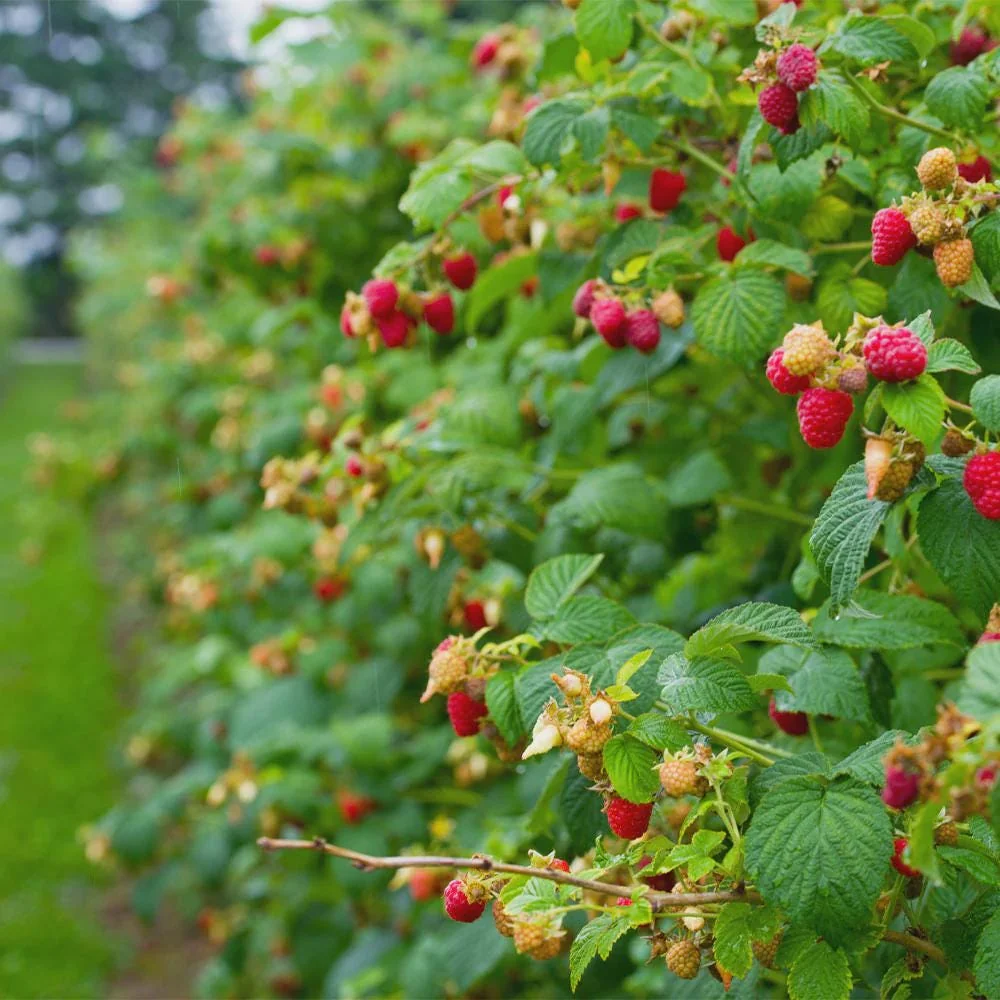
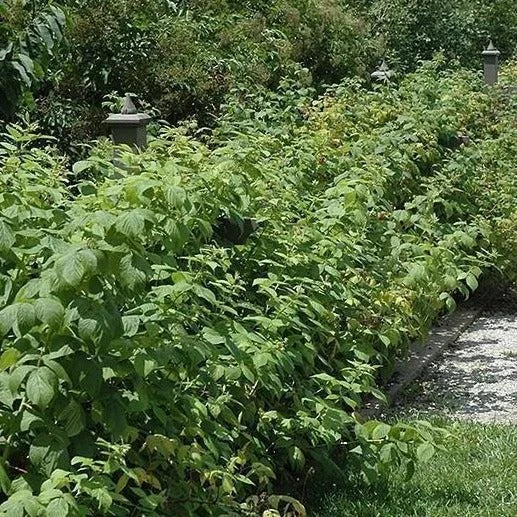
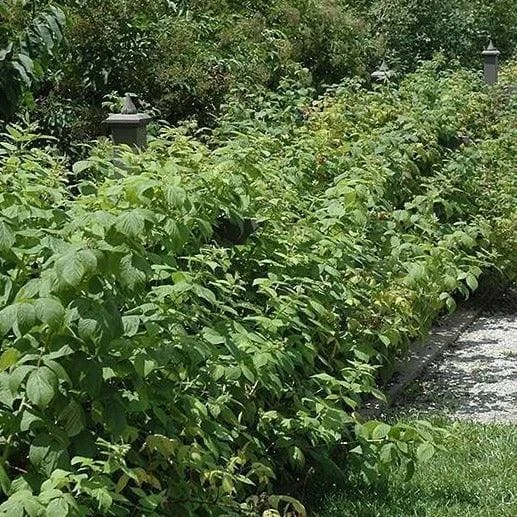
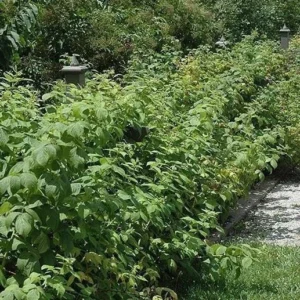
This offering includes 10 Heritage Red Raspberry Starter Plug plants, providing a robust start for your raspberry patch. These are bare root plants, meaning they are shipped without soil or a pot, which is a common and effective method for transplanting dormant plants. Upon arrival, the roots should be kept moist until planting. Each starter plug is a young, healthy plant ready to establish quickly in your garden. When mature, heritage red raspberry plants typically reach a height of 5-8 feet and can spread extensively if not managed, forming dense thickets. The growth rate is vigorous, and you can expect your first moderate crop from second-year canes in early summer, with a heavier crop from first-year canes in late summer/fall. The fruit size is generally large, and the plants are known for their strong root systems.
The ‘Heritage’ cultivar is an everbearing variety, ensuring a prolonged harvest season. The first crop occurs in July on floricanes, and the second, more substantial crop, appears from August to October on primocanes. This extended fruiting period is a significant advantage for home gardeners. These plants are hardy across a wide range of climates, thriving in USDA zones 4 through 9, making them suitable for most regions in the United States. They are best planted in spring or fall, allowing the roots to establish before extreme temperatures. Expect these plants to provide many years of delicious harvests with proper care.
Frequently Asked Questions
- Q: What condition will the 10 Heritage Red Raspberry Starter Plug plants arrive in? A: Your 10 Heritage Red Raspberry Starter Plug plants will arrive as bare root plants, meaning they are shipped without soil or a pot. This is a standard and effective shipping method for dormant plants, ensuring they are ready for planting upon arrival. Please plant them as soon as possible after receiving them.
- Q: How big do these heritage red raspberry plants get? A: Mature heritage red raspberry plants typically reach a height of 5-8 feet tall. They are vigorous growers and can spread to form dense patches if not pruned and managed regularly. Proper spacing and trellising can help control their size.
- Q: Is this an indoor or outdoor plant? A: The heritage red raspberry plant is an outdoor plant, best suited for garden beds or large containers outdoors. It requires full sun and sufficient space to thrive and produce fruit effectively. It is not recommended for indoor growing.
- Q: How much sunlight does a heritage red raspberry plant need? A: These raspberries require full sun, meaning at least 6-8 hours of direct sunlight per day. Ample sunlight is crucial for vigorous growth, abundant fruit production, and optimal berry flavor.
- Q: When is the best time to plant these raspberry starter plugs? A: The ideal time to plant your heritage red raspberry plant bare root plugs is in early spring after the last frost, or in the fall before the ground freezes. This allows the plants to establish their root systems before the stress of extreme summer heat or winter cold.
- Q: Is this plant easy to care for, especially for beginners? A: Yes, the ‘Heritage’ cultivar is considered relatively low-maintenance and vigorous, making it a good choice for beginners looking to grow heritage raspberries. With basic care regarding sunlight, water, and pruning, it provides rewarding results.
- Q: How long until I can expect to harvest raspberries? A: As an everbearing variety, you can expect a moderate crop in the first summer (July) from second-year canes, and a heavier crop in late summer/fall (August-October) from first-year canes. Significant harvests typically begin in the second year after planting.
- Q: What USDA zones are suitable for the heritage red raspberry plant? A: The heritage red raspberry plant (Rubus idaeus ‘Heritage’) is hardy and thrives in USDA zones 4 through 9, covering a wide range of climates across the United States.
- Q: Can I use the berries for making jam? A: Absolutely! The large, sweet, dark red berries produced by the rubus idaeus heritage plant are excellent for making delicious jams, jellies, pies, and other preserves. Their rich flavor holds up well in cooked applications.
- Q: Do these plants require a trellis or support? A: While not strictly necessary, providing a trellis or support system can help manage the vigorous growth of the everbearing raspberry canes, keep the fruit off the ground, and make harvesting easier. It also improves air circulation, which can help prevent fungal diseases.
Be the first to review “10 Heritage Red Raspberry Starter Plug – Rubus idaeus – Bare Root Plant”
People Also Viewed
Sold 73 products
Original price was: $439.80.$219.90Current price is: $219.90.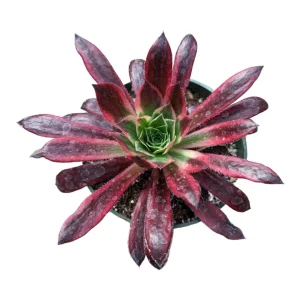
Succulents
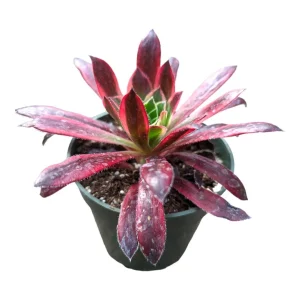
Aeonium ‘Phoenix’ Variegata Succulent Plant – Live Succulent – 2-4 Inch Pot – Indoor/Outdoor
Sold 61 products
From $36.64
Sold 83 products
Original price was: $355.96.$177.98Current price is: $177.98.
Sold 74 products
Original price was: $427.96.$213.98Current price is: $213.98.
Sold 86 products
Original price was: $79.98.$39.99Current price is: $39.99.
Sold 77 products
Original price was: $24.35.$7.74Current price is: $7.74.
Sold 77 products
Original price was: $18.76.$9.38Current price is: $9.38.
Sold 79 products
Original price was: $391.96.$195.98Current price is: $195.98.
Sold 88 products
$59.38
Sold 100 products
Original price was: $283.96.$141.98Current price is: $141.98.
Sold 95 products
Original price was: $37.98.$20.49Current price is: $20.49.
Sold 61 products
Original price was: $391.96.$195.98Current price is: $195.98.
Sold 91 products
Original price was: $391.96.$195.98Current price is: $195.98.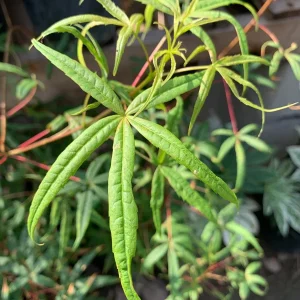
Trees
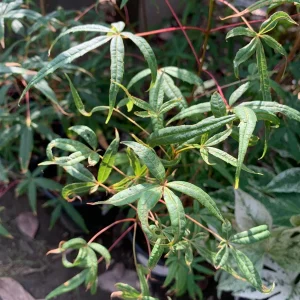
Acer Pentaphyllum Live Plant – Five-Leaf Maple Tree – 1-3 ft Tall – Ships in 6 inch Pot – Outdoor
Sold 60 products
Original price was: $147.16.$73.58Current price is: $73.58.

Sold 73 products
Original price was: $18.76.$9.38Current price is: $9.38.
Sold 68 products
Original price was: $38.00.$19.00Current price is: $19.00.
Sold 62 products
Original price was: $25.56.$12.78Current price is: $12.78.
Sold 54 products
Original price was: $39.98.$19.99Current price is: $19.99.



Reviews
There are no reviews yet.