
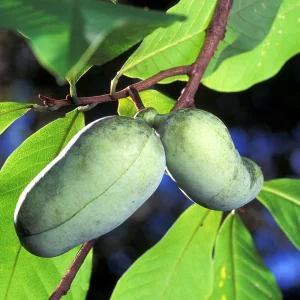

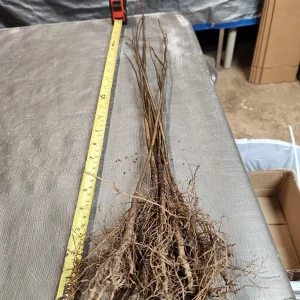

10 Common Paw Paw Live Plants 12″ Bareroot – Asimina Triloba Edible Fruit Tree
Original price was: $126.00.$63.00Current price is: $63.00.
Bring the unique taste of native American fruit to your garden with these common paw paw live plant specimens. You’ll receive 10 bareroot plants, each approximately 12 inches tall, ready for planting. These adaptable trees thrive in USDA zones 5-8, producing delicious, banana-like fruit.
-
USDA Hardiness Zone
USDA Zones 5-8 -
Soil Type
Rich, moist, well-draining soil -
Sunlight Exposure
Partial shade (young); Full sun (mature) -
Expected Planting Period
Early spring

You can track your order HERE
Feb 26
Mar 03 - Mar 05
Mar 08 - Mar 12
Shipping and return policies: Our Alive & Thrive Guarantee covers issues with your plants within the first 30 days. Reach out to us. Our team will answer your questions and help you find the plants that are truly suitable for your environment, climate, and personal preferences.

Overview
Discover the joy of growing your own unique fruit with this offering of 10 common paw paw live plant specimens. Asimina triloba, commonly known as the Paw Paw, is a fascinating native American tree that offers both ornamental beauty and delicious, edible fruit. These bare root plants, each approximately 12 inches in height, are an excellent choice for naturalizing in moist, deep soils, especially along streams or in woodland edges. The Paw Paw tree develops into a multi-stemmed shrub or a small tree with a short trunk, adorned with spreading branches that form a dense pyramidal or round-topped canopy, lending a distinct semi-tropical appearance to any landscape. If you’re looking for an unusual and rewarding addition to your garden, the common paw paw live plant is an outstanding option, providing a taste of Americana.
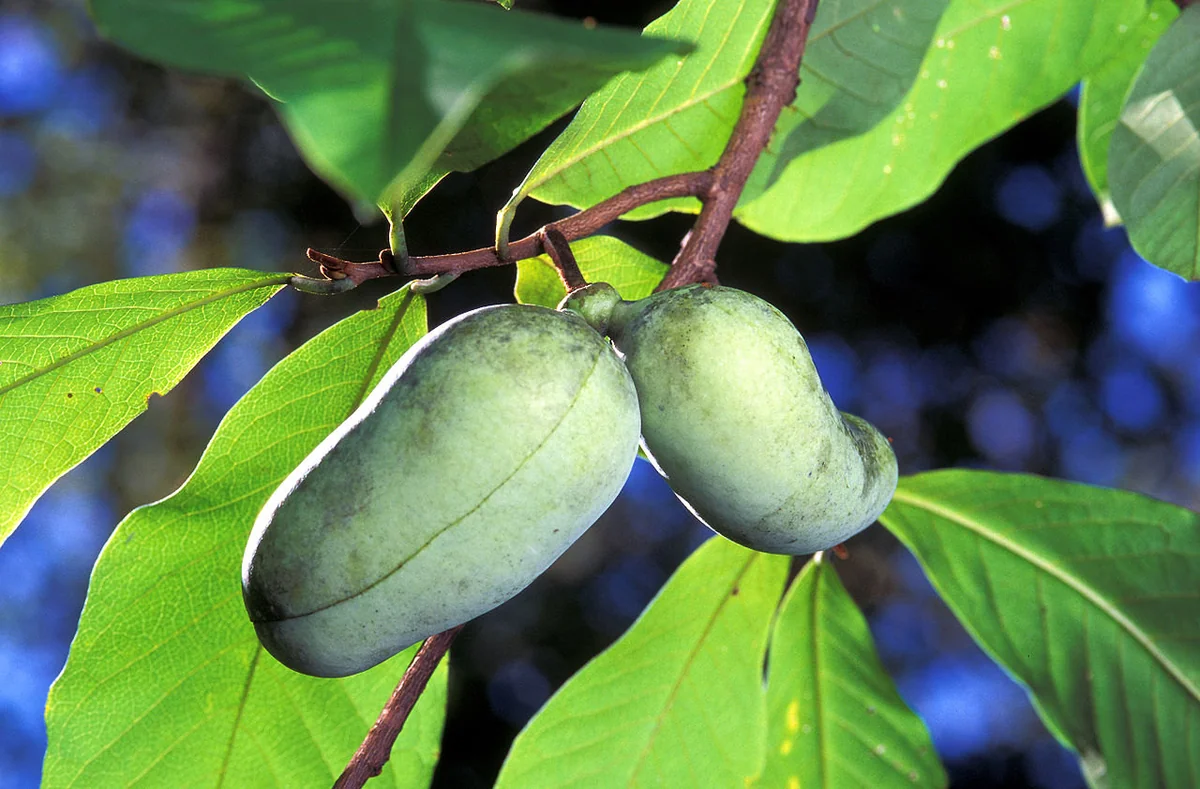
The fruit of the Paw Paw is truly a treat unlike any other. It boasts a sweet, banana-like flavor and creamy texture, making it a favorite among both humans and wildlife. These greenish-yellow berries mature to a brownish-black, typically measuring around 2.5 inches and varying in shape. Beyond its delicious fruit, the Paw Paw is a resilient and adaptable native species, contributing to local ecosystems and providing a unique aesthetic. Planting these asimina triloba bareroot plants is a step towards cultivating an interesting and productive home orchard or naturalized area.
Key Benefits
The common paw paw live plant offers a multitude of benefits for the home gardener and the environment. Its unique characteristics make it a valuable addition to diverse landscapes, providing both aesthetic appeal and practical advantages.
- Delicious Edible Fruit: Enjoy the sweet, banana-like flavor of the Paw Paw fruit, a truly unique and delicious native American delicacy. This edible paw paw tree produces fruit that is a favorite with both people and local wildlife, offering a taste experience unlike any other.
- Native & Resilient: As a native species, the Paw Paw is well-adapted to its environment, requiring less intervention once established. It contributes to local biodiversity and ecosystem health.
- Semi-Tropical Appearance: The tree’s lush foliage and pyramidal or round-topped canopy provide a distinctive, semi-tropical look, adding an exotic touch to your garden without extensive care.
- Wildlife Attractor: The fruit is a natural food source for various animals, making it an excellent choice for those looking to attract and support local wildlife in their garden.
- Low Maintenance Once Established: After the initial care during establishment, the common paw paw live plant is relatively low maintenance, making it suitable for gardeners of varying experience levels.
- Adaptable to Moist Soils: Thrives in moist, deep soils, making it ideal for planting near streams or in areas with consistent moisture, where other fruit trees might struggle.
- Unique Garden Addition: Stand out from typical fruit tree selections with this distinctive native tree, offering both an interesting growth habit and a rare, delicious fruit.
Plant Care & Growing Tips
Proper care is essential for establishing a thriving common paw paw live plant. These plants are shipped bareroot, meaning they are dormant and without soil around their roots, which makes planting straightforward but requires attention to detail. Upon arrival, plant your asimina triloba bareroot specimens as soon as possible. Dig a hole wide enough to accommodate the roots without bending them, and deep enough so that the root collar is at soil level. Backfill with good quality soil, gently firming it around the roots to remove air pockets, and water thoroughly.
Paw Paws prefer partial shade when young, especially in their first year, as direct sun can scorch their tender leaves. Once established, they can tolerate more sun, with full sun leading to more fruit production, provided they receive adequate moisture. They thrive in rich, moist, well-draining soil, ideally with a slightly acidic to neutral pH. Consistent moisture is crucial, especially during dry spells and fruit development. Mulching around the base of the tree helps retain soil moisture and suppress weeds. These trees are hardy in USDA Zones 5-8. Fertilize sparingly in the spring with a balanced, slow-release fertilizer once the plant is established. Pruning is generally minimal, focusing on removing dead or diseased branches and shaping the tree.
While generally robust, monitoring for pests and diseases will help maintain the health of your edible paw paw tree. Ensure good air circulation and avoid overwatering to prevent fungal issues. Understanding paw paw plant care is key to a successful harvest. Remember that Paw Paws often require cross-pollination to set fruit, so planting at least two genetically distinct trees is highly recommended for optimal fruit production. If you’re interested in a truly unique and delicious native fruit, cultivating a native fruit tree like the Paw Paw is an excellent choice.
Size & Details
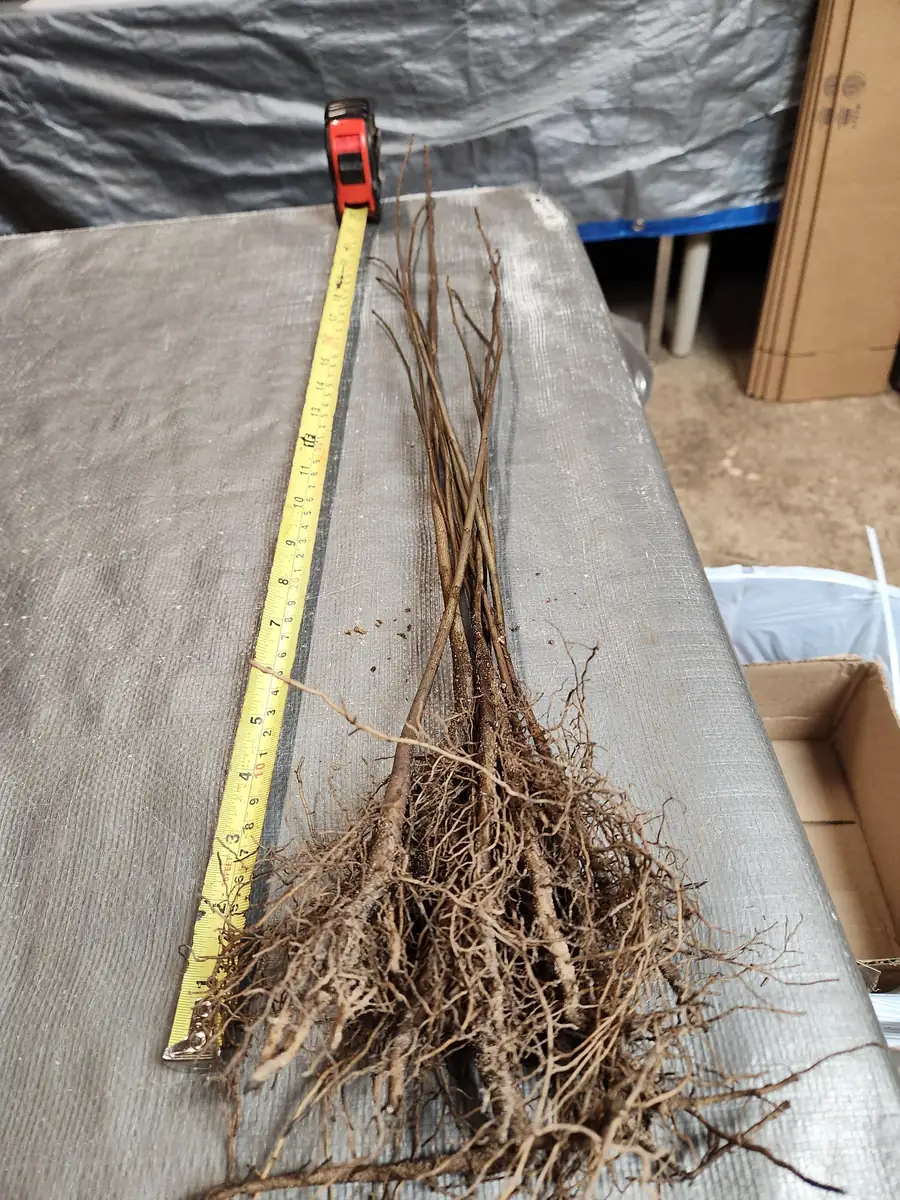
This offering includes 10 common paw paw live plant specimens, each provided in a bareroot form. The plants are approximately 12 inches in height, making them a good size for easy handling and planting. Paw Paw trees typically grow at a medium rate, eventually reaching a height of 15-30 feet with a spread of 15-25 feet, though they can be kept smaller with pruning. They are shipped dormant and without foliage, ready for spring planting. These bareroot plants are ideal for establishing a new grove or adding to an existing landscape. Expect fruit production to begin within 3-5 years after planting, with optimal yields as the trees mature.
Frequently Asked Questions
- Q: How big do these Paw Paw plants get? A: These common paw paw live plant specimens are approximately 12 inches tall when shipped bareroot. Mature Paw Paw trees typically reach heights of 15-30 feet with a similar spread, though their size can be managed through pruning.
- Q: Is this an indoor or outdoor plant? A: The common paw paw live plant is an outdoor tree, native to temperate climates. It is not suitable for indoor growing long-term and requires outdoor conditions to thrive and produce fruit.
- Q: How much sunlight does it need? A: Young Paw Paw trees prefer partial shade, especially in their first year. Once established, they can tolerate full sun, which generally leads to better fruit production, provided they receive adequate moisture.
- Q: Is this plant easy to care for? A: Once established, the edible paw paw tree is relatively low maintenance. The initial planting and establishment phase requires consistent moisture and protection from harsh sun, but they are quite resilient thereafter.
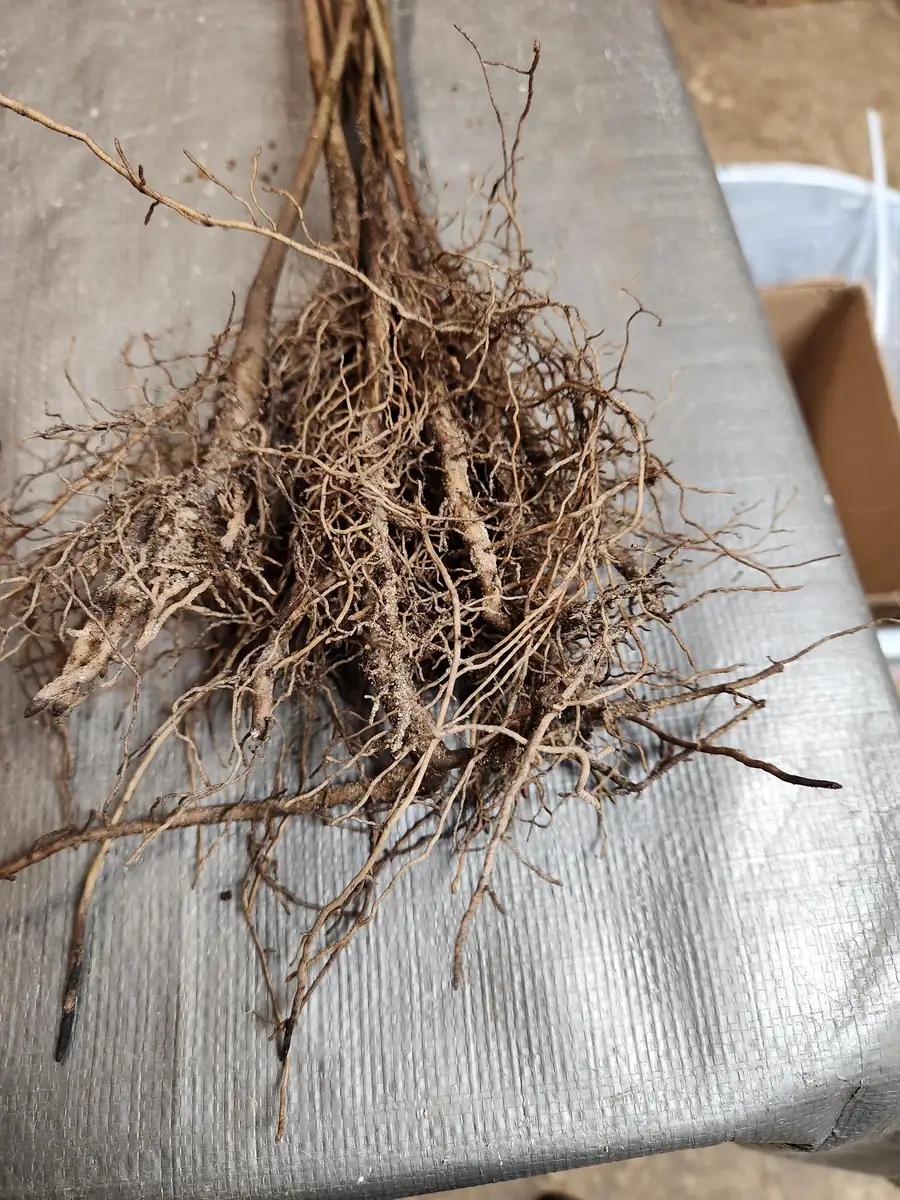
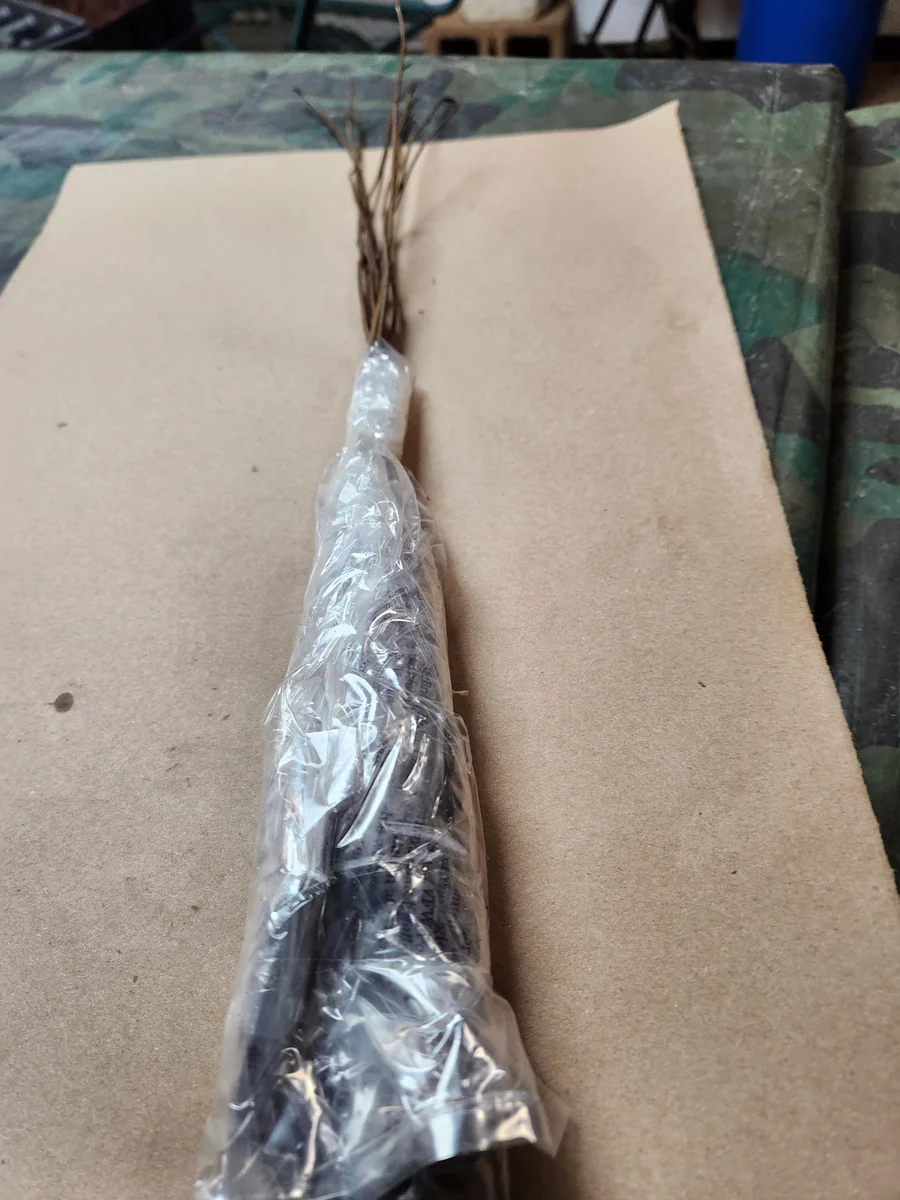
- Q: What condition will it arrive in? A: Your 10 Paw Paw plants will arrive as asimina triloba bareroot specimens, dormant and without soil around their roots. This is the ideal state for transplanting during the dormant season.
- Q: Can I use Paw Paw fruit in cooking? A: Yes, the fruit of the native fruit tree is highly prized for its sweet, tropical flavor. It can be eaten fresh, used in desserts like custards and pies, or made into preserves.
- Q: When is the best time to plant these bareroot Paw Paws? A: The best time to plant bareroot Paw Paw plants is in early spring, as soon as the soil can be worked, before they break dormancy. This allows them to establish their root systems before the heat of summer.
- Q: Will it survive winter in my zone? A: These common paw paw live plant specimens are hardy in USDA Zones 5-8. They are deciduous and will go dormant in winter, naturally tolerating cold temperatures within this range.
- Q: Do I need more than one Paw Paw tree to get fruit? A: Yes, for optimal fruit production, you generally need at least two genetically different Paw Paw trees for cross-pollination. This ensures that pollen from one tree can fertilize the flowers of another.
- Q: What is the growth rate of a Paw Paw tree? A: Paw Paw trees have a medium growth rate, typically adding 1-2 feet of height per year under ideal conditions.
Be the first to review “10 Common Paw Paw Live Plants 12″ Bareroot – Asimina Triloba Edible Fruit Tree”
People Also Viewed
Herbs
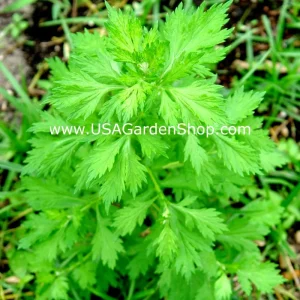
Mugwort Live Plant – Artemisia Ngai Cuu Yomogi Argyi – Silvery Wormwood – Indoor/Outdoor – 1ft Tall
Sold 64 products
From $4.24
Sold 85 products
Original price was: $39.98.$19.99Current price is: $19.99.
Sold 92 products
Original price was: $155.98.$77.99Current price is: $77.99.
Sold 98 products
Original price was: $119.98.$59.99Current price is: $59.99.
Sold 89 products
Original price was: $61.20.$30.60Current price is: $30.60.
Sold 58 products
Original price was: $67.98.$33.99Current price is: $33.99.
Sold 60 products
Original price was: $39.96.$19.98Current price is: $19.98.
Sold 77 products
Original price was: $58.86.$29.43Current price is: $29.43.
Sold 100 products
Original price was: $162.36.$81.18Current price is: $81.18.
Sold 65 products
From $130.00
Sold 53 products
Original price was: $27.96.$13.98Current price is: $13.98.
Sold 54 products
Original price was: $35.98.$17.99Current price is: $17.99.
Sold 100 products
Original price was: $65.98.$32.99Current price is: $32.99.
Sold 93 products
Original price was: $93.98.$65.78Current price is: $65.78.
Sold 56 products
Original price was: $25.98.$12.99Current price is: $12.99.
Sold 53 products
Original price was: $39.98.$19.99Current price is: $19.99.
Sold 72 products
Original price was: $79.98.$39.99Current price is: $39.99.

Sold 59 products
From $25.98


Reviews
There are no reviews yet.