
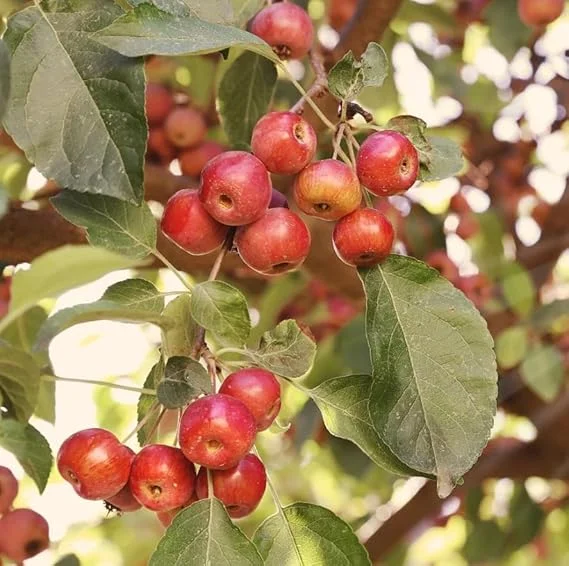
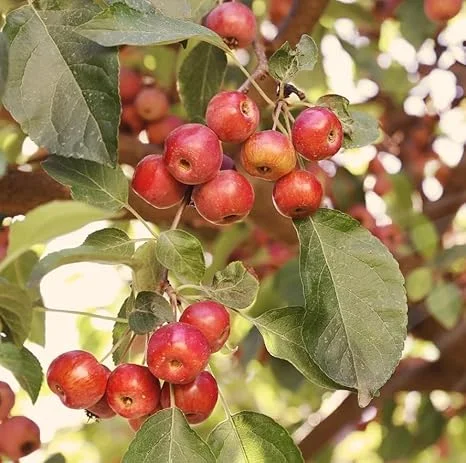
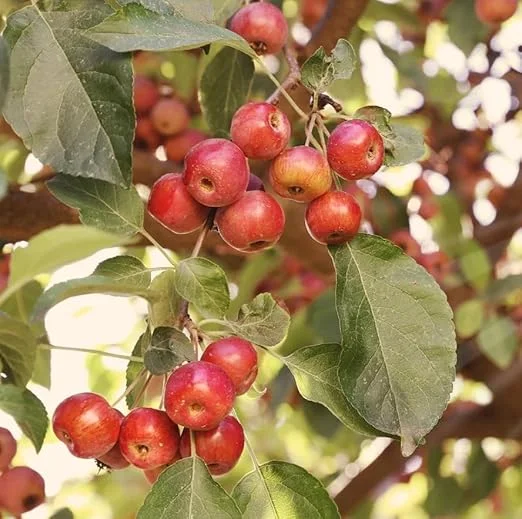
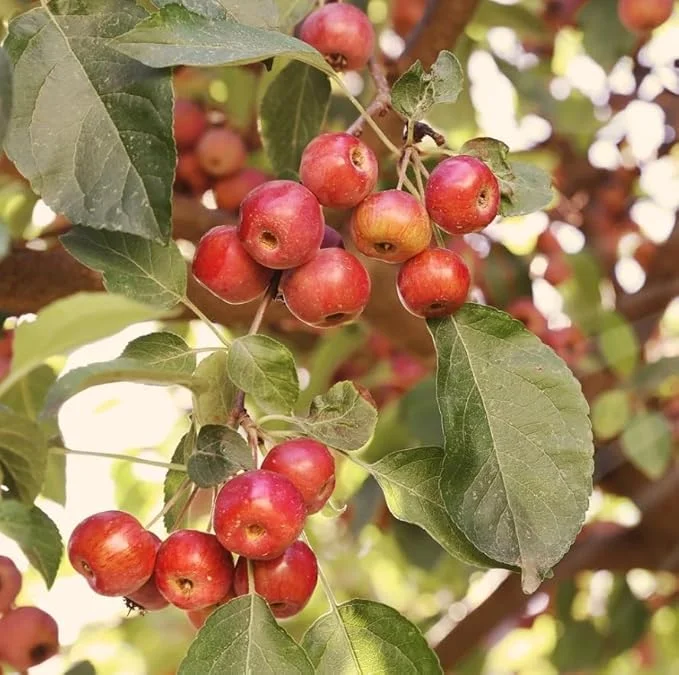
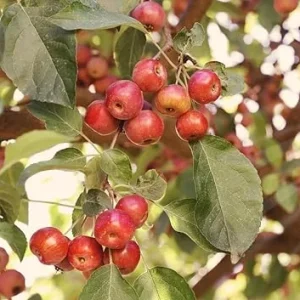
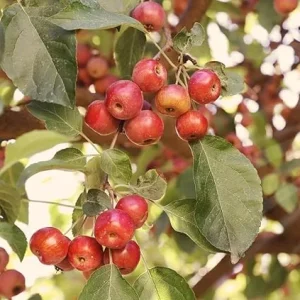
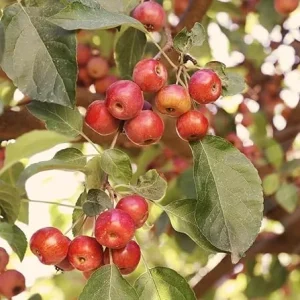
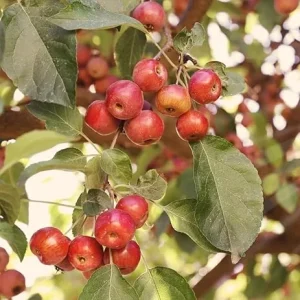
10 American Crabapple Trees Live Plants, 2 ft Tall, Pink White Flowers, Zones 5-9
Original price was: $317.60.$158.80Current price is: $158.80.
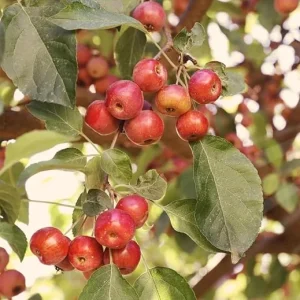
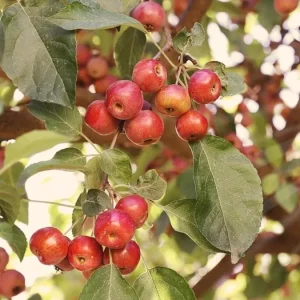
Cultivate a stunning landscape with 10 American Crabapple trees. These live crabapple plants stand 2 ft tall, ready to thrive in your garden. Enjoy their fragrant pink and white spring blossoms and attractive fall fruit. Ideal for USDA Zones 5-9, they’re a beautiful addition to any yard.
-
USDA Hardiness Zone
5-9 -
Soil Type
Loam soil -
Sunlight Exposure
Full Sun -
Expected Planting Period
Spring to Fall

You can track your order HERE
Mar 24
Mar 29 - Mar 31
Apr 03 - Apr 07
Shipping and return policies: Our Alive & Thrive Guarantee covers issues with your plants within the first 30 days. Reach out to us. Our team will answer your questions and help you find the plants that are truly suitable for your environment, climate, and personal preferences.

Overview
Introduce the timeless beauty of the American Crabapple trees to your garden. This offering includes 10 American Crabapple trees, each standing approximately 2 feet tall, ready to be planted and established. Known for their graceful form and vibrant seasonal displays, these native trees are a fantastic choice for adding ornamental value and ecological benefits to your landscape. The American Crabapple (Malus coronaria) is a small to medium-sized deciduous tree celebrated for its stunning spring bloom of fragrant pink and white flowers, which later give way to small, tart crabapples that persist into fall and winter, providing food for wildlife. These live crabapple plants are an excellent way to create a naturalized area, an attractive border, or a focal point in your yard, promising years of visual appeal and enjoyment.
The charm of the American Crabapple extends beyond its blossoms and fruit. Its adaptability and hardiness make it a favorite among gardeners across a wide range of climates. With its relatively compact mature size, it fits well into various garden designs, from spacious estates to more modest urban plots. Planting these sweet crab apple tree specimens allows you to contribute to local biodiversity, offering nectar for pollinators in spring and sustenance for birds and other animals later in the year. Prepare to transform your outdoor space into a haven of natural beauty with these robust and appealing trees.
Key Benefits
Investing in American Crabapple trees brings a multitude of benefits to your home and environment. These lovely trees offer more than just aesthetic appeal; they contribute positively to your garden’s ecosystem and provide lasting enjoyment.
- Stunning Spring Blossoms: Enjoy an explosion of fragrant pink and white flowers in early spring, creating a breathtaking visual display that signals the arrival of warmer weather. These blossoms are a key feature of any healthy sweet crab apple tree.
- Wildlife Attraction: The small, tart crabapples produced in late summer and fall serve as a vital food source for birds and other wildlife, enhancing biodiversity in your garden.
- Year-Round Interest: Beyond spring flowers and fall fruit, the attractive branching structure and often persistent fruit provide visual interest even during the dormant winter months.
- Hardy and Adaptable: These trees are known for their resilience and ability to thrive in a variety of soil conditions and climates, making them a reliable choice for many gardeners.
- Ecological Value: As native trees, they support local ecosystems, providing habitat and food for native insects and animals, especially with their beautiful pink crabapple flowers.
- Landscape Versatility: Their moderate size makes them suitable for various landscape applications, including specimen trees, small groupings, or as part of a mixed border.
- Low Maintenance: Once established, live crabapple plants require minimal care, making them an excellent choice for both experienced and novice gardeners.
Plant Care & Growing Tips
Caring for your American Crabapple trees is straightforward, ensuring they grow into healthy, beautiful specimens. These trees prefer a location with full sun exposure, meaning they should receive at least 6 hours of direct sunlight daily to promote robust growth and abundant flowering. While adaptable to various soil types, they thrive best in well-draining loam soil with a slightly acidic to neutral pH. Proper soil preparation before planting, such as amending with compost, will give your young trees a strong start. Ensure adequate spacing between the 10 American Crabapple trees to allow for their mature spread and proper air circulation.
When it comes to watering, young live crabapple plants require consistent moisture, especially during their first growing season. Water deeply once or twice a week, or more frequently during dry spells, to encourage deep root development. Once established, they become more drought-tolerant but will benefit from supplemental watering during prolonged dry periods. Fertilization is generally not heavily required, but a balanced slow-release fertilizer in early spring can boost growth, particularly for younger trees. Pruning should be done in late winter or early spring while the tree is dormant, focusing on removing dead, damaged, or crossing branches, and shaping the tree to maintain its form and health. Understanding crabapple care and growth is key to a thriving tree.
These sweet crab apple tree varieties are hardy in USDA Zones 5-9, making them suitable for a broad range of climates. They are generally resistant to many common pests and diseases, though occasional monitoring for issues like apple scab or cedar-apple rust is advisable. Ensuring good air circulation and cleaning up fallen leaves can help prevent fungal diseases. With proper care, your American Crabapple trees will provide a spectacular display of pink crabapple flowers and attractive fruit for many years to come.
Size & Details
This offering provides 10 American Crabapple trees, each standing approximately 2 feet tall at the time of shipment. These are young, healthy live crabapple plants, ready for transplanting into your garden. At maturity, the American Crabapple is a small to medium-sized tree, typically reaching a height of 10 to 30 feet, with a similar spread, forming a rounded crown. The growth rate is moderate, allowing the tree to establish well within a few years while offering a manageable size for various landscapes. You can expect the first fragrant pink and white blossoms to appear in early spring, typically from April to May, followed by the development of small, decorative crabapples.
These trees are shipped in a manner that protects their root system, ensuring they arrive healthy and ready for planting. They are suitable for growing in USDA Hardiness Zones 5 through 9, indicating their resilience to a wide range of winter temperatures. The trees will be dormant or just emerging from dormancy depending on the season of purchase, which is the ideal time for planting to minimize transplant shock. With proper planting and initial care, these American Crabapple trees will quickly establish and begin to flourish in your garden, becoming a cherished part of your landscape.
Frequently Asked Questions
- Q: How big do these American Crabapple trees get? A: These American Crabapple trees are shipped at approximately 2 feet tall. At maturity, they typically reach a height of 10 to 30 feet with a similar spread, forming a beautiful rounded canopy.
- Q: Are these an indoor or outdoor plant? A: These are outdoor trees. American Crabapple trees require full sun and cold dormancy to thrive, making them unsuitable for indoor cultivation.
- Q: How much sunlight do these live crabapple plants need? A: For optimal growth and flowering, these trees need full sun, meaning at least 6 hours of direct sunlight per day.
- Q: Is this tree easy to care for? A: Yes, once established, the sweet crab apple tree is relatively low-maintenance. It requires consistent watering when young, but becomes more drought-tolerant with age.
- Q: What condition will the trees arrive in? A: The 10 American Crabapple trees will arrive as healthy, young specimens, approximately 2 feet tall, with their root systems protected for safe transport and planting.
- Q: When is the best time to plant American Crabapple trees? A: The best time to plant American Crabapple trees is in the spring or fall when temperatures are moderate.
- Q: Will these trees survive winter in my zone? A: These American Crabapple trees are hardy in USDA Zones 5-9, meaning they are well-suited to withstand the winter temperatures common in these regions.
- Q: Do these trees produce edible fruit? A: The fruit of the American Crabapple is typically small and quite tart, often used for jellies, preserves, or providing food for wildlife, rather than direct consumption.
- Q: What kind of soil is best for these trees? A: Crabapple care and growth is best in well-draining loam soil. They are adaptable but prefer a slightly acidic to neutral pH.
- Q: How long until I see pink crabapple flowers? A: You can expect to see the beautiful pink crabapple flowers in early spring, typically from April to May, usually within the first few years after planting, once the tree is established.
Be the first to review “10 American Crabapple Trees Live Plants, 2 ft Tall, Pink White Flowers, Zones 5-9”
People Also Viewed
Flower Plants
Yellow Bird of Paradise Live Plant – 5-10 Inch Tropical Outdoor Plant Strelitzia Reginae
Sold 81 products
Original price was: $69.98.$34.99Current price is: $34.99.
Sold 61 products
Original price was: $339.96.$169.98Current price is: $169.98.
Sold 84 products
Original price was: $59.98.$41.98Current price is: $41.98.
Sold 57 products
$72.58
Sold 98 products
Original price was: $27.98.$13.99Current price is: $13.99.
Sold 57 products
Original price was: $247.96.$123.98Current price is: $123.98.
Trees
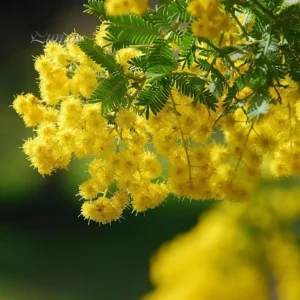
Mimosa Wattle Seedling Live Plant – Acacia Baileyana Yellow Flower Tree 3-5 Inch Tall 4 Inch Pot
Sold 64 products
Original price was: $37.99.$27.99Current price is: $27.99.
Sold 56 products
Original price was: $139.96.$69.98Current price is: $69.98.
Sold 59 products
Original price was: $40.76.$20.38Current price is: $20.38.

Sold 77 products
Original price was: $28.76.$14.38Current price is: $14.38.
Sold 57 products
Original price was: $47.96.$23.98Current price is: $23.98.

Sold 69 products
Original price was: $31.16.$15.58Current price is: $15.58.
Sold 60 products
Original price was: $39.96.$19.98Current price is: $19.98.
Sold 72 products
Original price was: $79.98.$39.99Current price is: $39.99.
Sold 96 products
Original price was: $39.98.$19.99Current price is: $19.99.
Sold 77 products
Original price was: $133.60.$66.80Current price is: $66.80.
Sold 100 products
Original price was: $31.96.$15.98Current price is: $15.98.
Sold 79 products
Original price was: $31.96.$15.98Current price is: $15.98.



Reviews
There are no reviews yet.