



1 Chickasaw Blackberry Starter Plug – Rubus fruticosus Live Plant – Zones 5-9
Original price was: $36.00.$28.80Current price is: $28.80.
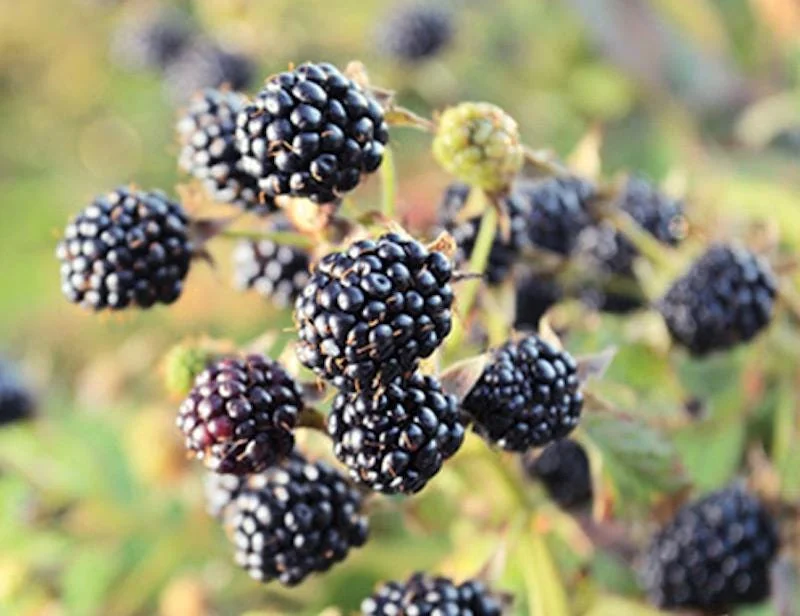
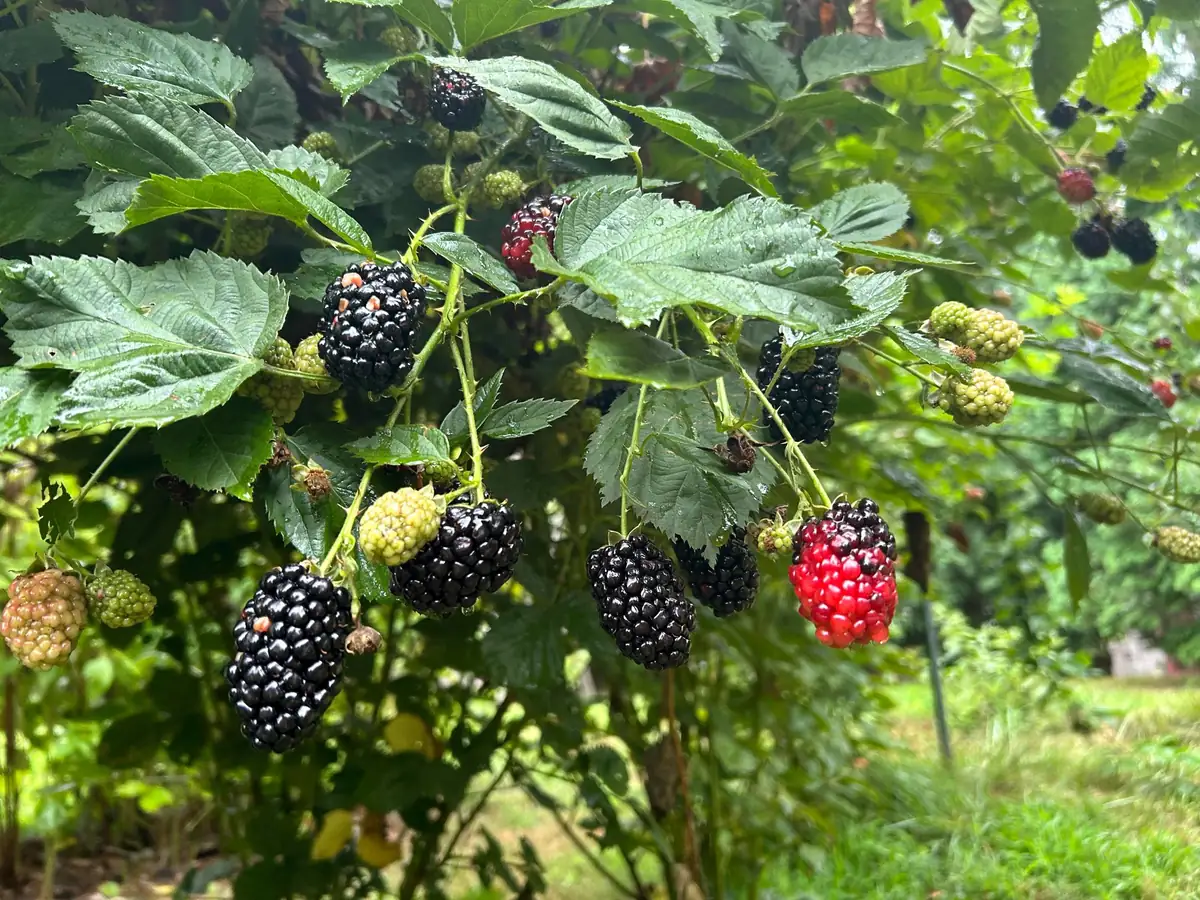
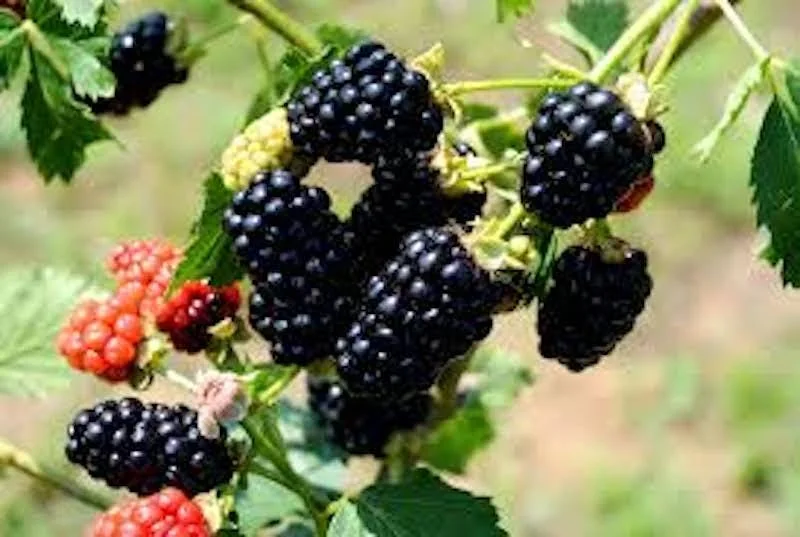
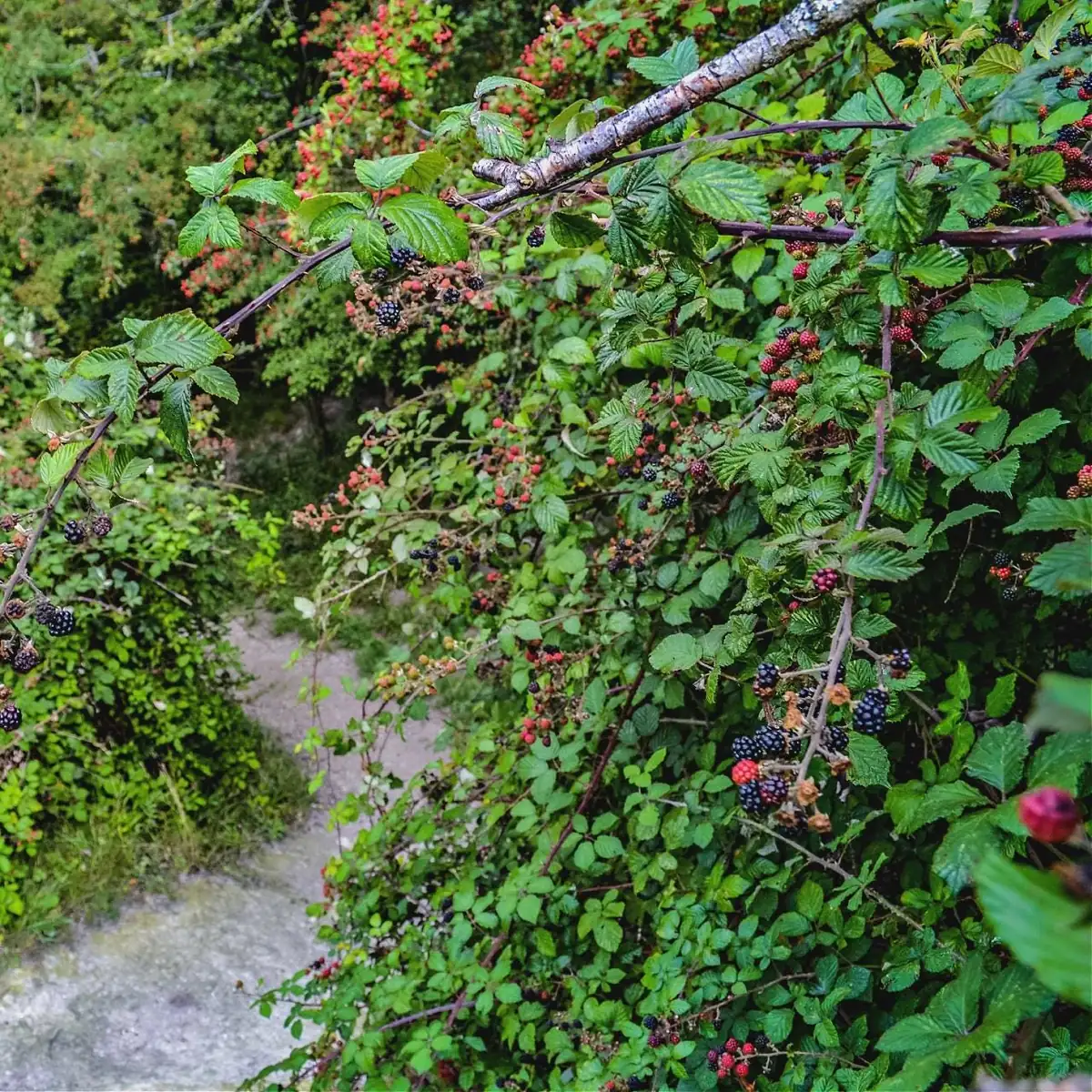
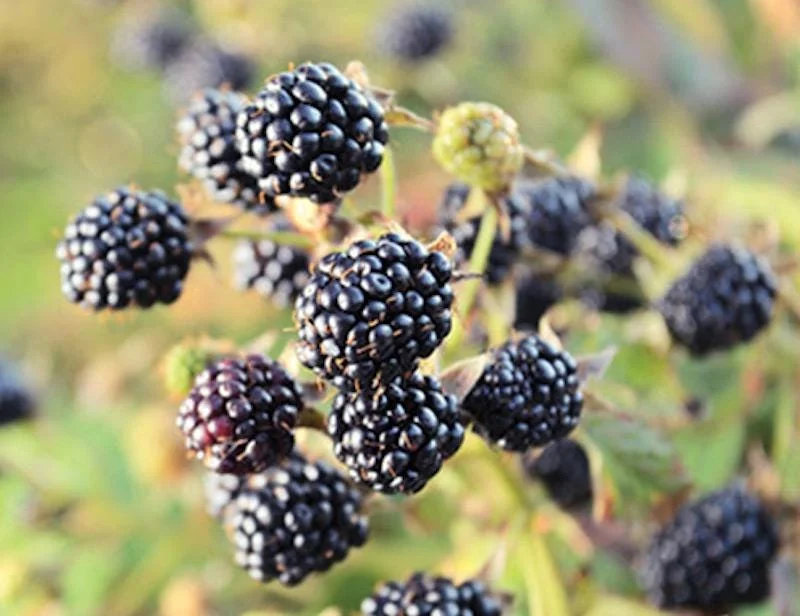
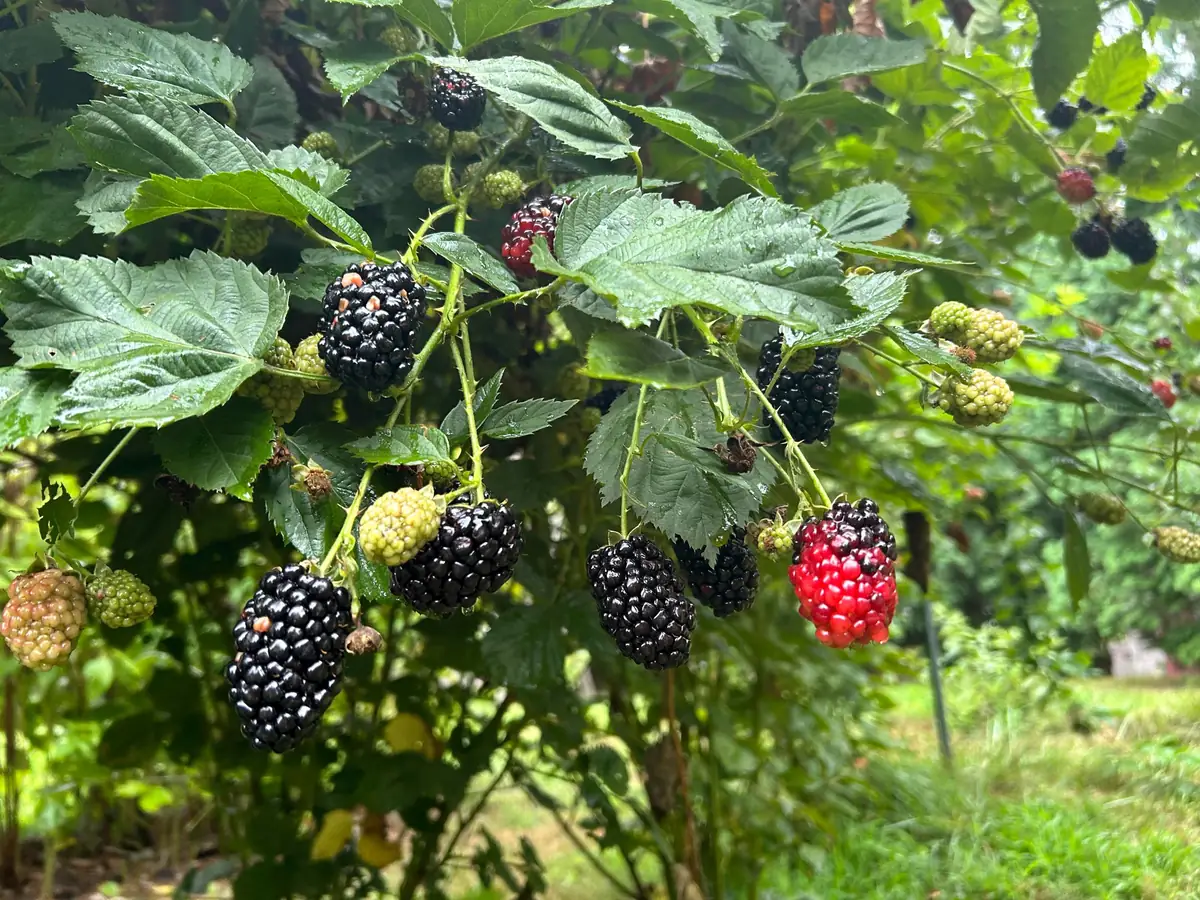
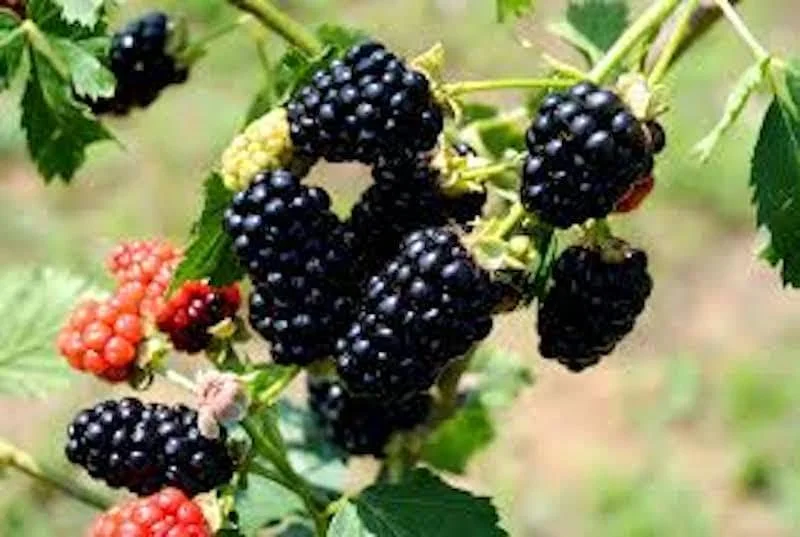
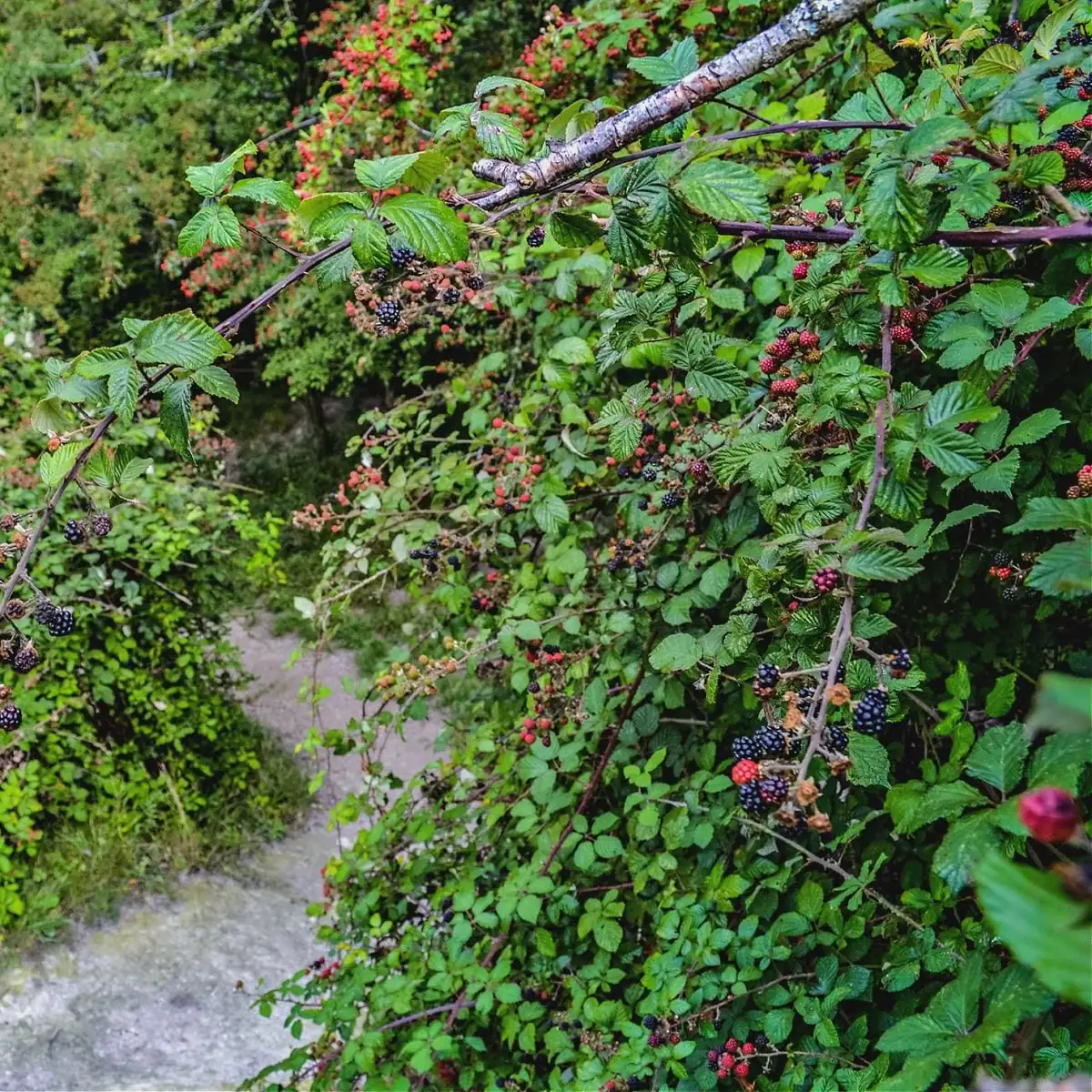
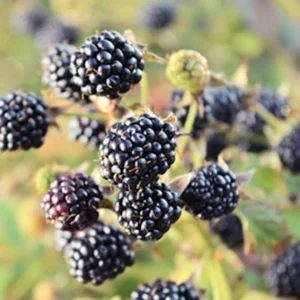
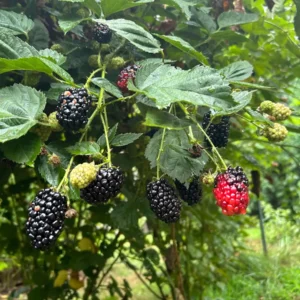
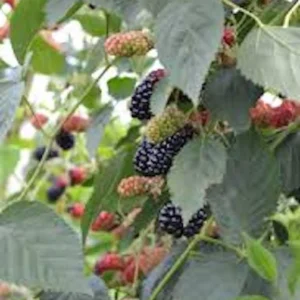
Cultivate your own sweet harvest with a chickasaw blackberry live plant. This blackberry starter plug of the ‘Chickasaw’ variety (Rubus fruticosus) is known for its prolific production of large, glossy black fruit with excellent flavor. Ideal for home gardeners seeking a hardy, thorny, erect-growing cultivar.
-
USDA Hardiness Zone
5-9 -
Soil Type
Well-draining, fertile, slightly acidic to neutral soil -
Sunlight Exposure
Full sun -
Expected Planting Period
Spring or Fall

You can track your order HERE
Feb 27
Mar 04 - Mar 06
Mar 09 - Mar 13
Shipping and return policies: Our Alive & Thrive Guarantee covers issues with your plants within the first 30 days. Reach out to us. Our team will answer your questions and help you find the plants that are truly suitable for your environment, climate, and personal preferences.

Overview
Embark on a rewarding gardening journey with the chickasaw blackberry live plant. This robust rubus fruticosus plant, specifically the ‘Chickasaw’ cultivar, is a highly acclaimed variety developed by the University of Arkansas. Renowned for its exceptional yield and superior fruit quality, this live plant is a fantastic addition to any home orchard or garden. The ‘Chickasaw’ produces very large, glossy black berries that boast an excellent, sweet flavor and good post-harvest characteristics, making them perfect for fresh eating, jams, jellies, or freezing. As a thorny, erect-growing variety, it offers a sturdy growth habit and is a reliable choice for gardeners in a wide range of climates. Planting a chickasaw blackberry live plant ensures you’ll enjoy abundant harvests of delicious, homegrown fruit for years to come.
This particular offering is for a healthy blackberry starter plug, providing a strong foundation for your future blackberry patch. ‘Chickasaw’ is a hardy and adaptable plant, suitable for various growing conditions, making it an excellent choice for both experienced and novice growers alike. Its vigorous growth and generous fruit production will quickly become a highlight of your edible landscape.
Key Benefits
The ‘Chickasaw’ blackberry offers numerous advantages for the home gardener, promising a bountiful and flavorful harvest. Investing in a chickasaw blackberry live plant brings a wealth of benefits:
- Abundant Harvests: This cultivar is celebrated for its consistently high yields, providing a generous supply of berries each season. You’ll have plenty of delicious fruit for snacking, baking, and preserving from your chickasaw blackberry live plant.
- Superior Fruit Quality: Enjoy very large, glossy black berries with an exceptional, sweet flavor. The fruit’s excellent taste and texture make it a favorite for fresh consumption.
- Good Post-Harvest Characteristics: The berries maintain their quality well after picking, making them suitable for storage, freezing, and transportation, ensuring you can enjoy your harvest for longer.
- Hardy and Resilient: ‘Chickasaw’ is a very hardy variety, recommended for USDA Hardiness Zones 5-9, making it adaptable to a broad range of climates and relatively easy to grow.
- Erect Growth Habit: Unlike some sprawling varieties, this blackberry grows upright, which can make management, pruning, and harvesting easier, especially for a new blackberry starter plug.
- Developed for Performance: Originating from the University of Arkansas, this cultivar has been bred for reliability, disease resistance, and high-quality fruit production.
- Versatile Culinary Use: The sweet fruit is perfect for eating fresh, adding to desserts, making pies, jams, jellies, and smoothies, offering endless culinary possibilities.
Plant Care & Growing Tips
Caring for your chickasaw blackberry live plant is straightforward, leading to a rewarding harvest of delicious berries. These plants thrive in full sun, requiring at least 6-8 hours of direct sunlight per day for optimal fruit production. Ensure your planting location receives ample light throughout the growing season. While ‘Chickasaw’ is adaptable, it prefers well-draining, fertile soil with a slightly acidic to neutral pH (6.0-7.0). Amending heavy clay soils with organic matter like compost can significantly improve drainage and provide essential nutrients. When planting your blackberry starter plug, dig a hole twice as wide as the root ball and just as deep, ensuring the crown of the plant is level with the soil surface.
Watering is crucial, especially during the establishment phase and fruit development. Keep the soil consistently moist but never waterlogged. Deep watering once or twice a week is generally more effective than frequent shallow watering. Reduce watering once the plant enters dormancy in late fall. Fertilize your ‘Chickasaw’ blackberry in early spring before new growth begins, using a balanced slow-release fertilizer or a granular fertilizer formulated for fruit-bearing plants. Follow package instructions for application rates. Pruning is essential for maintaining plant health and maximizing fruit yield. Since blackberries fruit on second-year canes (floricanes), prune out all canes that have fruited after harvest. In late winter or early spring, thin new canes (primocanes) to 4-5 strongest per plant, and tip prune them to encourage branching. This will help your grow chickasaw blackberry production.
The ‘Chickasaw’ blackberry is hardy in USDA Zones 5-9, meaning it can tolerate winter temperatures down to -20°F (-29°C) when dormant. In colder regions within its zone, applying a layer of mulch around the base can provide extra winter protection. Monitor for common pests and diseases, though ‘Chickasaw’ is generally robust. Good air circulation and proper plant spacing can help prevent fungal issues. Regular weeding around the base of the plant will reduce competition for nutrients and water, contributing to a healthier and more productive rubus fruticosus plant.
Size & Details
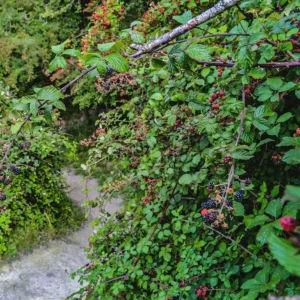
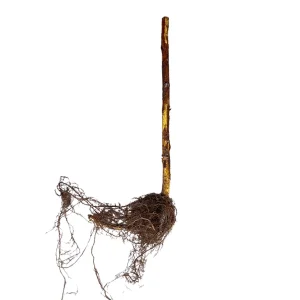
This offering includes one healthy blackberry starter plug of the ‘Chickasaw’ variety (Rubus fruticosus). Each plug is carefully cultivated to ensure a strong root system, ready for transplanting into your garden. Typically, these starter plugs are young plants, generally 3-6 inches tall, providing an excellent foundation for vigorous growth. The ‘Chickasaw’ blackberry is known for its erect growth habit, eventually forming robust canes that can reach heights of 5-8 feet, especially with proper support. It’s a high-yielding variety, with full production usually beginning in its second year after planting. Expect a harvest of delicious berries during the summer months, typically from late June to July, depending on your specific climate zone. This chickasaw blackberry live plant will establish quickly and begin to develop into a productive fruit-bearing bush, offering years of fresh fruit for your enjoyment.
Frequently Asked Questions
- Q: How big will my chickasaw blackberry live plant get? A: The ‘Chickasaw’ blackberry is an erect-growing variety that can typically reach heights of 5-8 feet with proper care and support. Its spread will be more contained than sprawling varieties, making it suitable for various garden sizes.
- Q: How much sunlight does a rubus fruticosus plant need? A: For optimal fruit production, your ‘Chickasaw’ blackberry requires full sun, meaning at least 6-8 hours of direct sunlight per day. Choose a sunny location in your garden to ensure abundant harvests.
- Q: Is this blackberry starter plug thorny? A: Yes, the ‘Chickasaw’ blackberry is a thorny variety. The thorns are a natural defense mechanism and are typical for this type of blackberry.
- Q: When is the best time to grow chickasaw blackberry? A: The best time to plant a ‘Chickasaw’ blackberry starter plug is in early spring after the last frost, or in the fall before the ground freezes. This allows the plant ample time to establish its root system.
- Q: What USDA Hardiness Zones are suitable for this plant? A: The ‘Chickasaw’ blackberry is a hardy variety recommended for USDA Hardiness Zones 5-9. It can tolerate a wide range of temperatures within these zones.
- Q: What kind of soil does this plant prefer? A: ‘Chickasaw’ blackberries thrive in well-draining, fertile soil with a slightly acidic to neutral pH (6.0-7.0). Amend heavy soils with organic matter to improve drainage.
- Q: How often should I water my chickasaw blackberry live plant? A: Keep the soil consistently moist, especially during dry periods and fruit development. Deep water once or twice a week, allowing the top inch of soil to dry slightly between waterings.
- Q: How long until I can expect fruit from my blackberry starter plug? A: While your plant may produce a small amount of fruit in its first year, significant harvests typically begin in the second year after planting. Full production will increase with plant maturity.
- Q: Is this variety self-pollinating? A: Yes, ‘Chickasaw’ blackberries are self-pollinating, meaning you only need one plant to get fruit. However, planting multiple plants can often lead to even higher yields.
Be the first to review “1 Chickasaw Blackberry Starter Plug – Rubus fruticosus Live Plant – Zones 5-9”
People Also Viewed
Sold 85 products
Original price was: $130.00.$104.00Current price is: $104.00.
Sold 94 products
Original price was: $296.76.$148.38Current price is: $148.38.
Sold 100 products
Original price was: $43.20.$21.60Current price is: $21.60.
Sold 79 products
Original price was: $28.00.$22.40Current price is: $22.40.
Sold 54 products
$329.98
Sold 67 products
Original price was: $89.98.$44.99Current price is: $44.99.
Sold 61 products
Original price was: $64.00.$51.20Current price is: $51.20.
Sold 84 products
Original price was: $39.98.$19.99Current price is: $19.99.
Sold 58 products
Original price was: $112.00.$89.60Current price is: $89.60.
Sold 92 products
Original price was: $48.72.$16.24Current price is: $16.24.
Sold 100 products
Original price was: $20.00.$16.00Current price is: $16.00.
Sold 76 products
Original price was: $147.16.$73.58Current price is: $73.58.
Sold 81 products
Original price was: $33.98.$16.99Current price is: $16.99.
Sold 71 products
From $75.80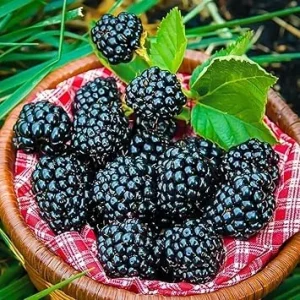
Sold 75 products
Original price was: $37.98.$18.99Current price is: $18.99.
Sold 89 products
From $197.96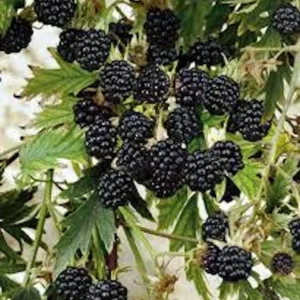
Sold 50 products
Original price was: $80.00.$64.00Current price is: $64.00.
Sold 72 products
Original price was: $43.96.$21.98Current price is: $21.98.



Reviews
There are no reviews yet.