
1 Chandler Blueberry Live Plant – Vaccinium corymbosum – Large Berries
Original price was: $36.00.$28.80Current price is: $28.80.
Cultivate your own delicious berries with this Chandler Blueberry live plant. A Northern Highbush blueberry variety, it produces exceptionally large, flavorful fruit with a prolonged harvest. Ideal for home gardens and offering beautiful spring flowers and fall foliage.
-
USDA Hardiness Zone
USDA Zones 4-8 -
Soil Type
Acidic, well-draining soil (pH 4.5-5.5) -
Sunlight Exposure
Full sun -
Expected Planting Period
Spring

You can track your order HERE
Mar 01
Mar 06 - Mar 08
Mar 11 - Mar 15
Shipping and return policies: Our Alive & Thrive Guarantee covers issues with your plants within the first 30 days. Reach out to us. Our team will answer your questions and help you find the plants that are truly suitable for your environment, climate, and personal preferences.

Overview
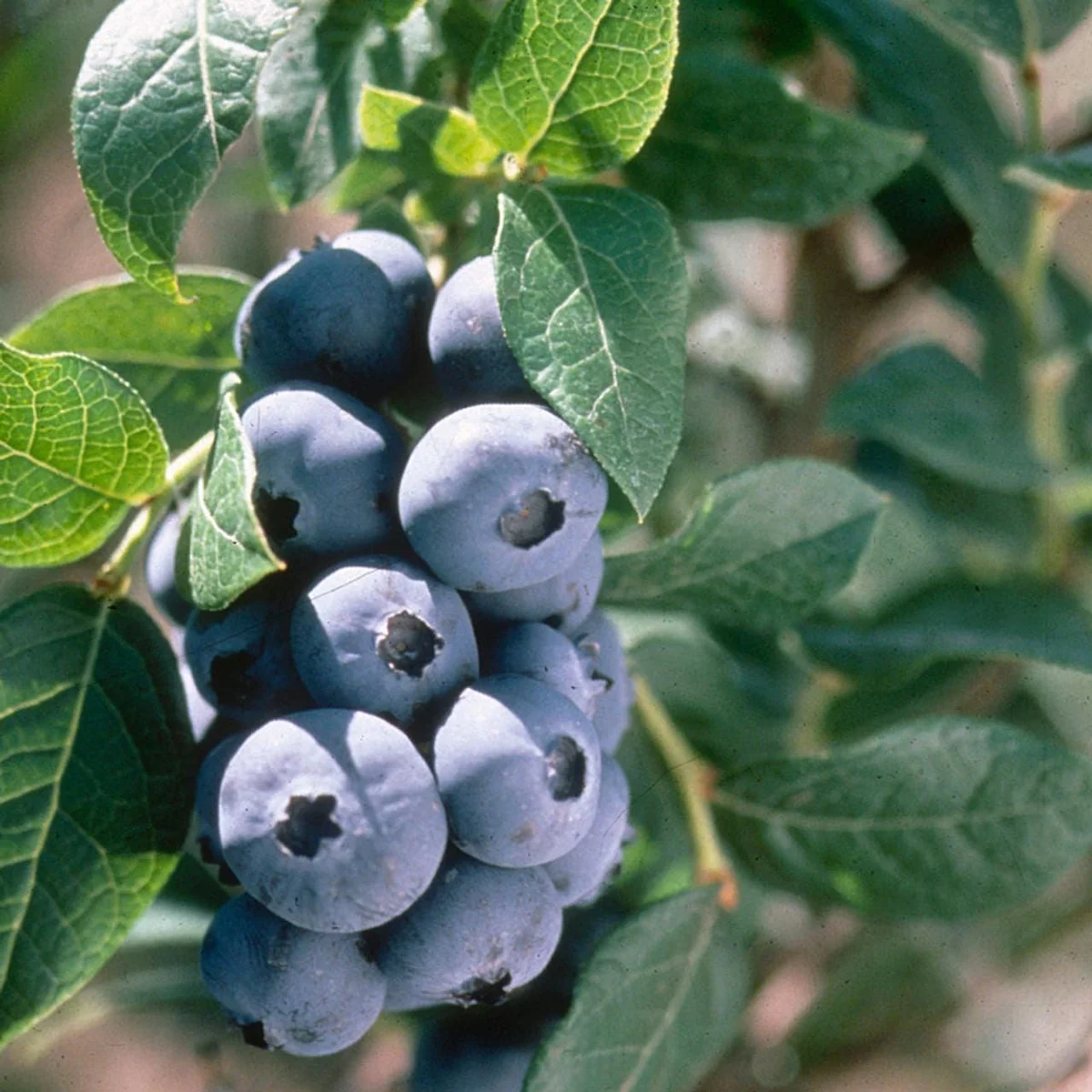
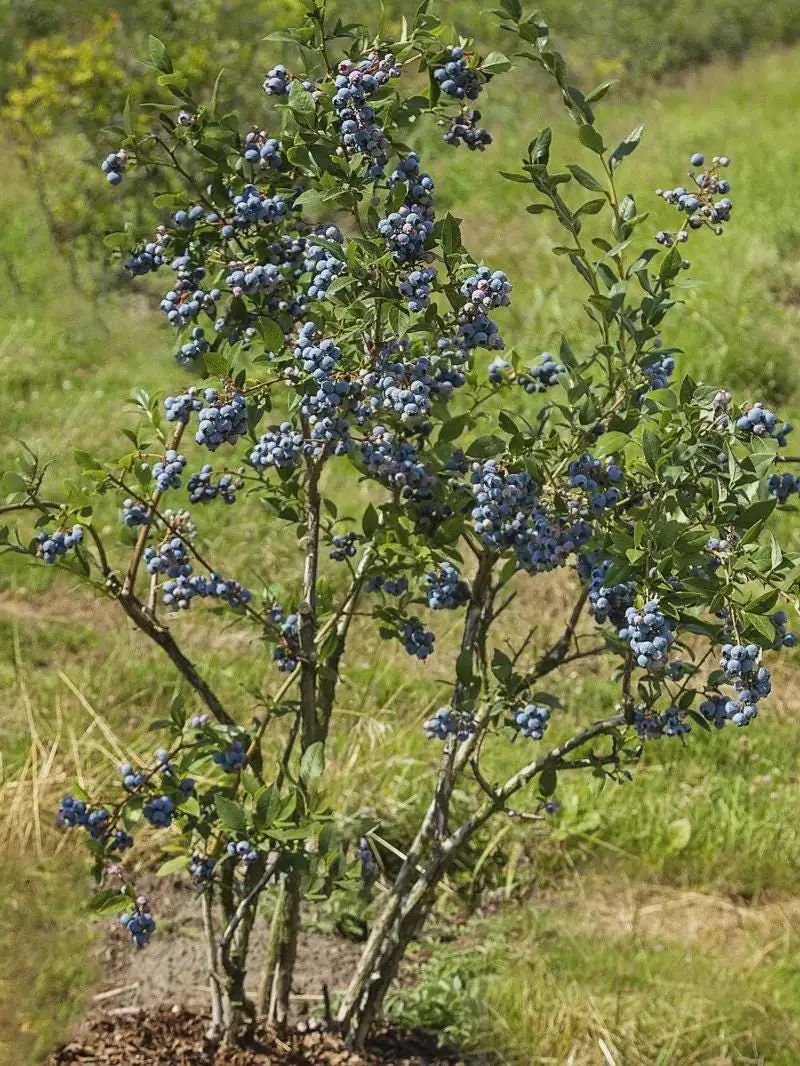
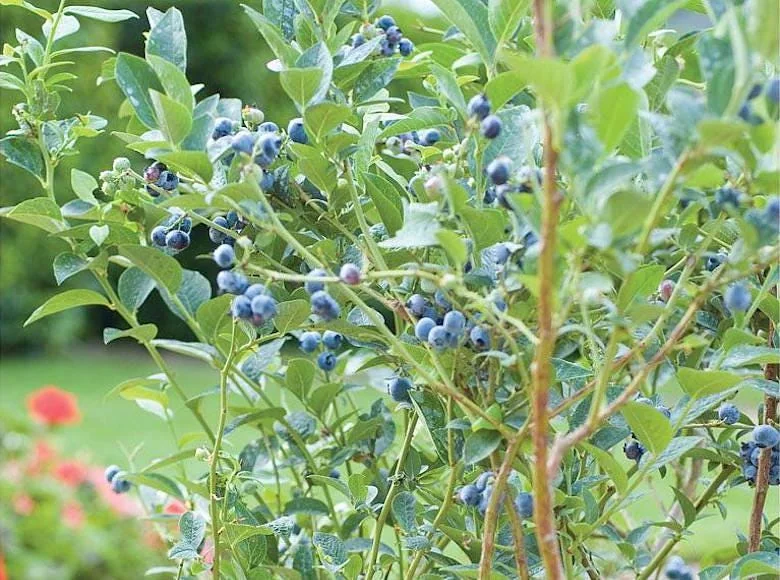
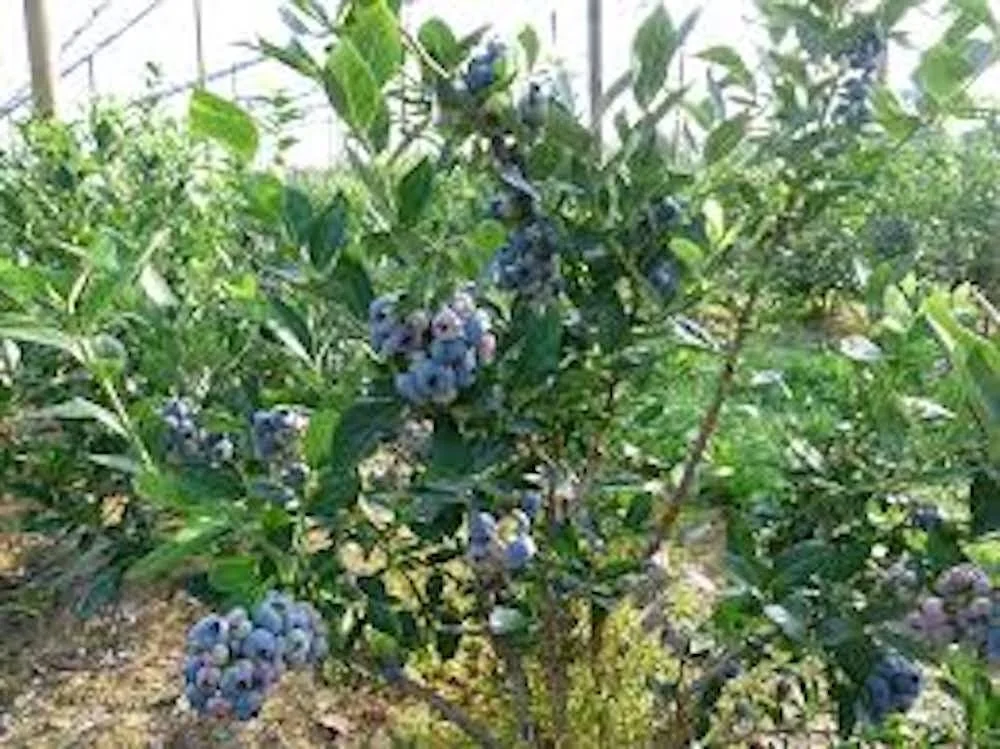
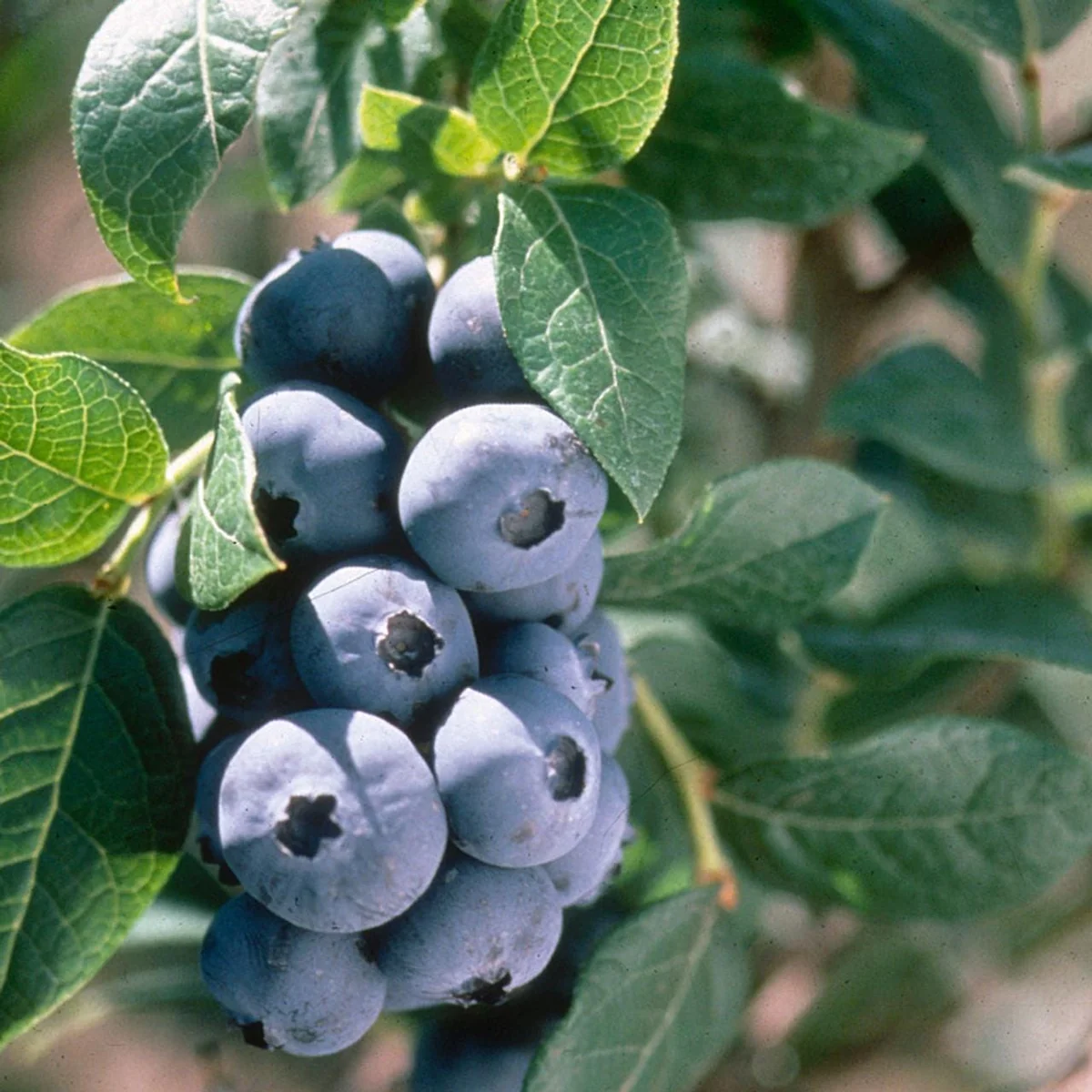
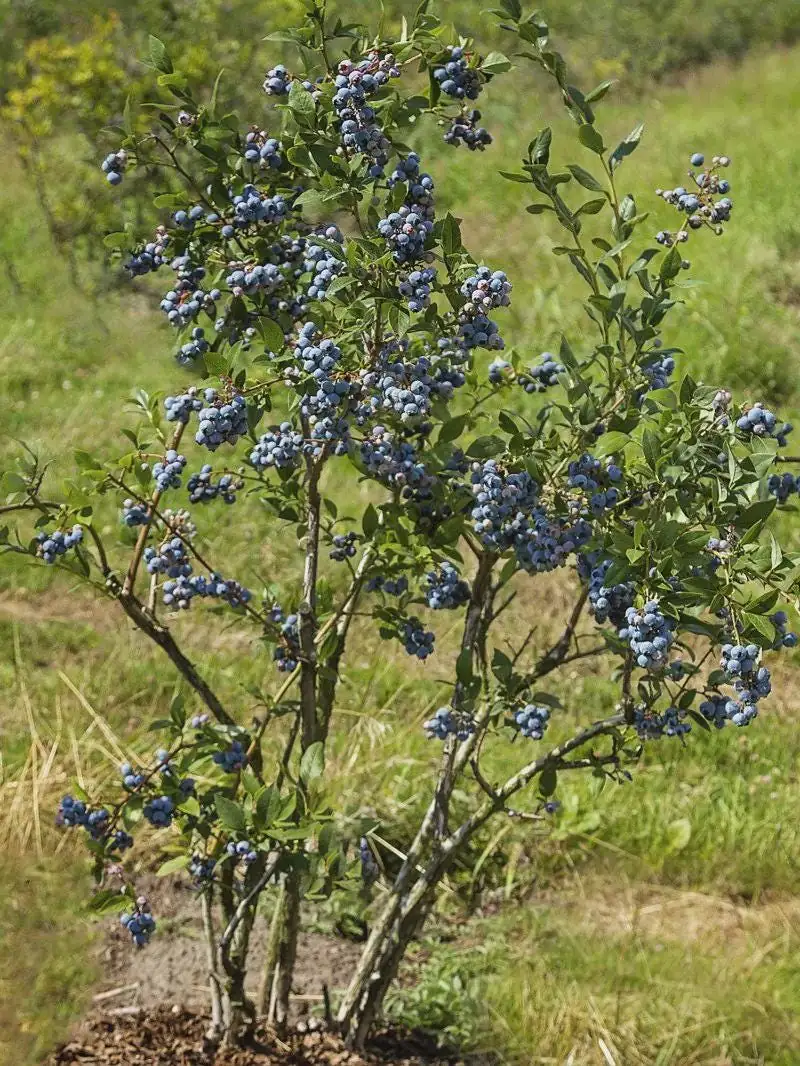
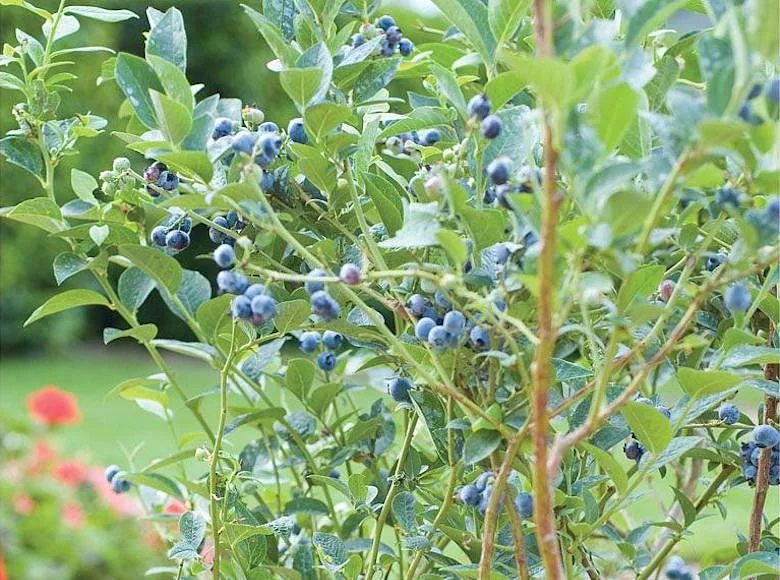
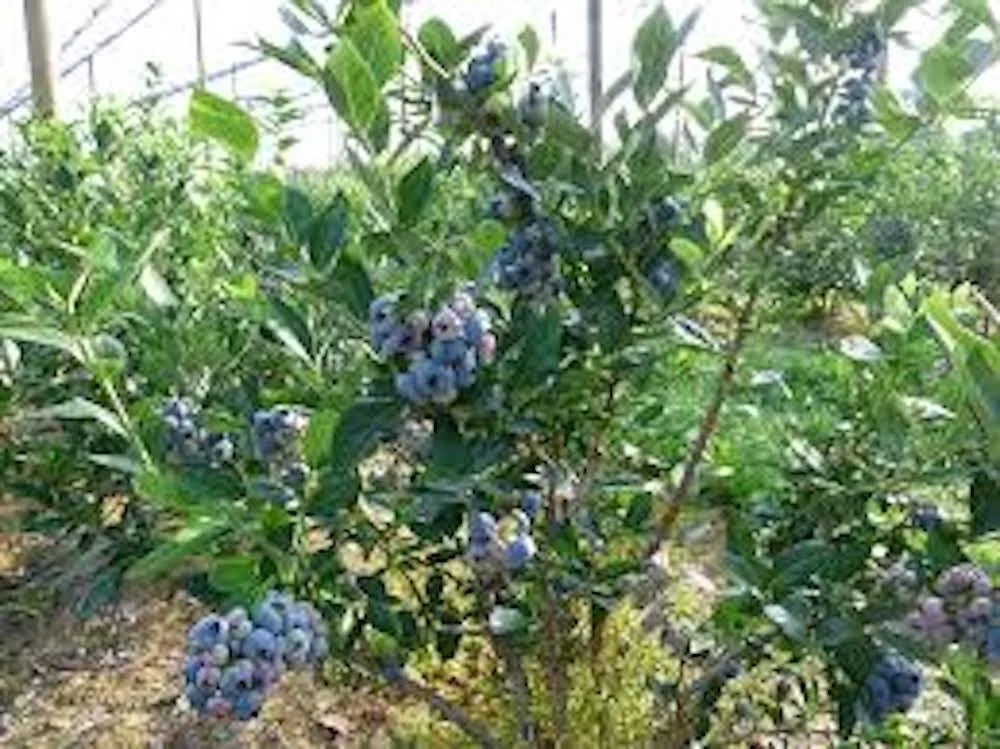
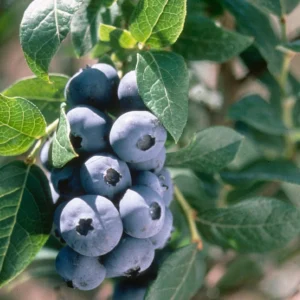
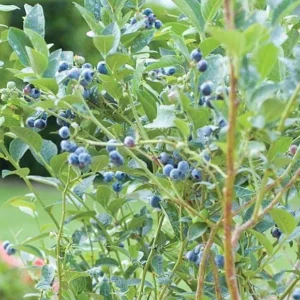
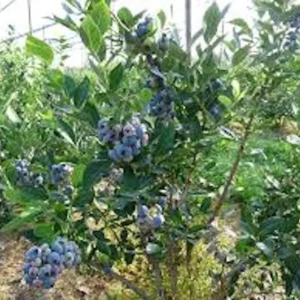
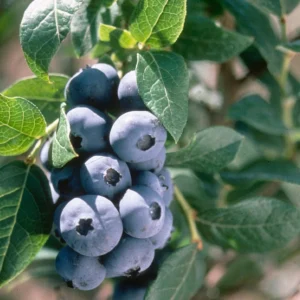
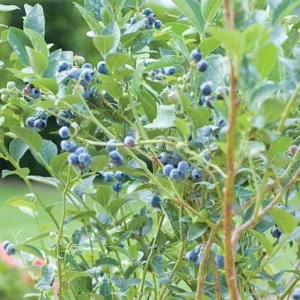
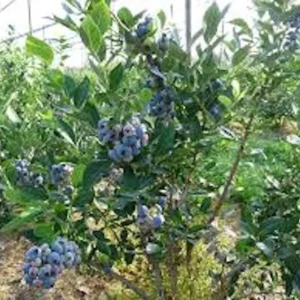
Bring the joy of fresh, homegrown berries to your garden with the Chandler Blueberry live plant. This exceptional variety of Vaccinium corymbosum, commonly known as the Northern Highbush blueberry, is celebrated for its remarkably large, flavorful fruit. Gardeners cherish the ‘Chandler’ for its extended harvest season, often yielding delicious berries for up to six weeks, typically from mid-July to mid-August. Beyond its bountiful fruit production, this vigorous, upright shrub adds significant aesthetic value to any landscape. In spring, it boasts delicate white flowers, transitioning to lush green foliage throughout summer, and culminating in a stunning display of colorful leaves in the fall. The berries themselves are a true highlight, frequently growing to the size of a quarter, making them a standout choice for fresh eating, baking, and preserves. This large blueberry bush is a must-have for anyone looking to enhance their edible garden with a high-performing and beautiful plant.
Key Benefits
The Chandler Blueberry live plant offers a multitude of advantages for both novice and experienced gardeners, combining productivity with ornamental appeal. Its robust nature and generous yields make it a highly rewarding addition to any outdoor space.
- Exceptional Berry Size: Produces some of the largest blueberries available, often reaching the size of a quarter, perfect for a satisfying snack or culinary use.
- Prolonged Harvest Season: Enjoy fresh berries for an extended period, typically lasting up to six weeks from mid-July to mid-August, offering a continuous supply of delicious fruit.
- Vigorous Growth Habit: A strong, upright shrub that establishes well and provides a substantial yield once mature, making it a reliable choice for fruit production.
- Ornamental Appeal: Features attractive white flowers in spring, vibrant green summer foliage, and stunning fall colors, adding year-round visual interest to your garden.
- Flavorful Fruit: Known for its sweet and juicy berries, the ‘Chandler’ blueberry is a top choice for superior taste, whether eaten fresh, frozen, or used in recipes.
- Cold Hardiness: As a Northern Highbush blueberry, it is well-suited for temperate climates and can withstand colder temperatures, making it a versatile option for many regions.
- Health Benefits: Blueberries are packed with antioxidants and vitamins, contributing to a healthy diet directly from your garden.
Plant Care & Growing Tips
Successful growing Chandler blueberry plants requires attention to a few key environmental factors to ensure optimal fruit production and plant health. This variety thrives in specific conditions, and providing them will lead to a bountiful harvest. Blueberries prefer a location with full sun, meaning at least 6-8 hours of direct sunlight per day. Adequate sunlight is crucial for fruit development and overall vigor. They also require well-draining, acidic soil with a pH between 4.5 and 5.5. Amending your soil with peat moss or elemental sulfur before planting can help achieve this ideal pH range. Regular watering is essential, especially during dry spells and the fruiting period. The soil should remain consistently moist but not waterlogged. Consider using a drip irrigation system or soaker hoses to provide consistent moisture directly to the roots.
Fertilize your Chandler Blueberry live plant in early spring with an acid-loving plant fertilizer, following the product instructions. Avoid fertilizers containing nitrates, as these can be harmful to blueberries. Pruning is important for maintaining plant health and maximizing yield. In late winter or early spring, remove any dead, diseased, or crossing branches. After the third year, begin to remove some of the oldest, least productive canes to encourage new growth. The ‘Chandler’ blueberry is generally hardy in USDA Zones 4-8. Protect plants from late spring frosts, which can damage flowers and reduce fruit set. Mulching around the base of the plant with pine bark, wood chips, or pine needles can help retain moisture, suppress weeds, and maintain soil acidity, contributing to a healthy Vaccinium corymbosum plant.
Size & Details
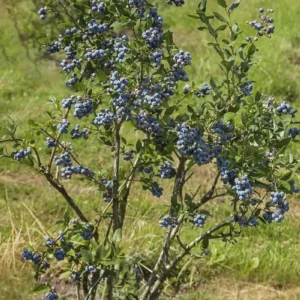
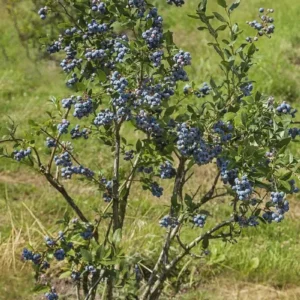
This offering is for 1 Chandler Blueberry live plant, typically shipped as a starter plug. While specific dimensions can vary based on the growing stage and time of year, these vigorous young plants are ready to establish quickly in your garden. As a mature shrub, the ‘Chandler’ blueberry can reach a height of 5-6 feet and a similar spread, forming a substantial and productive bush. It has a medium to fast growth rate, and with proper care, you can expect significant development within the first few years. The plant will arrive in a bare root condition, meaning it will not be in a pot, which helps reduce shipping stress and allows for easy transplanting into your prepared garden bed or larger container. Expect the first substantial fruit yield within 2-3 years, with peak production achieved by years 5-7. The long ripening season of this large blueberry bush makes it a garden favorite.
Frequently Asked Questions
- Q: How large do Chandler Blueberry plants get? A: The ‘Chandler’ blueberry is a vigorous grower and can reach a mature height and spread of 5-6 feet. It forms a substantial, upright shrub that is productive and visually appealing in the landscape.
- Q: Is this an indoor or outdoor plant? A: The Chandler Blueberry live plant is an outdoor plant, best suited for garden beds or large outdoor containers where it can receive ample sunlight and space to grow. It requires outdoor conditions for pollination and fruit development.
- Q: How much sunlight does a Chandler Blueberry need? A: This Northern Highbush blueberry variety thrives in full sun, requiring at least 6-8 hours of direct sunlight per day to produce the best fruit yields and maintain vigorous growth.
- Q: What condition will the plant arrive in? A: Your Chandler Blueberry live plant will typically arrive as a bare root starter plug. This means it will not be in a pot, and its roots will be carefully packaged to ensure freshness during transit, ready for immediate planting upon arrival.
- Q: How long until it produces fruit? A: While you might see some initial berries in the first year after planting, the ‘Chandler’ blueberry typically starts producing a significant harvest in its second or third year. Peak production generally occurs around years 5-7.
- Q: What kind of soil is best for growing Chandler blueberry? A: Growing Chandler blueberry successfully requires highly acidic, well-draining soil with a pH between 4.5 and 5.5. Amending your soil with peat moss, sulfur, or using a specialized acid-loving plant mix is often necessary.
- Q: Will this blueberry variety survive winter in my zone? A: As a Vaccinium corymbosum plant, the ‘Chandler’ blueberry is a Northern Highbush type and is hardy in USDA Zones 4-8. It requires a certain amount of winter chill for optimal fruit production and can withstand cold temperatures within these zones.
- Q: Do I need more than one plant for pollination? A: While ‘Chandler’ blueberries are considered self-pollinating, planting another Northern Highbush variety nearby can significantly increase fruit yield and berry size. Cross-pollination is highly recommended for best results.
- Q: How often should I water my Chandler Blueberry? A: During the growing season, especially when fruit is developing and during dry periods, keep the soil consistently moist but never waterlogged. Regular, deep watering, particularly in the morning, is ideal for your large blueberry bush.
- Q: Is this plant easy to care for for beginners? A: With attention to its specific soil pH and sunlight requirements, the ‘Chandler’ blueberry is a relatively straightforward plant to care for. Its robust nature and rewarding harvest make it suitable for enthusiastic beginner gardeners.
Be the first to review “1 Chandler Blueberry Live Plant – Vaccinium corymbosum – Large Berries”
People Also Viewed
Sold 72 products
Original price was: $36.08.$21.64Current price is: $21.64.
Sold 69 products
Original price was: $119.80.$59.90Current price is: $59.90.
Sold 100 products
Original price was: $19.16.$9.58Current price is: $9.58.
Sold 70 products
Original price was: $211.96.$105.98Current price is: $105.98.
Sold 50 products
Original price was: $10.76.$5.38Current price is: $5.38.
Trees
Brahm Kai Meu Mango Tree – Grafted Thai Green Sweet Mango Live Plant – 1 ft Tall – Ships in 6″ Pot
Sold 62 products
Original price was: $247.96.$123.98Current price is: $123.98.
Flower Plants
Heliotrope Fragrant Delight Live Plants – Set of 2, 3-6″ Tall, Violet Fragrant Flowers
Sold 93 products
Original price was: $41.97.$13.99Current price is: $13.99.
Sold 55 products
From $99.80
Sold 97 products
$35.18
Sold 90 products
Original price was: $41.56.$20.78Current price is: $20.78.
Sold 60 products
Original price was: $79.98.$63.98Current price is: $63.98.
Sold 92 products
Original price was: $99.96.$49.98Current price is: $49.98.
Sold 52 products
Original price was: $391.96.$195.98Current price is: $195.98.
Sold 95 products
Original price was: $67.96.$33.98Current price is: $33.98.
Sold 58 products
$43.98
Sold 99 products
Original price was: $283.96.$141.98Current price is: $141.98.
Sold 56 products
Original price was: $39.98.$19.99Current price is: $19.99.
Sold 59 products
$109.98


Reviews
There are no reviews yet.