
Planting perennials in October gives root systems a head start, guaranteeing a spectacular display of color when spring arrives.
There’s a quiet magic to the garden in October. The summer rush has settled, the air is crisp, and the soil is still holding onto warm afternoon sun. While it might look like the garden is winding down, beneath the surface, it’s prime time for planting.
Getting your perennials in the ground now gives their roots months to settle in, drink up winter rains, and build up strength. When warm weather rolls around, these plants won’t just wake up; they’ll explode into growth.
If you want a garden that feels like a full-color masterpiece next spring, here are 9 top-performing perennials worth tucking into the soil this October.
Flowering Perennials to Plant in October
1. Peonies (Paeonia)
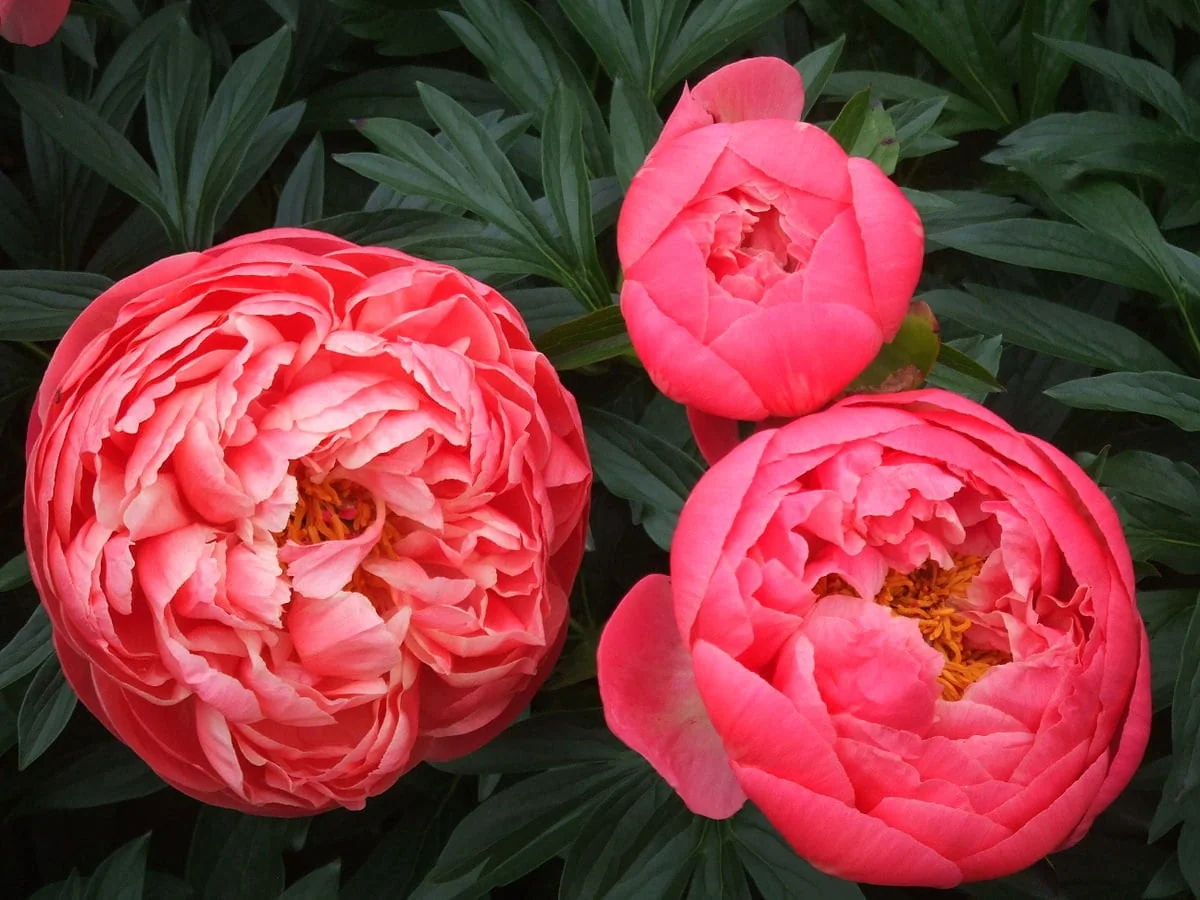
If drama, romance, and intoxicating scent are on your garden wishlist, peonies are non-negotiable. Planting bare-root peonies in autumn gives them the winter chill they need to set flower buds for spring. They take a little patience to establish, but once they do, they’ll outlive most of us—blooming faithfully for decades.
-
Fragrance: Rich, sweet, and classic rose-like scent
-
Bloom Time: Late spring to early summer
-
Flower Color: Blush pink, deep crimson, pure white, and coral
-
USDA Zones: 3–8
-
Growth Habit: Bushy, mounding perennial, 2–3 ft tall
-
Care Tips: Plant eyes no deeper than 2 inches below soil level. Full sun and well-drained soil are essential to avoid root rot.
2. Columbine (Aquilegia)
Columbine is the charming fairy-tale plant every spring garden needs. With delicate, winged petals and slender spurs that reach backward like tiny caps, these flowers bring an effortless, woodland elegance to shaded borders. Pollinators—especially early-season bumblebees—absolutely adore them.
-
Fragrance: Subtle and sweet
-
Bloom Time: Mid-to-late spring
-
Flower Color: Bi-color shades of violet, soft yellow, sky blue, and pink
-
USDA Zones: 3–9
-
Growth Habit: Airy, clumping perennial, 1–3 ft tall
-
Care Tips: Prefers partial shade and moist, rich soil. Let them self-seed naturally for fresh drift displays every year.
3. Siberian Iris (Iris sibirica)
Siberian Irises are the elegant, low-maintenance aristocrats of the early spring garden. Their delicate, orchid-like blossoms sit gracefully atop tall, slender stems and fine, grass-like foliage that stays handsome long after the flowers fade.
-
Fragrance: Very light, clean floral scent
-
Bloom Time: Late spring
-
Flower Color: Deep velvety violet, true blue, white, and yellow
-
USDA Zones: 3–9
-
Growth Habit: Upright, fountain-like clump, 2–4 ft tall
-
Care Tips: Loves full sun to light shade and moist soil. They are exceptionally tough, pest-resistant, and rarely need staking.
4. Bleeding Heart (Dicentra spectabilis)
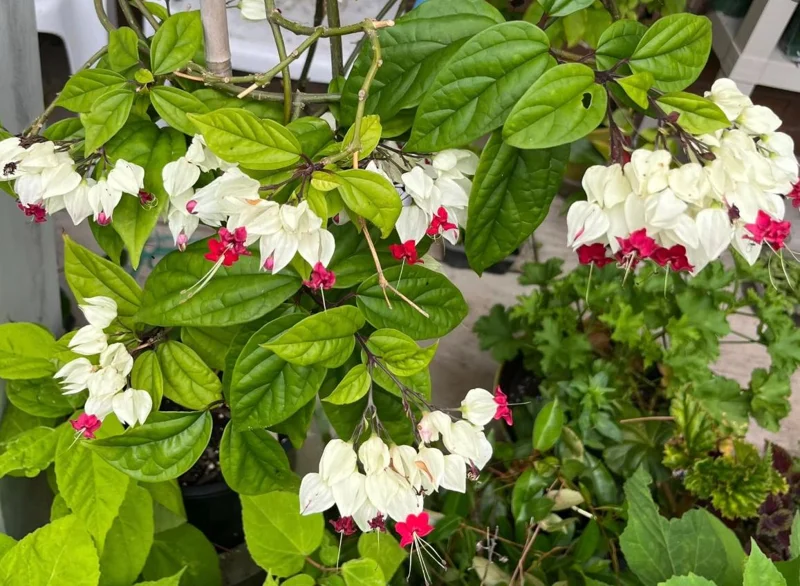
Few plants spark joy quite like Bleeding Heart. In mid-spring, arching stems fill up with rows of puffy, heart-shaped flowers that dangle like tiny lockets. It’s a nostalgic staple that turns shady garden nooks into magical retreats.
-
Fragrance: Mild, fresh scent
-
Bloom Time: Mid-to-late spring
-
Flower Color: Classic rose-pink or pure white
-
USDA Zones: 3–9
-
Growth Habit: Mounding, fern-like plant, 2–3 ft tall
-
Care Tips: Keep in partial to full shade with organic-rich soil. Plants often go dormant in mid-summer heat, so pair them with hostas to fill the gap.
5. Salvia (Salvia nemorosa)
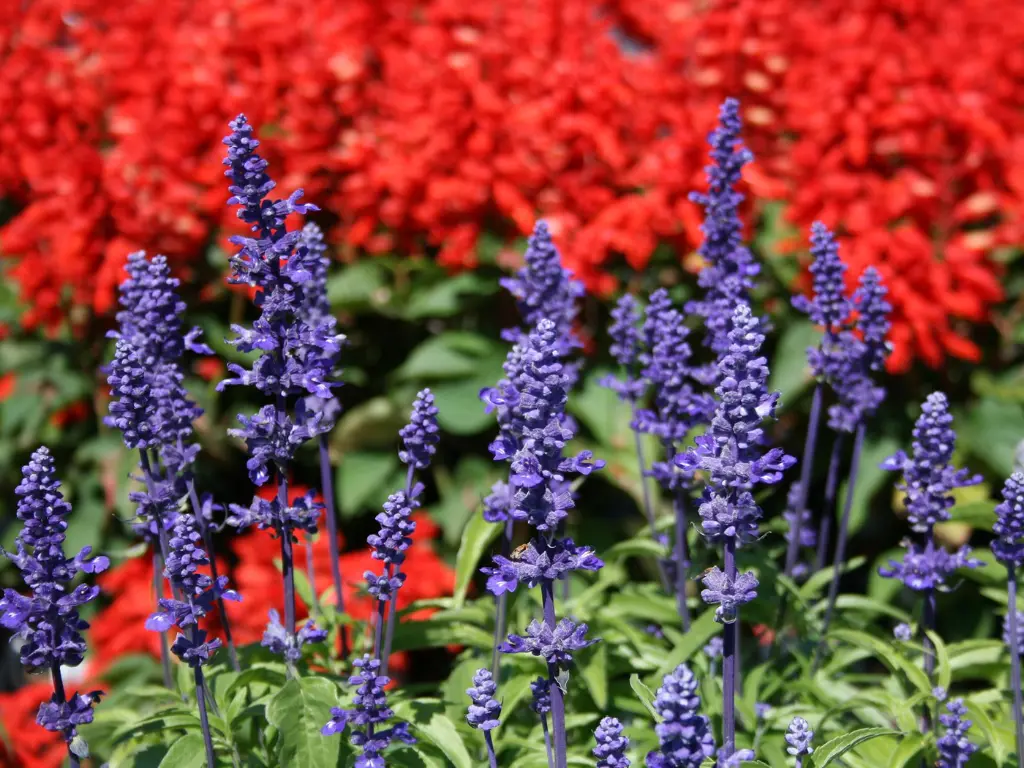
Want non-stop color, heat tolerance, and pollinator activity without high maintenance? Perennial Salvia is your garden MVP. October planting lets its fibrous roots anchor deep, giving you dense spires of rich purple or blue flowers right as spring warms up.
-
Fragrance: Aromatic, herbal foliage when crushed
-
Bloom Time: Late spring through summer
-
Flower Color: Deep violet, magenta, and indigo-blue
-
USDA Zones: 4–9
-
Growth Habit: Compact, upright spikes, 1.5–2 ft tall
-
Care Tips: Full sun, well-draining soil, and drought-tolerant once established. Shear back after the first flush of spring flowers to trigger a second bloom.
6. Lenten Rose (Helleborus)
Hellebores are the brave souls of the plant world. They don’t wait for ideal weather—they often bloom while snow is still melting on the ground. With leathery evergreen foliage and bowl-shaped flowers, they bring life to the garden when everything else is still asleep.
-
Fragrance: Slight, earthy scent
-
Bloom Time: Late winter to early spring
-
Flower Color: Plum, dusty rose, buttery yellow, and speckled cream
-
USDA Zones: 4–9
-
Growth Habit: Low evergreen clump, 1–1.5 ft tall
-
Care Tips: Plant in partial to deep shade. Deer- and rabbit-resistant, making them perfect for woodland edge gardens.
7. Catmint (Nepeta)
If you love the hazy blue look of lavender but want something much tougher and faster-growing, Catmint is your best bet. Its soft, aromatic foliage forms a low mound smothered in tiny lavender-blue flowers that sway gently in the breeze.
-
Fragrance: Sweet, herbal, minty aroma
-
Bloom Time: Late spring through summer
-
Flower Color: Soft violet-blue
-
USDA Zones: 3–8
-
Growth Habit: Spreading mound, 1.5–3 ft wide
-
Care Tips: Thrives in full sun and dry to average soil. Cut back by half after the main spring bloom to keep it tidy and encourage fresh flowers.
8. Creeping Phlox (Phlox subulata)
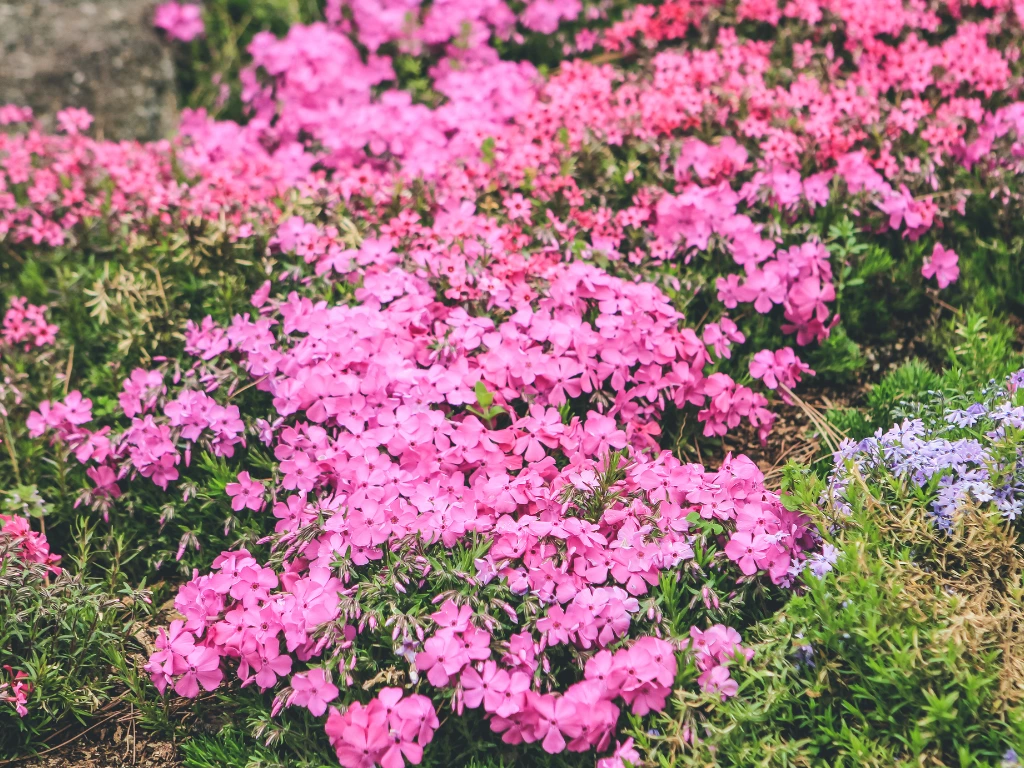
Creeping Phlox is the ultimate spring carpet maker. In late spring, this low-growing groundcover completely buries its needle-like green foliage under a dense blanket of vivid blossoms. It’s stunning cascading over stone walls, rock gardens, or front-of-the-border edges.
-
Fragrance: Sweet, sugary floral perfume
-
Bloom Time: Mid-to-late spring
-
Flower Color: Electric pink, white, lavender, and magenta
-
USDA Zones: 3–9
-
Growth Habit: Mat-forming groundcover, 4–6 inches tall
-
Care Tips: Needs full sun and sharp drainage. Lightly trim stems after blooming to keep the foliage carpet tight and thick.
Read more:
- What You Need to Know About Creeping Phlox for Your Summer Garden
- Fertilizer for Creeping Phlox In Late Spring
9. Oriental Poppy (Papaver orientale)
Oriental Poppies bring pure drama to the spring garden. Their papery, ruffled petals unfurl from fuzzy pods like crepe-paper art, featuring dramatic dark centers that stop visitors mid-step.
-
Fragrance: Subtle, light floral scent
-
Bloom Time: Late spring to early summer
-
Flower Color: Fiery scarlet, salmon pink, plum, and orange
-
USDA Zones: 3–7
-
Growth Habit: Clumping perennial, 2–3 ft tall
-
Care Tips: Plant in full sun with excellent drainage. Their deep taproots hate being moved, so choose their location carefully before planting!
You may like: Ultimate Guide to Growing Iceland Poppy: Tips &Tricks for Vibrant Blooms
Frequently Asked Questions (FAQs)
Is October really a good month to plant perennials?
Yes, October is one of the absolute best planting windows! The warm soil encourages rapid root growth, while cooler air temperatures prevent transplant shock. Just make sure to plant at least 4 to 6 weeks before the ground freezes solid in your area.
Should I water newly planted perennials in autumn?
Definitely. Even though the weather is cooler, new plantings need consistent moisture to build a strong root system. Give them a thorough soaking right after planting, and keep the soil lightly moist until the ground freezes.
Do I need to mulch after planting in October?
A 2-to-3-inch layer of organic mulch (like shredded bark or leaf mold) works wonders. It protects fresh roots from winter frost-heaving and holds in soil moisture. Just keep the mulch a couple of inches away from the main stems to avoid rot.
A little shovel work in crisp October weather pays off big time when spring rolls around. Which of these spring stars are you tucking into your borders this season? Drop your favorite perennials or autumn planting stories in the comments—I’d love to hear what you’re growing!
