



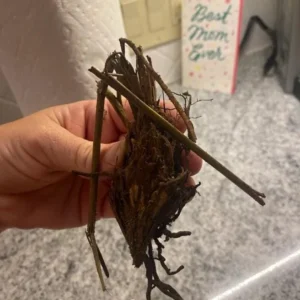
10 Cinnamon Fern Rhizomes – Osmunda Cinnamomea – Bare Root Fern
Original price was: $40.60.$14.24Current price is: $14.24.
Introduce natural beauty to your landscape with these cinnamon fern rhizomes. Perfect for shade gardens, these deciduous fern plants provide lush, textured greenery and distinctive cinnamon-colored fronds, thriving in moist, woodland environments.
-
USDA Hardiness Zone
USDA zones 3–9 -
Soil Type
Moist, rich, slightly acidic soils, high in organic matter -
Sunlight Exposure
Partial to full shade -
Expected Planting Period
Spring or early fall

You can track your order HERE
Jan 10
Jan 15 - Jan 17
Jan 20 - Jan 24
Shipping and return policies: Our Alive & Thrive Guarantee covers issues with your plants within the first 30 days. Reach out to us. Our team will answer your questions and help you find the plants that are truly suitable for your environment, climate, and personal preferences.

Overview
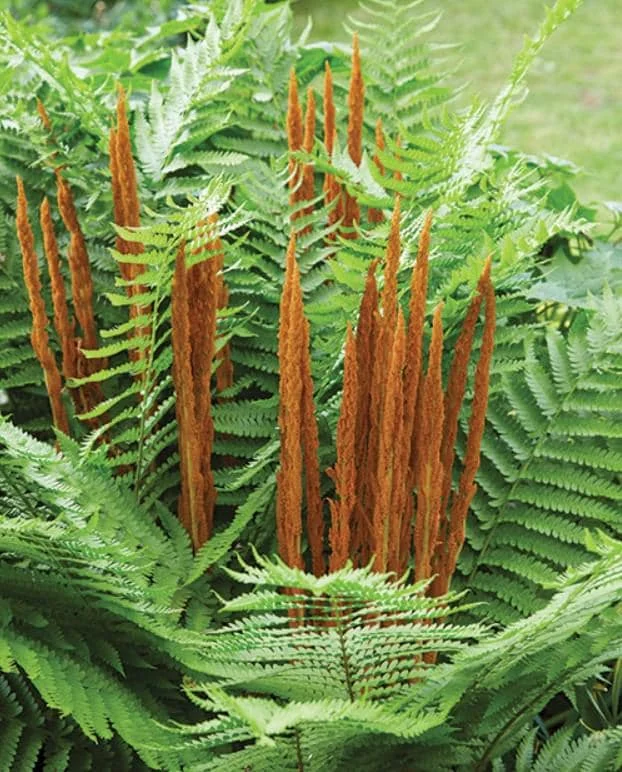
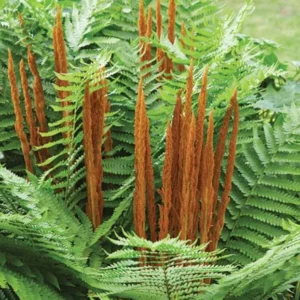
Transform your shaded garden into a lush, vibrant retreat with our premium cinnamon fern rhizomes. Each order includes 10 Cinnamon Fern Rhizomes ready for planting. The Cinnamon Fern, scientifically known as Osmundastrum cinnamomeum, is a striking, deciduous fern celebrated for its unique, tall, cinnamon-colored fertile fronds that emerge in spring. These fronds add a distinctive touch to the plant’s overall elegant green foliage. Ideal for woodland gardens, damp areas, or any spot needing a touch of natural elegance, this fern is a resilient and enchanting addition to any landscape. It’s a fantastic choice for gardeners looking to create a serene and textured environment, offering beauty from early spring through fall.
Often referred to as Osmunda cinnamomea bare root, this plant is native to Eastern North America and parts of Asia, making it a robust and adaptable species. Its ability to thrive in moist, shaded conditions makes it a go-to for challenging garden spots where other plants might struggle. These deciduous fern plants will provide a dynamic display, with their fronds unfurling in spring and gracefully fading in the cooler months, promising a delightful return each year.
Key Benefits
Our cinnamon fern rhizomes offer numerous advantages for enhancing your garden and creating a beautiful, naturalistic setting. Their unique characteristics and ease of care make them a popular choice among gardeners.
- Distinctive Foliage: The most striking feature of the Cinnamon Fern is its fertile fronds, which turn a beautiful cinnamon color in late spring and summer, contrasting beautifully with the bright green sterile fronds. This provides year-round interest, even after the sterile fronds have matured.
- Shade Tolerance: Perfectly suited for low-light areas, these ferns thrive in partial to full shade, making them an excellent solution for brightening up dark corners of your garden where many other plants fail to flourish.
- Moisture-Loving Nature: Ideal for moist to wet soils, the Cinnamon Fern is a superb choice for planting near ponds, streams, or in boggy areas, helping to naturalize these damp spots with lush greenery.
- Low Maintenance: Once established, Osmunda cinnamomea bare root ferns require minimal care, making them perfect for busy gardeners or those seeking a beautiful yet undemanding plant. They are generally pest and disease resistant.
- Textural Interest: The tall, arching fronds add significant texture and depth to garden beds, creating a rich, layered look that enhances other plantings. These deciduous fern plants complement both flowering plants and other foliage.
- Erosion Control: Their robust root systems can help stabilize soil in moist, sloped areas, making them functional as well as ornamental in certain landscapes.
- Wildlife Attraction: Provides natural habitat and shelter for small garden creatures, contributing to a healthy ecosystem in your woodland fern planting area.
Plant Care & Growing Tips
Caring for your cinnamon fern rhizomes is straightforward, especially when you understand their preferred growing conditions. These ferns are hardy and adaptable, making them a rewarding plant for many gardeners. The key to success lies in replicating their natural woodland habitat.
Sunlight Requirements: Cinnamon Ferns prefer partial to full shade. While they can tolerate some morning sun, especially if the soil remains consistently moist, intense afternoon sun should be avoided as it can scorch their delicate fronds. For optimal growth and the most vibrant foliage, plant them in an area that receives dappled sunlight or deep shade throughout the day. Ensuring proper light conditions is crucial for the health of these deciduous fern plants.
Watering Schedule and Soil Moisture: These ferns are moisture-loving plants and require consistently moist soil. Do not allow the soil to dry out, especially during dry spells or in warmer climates. Regular watering, particularly during their establishment phase, is essential. Good drainage is also important to prevent root rot, so while they like moisture, they don’t want to sit in stagnant water. Aim for soil that feels damp but not waterlogged to the touch. This consistent moisture is vital for healthy woodland fern planting.
Soil Type and Drainage: Cinnamon Ferns thrive in rich, slightly acidic soils that are high in organic matter. Humus-rich woodland soil is ideal. They can tolerate wet conditions and perform well in areas with naturally damp soil. Amend heavy clay soils with compost or other organic material to improve drainage and aeration, while sandy soils will benefit from added organic matter to help retain moisture. The right soil composition contributes significantly to the vigor of your Osmunda cinnamomea bare root.
Temperature Range and USDA Hardiness Zone: These ferns are hardy in USDA zones 3–9, making them suitable for a wide range of climates. They prefer cool to temperate conditions and are quite tolerant of cold winters, as they are deciduous and will go dormant. In warmer zones (8-9), ensure they receive ample shade and consistent moisture to help them cope with higher temperatures. Protecting them from harsh winter winds in colder zones can also be beneficial.
Fertilization Schedule: Cinnamon Ferns are not heavy feeders. A light application of a balanced, slow-release granular fertilizer in early spring, or a top-dressing of compost, is usually sufficient. Avoid over-fertilizing, as this can lead to lush but weak growth. For shade garden ferns, natural organic matter is often the best choice for nutrients.
Common Problems and Solutions: These ferns are generally resistant to most pests and diseases. The most common issues arise from improper watering or sun exposure. If fronds appear scorched or yellow, it may indicate too much sun or insufficient water. Brown tips often point to low humidity or inconsistent watering. Adjusting these environmental factors will typically resolve most problems, ensuring your cinnamon fern rhizomes remain healthy and vibrant.
Size & Details
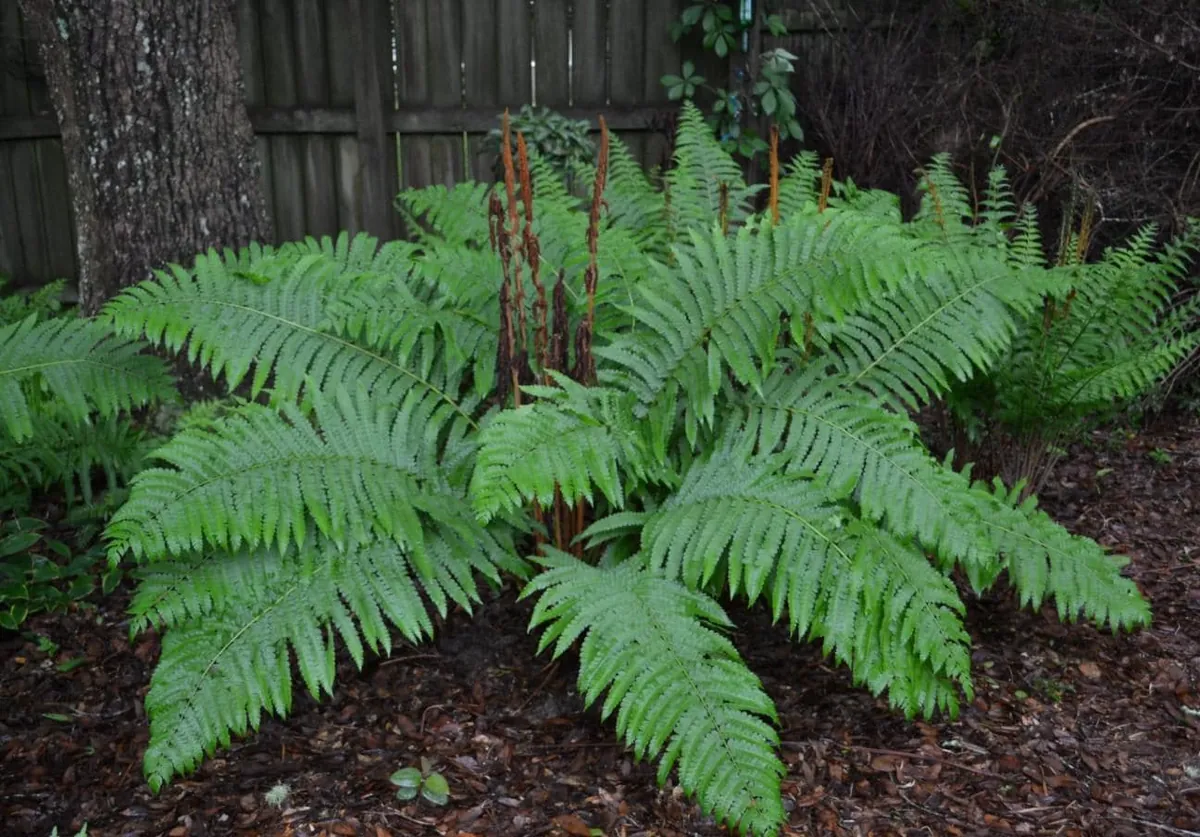
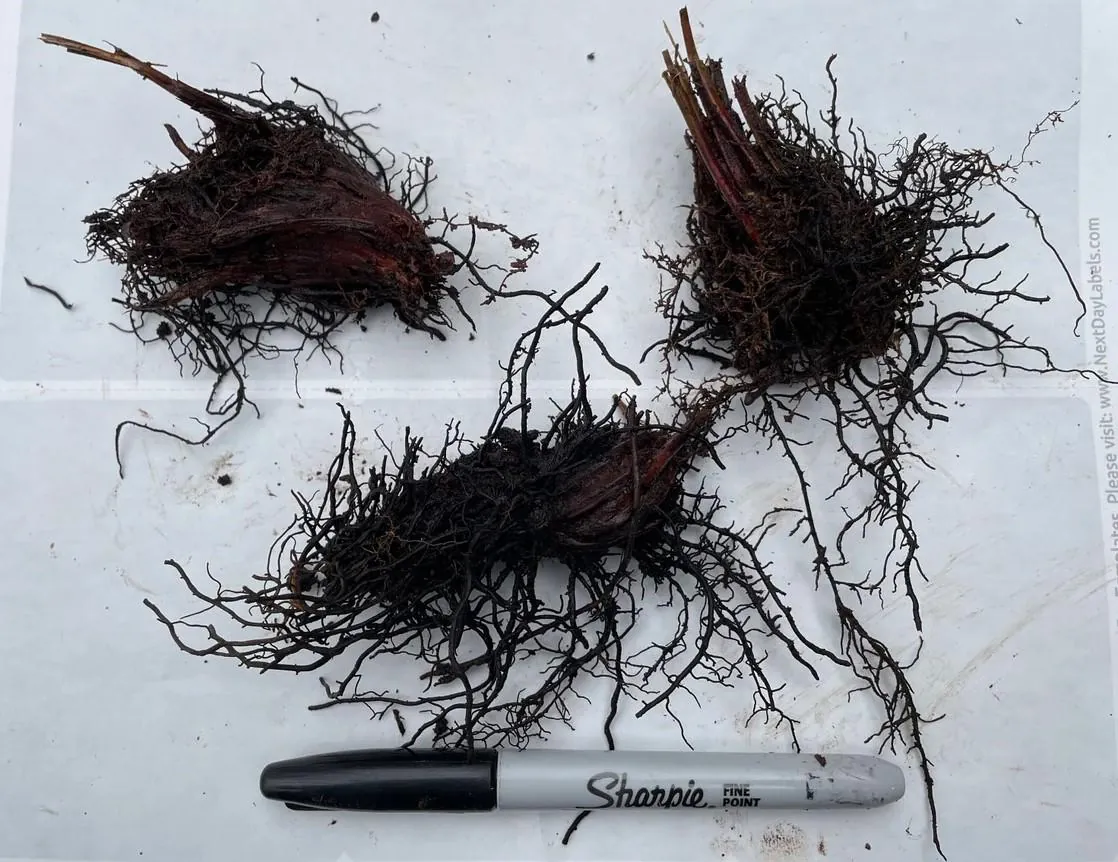
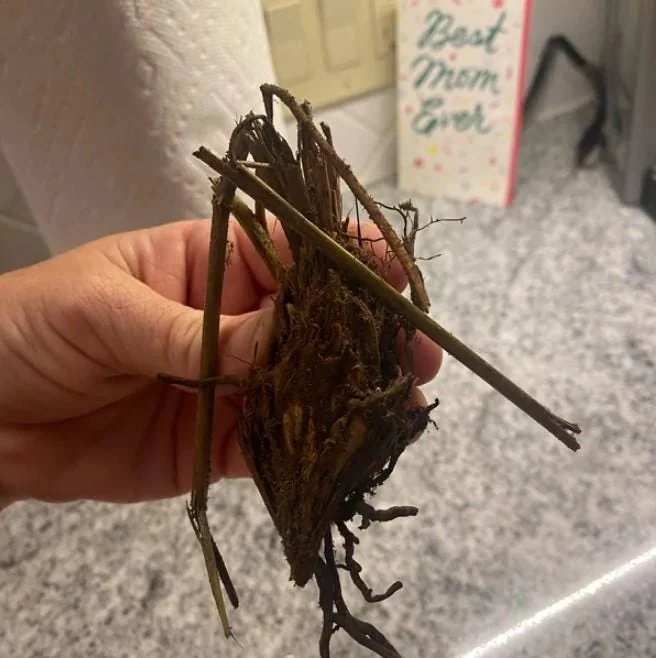
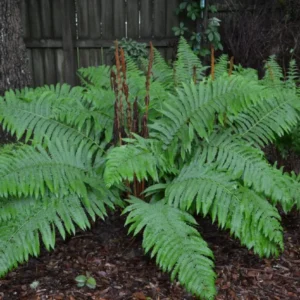
Each purchase includes 10 Cinnamon Fern Rhizomes, ready for planting to establish a beautiful colony. These are provided as bare root divisions, which are excellent for vigorous growth once planted. Mature Cinnamon Ferns typically grow 2 to 4 feet tall and spread 2 to 3 feet wide, forming attractive clumps of arching fronds. The growth rate is moderate, and they will gradually expand their presence in your garden over time, creating a dense and lush display. When planting, space them 2 to 3 feet apart to allow for their full mature spread, ensuring each plant has adequate room to develop its impressive fronds.
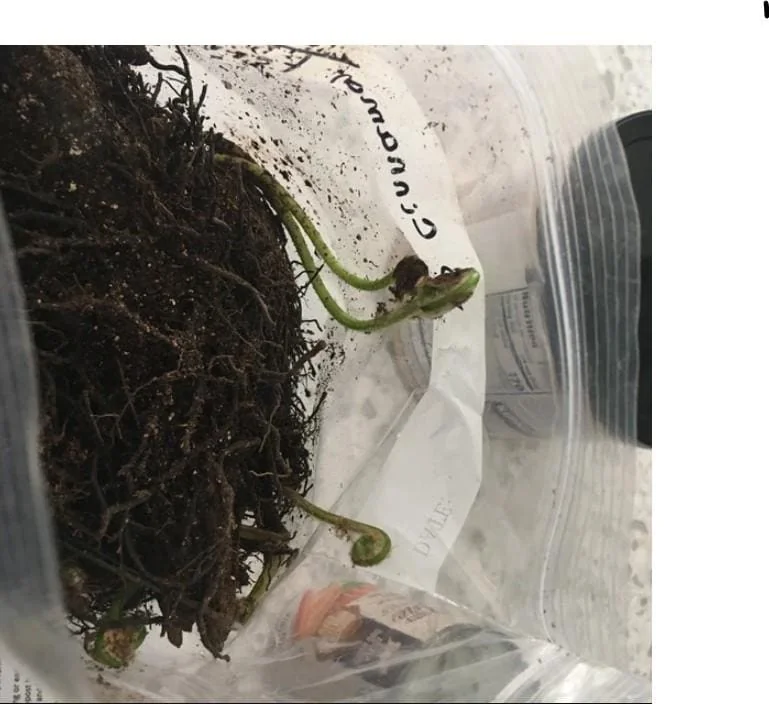
The rhizomes are robust and prepared for successful transplanting. Expect to see new growth emerge in spring, with the distinctive cinnamon-colored fertile fronds appearing soon after. These Osmunda cinnamomea bare root plants are ideal for naturalizing in woodland settings, creating a striking visual impact along shaded borders, or enhancing the edges of water features. Their deciduous nature means the fronds will die back in winter, but the robust rhizomes will ensure a strong return each spring, offering a reliable and enduring presence in your shade garden ferns.
Frequently Asked Questions
- Q: How big do these cinnamon fern rhizomes get? A: Mature Cinnamon Ferns typically reach a height of 2 to 4 feet and can spread 2 to 3 feet wide. They form attractive, arching clumps that add significant texture to the landscape.
- Q: How many rhizomes are included in an order? A: Each order includes 10 Cinnamon Fern Rhizomes, providing a good quantity to start a substantial planting or spread across various shaded areas.
- Q: Is this an indoor or outdoor plant? A: The Cinnamon Fern is primarily an outdoor plant, best suited for naturalizing in gardens, woodland settings, or shaded borders. It is hardy in USDA zones 3–9.
- Q: How much sunlight does it need? A: These deciduous fern plants thrive in partial to full shade. They can tolerate some morning sun but should be protected from intense afternoon sun to prevent frond scorching.
- Q: Is this plant easy to care for? A: Yes, once established, Cinnamon Ferns are relatively low-maintenance. They primarily require consistently moist soil and a shaded location to flourish, making them a great choice for various gardeners.
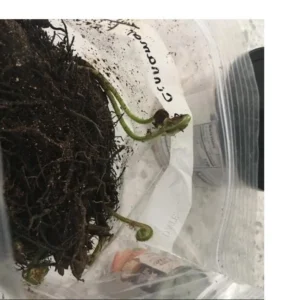
- Q: What condition will the rhizomes arrive in? A: The Osmunda cinnamomea bare root rhizomes will arrive dormant and without leaves, ready for planting. This is the ideal state for bare root plants to ensure successful establishment.
- Q: When is the best time to plant woodland fern planting? A: The best time to plant bare root Cinnamon Ferns is in spring or early fall when the soil is workable. This allows them to establish their root system before extreme temperatures.
- Q: Will it survive winter in my zone? A: Yes, Cinnamon Ferns are hardy in USDA zones 3–9. They are deciduous, meaning their fronds will die back in winter, but the rhizomes will overwinter and produce new growth in spring.
- Q: What kind of soil do these shade garden ferns prefer? A: They prefer moist, rich, slightly acidic soils high in organic matter. They can tolerate wet conditions and thrive in humus-rich woodland soil.
- Q: How far apart should I space the rhizomes? A: Space the rhizomes 2 to 3 feet apart to allow for the full spread of their arching fronds once mature.
Be the first to review “10 Cinnamon Fern Rhizomes – Osmunda Cinnamomea – Bare Root Fern”
People Also Viewed

Sold 56 products
Original price was: $27.60.$9.04Current price is: $9.04.
Sold 53 products
Original price was: $45.48.$16.19Current price is: $16.19.
Sold 52 products
Original price was: $39.98.$19.99Current price is: $19.99.

HousePlants
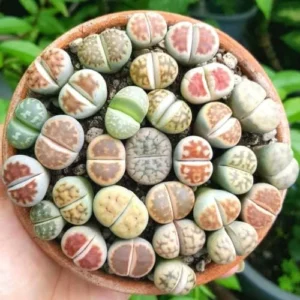
Lithops Live Plants Mix – 10 Large Colorful Living Stones Succulents for Indoor/Outdoor Growing
Sold 74 products
Original price was: $27.98.$13.99Current price is: $13.99.
Sold 60 products
Original price was: $32.28.$22.99Current price is: $22.99.
Sold 85 products
Original price was: $67.64.$33.82Current price is: $33.82.

Sold 100 products
Original price was: $77.98.$38.99Current price is: $38.99.

Sold 89 products
Original price was: $91.98.$45.99Current price is: $45.99.



Reviews
There are no reviews yet.