
If you’ve ever enjoyed the soft, sweet aroma of pandan in desserts or drinks, you might be surprised to learn that this tropical plant can be grown right in your own home.
Pandan plant is a popular tropical herb known for its naturally sweet, aromatic leaves, often described as a blend of vanilla, coconut, and freshly cooked rice. While it thrives outdoors in warm, humid climates, it can also adapt well to indoor growing when given the right conditions. With proper care, an indoor pandan plant can provide a steady supply of fragrant leaves for cooking without being exposed to harsh weather or sudden temperature changes.
The truth is, Pandanus amaryllifolius (that is the scientific name for our fragrant friend) is a bit of a diva when it comes to humidity and light. It wants to feel like it is in a humid Thai garden, not a dry apartment with central heating.
Read more: 7 Tips to Grow Pandan Plants in Temperate Climates for Thriving Plants
If you are struggling to keep your Pandan alive, or if you are thinking about buying your first one online, this guide is for you. We are going to fix those brown tips and get your plant thriving so you can finally harvest your own leaves for that perfect Pandan cake.
Essential Conditions for a Healthy Indoor Pandan

The biggest mistake people make is treating Pandan like a cactus. In its natural habitat, this plant loves water and heat. To succeed indoors, we have to mimic those tropical vibes.
Lighting
In the wild, Pandan grows under the canopy of larger trees. This means it loves bright light, but it hates being baked. If you put your Pandan right against a south-facing window in the middle of a Texas summer, the leaves will scorch.
The best spot is near a window with bright indirect light. If you live in a place like Seattle or Maine where the sun disappears for months, you should invest in a simple LED grow light. Position the light about 12 inches above the plant to keep the chlorophyll active and the leaves a deep, healthy green.
The Perfect Potting Mix
Do not just grab a bag of “all-purpose” dirt. Pandan needs a soil that stays moist but breathes. If the roots sit in stagnant water, they will rot faster than you can say “screw pine.”
I recommend a high-quality potting mix blended with perlite or orchid bark. This creates tiny air pockets for the roots. A slightly acidic to neutral pH is perfect. Think of the soil as a sponge: it should be damp to the touch, but if you squeeze a handful, water shouldn’t pour out.
Container and Size
Choosing the right container is important for keeping Pandanus amaryllifolius healthy indoors. The pot should have adequate drainage holes to prevent excess water from accumulating, as pandan roots are sensitive to waterlogged conditions and can be prone to rot if the soil stays too wet. Good airflow around the roots also helps reduce the risk of fungal issues.
For a young plant or newly propagated pup, a small to medium-sized pot (around 4–6 inches) is usually sufficient. Starting with a pot that is too large can cause it to hold excess moisture and stress the roots. As the plant grows, you can gradually move it to a slightly larger container to support its development without overwhelming it.
Temperature and Humidity Control
This is where most American indoor gardeners fail. Pandan is a tropical entity. It thrives in temperatures between 65°F and 85°F. If your house drops below 55°F at night, the plant will stop growing and might even die.
Humidity is the secret sauce. Most US homes have about 30% humidity, but Pandan wants 60% or higher. You don’t need to turn your living room into a sauna. Just use a small humidifier nearby or place the pot on a pebble tray filled with water. As the water evaporates, it creates a microclimate of moist air around the leaves.
Growing Pandan Plants Indoors
If you want those long, blade-like leaves to stay lush, you have to manage your watering and nutrients carefully.
Watering
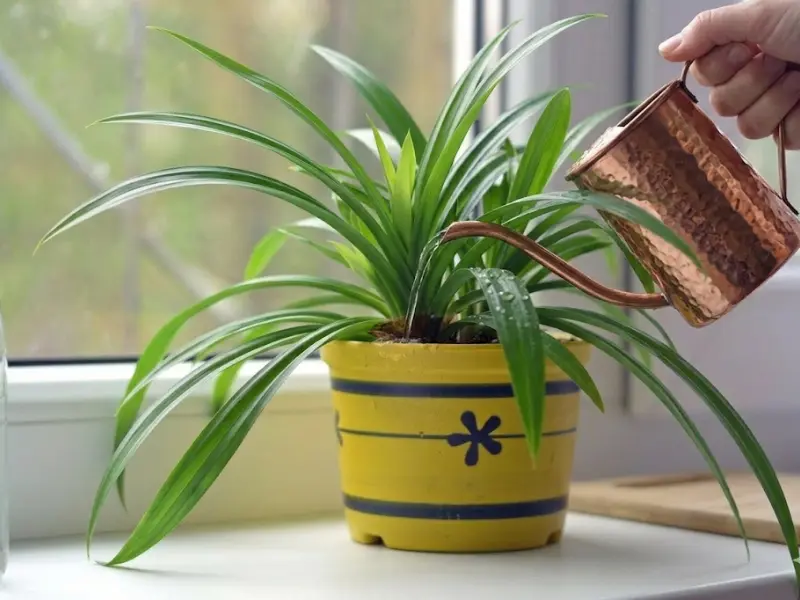
The “Golden Rule” is simple: never let the soil dry out completely. While many houseplants like to “dry out between waterings,” Pandan prefers consistent moisture.
However, be careful with tap water. In many US cities, tap water is treated with chlorine and fluoride. Pandan can be sensitive to these chemicals, which often cause the tips of the leaves to turn yellow or brown. If you can, use filtered water or let your tap water sit out overnight before using it.
Fertilizing
Since we want to harvest the leaves, we need to focus on foliage growth. Use a nitrogen-rich fertilizer once a month during the spring and summer. A balanced liquid fertilizer diluted to half-strength works wonders. Avoid fertilizing in the winter when the plant’s metabolism slows down; you don’t want to force growth when the light levels are low.
Potting and Repotting Pandan
When growing Pandanus amaryllifolius indoors, choosing the right pot and soil is essential for healthy root development. Start with a container that has good drainage holes and use a well-draining, nutrient-rich potting mix, ideally amended with compost or organic matter to retain light moisture without becoming soggy. If you’re propagating from a small offset (pup), plant it in a modest-sized pot to avoid excess moisture around the roots.
Pandan does not need frequent repotting, but it should be moved to a larger container once it becomes root-bound. Signs to watch for include roots growing out of the drainage holes, slowed growth, or soil drying out too quickly after watering. When repotting, choose a pot one size larger and refresh the soil to provide new nutrients. This helps the plant continue producing healthy, fragrant leaves without unnecessary stress.
Harvesting Your Indoor Pandan Correctly
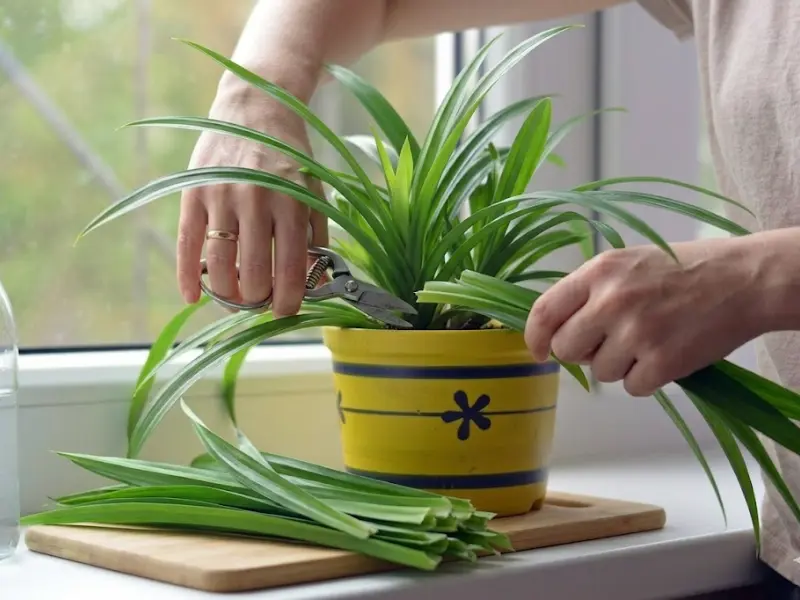
The best part of owning this plant is using it! When your plant reaches about a foot tall, you can start harvesting.
Always pick the mature outer leaves first. Leave the center “heart” of the plant alone so it can continue to produce new growth. Use sharp, clean shears to make a clean cut at the base of the leaf. This prevents the plant from getting an infection and keeps it looking tidy. If your plant starts growing “pups” or suckers at the base, you can eventually separate those into new pots to grow your collection.
Common Problems and How to Fix Them
Even with the best care, things can go wrong. Let’s look at the two biggest complaints I hear from indoor gardeners.
Why Are My Pandan Leaves Turning Brown?
If the tips are brown and crispy, your humidity is too low. If the leaves are turning yellow and feeling mushy, you are likely overwatering or the soil isn’t draining well.
A friend of mine in Denver once complained that her Pandan looked like it was dying despite constant watering. It turned out the dry mountain air was sucking the moisture out of the leaves faster than the roots could drink. Once she moved it to her bathroom (the most humid room in the house), the plant did a total 180.
Dealing with Pests Indoors
Indoor plants are magnets for Spider Mites and Mealybugs, especially when the air is dry. Look for tiny webs or white, cottony spots on the undersides of the leaves. If you see them, don’t panic. Wipe the leaves down with a mixture of water and a few drops of organic dish soap, or use Neem oil. It is a natural solution that won’t harm you or your pets.
Frequently Asked Questions (FAQs)
Can Pandan survive in low light?
It can survive, but it won’t be happy. In low light, the plant grows very slowly, and the leaves lose that signature aromatic scent. If you want to use it for cooking, give it as much indirect light as possible.
How fast does Pandan grow indoors?
In the right conditions (warmth and humidity), it is a moderate grower. Expect a few new leaves every month during the summer. It won’t become a giant bush overnight, which actually makes it a great indoor plant for apartments.
Is Pandan toxic to pets?
Good news for cat and dog owners! Pandanus amaryllifolius is generally considered non-toxic. However, the leaves are quite fibrous and sharp, so it is still best to keep it out of reach to avoid any tummy upsets or shredded leaves.
How do I propagate my indoor Pandan?
As the plant matures, it will grow small baby plants (pups) at the base or along the stem. Once these pups develop their own aerial roots, you can gently snip them off and plant them in their own pot with a fresh potting mix.
Keeping a Pandan plant healthy indoors is all about balance. Once you nail the humidity and lighting, it becomes one of the most rewarding plants to own. Not only does it look beautiful with its architectural shape, but the scent is a constant reminder of a tropical paradise.
If you are looking for more tips on tropical spice plants, check out my other guides:
- How to Use Comfrey for a Thriving Organic Garden
- Growing Cuban Oregano Plants: A Complete Guide for Gardeners
- How to Grow Oregano Indoors Easily (Beginner’s Guide)
- Growing Turmeric in Pots as a Houseplant or for Easy Harvest
References:
- Is it safe for dogs to eat pandan leaves? Dial A Vet.
