
Passion fruit vines, with their exotic, intricate flowers and delicious, tangy fruit, are a spectacular addition to any sunny garden. Whether you’re a beginner looking for a fast-growing climber or a seasoned gardener craving a homegrown harvest, growing passion fruit can be an incredibly rewarding experience. In this guide, we’ll take you through everything you need to know, from planting your vine to troubleshooting common issues and ensuring a bountiful harvest.
What Is a Passion Fruit Vine?
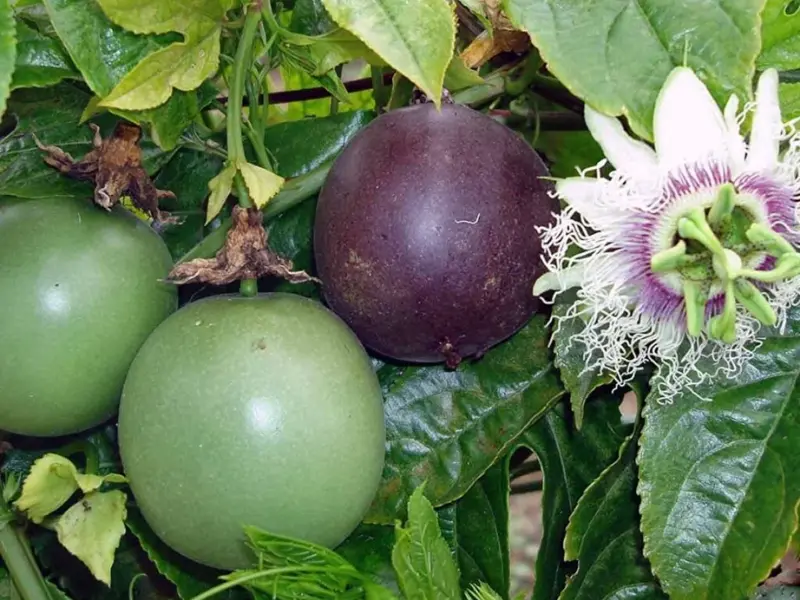
The passion fruit (Passiflora edulis) is a vigorous, climbing vine native to subtropical South America. Known for its unique, otherworldly blossoms and aromatic fruit, it is a favorite in warm-climate gardens. The most common types are the Purple Passion Fruit, known for its superior flavor and sweetness, and the Yellow Passion Fruit, which tends to be larger and more acid-tolerant.
These vines are rapid growers, using tendrils to cling to fences, trellises, or pergolas. They are not just functional food producers; they are stunning ornamental plants that can transform a bare wall into a lush, tropical sanctuary.
Benefits of Growing Passion Fruit
Passion fruit vines offer more than just a tasty snack:
-
Aesthetic Appeal: The flowers are architectural marvels, featuring complex layers and vibrant colors that act as a centerpiece in any garden.
-
Nutrient-Rich Fruit: Homegrown passion fruits are packed with vitamins A and C, fiber, and antioxidants.
-
Privacy Screening: Due to their fast-growing nature, these vines provide excellent natural screening for fences and balconies.
Choosing the Right Variety for Your Climate
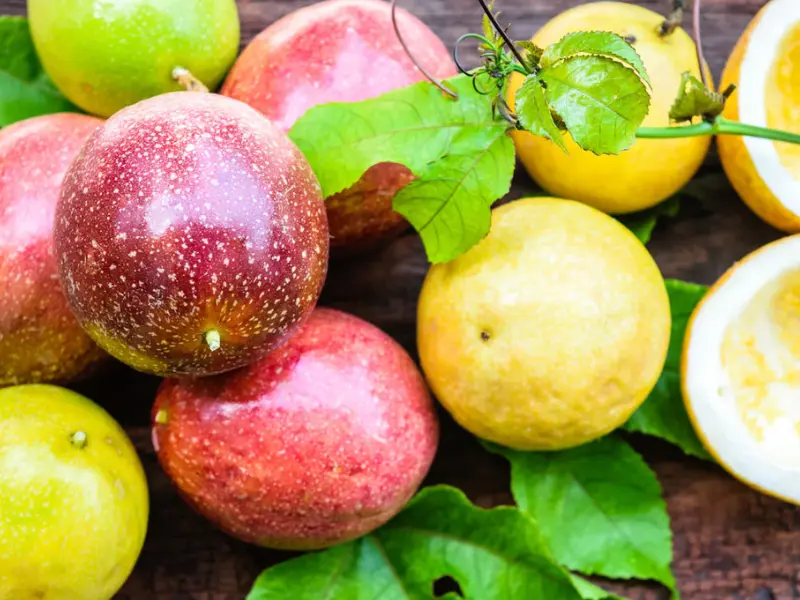
Before you dig a hole, you need to know what you are planting. In the United States, we generally deal with two main types of Passiflora edulis.
If you live in USDA Hardiness Zones 9 to 11, you have the best seat in the house. The Purple Passion Fruit is the gold standard for home gardeners. It is sweeter, more aromatic, and a bit more frost-tolerant than its cousins.
On the other hand, the Yellow Passion Fruit (flavicarpa) is a beast. It grows faster and produces larger fruit, but it craves tropical heat and often needs a partner for cross-pollination. If you only have space for one plant, stick with a self-pollinating purple variety like the ‘Frederick’—it is a favorite in many California backyards for a reason.
Ideal Growing Conditions
To ensure your vine thrives and produces a heavy crop, you must provide the right foundation.
Passion fruit vines are sun-lovers. They require at least 6-8 hours of full sun daily to flower and set fruit. Additionally, because the vines are heavy and the flowers delicate, choose a spot sheltered from strong, cold winds.
These vines are “heavy drinkers” but hate “wet feet.” They prefer well-draining, fertile soil with a pH between 6.5 and 7.5. Enriching the soil with compost or well-rotted manure before planting will give your vine the nutrient boost it needs to take off.
Read more:
- How to Prepare Soil to Plant: A Step-by-Step Guide for Beginners
- Top 10 Best Plants That Improve Soil Quality, Making Your Whole Garden Thrive
- Spring 2025: The Golden Time to Plant Trees
Planting Passion Fruits
When you’re ready to move your seedling into the garden, proper planting is the first step toward a lush, fruit-bearing vine. Passion fruit vines are vigorous climbers, so choosing the right spot and preparing the foundation is key.
The best time to plant your passion fruit is in spring or early summer when the soil has warmed up. If you are planting more than one vine, space them at least 7–10 feet apart to ensure each plant has plenty of room to spread its roots and receive adequate airflow.
Start by digging a hole twice as wide as the root ball and just as deep. Passion fruit vines are “heavy feeders,” so this is the perfect time to enrich the area. Mix a generous amount of organic compost or well-rotted manure into the bottom of the hole to provide a slow-release nutrient boost for the young roots.
-
Gently remove the plant from its container. These vines have sensitive root systems, so try not to disturb the root ball too much.
-
If the plant is root-bound, very gently tease the outer roots outward to encourage them to grow into the new soil.
-
Place the plant in the hole so that the top of the root ball is level with the surrounding soil. Planting it too deeply can cause stem rot.
-
Fill the hole back in with your enriched soil mix, firming it down gently with your hands to remove any large air pockets.
-
Water the plant deeply immediately after planting to settle the soil. Apply a thick layer of organic mulch (like straw or bark) around the base to retain moisture, but keep the mulch a few inches away from the stem to prevent rot.
Caring for Passion Fruit Vines
Consistent care is the secret to a long-lived and productive passion fruit vine.
Watering
Keep the soil consistently moist, especially when the vine is flowering and fruiting. Dry soil can cause the fruit to shrivel or drop prematurely. However, avoid waterlogging the roots, as this can lead to root rot.
Fertilizing
Because these vines grow so incredibly fast, they are known as “heavy feeders.” They have a big appetite for nutrients, but you have to give them the right kind of food.
- Use a balanced fertilizer specifically formulated for citrus or fruiting plants. Look for one that is high in potassium (potash); this is the “magic ingredient” that triggers flower and fruit production.
- Apply your fertilizer in early spring to kickstart growth and again in autumn to help the vine recover from the harvest.
- Be careful with high-nitrogen fertilizers once your vine is established. Too much nitrogen tells the plant to grow more leaves, leaving you with a beautiful green vine but absolutely zero fruit.
Pruning and Maintenance
Pruning is best done in early spring to clear out old, unproductive wood and encourage new, vigorous growth. Thinning out the center of the vine also improves air circulation, which helps prevent fungal diseases.
How to Trellis Passion Fruit Vines
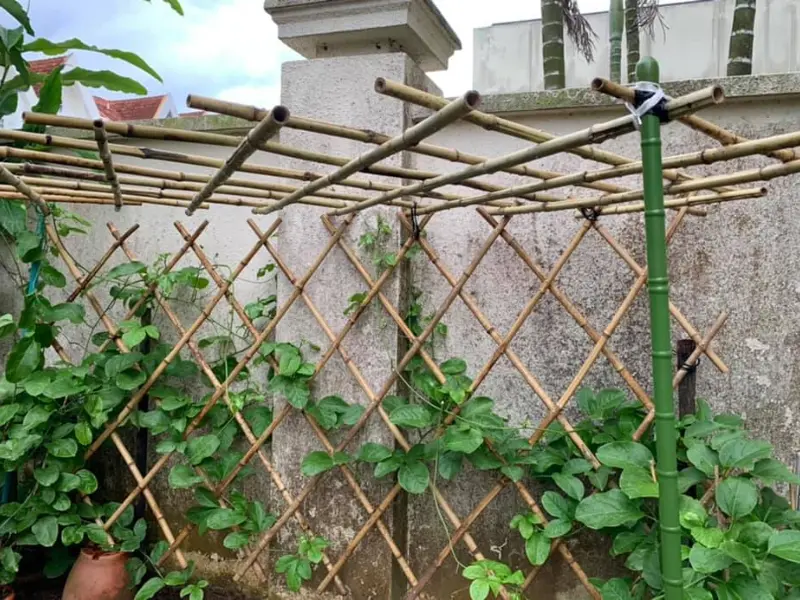
Passion fruit vines are ambitious climbers that need a rock-solid support system to handle their rapid growth and heavy fruit. Choose a sturdy structure like a chain-link fence, a timber pergola, or a dedicated wire trellis—avoid flimsy plastic frames that might snap under the vine’s mature weight.
To get started, gently tie the main stem to your support using soft garden twine until it catches hold. For the best harvest, train the vine to grow upward first, then spread laterally to create a “curtain” of foliage. This organized structure not only makes picking fruit a breeze but also ensures plenty of sunlight and airflow reach the center of the plant, keeping it healthy and productive.
How to Get Passion Fruit to Bloom
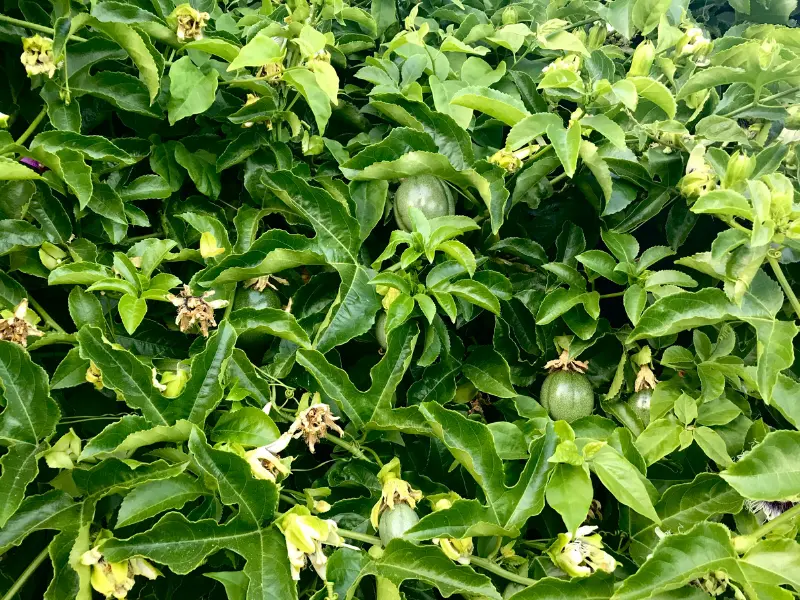
To get the best harvest from your vine, you first need to master the art of the bloom. Passion fruit flowers are not only essential for fruit but are also one of nature’s most stunning floral displays.
Blooming Period
Passion fruit vines typically bloom from midsummer to early fall (roughly July through September). While the vine itself is vigorous, each individual flower is a fleeting beauty, usually lasting only about one day. Because of this short window, ensuring the plant is healthy enough to produce a high volume of flowers is key.
What Do Passion Fruit Flowers Look and Smell Like?
These blossoms are truly unique, featuring a complex design of petals topped with wavy, thread-like fringes radiating from the center. The blooms can range from 1 to 6 inches in diameter and come in striking shades of purple or elegant combinations of pink and white. Beyond their alien-like beauty, they often carry a delicate, sweet fragrance that attracts essential pollinators to your garden.
How to Encourage More Blooms?
-
Maximize Sunlight: Sunlight is the primary fuel for flowering. Aim to give your vine at least eight hours of direct sun; the plant will “thank you” with a prolific display of blossoms.
-
Balance Your Fertilizer: Be careful with your feeding routine. Avoid high-nitrogen fertilizers when you want flowers, as nitrogen encourages lush green leaves at the expense of fruit. Instead, stick to potassium-rich options.
-
Hand Pollination: If you notice flowers but no fruit, try playing the role of a bee! Use a small brush to transfer pollen between flowers in the morning to ensure a successful set.
How to Harvest Passion Fruit
The best part of growing passion fruit is the harvest! The fruit is ready when the skin turns from green to deep purple (or yellow) and becomes slightly wrinkled. In many cases, the fruit will naturally fall to the ground when it is perfectly ripe and at its sweetest.
Common Problems and How to Fix Them
-
Fruit Dropping: Often caused by irregular watering or extreme temperature swings. Ensure consistent moisture.
-
Yellowing Leaves: This can indicate a nutrient deficiency (usually magnesium or nitrogen) or a sign of overwatering.
-
Pests: Watch out for aphids and passion vine hoppers. Treat small infestations with neem oil or a strong jet of water.
Frequently Asked Questions (FAQs)
Do I need two vines for pollination?
Many purple varieties are self-fertile, but planting two vines or hand-pollinating with a small brush can significantly increase your crop yield.
How long does it take to get fruit? Usually, you can expect your first harvest within 12 to 18 months of planting a seedling. If you start from seed, it might take a bit longer.
Can I grow this indoors? Only if you have a massive, sun-drenched conservatory. These vines need too much space and light for a typical living room.
Is passionfruit invasive? In some tropical areas like Hawaii or parts of Florida, certain species can be aggressive. Always check with your local extension office if you are worried about native habitats.
Why is my fruit empty inside? This is usually a pollination issue or a sign of irregular watering. Ensure your vine has plenty of water while the fruit is forming.
Conclusion
Growing passion fruit vines is a delightful journey that rewards you with shade, beauty, and an abundance of tropical flavor. By hitting those key requirements of sun, water, and feeding, you’ll have a vine that is the envy of the neighborhood. Happy gardening!
