
Flowers are a classic gesture of affection, but their beauty is often fleeting. This Valentine’s Day, consider a gift that grows alongside your relationship – a living, breathing houseplant. Beyond their aesthetic appeal, many indoor plants symbolize lasting love, devotion, and shared growth. We’ve consulted with interior plant stylists and botanical experts to bring you the top 8 romantic houseplants that are perfect for gifting, ensuring your thoughtful gesture remains a vibrant part of your loved one’s home for years to come.
Why Houseplants are the New Dozen Roses for Valentine’s Day
In recent years, the “Plant Parent” movement has taken over apartments from New York to Los Angeles. Millennials and Gen Z are leading the charge, preferring sustainable gifts over disposable ones. While a bouquet of red roses symbolizes love, it is a fleeting beauty. A potted plant, however, symbolizes a commitment to growth and longevity.
Think of it this way: every time your partner waters that Hoya Kerrii or sees a new leaf unfurl on their Anthurium, they will think of you. It is a gift that keeps on giving, literally purifying the air and improving the mental well-being of the person you love. Plus, in an era of environmental consciousness, choosing a living plant reduces the waste associated with the mass-produced floral industry.
Top 8 Romantic Houseplants to Celebrate Love
1. Hoya Kerrii (The Sweetheart Plant)
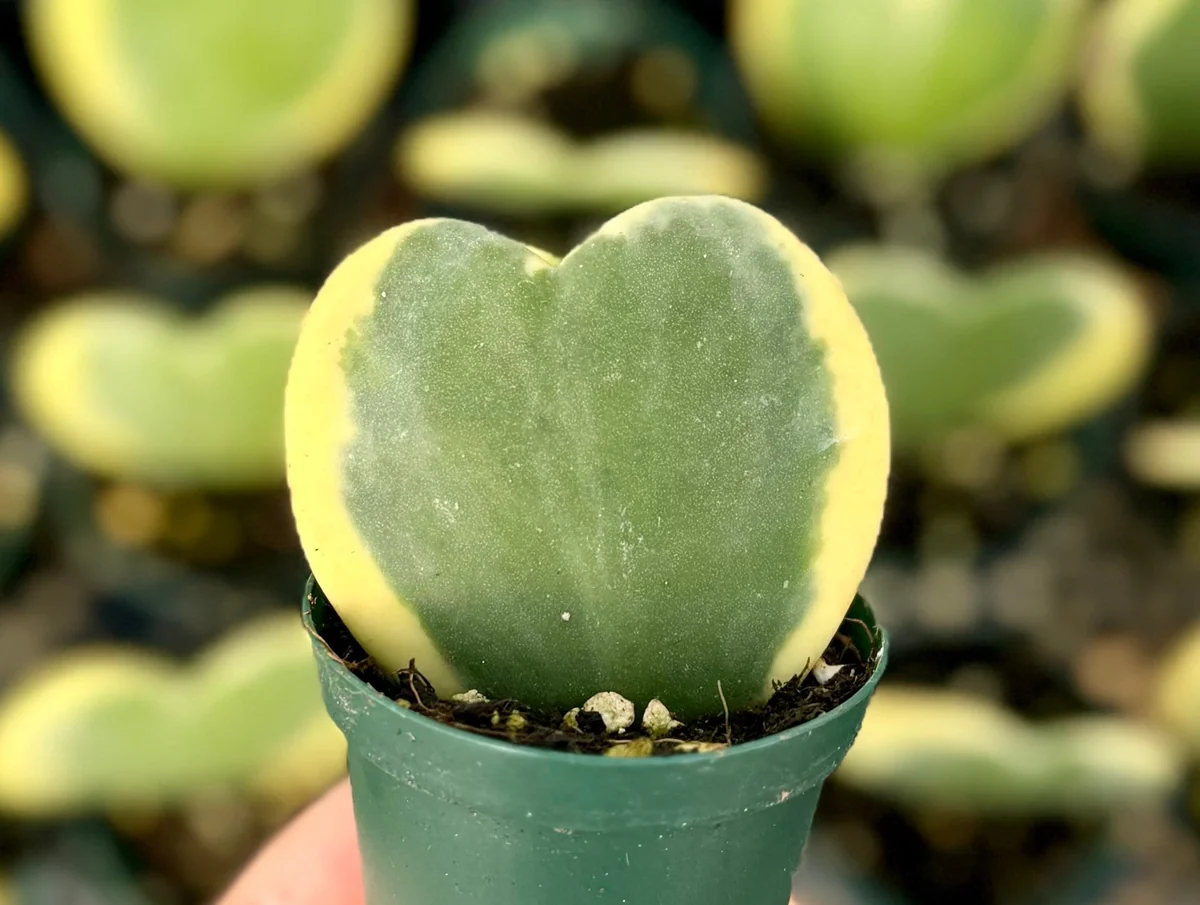
If there were an official plant for love, this would be it. The Hoya Kerrii is famous for its perfectly heart-shaped leaves. It is a slow-growing succulent vine that originates from Southeast Asia, but it has found a permanent home on the desks of many Americans as a top-tier romantic plant.
-
The Symbolism: Unconditional love and simplicity.
-
The Vibe: It is small, cute, and fits perfectly on a desk or windowsill.
-
Care Tip: This is a succulent-like plant. It stores water in its thick leaves, so do not overwater it. Once every two to three weeks is usually enough for a single leaf cutting.
2. Anthurium (Laceleaf)
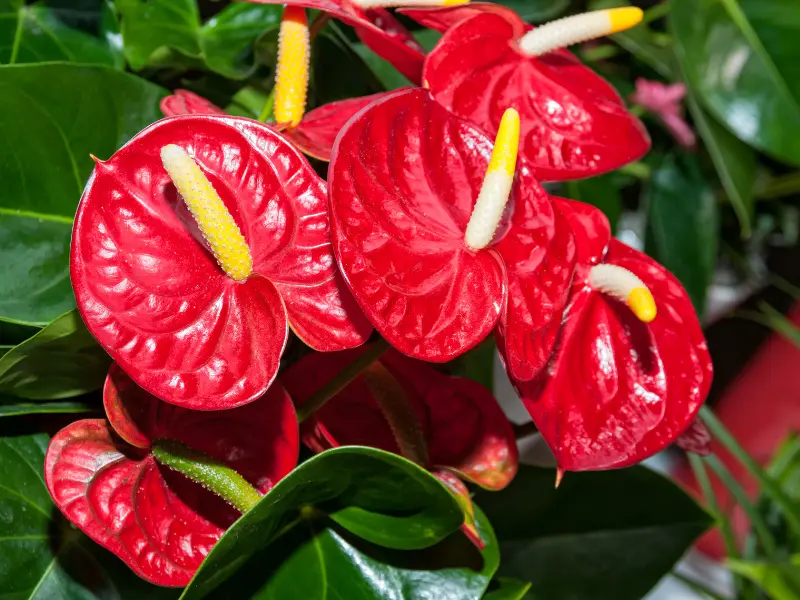
With its bright, waxy, heart-shaped red spathes, the Anthurium is the gold standard for romantic houseplants. It looks exotic and high-end, making it a great alternative to a traditional floral arrangement.
-
The Symbolism: Hospitality and long-lasting love.
-
Real-Life Example: I once gave an Anthurium to a friend for her anniversary. Two years later, it is still blooming in her living room, whereas the roses her husband bought lasted exactly six days.
-
Care Tip: They love bright, indirect light. Keep the soil slightly moist but never soggy.
3. String of Hearts (Ceropegia woodii)
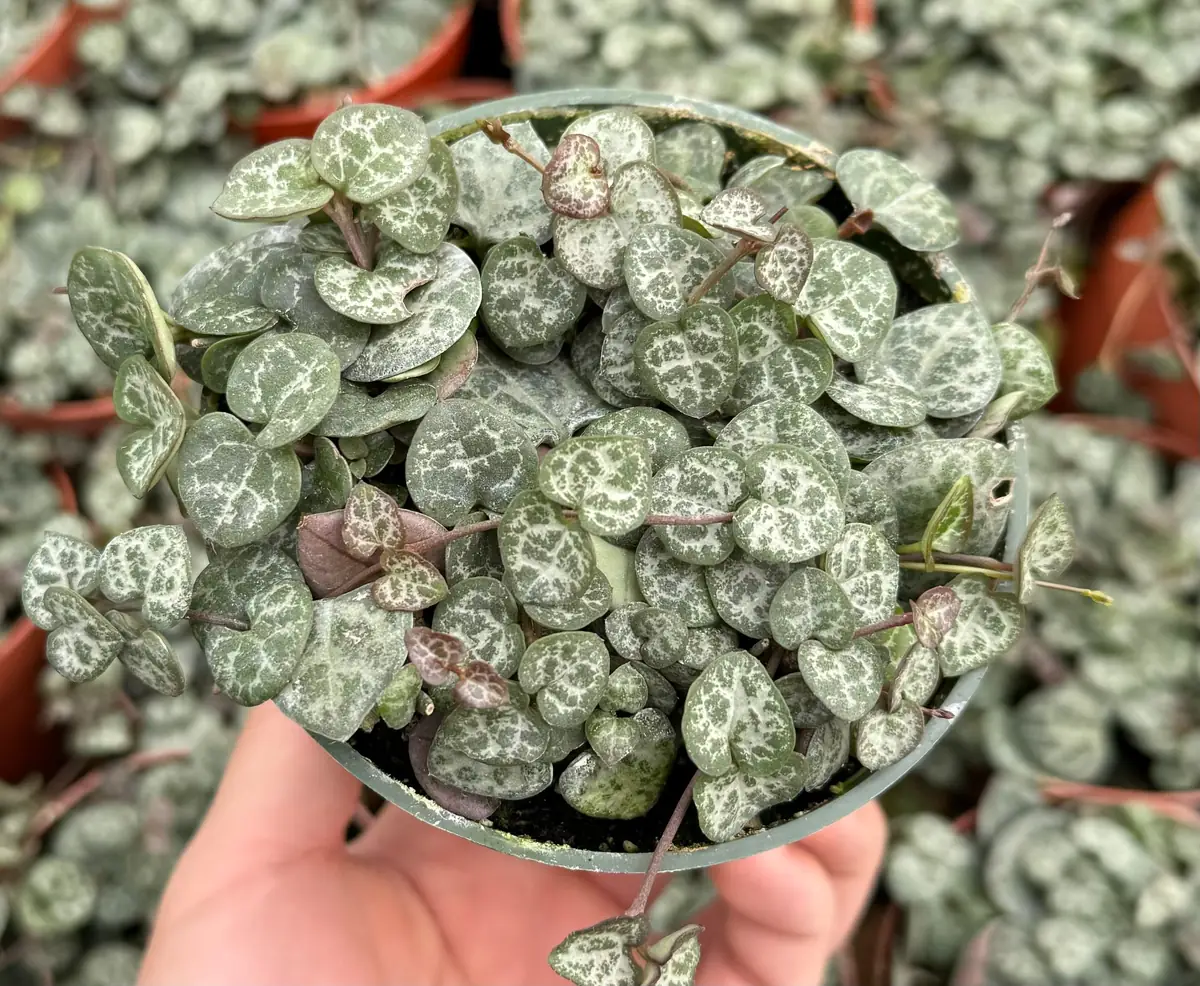
This is a stunning trailing plant with tiny, heart-shaped leaves. It is a sophisticated choice among plants for lovers who appreciate delicate, intricate textures.
-
The Symbolism: A connection that spans distances.
-
The Vibe: Perfect for someone who loves the “indoor jungle” aesthetic or has high shelves.
-
Care Tip: It is very drought-tolerant. Let the soil dry out completely between waterings to avoid root rot.
4. Bleeding Heart Vine (Clerodendrum thomsoniae)
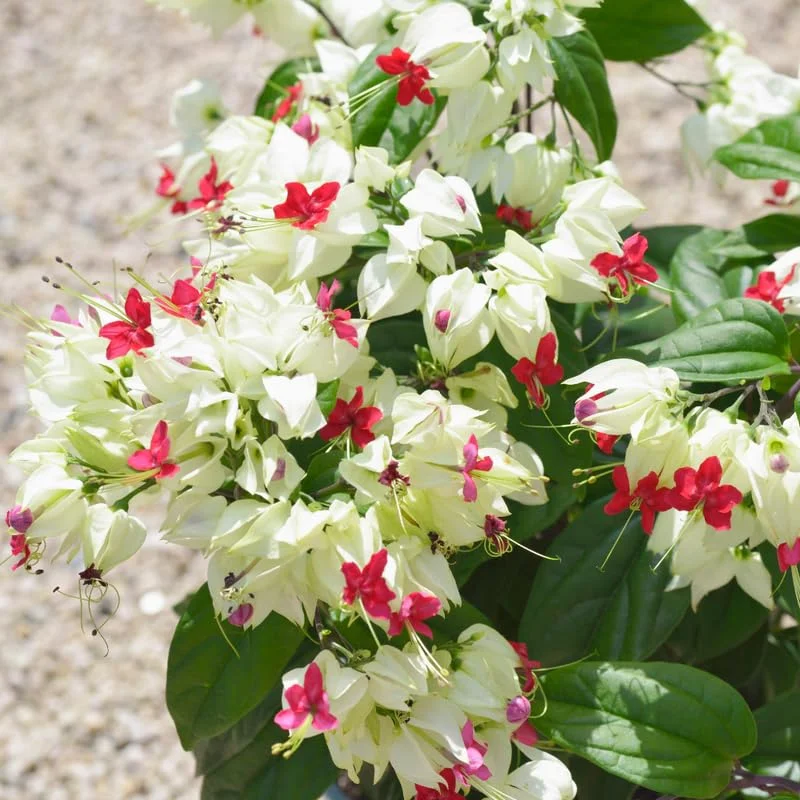
This romantic plant is pure poetry. It produces beautiful white flowers with a red “drop” emerging from the center, looking exactly like a bleeding heart.
-
The Symbolism: Passion and deep devotion.
-
The Vibe: Best for the partner who appreciates the dramatic and the unique.
-
Care Tip: It needs a bit more attention than a cactus. It likes humidity and consistent moisture, so it is a great choice for someone who already enjoys gardening.
5. Rose Painted Calathea (Calathea roseopicta)
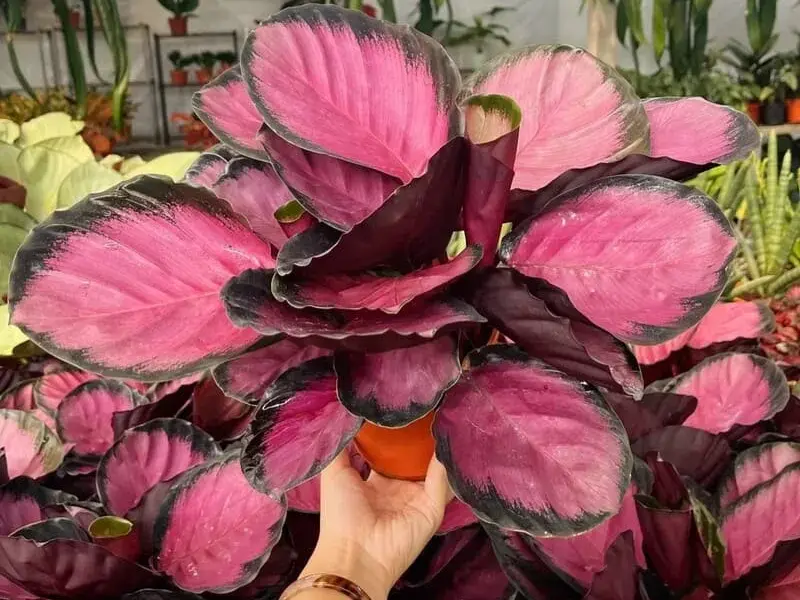
If you are looking for plants for Valentine’s Day that have a unique “personality,” this is the one. The leaves feature beautiful pink stripes that look like they were hand-painted.
-
The Symbolism: New beginnings and rhythm.
-
The Story: Calatheas are often called “Prayer Plants” because their leaves fold up at night as if in prayer. It is a beautiful metaphor for a quiet, mindful relationship.
-
Care Tip: They are a bit picky about water. Try using filtered water or rainwater to keep the leaf edges from turning brown.
6. Peace Lily (Spathiphyllum)
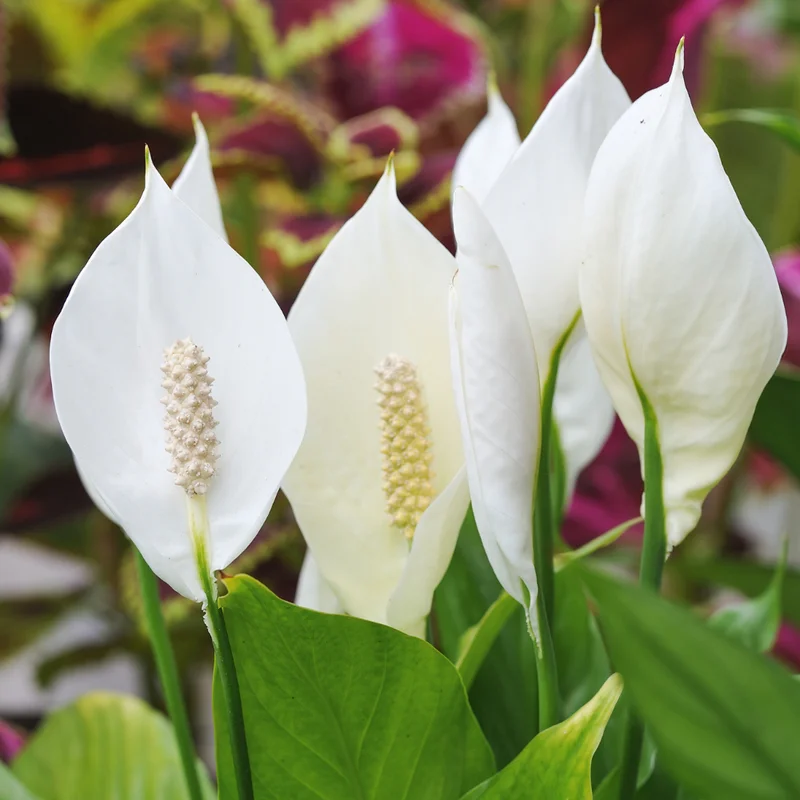
The Peace Lily is an elegant, classic choice. It is one of the most popular romantic houseplants in the U.S. because of its striking look and air-purifying qualities.
-
The Symbolism: Peace, purity, and harmony in a relationship.
-
The Vibe: Sophisticated and calming.
-
Care Tip: Peace Lily is a “drama queen”, it will wilt visibly when it is thirsty, but it pops right back up after a quick drink. It is also excellent at air purification.
7. Orchids (Phalaenopsis)
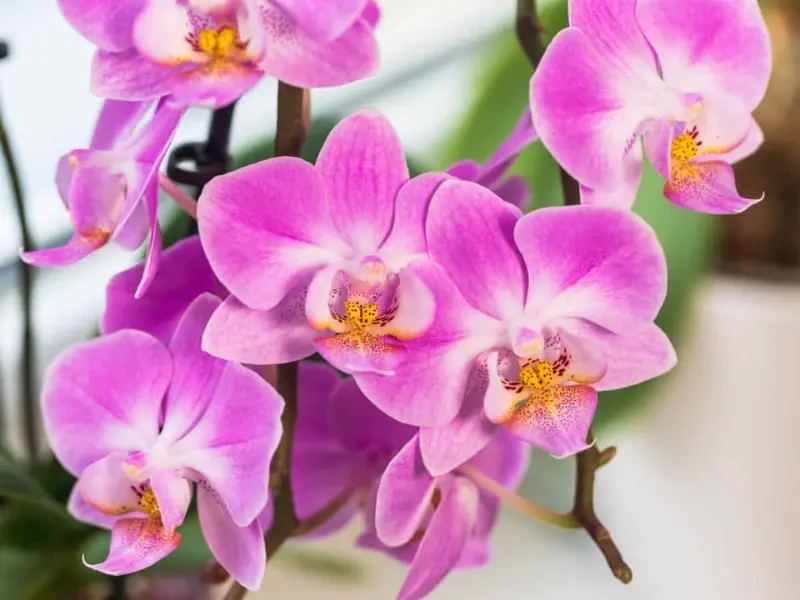
Orchids have a reputation for being difficult, but the Moth Orchid is a very sturdy plant for love that can bloom for months at a time.
-
The Symbolism: Luxury, beauty, and strength.
-
The Vibe: For the person who has a refined taste and loves a touch of elegance in their home.
-
Care Tip: Do not overwater. Use the “ice cube” trick (though some experts prefer a quick soak) and ensure it has plenty of drainage.
8. African Violets
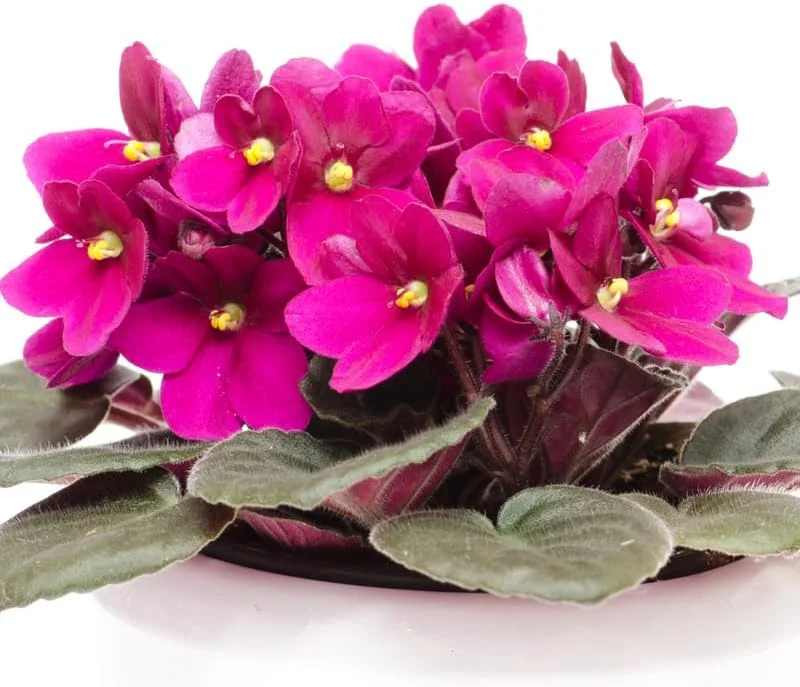
These are charming, old-school favorites and excellent plants for lovers who enjoy cozy, nostalgic vibes. They have soft, fuzzy leaves and vibrant blooms.
-
The Symbolism: Faithfulness and a “small but mighty” love.
-
The Vibe: Cozy, nostalgic, and perfect for a kitchen table.
-
Care Tip: Always water them from the bottom. If water gets on their fuzzy leaves, it can cause spots.
Pro-Tips for Presenting Your Plant Gift
A plastic nursery pot isn’t very romantic. To make your gift stand out:
-
Upgrade the Pot: Move the plant into a high-quality ceramic or terracotta pot that matches your partner’s home decor.
-
Add a Personal Note: Use a “punny” plant message like “I’m rooting for us” or “My love for you grows every day.”
-
Provide a “Cheat Sheet”: Include a small card with basic care instructions so they don’t feel overwhelmed by the responsibility of a new living thing.
Frequently Asked Questions (FAQs)
Which Valentine’s plant is easiest to keep alive?
The Hoya Kerrii is arguably the easiest. It is a succulent, meaning it doesn’t mind if you forget to water it for a week or two. Anthuriums are also very sturdy as long as they get enough light.
Are these plants safe for cats and dogs?
Not all of them. Peace Lilies and Anthuriums can be toxic if ingested. If you have curious pets, stick to African Violets or check the ASPCA website for a full list of non-toxic plants before you buy.
Why is my Hoya Kerrii not growing new leaves?
If you bought a single heart-shaped leaf in a pot, it might never grow into a full vine. These are often sold as “zombie leaves” that stay as one leaf forever. To get a growing plant, look for one that already has a visible stem and nodes.
Can I have these plants delivered across the U.S.?
Yes! Many online retailers like The Sill, Bloomscape, or even Amazon specialize in shipping live plants. Just be careful about shipping in February if you live in a very cold state like Minnesota or Maine. Ask for a heat pack to be included in the box.
Conclusion
Valentine’s Day is about expressing affection in a way that feels genuine. While flowers are a lovely gesture, a romantic houseplant is a living investment in your shared future. It brings nature indoors, cleans the air, and serves as a beautiful, daily reminder of your bond.
Whether it is the simple heart of a Hoya or the elegant bloom of a Peace Lily, there is a plant out there that perfectly matches your partner’s personality. So this year, skip the grocery store flower aisle and head to your local nursery or an online plant shop.
