
The Iceland Poppy Hummingbird (Papaver nudicaule), a dwarf variety of the classic Iceland Poppy, is a biennial or short-lived perennial that captures the hearts of gardeners with its delicate, crinkled petals and vivid colors. Despite their fragile appearance, these plants are surprisingly hardy and can transform a cool-season garden into a sea of bright oranges, yellows, pinks, and whites.
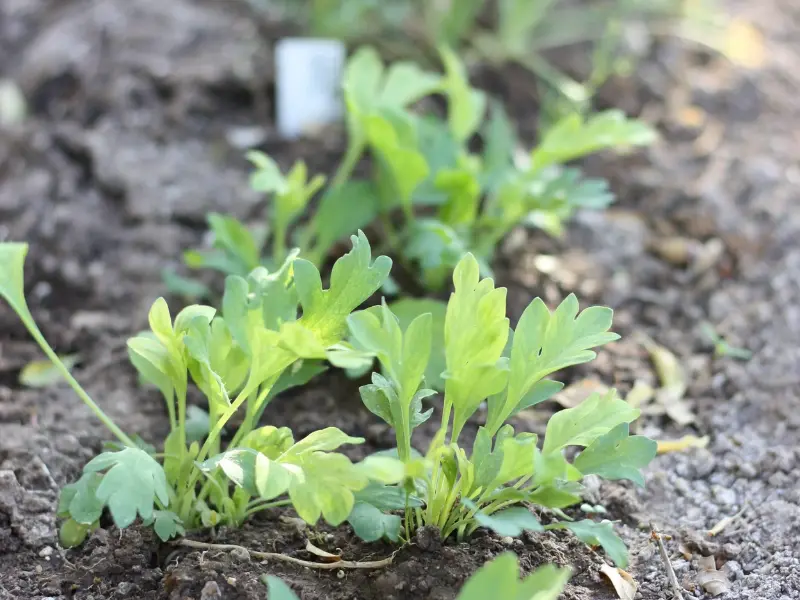
The leaves of the Iceland Poppy Hummingbird form a low-growing, blue-green basal rosette that remains close to the ground. What makes this specific series stand out is its compact size and prolific blooming habit. The flowers sit atop leafless, hairy stems that typically reach only 8-12 inches in height, making them much sturdier and less prone to flopping than taller varieties.
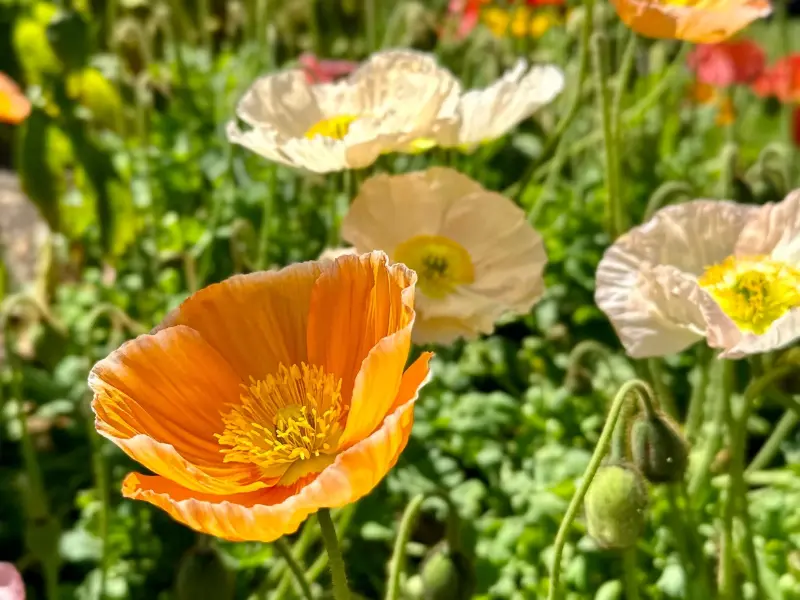
Iceland Poppy Hummingbird, a member of the Papaveraceae family, is renowned for its ability to bloom in late winter or early spring, often while other garden plants are still dormant.
The plant produces nodding buds that eventually straighten up to reveal cup-shaped, papery flowers with a central tuft of golden stamens. The genus name, Papaver, is the classical Latin name for the poppy, while the species name, nudicaule, means “naked stem,” referring to the leafless flower stalks. The Hummingbird series is specifically bred for its uniform, compact habit and early flowering window.
With its satiny texture and resilience to frost, the Iceland Poppy Hummingbird is not just a garden favorite but a quintessential flower for cool-climate landscapes.
In this comprehensive guide, we’ll walk you through everything you need to know to help your Iceland Poppy Hummingbird grow strong and healthy. We’ll cover everything from ideal growing conditions to common problems you might encounter.
How to Care for Iceland Poppy Hummingbird
Ideal Growing Conditions for Iceland Poppy Hummingbird
Unlike many tropical flowers, the Iceland Poppy Hummingbird thrives in cool weather and struggles in intense heat. To ensure your plant stays healthy, follow these tips for the perfect environment:
-
Light Requirements: This plant loves full sun. It needs at least 6 hours of direct sunlight daily to produce strong stems and vibrant blooms. In warmer climates, some afternoon shade can help prolong the blooming season.
-
Soil: Iceland Poppies prefer well-draining, fertile soil with a neutral to slightly alkaline pH (7.0–7.5). They are particularly sensitive to “wet feet,” so ensure your garden bed or pot has excellent drainage to prevent crown rot.
-
Temperature: These are cool-season stars. They thrive in temperatures between 45°F and 70°F (7°C–21°C). Once summer heat hits and temperatures consistently exceed 80°F, the plant will often go dormant or finish its life cycle.
You may like:
- How to Find Your Gardening Zone and the Best Plants to Grow in Your Region
- How to Prepare Soil to Plant: A Step-by-Step Guide for Beginners
Watering Tips
Watering is a balancing act for poppies. They need moisture to bloom but detest being soggy:
-
Frequency: Water your Iceland Poppy Hummingbird when the top inch of soil feels dry. It is best to water at the base of the plant to keep the foliage and delicate petals dry, which helps prevent fungal issues.
-
Signs of Overwatering: If the center of the rosette (the crown) begins to turn mushy or black, it is a sign of crown rot due to excess moisture. Ensure the soil is airy and not compacted.
Fertilizing
To encourage a continuous display of flowers throughout the spring, nutrition is vital:
-
Best Fertilizer: Use a balanced, slow-release fertilizer or a liquid seaweed extract. Avoid high-nitrogen fertilizers, as these will encourage lush leaf growth at the expense of flowers.
-
When to Fertilize: Apply fertilizer in early spring when new growth appears. You can repeat a light feeding every 4 weeks during the peak blooming period.
Common Problems and How to Solve Them
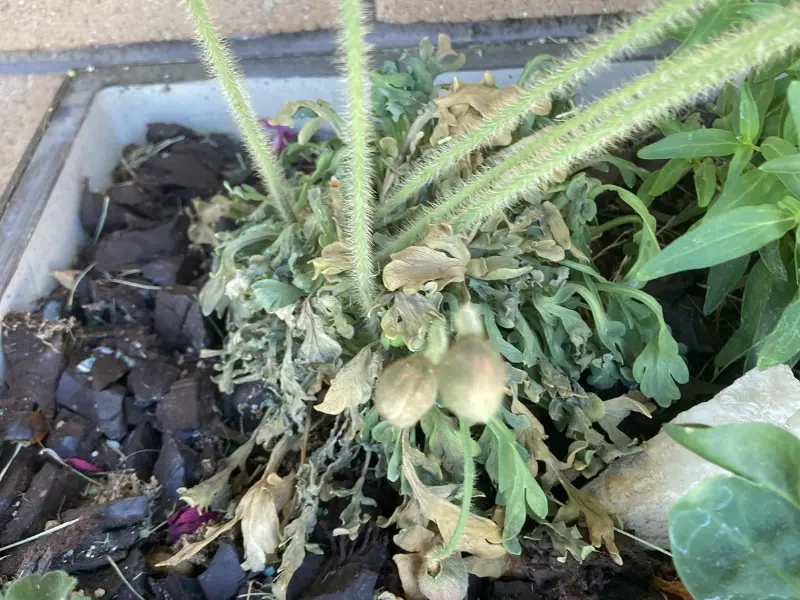
Despite their hardy nature, Iceland Poppies have a few specific sensitivities.
Pests and Diseases That Affect Iceland Poppies
-
Aphids: These small insects can congregate on the juicy flower stems. Treatment: A quick blast of water from a hose or an application of neem oil will usually solve the problem.
-
Downy Mildew: This can appear as fuzzy gray patches on leaves during damp, cool weather. Prevention: Ensure good air circulation and avoid overhead watering.
Bud Blast and Failure to Bloom
If your poppy produces buds that turn brown and drop before opening, it may be due to a sudden heatwave or inconsistent watering. Keeping the root zone cool with a light layer of mulch can help stabilize the plant.
Propagating Iceland Poppy Hummingbird
Iceland Poppies are best grown from seed, as their long taproots make them difficult to transplant once established:
-
Sowing: Sow seeds directly in the garden in late autumn or early spring. The seeds are tiny and require light to germinate, so press them lightly into the soil, but do not cover them.
-
Temperature: Seeds germinate best in cool soil (around 55°F–65°F).
-
Thinning: Once seedlings are 2 inches tall, thin them to 6-8 inches apart to allow the Hummingbird variety’s compact form to develop fully.
Pro-Tips for Cut Flower Lovers
Want to bring that beauty indoors? Iceland Poppies make stunning (though short-lived) cut flowers. To get the most out of them:
Cut the flowers just as the bud is starting to crack open and show color. Immediately sear the bottom inch of the stem with a lighter or dip it in boiling water for 10 seconds. This “seals” the sap in and helps the flower drink water, giving you an extra few days of vase life!
Frequently Asked Questions (FAQ)
Are Iceland Poppy Hummingbirds annuals or perennials?
Technically, they are perennials (USDA zones 2-7), but they are most commonly grown as cool-season annuals because they do not tolerate summer heat well.
Should I deadhead the flowers?
Yes! Removing faded flowers (deadheading) prevents the plant from setting seed and encourages it to produce more blooms.
Can I use these as cut flowers?
Absolutely! To make them last in a vase, sear the bottom of the stems with a flame or dip them in boiling water for a few seconds immediately after cutting.
Why are my poppies dying in July? Don’t panic! It’s likely just the heat. Iceland Poppies are cool-weather specialists. In most zones, they naturally die back when summer arrives. Think of them as a beautiful spring treat rather than a year-round resident.
Can I grow the Hummingbird series in pots? Yes! Because they are dwarf poppies, they are perfect for containers. Just make sure your pot has a drainage hole.
How do I get more flowers? Deadhead! As soon as a flower fades, snip the stem off at the base. This tells the plant, “Don’t make seeds yet, make more flowers!”
Conclusion
By following the care tips outlined in this guide, you can enjoy the whimsical beauty of the Iceland Poppy Hummingbird in your own garden. Their compact size and “punchy” colors make them an ideal choice for containers, rock gardens, or the front of a flower border.
Remember, these flowers are the sprinters of the garden world—they bloom fast and bright while the weather is cool. Enjoy their fleeting, papery magic while it lasts!
For more plant care tips and guides, check out our other articles on cool-season annuals and garden maintenance. Happy gardening!
Read more:
